
In the modern era of asset protection and border control, the physical barrier remains the most vital component of any security strategy. While electronic surveillance and motion sensors provide awareness, they lack the physical resistance necessary to delay or deny unauthorized entry. Among the most formidable mechanical deterrents developed in the last century is blade barbed wire, a high-performance evolution of traditional fencing materials. Designed specifically to inflict injury and provide a psychological "no-go" signal, this material has become the global standard for protecting high-value infrastructure, military zones, and national borders. This article explores the engineering, strategic value, and technical implementation of these advanced barrier systems.
Engineering for Maximum Deterrence: The Mechanics of Blade Barbed Wire
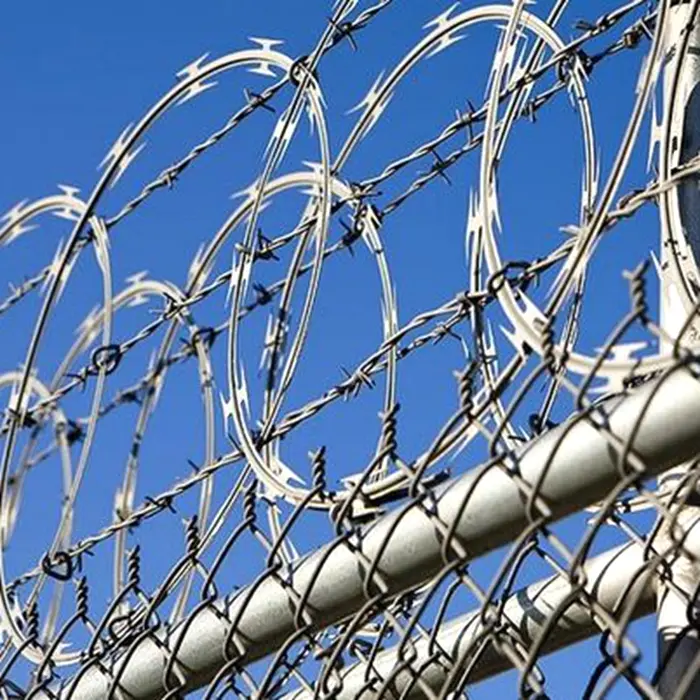
To understand the efficacy of blade barbed wire, one must examine its structural composition. Unlike standard barbed wire, which utilizes simple twisted spikes, blade wire—often referred to as razor wire—consists of a cold-rolled galvanized steel tape featuring sharp, multi-edged blades. This tape is mechanically clinched around a central core of high-tensile steel wire. The resulting product is a unified strand that combines the structural rigidity of a steel rod with the lethal cutting edges of a razor.
The design of the blades is a result of extensive research into human kinesiology and textile resistance. The sharp, hooked profiles are designed to snag clothing and penetrate skin simultaneously, making it nearly impossible for an intruder to untangle themselves once contact is made. This creates a "entanglement" effect that is far more effective than the "puncture" effect of traditional barbs. Furthermore, the high-tensile core ensures that the wire cannot be easily cut with standard hand tools, requiring specialized hydraulic cutters that are bulky and difficult for intruders to carry stealthily. This combination of physical aggression and material strength makes blade barbed wire the definitive choice for boundary hardening.
Material Superiority: The Advantages of High Tensile Barbed Wire Cores
The effectiveness of any boundary fence is largely dependent on the "tension memory" of the materials used. In professional security applications, the use of high tensile barbed wire cores is non-negotiable. Traditional low-carbon steel wire is ductile and prone to stretching over time, especially when subjected to thermal expansion in summer or the weight of snow in winter. Sagging wire creates vulnerabilities that can be exploited by intruders who may try to crawl under or lift the strands.
High tensile barbed wire, however, is manufactured using high-carbon steel that has been heat-treated to achieve a superior breaking load. This allows the wire to be pulled to extreme tensions during installation without the risk of snapping. Once tensioned, the wire acts like a spring; it resists deformation and returns to its original straightness even after being subjected to physical pressure. This structural persistence ensures that the gap between the ground and the first strand of the fence remains consistent throughout the decades. Additionally, high-tensile steel is significantly more resistant to manual cutting tools, as the hardness of the metal can notch or dull the blades of standard pliers, providing an extra layer of "passive" resistance to the perimeter.
Best Practices in Implementation: Barbed Wire Fence Construction
The most advanced materials in the world are only as effective as the quality of their installation. Professional barbed wire fence construction is a specialized trade that requires precision, specialized safety equipment, and a deep understanding of structural mechanics. A well-constructed fence must account for terrain variations, soil stability, and the specific threat profile of the location.
A critical phase of barbed wire fence construction is the anchoring of the terminal posts (corners and ends). Because high-tensile wire exerts immense pull, these posts must be deeply embedded in concrete or braced with specialized "H-braces" to prevent the entire line from collapsing inward. Once the framework is secure, the wire is unrolled using specialized dispensers to prevent kinking or accidental injury to the installers.
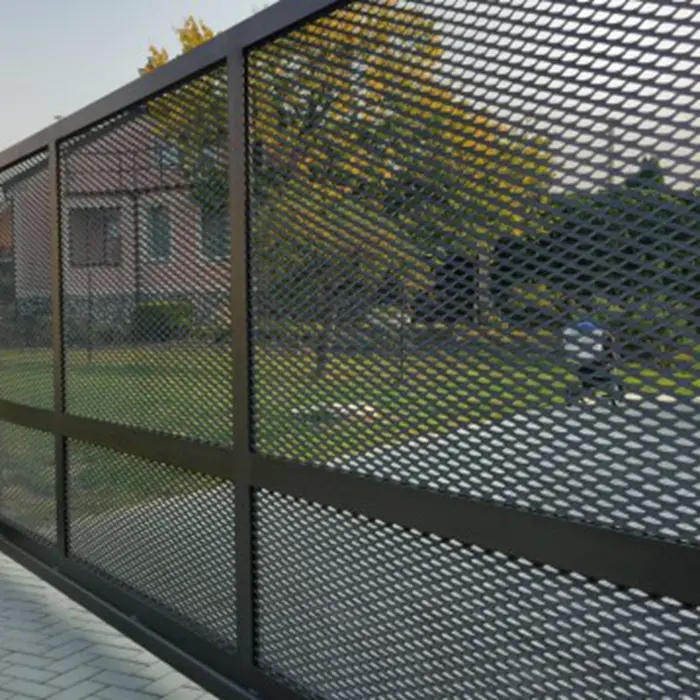
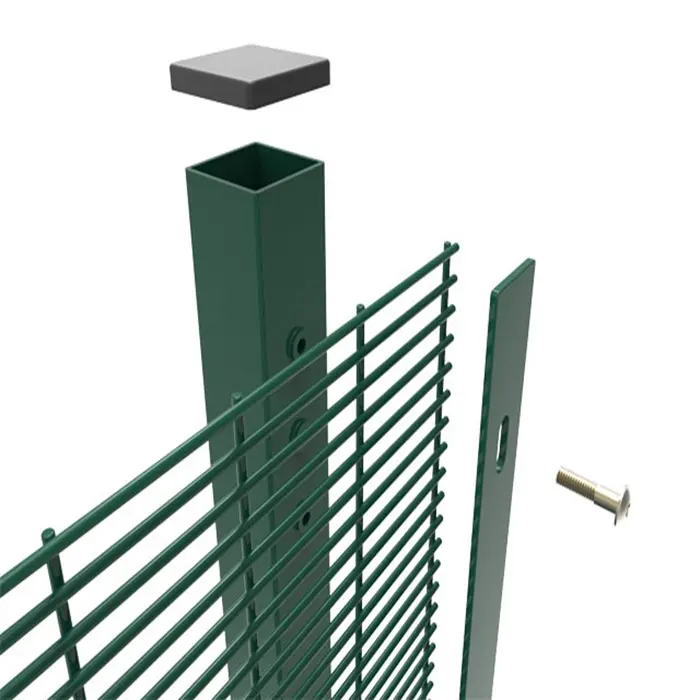
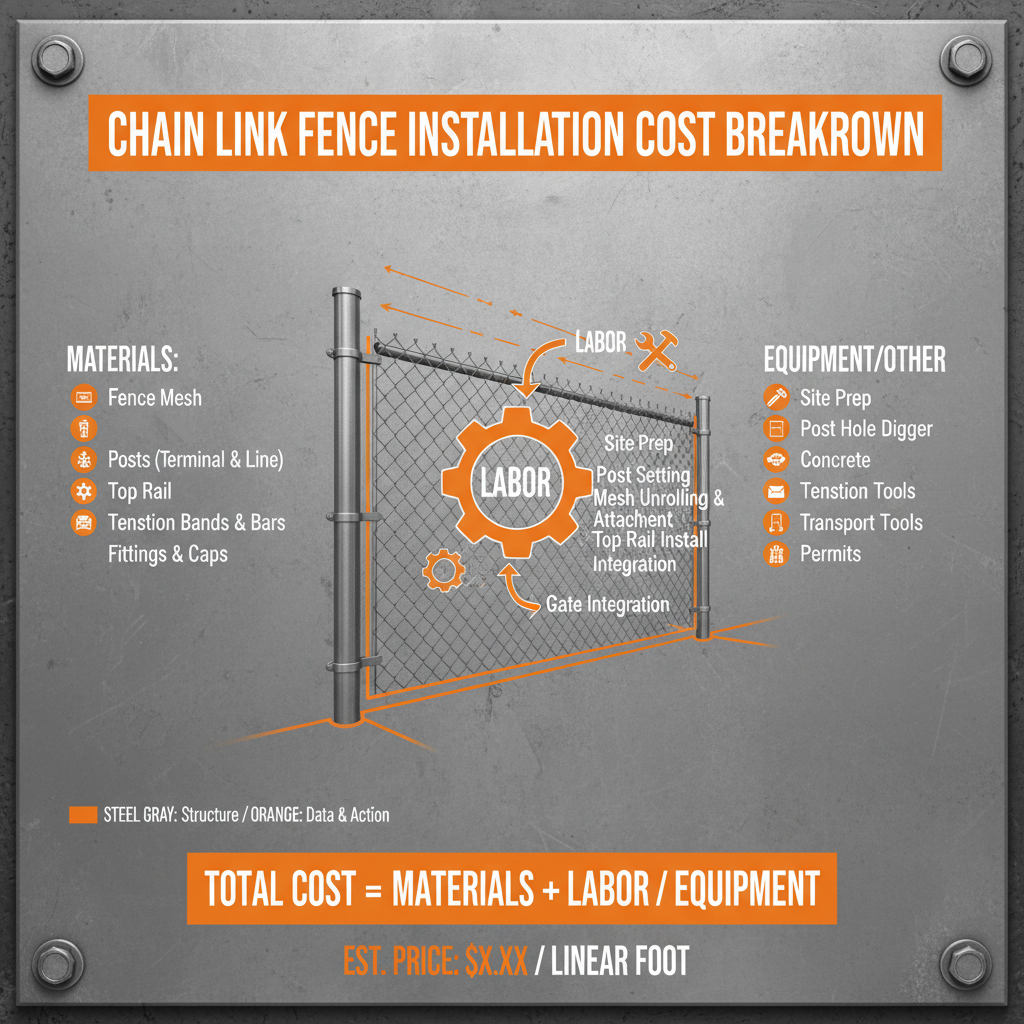
In high-security zones, the construction process often involves a layered approach. This might include a primary chain-link or welded mesh fence topped with "Y-arm" or "V-arm" outriggers. These outriggers allow multiple strands of blade barbed wire to be mounted at an angle, creating a physical "overhang" that is virtually impossible to scale. The use of specialized clips and tie-wires ensures that the strands are fused into a singular, vibrating net that can be integrated with fiber-optic intrusion detection systems. When constructed to these professional standards, a boundary fence becomes a permanent, low-maintenance asset that provides 24/7 protection.
Blade Barbed Wire: Strategic Sourcing and Environmental Resilience
When sourcing materials for a large-scale boundary project, the "total cost of ownership" must be considered. While the initial investment in high-grade blade barbed wire and galvanized high tensile barbed wire may be higher than standard agricultural products, the longevity of these materials provides a significantly better return on investment. Modern security wire is typically treated with a heavy zinc coating (Galvfan or hot-dip galvanization), which protects the steel from the corrosive effects of salt air, acid rain, and industrial pollutants.
Environmental resilience is particularly important for remote border fences where regular maintenance is logistically impossible. A rust-proof, high-tension system can remain functional for thirty to fifty years without requiring replacement. Furthermore, the psychological deterrent of a gleaming, sharp, and well-maintained fence cannot be overstated. A fence that appears neglected or rusty sends a signal of poor security, whereas a pristine line of razor-edged wire communicates a high level of vigilance and preparedness.