
Understanding the Price of Chain Link Fence Installed
When considering perimeter security or defining property lines, a chain link fence remains a highly practical and cost-effective solution. However, determining the price of chain link fence installed can be complex, as it depends on various factors. This article breaks down these factors, providing a comprehensive guide to understanding the costs involved and helping you budget accurately for your fencing project. We'll explore material costs, labor rates, and additional expenses to give you a clear picture of what to expect.
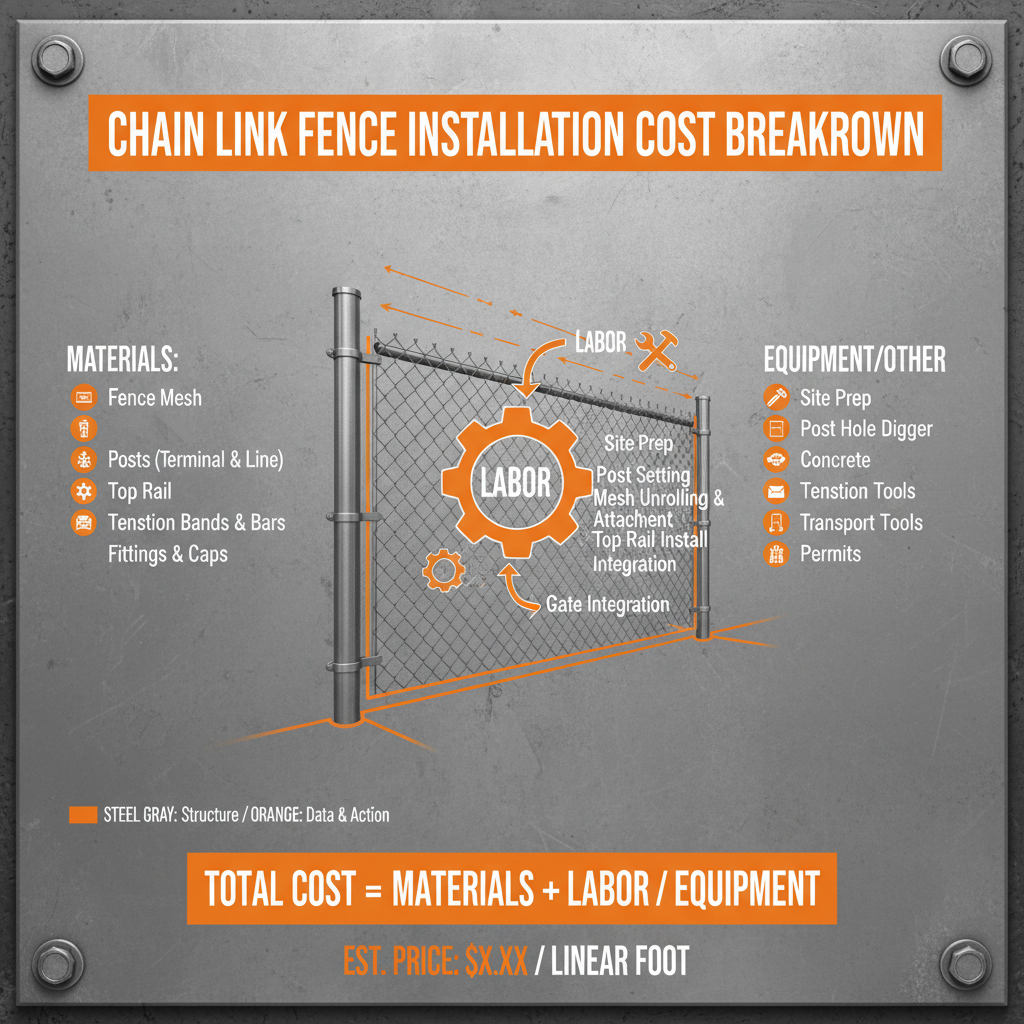
Factors Influencing the Price of Chain Link Fence Installation
Several key elements contribute to the final price of chain link fence installed. These include the height and gauge of the chain link fabric, the type of posts used (line, corner, and gate), the gauge and finish of the rails, the labor costs in your area, and any site preparation work needed. Terrain complexity also plays a role; installing a fence on uneven ground requires more effort and therefore costs more. Additionally, gate size and style will affect the overall price. Understanding each of these factors is crucial for receiving accurate quotes and managing your project budget.
Key Considerations: Terrain, Gate style, post material, fabric gauge, and height all impact cost.
Material Costs Breakdown for Chain Link Fencing
The material costs represent a significant portion of the overall price of chain link fence installed. Here's a breakdown of typical material expenses:
Labor Costs for Chain Link Fence Installation
Labor costs significantly impact the price of chain link fence installed. These costs vary depending on your geographic location, the complexity of the installation, and the contractor's experience. Generally, labor costs range from $3 to $8 per linear foot. Factors increasing labor costs include extensive site preparation, removing existing fencing, and installing gates. It’s always wise to get multiple quotes from reputable fencing contractors.
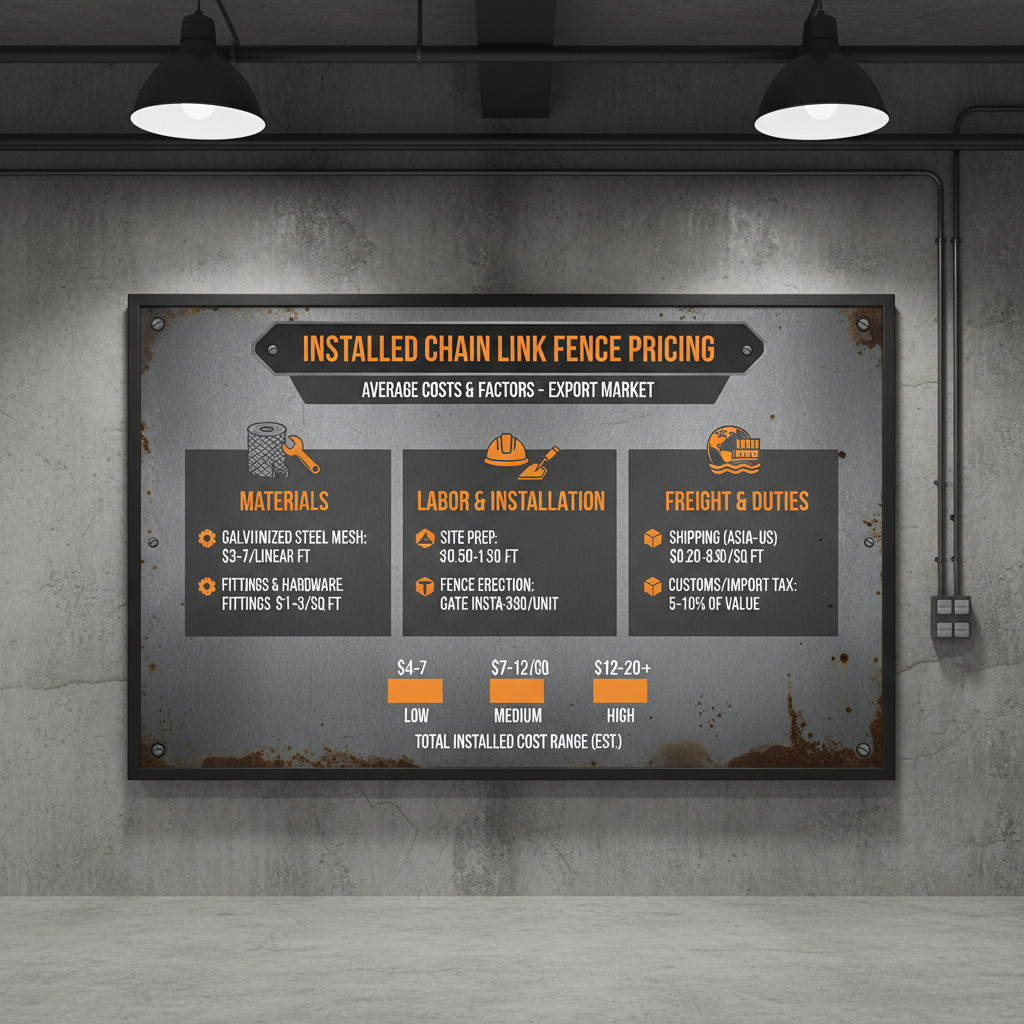
Average Installed Cost: A Regional Comparison
Here's a general overview of average installed costs per linear foot, broken down by region. These figures are estimates and can vary:
Additional Costs to Consider
Beyond materials and labor, anticipate additional costs such as permit fees (required by some municipalities), site preparation (clearing vegetation, leveling ground), and potential upgrades like gate automation. Consider the cost of disposal for any removed fencing. Don’t forget to factor in potential shipping costs for materials, especially if ordering from a supplier further away. Getting a detailed quote from a contractor will help itemize all these expenses.
Conclusion: Accurate Budgeting for Your Chain Link Fence
Understanding the factors influencing the price of chain link fence installed allows you to budget effectively and choose the right fencing solution for your needs. Remember to obtain multiple quotes, carefully review the details, and factor in all potential costs. For high-quality chain link fencing materials and expert advice, visit Fencing Wire Mesh today.
Frequently Asked Questions (FAQs)
What is the typical lifespan of a chain link fence?
With proper installation and maintenance, a chain link fence can last for 20-30 years, or even longer. The lifespan depends on the quality of the materials used, the climate, and how well the fence is maintained. Galvanized steel chain link is more durable than uncoated steel and will resist rust longer. Regular inspections and minor repairs (such as tightening tension bands or replacing damaged sections) can significantly extend the fence’s life.
How does the height of the fence affect the price?
The height of the chain link fence directly impacts the price. Taller fences require more materials (fabric, posts, rails) and generally more labor to install. Each additional foot in height increases both the material and labor costs proportionally. For example, a 6-foot fence will typically be more expensive than a 4-foot fence of the same length.
Are there different gauges of chain link fabric, and how do they impact the cost?
Yes, chain link fabric comes in various gauges (thicknesses), with lower gauge numbers indicating thicker, stronger fabric. Common gauges include 9, 11, and 12.5. Thicker gauges (like 9) are more expensive but offer greater durability and security. The gauge you choose depends on your security needs and budget. For residential fencing, a 12.5-gauge fabric may be sufficient, while commercial or high-security applications often require 9-gauge fabric.
What permits are typically required for chain link fence installation?
Permit requirements vary significantly depending on your location. Many municipalities require permits for fences exceeding a certain height (typically 6 feet) or located near property lines. It's your responsibility to check with your local building department to determine if a permit is needed before starting installation. Failing to obtain the necessary permits can result in fines and delays.