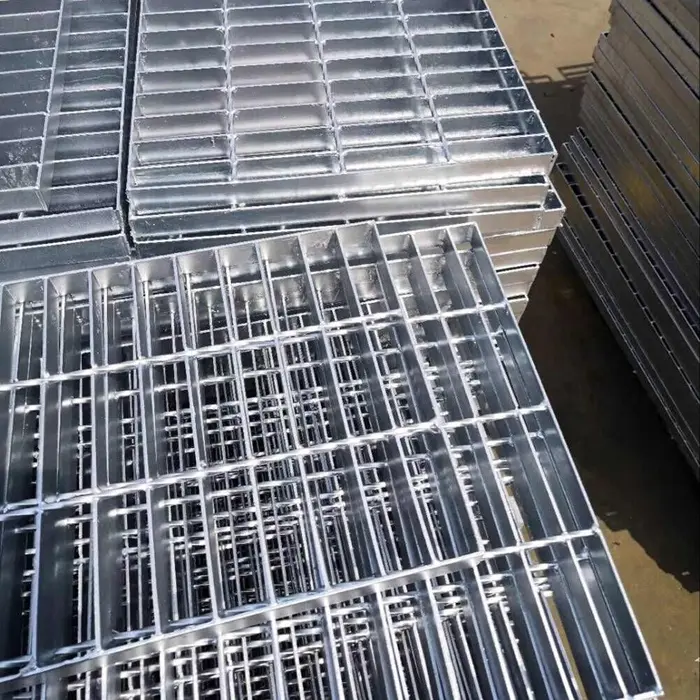

In the world of industrial safety and architectural design, the prevention of slips and falls is a critical engineering challenge. The solution often lies in the specialized manufacturing of the anti skid metal plate. These plates are not merely pieces of textured metal; they are precision-engineered safety components designed to provide high traction in environments where oil, water, mud, or ice are prevalent. The production of an anti skid metal sheet involves a series of sophisticated metallurgical and mechanical processes, ranging from material selection to high-speed perforation and finishing. Understanding this process is essential for engineers and facility managers who must specify the right material for stairs, walkways, and industrial platforms.
Material Selection and Preparation: Choosing the Right Anti Skid Metal Plate
The first and perhaps most vital step in the production process is the selection of the base alloy. Depending on the environment, manufacturers may choose carbon steel, stainless steel, or aluminum. The choice of material dictates the structural integrity and the corrosion resistance of the final anti skid metal plate.
Carbon Steel: Chosen for its high strength-to-weight ratio and cost-effectiveness. It is typically finished with hot-dip galvanization to prevent rust.
Stainless Steel: Preferred in food processing, pharmaceutical, and marine environments where hygiene and chemical resistance are paramount.
Aluminum: Known for being lightweight and naturally resistant to corrosion without the need for additional coatings.
Once the material is selected, it arrives at the facility in large coils or flat sheets. The metal must undergo a leveling process to ensure it is perfectly flat before it enters the perforation or embossing lines. Any slight curvature in the raw sheet could result in inconsistent "teeth" or holes during the forming stage, which would compromise the safety rating of the anti skid metal plate.
The Core Manufacturing Phase: Forming the Perforated Anti Skid Plate
The heart of the production process is the transformation of a smooth sheet into a high-traction surface. The most common method for creating high-performance safety flooring is the production of the perforated anti skid plate. This is achieved through a process known as CNC punching or rotary perforation.
In this stage, a heavy-duty press equipped with specialized dies punches a repeating pattern into the metal. For anti-skid applications, these dies do more than just cut holes; they often "extrude" the edges of the metal upward. This creates a raised, serrated edge around each perforation.
The geometry of these perforations is diverse. Common designs include:
Diamond Patterns: Featuring aggressive, raised "teeth" that provide multi-directional traction.
Round Hole Patterns: Often used for anti skid plate for steps, where a balance between grip and comfort for foot traffic is required.
O-Grip / Star-Grip: Featuring smaller, raised dimples that provide a "velcro-like" effect on work boots.
The precision of this stage is critical. If the raised edges are too sharp, they may damage footwear; if they are too dull, they will fail to provide traction when covered in oil. The "open area" of the perforated anti skid plate is also carefully calculated to allow fluids and small debris to fall through, ensuring the contact points remain clear and effective.
Specialized Engineering: Customizing the Anti Skid Plate for Steps
One of the most frequent applications for these materials is in the construction of staircases. Creating an anti skid plate for steps involves additional fabrication steps beyond simple perforation. Stair treads must be able to support significant weight across a span without bowing, and they require a specific leading edge—known as the "nosing"—to prevent slips at the most dangerous point of the step.
To produce a stair tread, the perforated sheet is moved to a hydraulic press brake. Here, the edges of the plate are bent at 90-degree angles to create "channels." These channels act as structural beams, providing the rigidity necessary for the tread to handle the dynamic load of a person climbing or descending.
The nosing of the anti skid plate for steps is often given an even more aggressive texture or a distinct color coating. In many industrial designs, the leading edge is reinforced with a specialized "glow-in-the-dark" strip or a high-visibility yellow powder coating to ensure safety in low-light conditions. The result is a modular component that is ready to be bolted or welded into a larger stair stringer system.
Finishing and Quality Control: Ensuring Longevity of the Anti Skid Metal Sheet
After the holes are punched and the edges are bent, the anti skid metal sheet must undergo finishing processes to ensure it can survive its intended environment. For carbon steel products, this almost always involves hot-dip galvanization. The plates are submerged in molten zinc, which creates a metallurgical bond that protects the steel from oxidation.
For an aluminum anti skid plate, finishing might involve anodizing or simply "pickling" to remove any oils from the manufacturing process. Stainless steel plates are often passivated—a chemical process that removes free iron from the surface and enhances the naturally occurring protective oxide layer.
Quality control is the final gate. Technicians use specialized friction-testing equipment to measure the "Coefficient of Friction" (CoF) of the plate. To be certified for industrial use, the anti skid metal sheet must meet specific standards (such as OSHA or international R-ratings for slip resistance). This ensures that the product will perform as advertised, even in the harshest conditions.
Anti Skid Metal Sheet: The Impact of Precision Manufacturing on Safety
The production of metal anti-skid plates is a testament to the marriage of mechanical engineering and safety science. From the initial selection of the alloy to the precise forming of the perforated anti skid plate, every step is designed to minimize risk. Whether it is an anti skid metal sheet used for a massive industrial mezzanine or a specialized anti skid plate for steps in a public transit station, these products provide a foundation of stability. As manufacturing technology continues to advance—incorporating laser cutting and robotic bending—the metal anti-skid plate will continue to evolve, offering even higher levels of protection for workers and the public alike.