
What are Noise Barriers and Why are They Important?
In today’s increasingly noisy world, the need for effective noise barriers is more critical than ever. Whether it's the constant hum of traffic, industrial machinery, or bustling urban environments, excessive noise pollution can have significant negative impacts on health, well-being, and quality of life. This article will explore what noise barriers are, how they work, the different types available, and their crucial role in mitigating noise pollution. Understanding noise barriers is key to creating quieter and more peaceful surroundings for communities and individuals alike.
Understanding the Fundamentals of Noise Barriers
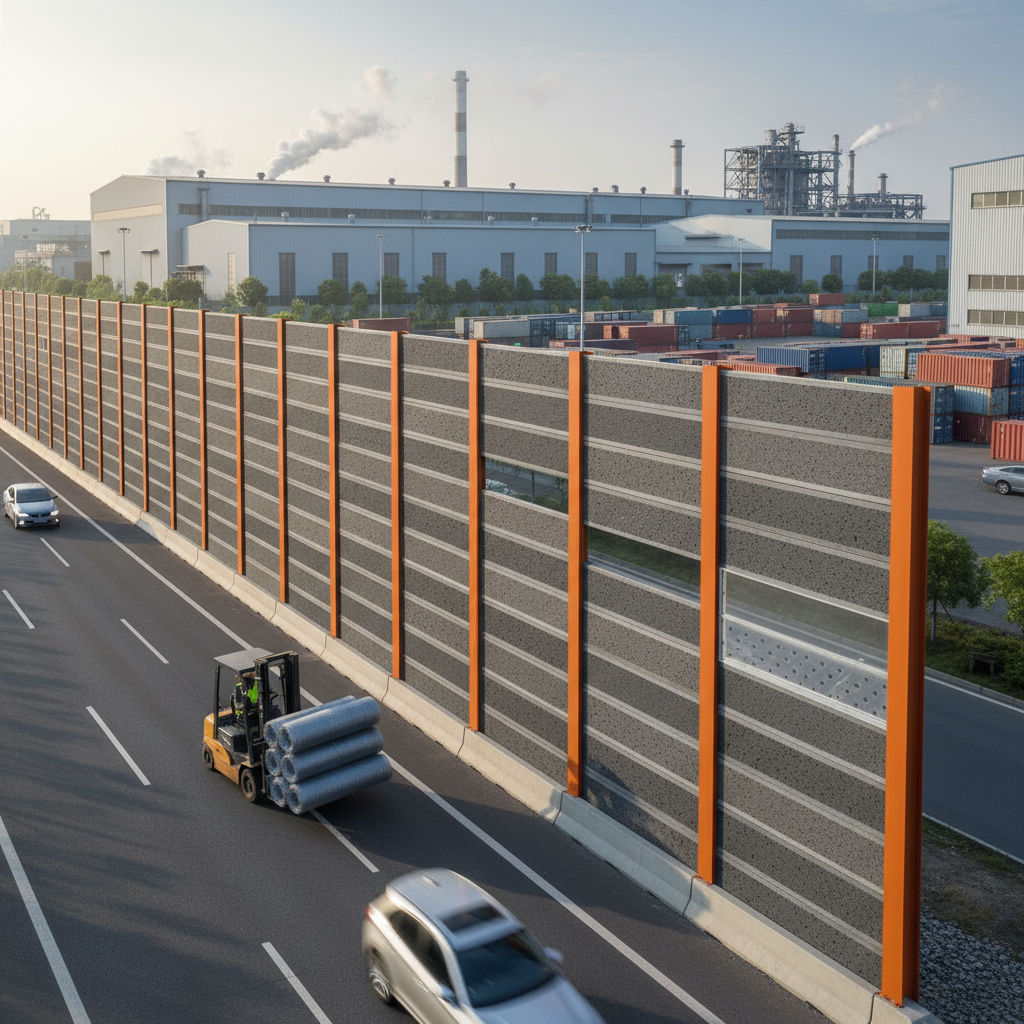
Noise barriers, also known as sound barriers, are structures designed to reduce noise pollution by interrupting the direct path of sound waves. They work primarily through three mechanisms: absorption, reflection, and diffraction. Absorption occurs when the material of the barrier converts sound energy into heat. Reflection bounces the sound waves back towards the source. Diffraction causes the sound waves to bend around the barrier, though the barrier’s height minimizes this effect. The effectiveness of a noise barrier depends on factors like its height, length, material, and the distance between the source and the receiver. These barriers are commonly used along highways, railways, and around industrial facilities.
Key Takeaway: Noise barriers don’t eliminate sound entirely, but they significantly reduce its intensity, improving the acoustic environment.
Different Types of Noise Barriers
There's a variety of noise barrier options, each suited to different applications and budgets. Common types include:
- Concrete Barriers: Durable and effective, often used along highways.
- Earth Berms: Natural and aesthetically pleasing, built using compacted earth.
- Wood Fences: A more cost-effective option, but may require more maintenance.
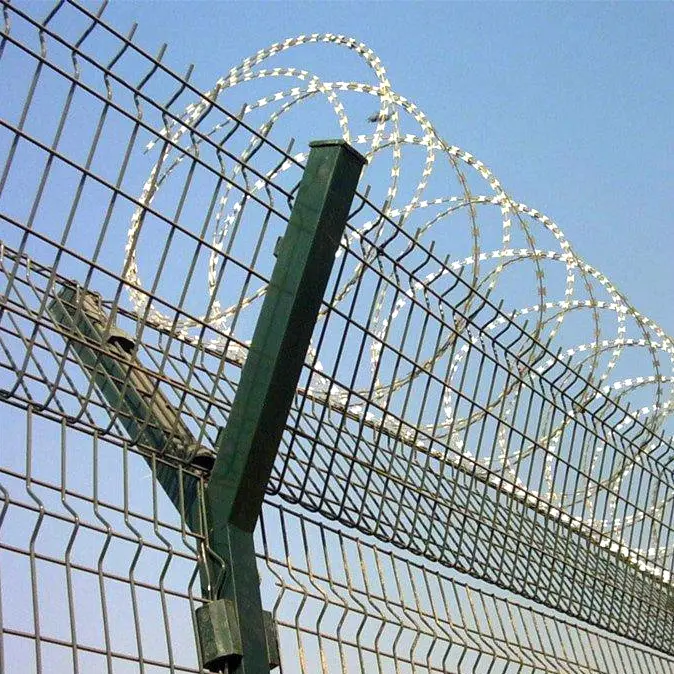
- Metal Barriers: Often constructed with perforated metal sheets filled with sound-absorbing materials.
- Acrylic Barriers: Transparent barriers that offer visibility while reducing noise.
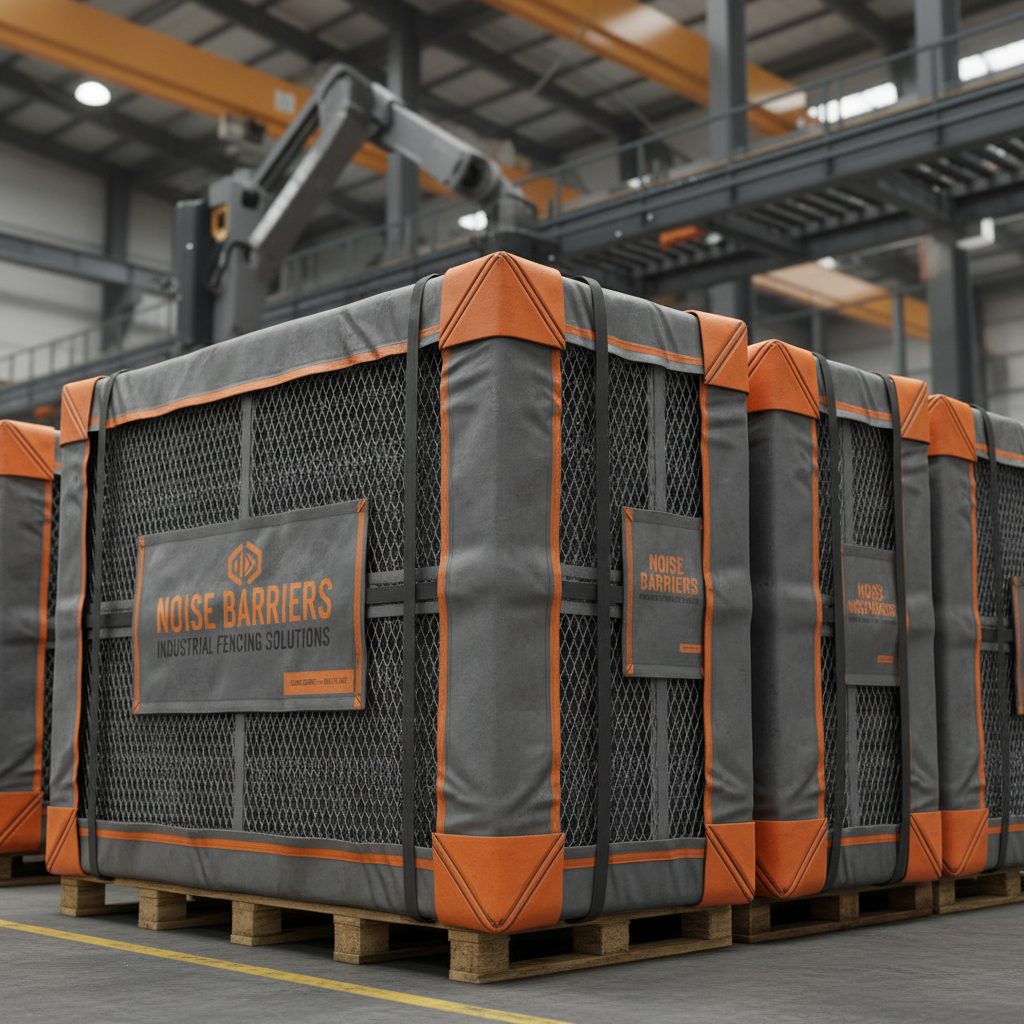
The choice of material depends on factors like the level of noise reduction required, aesthetic preferences, environmental concerns, and cost considerations. Fencing Wire Mesh specializes in metal noise barriers offering a blend of efficiency and cost-effectiveness.
Factors Influencing Noise Barrier Effectiveness
Several factors determine how well a noise barrier performs. Height is crucial; taller barriers provide more shadow and reduce sound diffraction. Length also matters – the barrier must extend beyond the area needing protection. Material Density affects the barrier's ability to block sound; denser materials are more effective. Distance from Source & Receiver impacts the overall reduction; closer proximity to the source or receiver improves performance. Finally, Ground Conditions can affect sound transmission, especially with earth berms. Addressing these factors during planning is crucial for optimal noise mitigation.
Key Factors for Optimal Performance:
• Height of the Barrier
• Length of the Barrier
• Material Density
• Distance from Noise Source
Noise Barrier Materials: A Comparative Analysis
Choosing the right material is vital for effective noise reduction. Here’s a comparison of common materials:
Applications of Noise Barriers
Noise barriers find wide applications in various settings, including:
- Highways & Roadways: Protecting residential areas from traffic noise.
- Railways: Minimizing noise impact on nearby communities.
- Industrial Facilities: Reducing noise pollution from machinery and operations.
- Commercial Buildings: Creating quieter environments around businesses.
- Residential Areas: Enhancing the quality of life in densely populated neighborhoods.
Effective implementation of noise barriers contributes significantly to creating quieter and healthier environments for everyone. Contact us today to learn more about our noise barrier solutions.
Conclusion: Investing in a Quieter Future
Noise barriers are an essential tool for mitigating noise pollution and creating more peaceful environments. From highways to industrial sites, these structures play a critical role in protecting public health and improving quality of life. By understanding the different types of barriers, factors influencing their effectiveness, and their wide-ranging applications, we can work towards a quieter and more sustainable future.
Frequently Asked Questions (FAQs)
What is the typical lifespan of a noise barrier?
The lifespan of a noise barrier varies depending on the material used and the environmental conditions. Concrete barriers can last for 30 years or more with minimal maintenance. Wood barriers typically have a lifespan of 10-20 years, requiring regular staining or sealing. Metal barriers, particularly those with corrosion-resistant coatings, can also last for several decades. Earth berms, if properly maintained, can have an indefinite lifespan. Regular inspections are crucial to identify and address any damage or deterioration.
How tall should a noise barrier be to be effective?
The required height of a noise barrier depends on several factors, including the distance between the noise source and the receiver, the height of the noise source, and the desired level of noise reduction. As a general rule, the barrier should be tall enough to break the line of sight between the source and the receiver. Typically, barriers ranging from 1.5 to 3 meters (5 to 10 feet) high are used, but higher barriers may be necessary in certain situations. A professional noise assessment is recommended to determine the optimal height for a specific location.
Can noise barriers be aesthetically pleasing?
Absolutely. While traditionally noise barriers were often utilitarian in appearance, modern designs incorporate aesthetic considerations. Earth berms can be landscaped with vegetation, and barriers can be constructed with decorative materials like textured concrete, wood cladding, or colorful metal panels. Transparent acrylic barriers offer visibility while reducing noise. Careful planning and design can ensure that a noise barrier effectively mitigates noise pollution while blending seamlessly with its surroundings.