
What Type of Barrier is Noise? Understanding Sound Control Solutions
Noise pollution is a pervasive issue in modern life, impacting health, productivity, and overall well-being. Effective noise control relies on understanding the different types of barriers available. These barriers aren't always physical walls; they encompass a range of strategies and materials designed to reduce sound transmission. At Fencing Wire Mesh, we specialize in providing materials used in the construction of effective sound barriers, and this article will delve into the various types of barriers used to combat noise. From understanding sound transmission to exploring specific barrier technologies, we'll provide a comprehensive overview of noise reduction solutions.
Understanding Sound Transmission: The Foundation of Noise Barriers
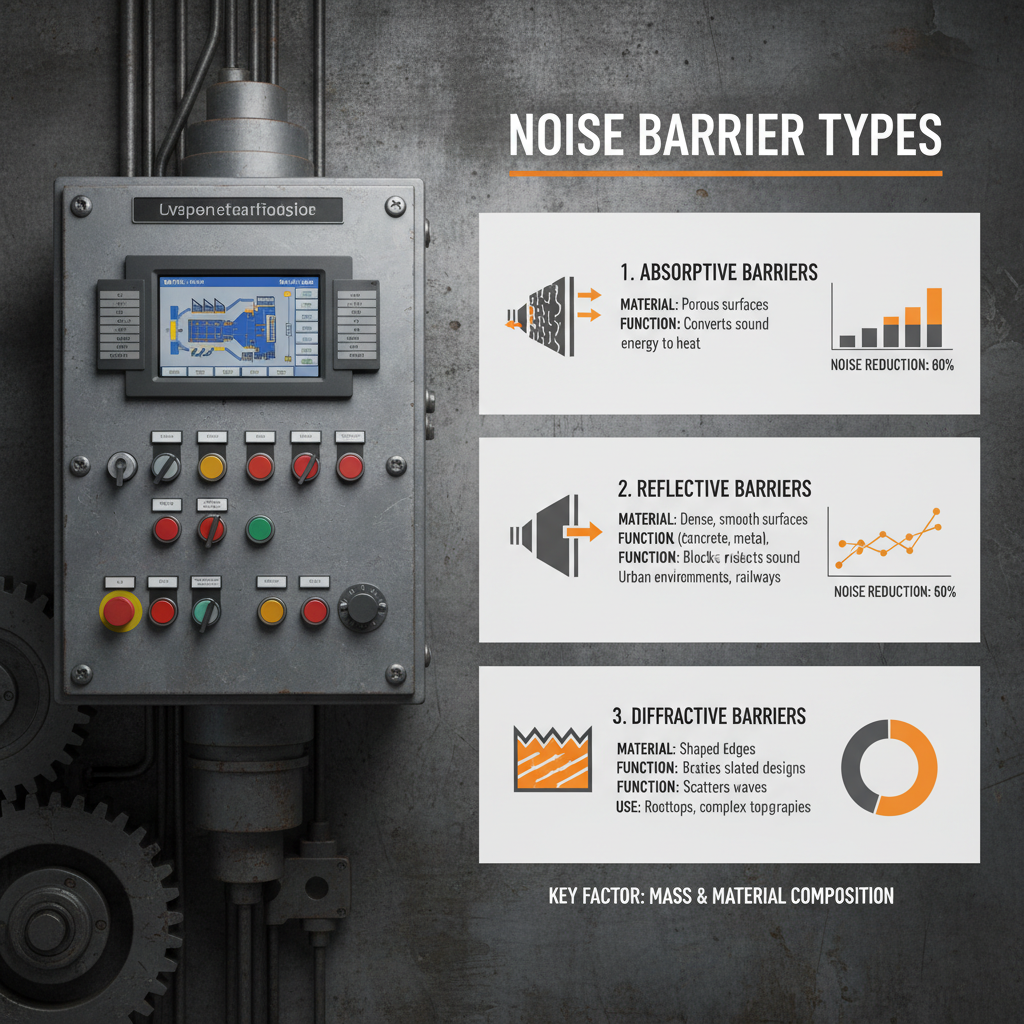
Before we explore the types of barriers, it’s vital to understand how sound travels. Sound waves propagate through mediums (air, water, solids) as vibrations. These vibrations can be reduced by interrupting the path of the sound wave. The effectiveness of a barrier depends on its mass, density, and ability to absorb or deflect sound energy. Different frequencies require different barrier properties; low frequencies are harder to block than high frequencies due to their longer wavelengths. Barriers work on the principles of reflection, absorption, and diffraction. Reflection bounces sound back towards the source, absorption converts sound energy into heat, and diffraction bends sound waves around the barrier.
Key Takeaway: The most effective noise barriers address multiple sound transmission mechanisms – reflection, absorption, and diffraction – for broad-spectrum noise reduction.
Physical Barriers: Walls, Berms, and Fences
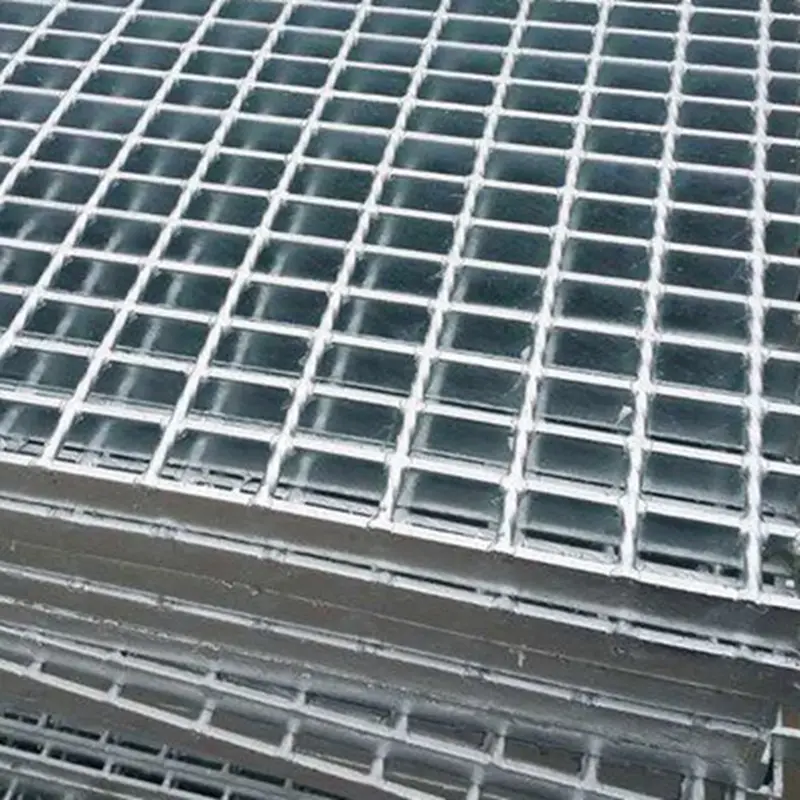
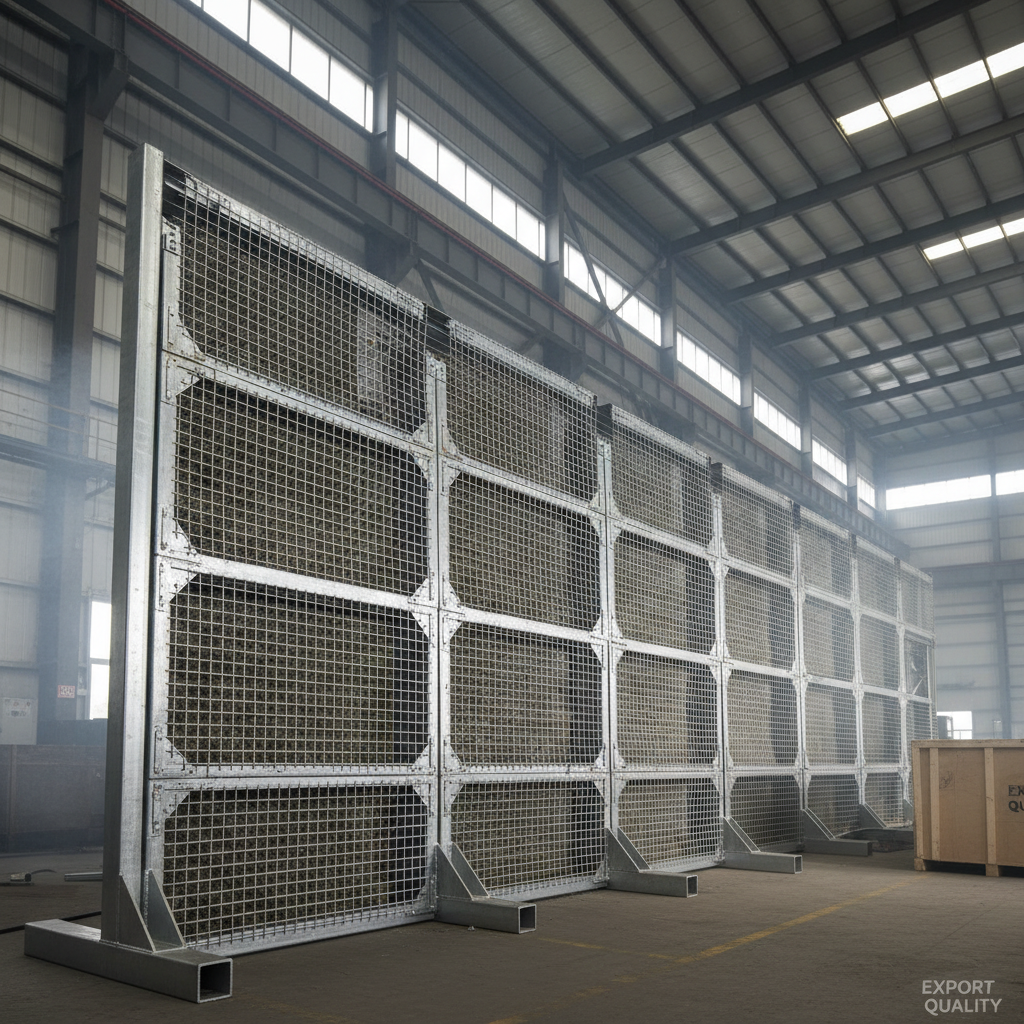
These are the most common and visually apparent types of noise barriers. Walls constructed from materials like concrete, brick, or masonry provide significant sound reduction due to their high mass and density. Earthen berms (mounds of earth) offer a natural and often cost-effective solution, particularly when integrated into landscaping. Noise barrier fencing, often utilizing wire mesh panels filled with sound-absorbing materials, represents a lighter-weight and more versatile option. The height and length of the barrier directly influence its effectiveness.
Physical Barrier Considerations:
• Material Density: Higher density = better sound reduction.
• Height & Length: Increased height & length offer greater coverage.
• Acoustic Treatment: Adding sound-absorbing materials enhances performance.
• Site-Specific Design: Barriers need to be tailored to the noise source and surrounding environment.
What Type of Barrier is Noise? Absorption Barriers & Acoustic Panels
While physical barriers reflect sound, absorption barriers reduce sound by converting sound energy into heat. These typically consist of porous materials like fiberglass, mineral wool, or open-cell foam. Acoustic panels are commonly used indoors – in studios, offices, and concert halls – to control reverberation and reduce noise levels. Outdoors, absorption materials are often integrated into fencing systems or applied to the surface of walls to enhance their sound-reducing properties. The effectiveness of absorption barriers is frequency-dependent; they are generally more effective at absorbing higher frequencies.
Active Noise Control: A Technological Approach
Unlike passive barriers, active noise control (ANC) uses technology to reduce noise. ANC systems employ microphones to detect ambient noise and then generate "anti-noise" – sound waves that are 180 degrees out of phase with the original noise. When these waves combine, they cancel each other out. ANC is commonly used in headphones and earplugs, but larger systems can be deployed in industrial settings or vehicles. While effective, ANC systems require power and careful calibration.
Choosing the Right Noise Barrier: A Holistic Approach
Selecting the appropriate noise barrier depends on various factors, including the noise source, frequency spectrum, distance to receptors, budget, and aesthetic considerations. Often, a combination of techniques is most effective. For example, a physical barrier combined with sound-absorbing materials can provide superior noise reduction. At Fencing Wire Mesh, we can help you assess your specific needs and recommend the optimal solution for your noise control challenge.
Conclusion: Creating a Quieter Environment
Understanding the different types of noise barriers is crucial for effective sound control. From physical barriers to active noise cancellation, a variety of solutions are available. By carefully assessing your needs and considering the principles of sound transmission, you can create a quieter and more comfortable environment. Contact Fencing Wire Mesh today to discuss your noise barrier requirements.
Frequently Asked Questions (FAQs)
What is the difference between soundproofing and sound absorption?
Soundproofing aims to prevent sound from entering or leaving a space, typically using dense materials to block sound transmission. Think of it as creating a sound-tight seal. Sound absorption, on the other hand, aims to reduce the reverberation and echo within a space, using porous materials to absorb sound energy. Soundproofing focuses on blocking sound; sound absorption focuses on improving sound quality within a room. A comprehensive noise control strategy often incorporates both techniques.
How effective are wire mesh noise barriers?
Wire mesh noise barriers are surprisingly effective, especially when combined with sound-absorbing materials like mineral wool or fiberglass infill. The wire mesh provides structural support, while the infill material absorbs sound energy. Their effectiveness depends on the mesh density, the thickness and type of infill, and the height and length of the barrier. They're a cost-effective and versatile solution for mitigating noise pollution along highways, industrial sites, and residential areas.
What factors affect the performance of a noise barrier?
Several factors influence a noise barrier's performance, including its height, length, mass, density, and the materials used. Gaps or openings in the barrier significantly reduce its effectiveness. The distance between the noise source, the barrier, and the receiver also plays a crucial role. Finally, the frequency of the noise – lower frequencies are harder to block – and the surrounding environment (e.g., reflective surfaces) can all impact performance.
Are there any legal requirements for noise barriers?
Yes, many jurisdictions have regulations regarding noise levels and may require noise barriers in certain situations, particularly for construction projects, industrial facilities, and transportation infrastructure. These regulations often specify noise level limits and may dictate the type and height of barriers required. It's essential to consult local noise ordinances and building codes to ensure compliance.