
Understanding Windbreak Fencing Mesh: A Comprehensive Guide
Windbreak fencing mesh is a crucial element in protecting crops, livestock, and property from harsh weather conditions. Offering a balance between wind reduction and air permeability, it's a versatile solution for agricultural and industrial applications. This article provides a detailed overview of windbreak fencing mesh, its benefits, types, applications, and how to choose the right mesh for your needs. Proper windbreak installation can significantly reduce wind erosion, improve crop yields, and enhance overall environmental sustainability.
The Benefits of Using Windbreak Fencing Mesh
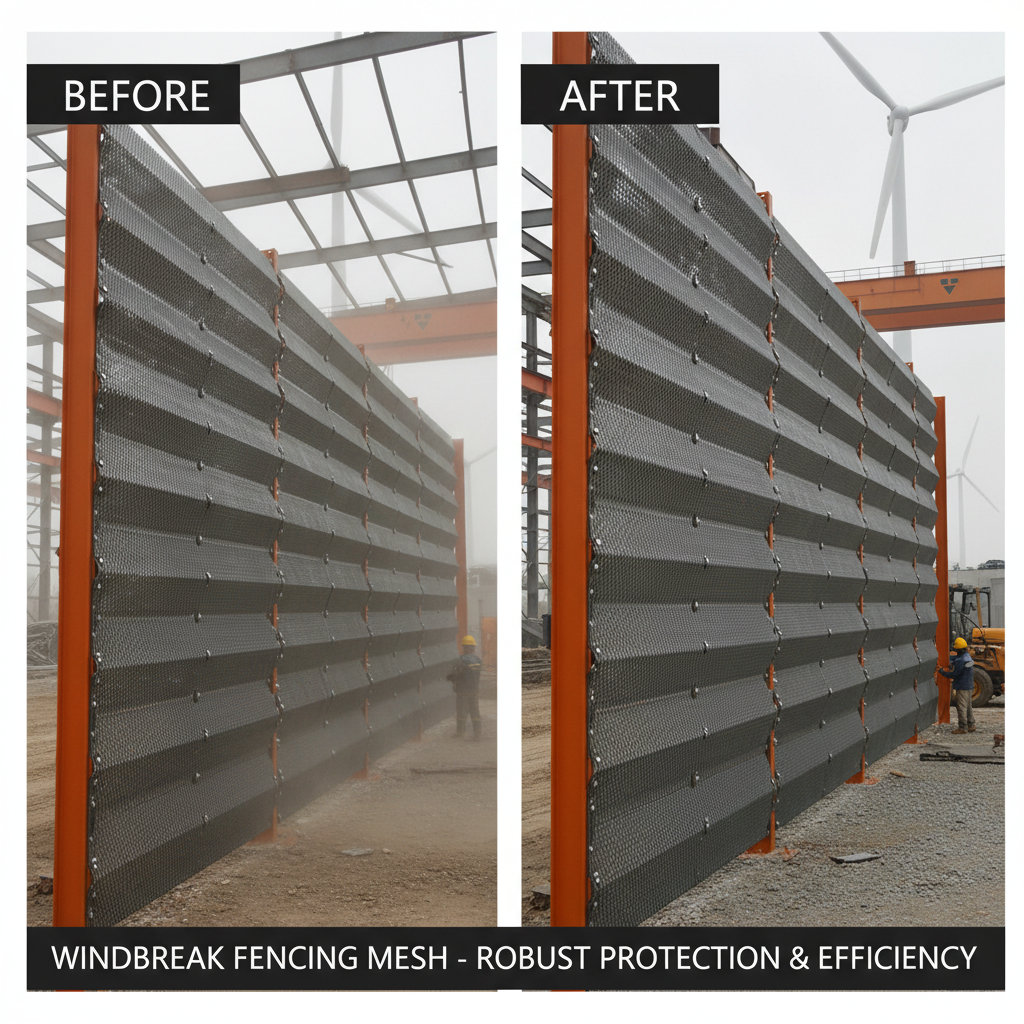
Implementing a windbreak fencing mesh system offers a multitude of advantages. Firstly, it reduces wind speed, minimizing damage to crops and preventing soil erosion. This is particularly vital in exposed agricultural areas. Secondly, the mesh allows a degree of airflow, preventing the build-up of stagnant air and reducing humidity. This contributes to healthier plant growth and reduces the risk of fungal diseases. Furthermore, windbreaks provide shelter for livestock, improving their comfort and well-being, and can also reduce energy costs by shielding buildings from the wind. By strategically utilizing windbreak mesh, you’re investing in long-term sustainability and efficiency.
Key Benefits: Reduces wind speed, minimizes soil erosion, allows airflow, improves crop health, provides livestock shelter, reduces energy costs.
Types of Windbreak Fencing Mesh
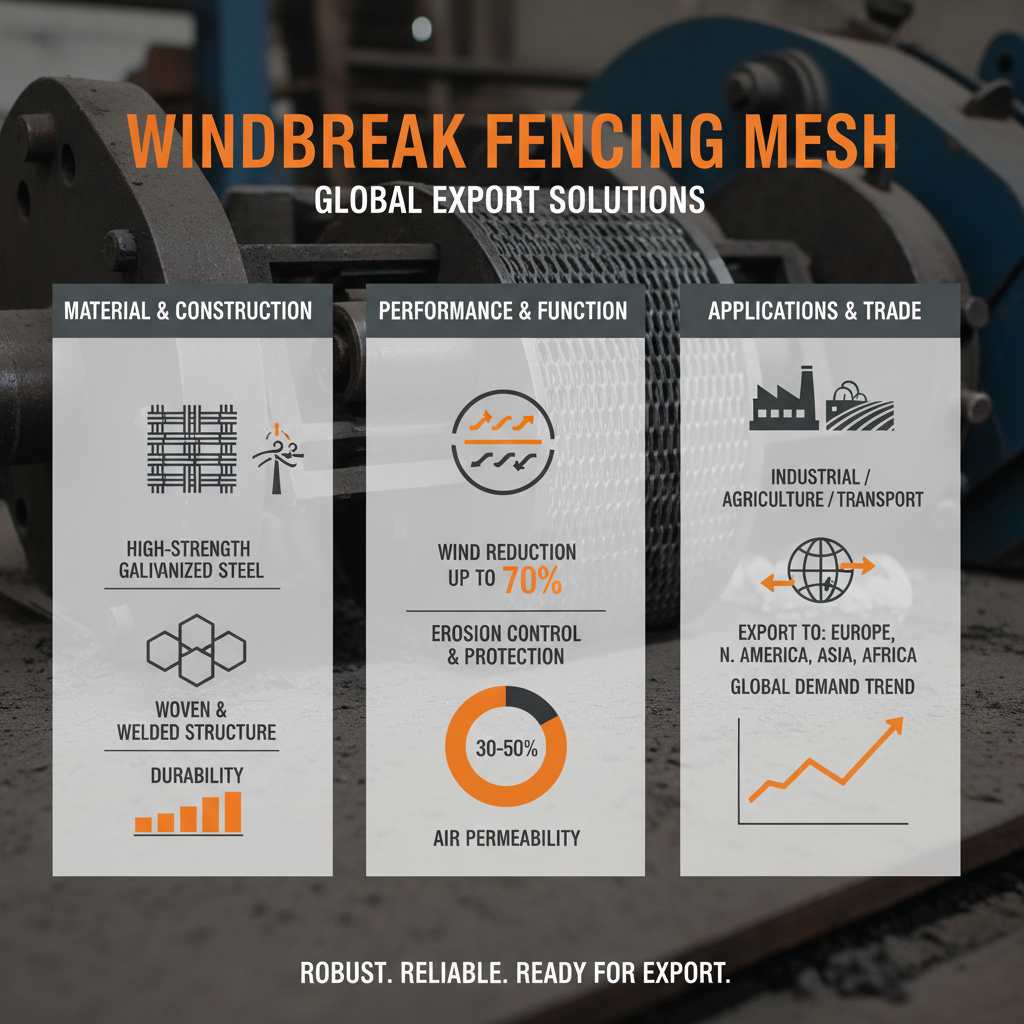
Windbreak fencing mesh comes in several variations, each tailored to specific applications. Knitted mesh is a popular choice due to its flexibility and affordability. Woven mesh offers greater strength and durability, ideal for areas with high wind loads. Plastic mesh is lightweight and resistant to weathering, while metal mesh provides the highest level of durability but can be more expensive. The density of the mesh also varies, influencing the level of wind reduction. A denser mesh provides greater protection but reduces airflow, while a more open mesh allows for better ventilation. Choosing the appropriate mesh type is crucial for maximizing its effectiveness.
Mesh Type Comparison:
• Knitted Mesh: Flexible, affordable, good for light winds.
• Woven Mesh: Strong, durable, suitable for high winds.
• Plastic Mesh: Lightweight, weather-resistant, cost-effective.
• Metal Mesh: Highest durability, longest lifespan, most expensive.
Choosing the Right Windbreak Fencing Mesh for Your Application
Selecting the correct windbreak fencing mesh depends on several factors, including the prevailing wind conditions, the type of crops or livestock you're protecting, and your budget. Areas with consistently high winds require a more durable woven or metal mesh. For less exposed locations, knitted or plastic mesh may suffice. The height and length of the windbreak also play a role – taller and longer barriers provide greater protection but are more expensive to install. Consider the porosity of the mesh – a balance between wind reduction and airflow is essential for maintaining plant health. Understanding these factors ensures you choose the most effective and cost-efficient solution for your specific needs.
Applications of Windbreak Fencing Mesh
The applications of windbreak fencing mesh are diverse. In agriculture, it’s used to protect orchards, vineyards, and row crops from wind damage and erosion. It’s also utilized in livestock farming to create sheltered grazing areas. Beyond agriculture, windbreak mesh can be employed to protect construction sites from dust and debris, control sand drift in coastal areas, and even provide privacy screening. The versatility and cost-effectiveness of this material make it a valuable asset in a wide range of industries. You can explore our variety of applications through our product catalog.
Installation and Maintenance Tips
Proper installation is crucial for maximizing the effectiveness of your windbreak fencing mesh. Ensure posts are securely anchored in the ground and spaced appropriately based on the mesh type and wind load. Use appropriate tensioning techniques to prevent sagging and ensure the mesh remains taut. Regularly inspect the mesh for damage, such as tears or breaks, and repair them promptly. Remove any debris that accumulates on the mesh to maintain airflow and prevent excessive weight. With proper installation and maintenance, your windbreak fencing mesh will provide years of reliable protection.
Conclusion: Investing in Windbreak Protection
Investing in windbreak fencing mesh is a proactive step towards protecting your crops, livestock, and property. By understanding the different types of mesh available and choosing the right solution for your specific needs, you can create a durable and effective windbreak system that delivers long-term benefits. Don’t let harsh winds compromise your investments – choose quality windbreak fencing mesh.
Frequently Asked Questions (FAQs)
What is the optimal height for a windbreak fence?
The optimal height of a windbreak fence depends on the area you need to protect and the prevailing wind direction. Generally, a height equal to at least four times the height of the objects you're protecting is recommended. For example, if you're protecting a row of trees that are 6 feet tall, the windbreak should be at least 24 feet tall. However, taller windbreaks can create more turbulence, so it's important to consider the specific site conditions and adjust the height accordingly.
How far from the protected area should a windbreak be placed?
The distance between the windbreak and the protected area is critical. Too close, and the windbreak can create turbulence, negating its benefits. Too far, and the wind speed reduction will be minimal. A general rule of thumb is to place the windbreak at a distance of 2-5 times its height. For instance, a 10-foot-tall windbreak should be positioned 20-50 feet from the area you want to protect. The specific distance will depend on the terrain and the surrounding environment.
What is the lifespan of windbreak fencing mesh?
The lifespan of windbreak fencing mesh varies depending on the material and environmental conditions. Plastic mesh typically lasts 5-10 years, while woven mesh can last 10-20 years or more. Metal mesh, if properly maintained, can have a lifespan of 20 years or longer. Regular inspection and prompt repair of any damage are essential for maximizing the lifespan of the mesh. Exposure to UV radiation and harsh weather conditions will shorten its lifespan. You can find long-lasting options at FencingWireMesh.com.