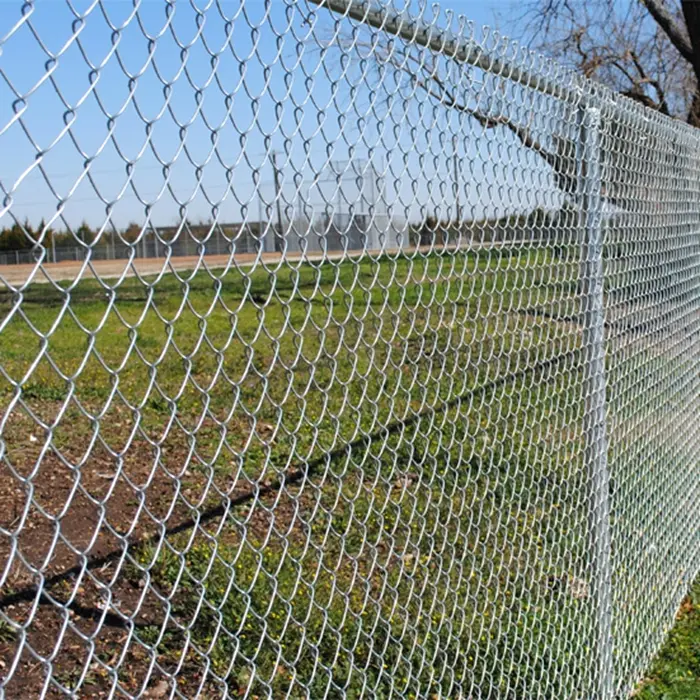

Understanding and Utilizing Absorptive Noise Barriers
In today’s increasingly noisy world, effective noise control is paramount for protecting health, improving productivity, and maintaining quality of life. Absorptive noise barriers are a crucial tool in mitigating noise pollution, offering a passive yet powerful solution. This article will explore the principles behind absorptive noise barriers, their applications, benefits, and considerations for implementation. Understanding these barriers is essential for anyone seeking to reduce noise levels in industrial, commercial, or residential settings. Investing in effective noise control translates to a safer and more comfortable environment for everyone involved.
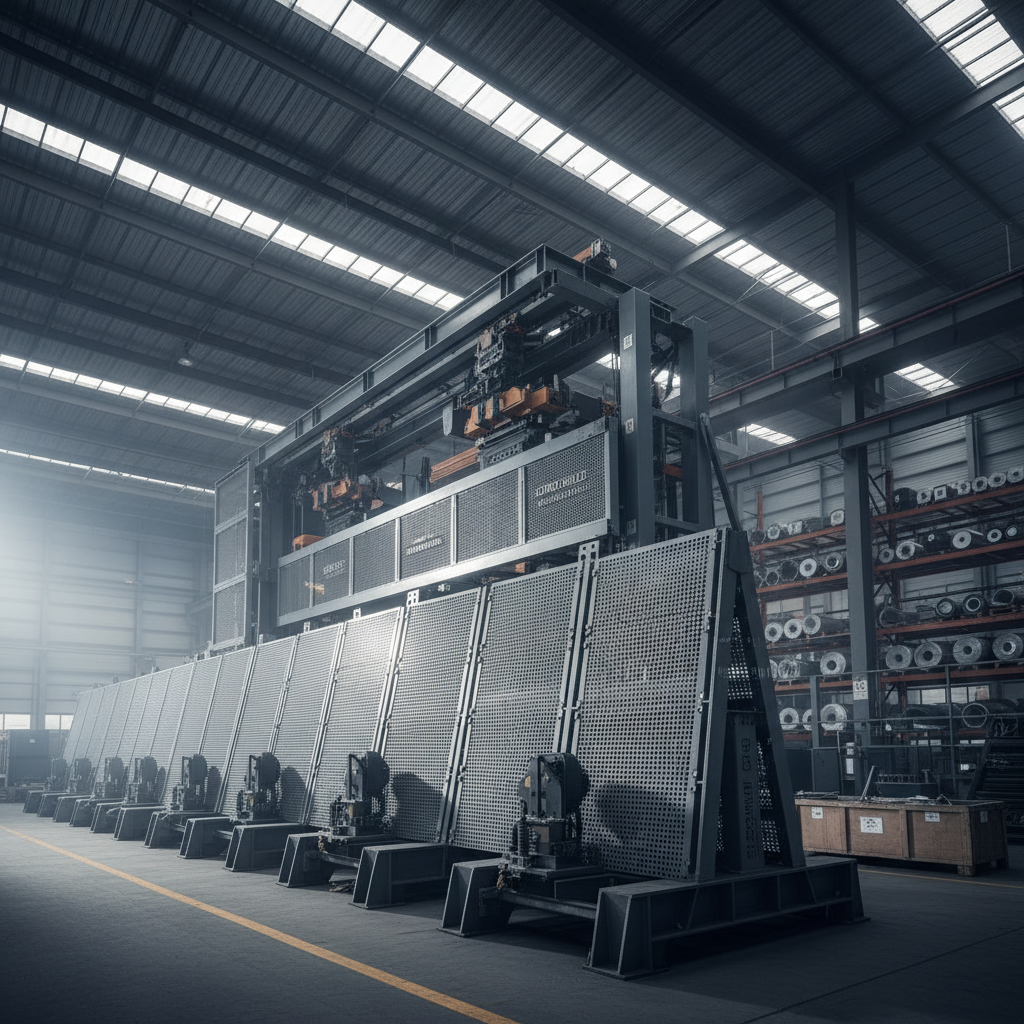
How Absorptive Noise Barriers Work
Unlike reflective barriers that bounce sound waves back, absorptive noise barriers work by converting sound energy into heat. They are typically constructed from porous materials like fiberglass, mineral wool, open-cell foams, and specialized textiles. When sound waves encounter the porous surface, the energy is dissipated as it travels through the material's air pockets. This reduces the amount of sound that is reflected or transmitted, resulting in a noticeable decrease in noise levels. The effectiveness of an absorptive barrier depends on factors like material density, thickness, and airflow resistance. These materials provide a more natural, less obtrusive approach to noise reduction compared to solid, reflective structures.
Key takeaway: Absorptive barriers absorb sound energy, converting it to heat, unlike reflective barriers which simply bounce sound back.
Applications of Absorptive Noise Barriers
The versatility of absorptive noise barriers allows for applications in diverse settings. They're commonly used along highways to protect nearby residential areas from traffic noise. Industrial facilities utilize them to reduce noise emanating from machinery and equipment. Construction sites benefit from barriers that minimize noise disturbances to surrounding communities. Even in commercial buildings, they can be employed to improve acoustics in offices, recording studios, or entertainment venues. Beyond these, applications include shooting ranges, power plants, and data centers. They’re particularly effective in situations where space is limited, as they don’t require a large reflective surface to function.
Common Applications:
• Highways & Roadways
• Industrial Facilities
• Construction Sites
• Commercial Buildings
Absorptive vs. Reflective Barriers: A Detailed Comparison
Choosing between absorptive and reflective noise barriers requires careful consideration of the specific noise control needs and environmental factors. Reflective barriers, often made of solid materials like concrete or metal, are effective at blocking direct sound paths, but they can also cause sound to be reflected in other directions, potentially creating noise hotspots. Absorptive barriers, as discussed, absorb sound energy, reducing overall noise levels without redirection. Here’s a more detailed breakdown:
Factors Affecting Absorptive Noise Barrier Performance
The effectiveness of an absorptive noise barrier isn’t solely determined by the material itself. Several factors play a crucial role. Barrier height and length are critical – a taller and longer barrier will generally provide greater noise reduction. The density of the absorbing material directly influences its sound absorption coefficient. Proper installation is also essential; gaps or inconsistencies can compromise performance. Finally, environmental conditions such as wind and humidity can affect the material’s properties over time. Regular inspection and maintenance are key to ensuring long-term effectiveness. Contacting a noise control specialist can help determine the optimal barrier design for your specific situation.
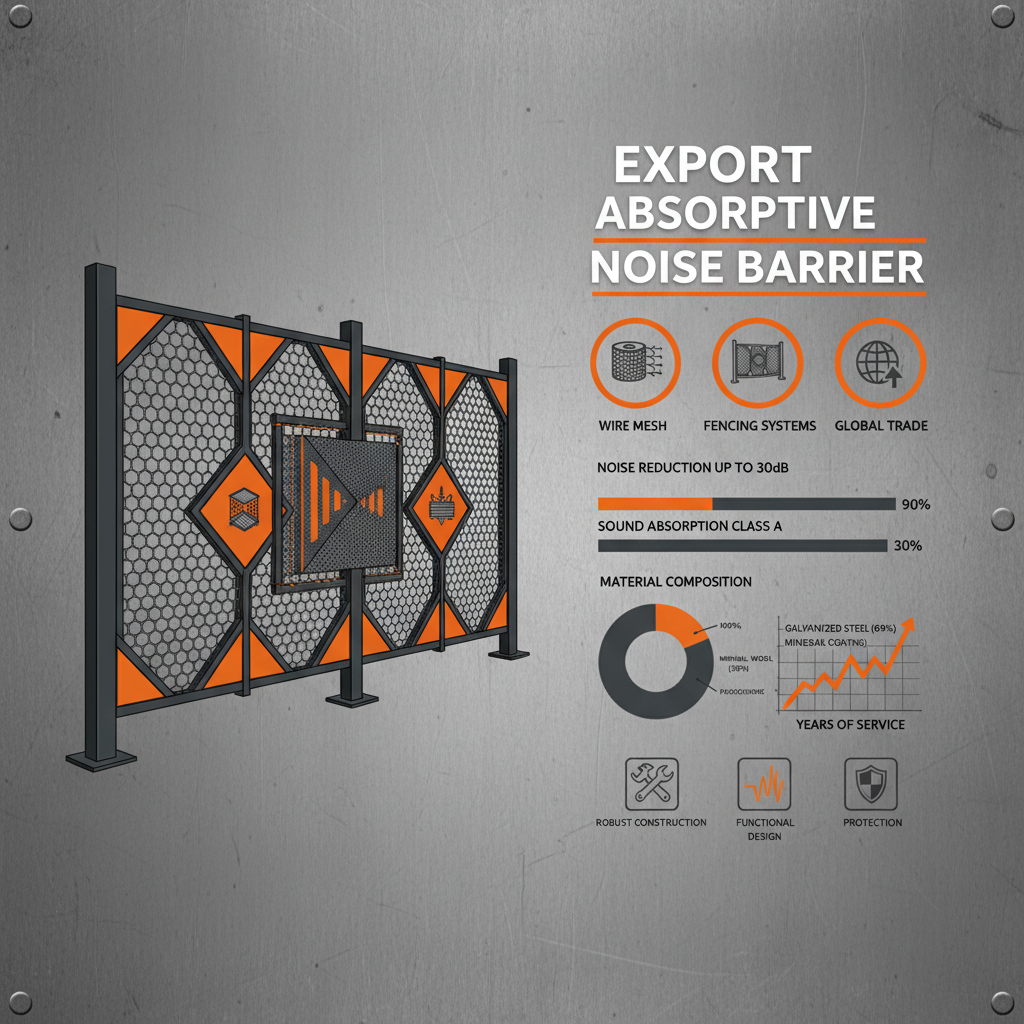
Selecting the Right Absorptive Noise Barrier Material
Choosing the appropriate material is a key factor when implementing an absorptive noise barrier. Common materials include fiberglass, mineral wool, and open-cell foams. Fiberglass offers excellent sound absorption and is relatively cost-effective. Mineral wool provides similar performance with added fire resistance. Open-cell foams are lightweight and easy to install, but may have a lower sound absorption coefficient than fiberglass or mineral wool. Material selection should also consider environmental factors, such as moisture resistance and UV stability. Additionally, the intended application and budget constraints will influence the choice. Fencing Wire Mesh offers a range of materials suited for various noise control applications.
Conclusion: Invest in a Quieter Future
Investing in absorptive noise barriers is a proactive step towards creating a healthier, more productive, and more comfortable environment. By understanding the principles of noise absorption and carefully selecting the right materials and installation techniques, you can significantly reduce noise pollution and improve the quality of life for those affected. Don't underestimate the power of sound control - it's an investment in well-being.
Frequently Asked Questions (FAQs)
What is the typical noise reduction achievable with an absorptive barrier?
The noise reduction achieved varies based on factors like barrier height, length, material, and the frequency of the noise source. Generally, a well-designed and installed absorptive barrier can reduce noise levels by 5-15 decibels. Higher barriers and denser materials will yield greater reductions. It’s crucial to conduct a noise assessment to determine the specific reduction achievable in your situation. Sound frequencies also play a role; lower frequencies are more challenging to absorb than higher frequencies, and require thicker, denser materials.
Are absorptive barriers affected by weather conditions?
Yes, weather conditions can influence the performance of absorptive barriers. Moisture absorption can reduce the material's sound absorption coefficient. Some materials are more susceptible to this than others. UV exposure can also degrade certain materials over time. Selecting weather-resistant materials and providing adequate protection, such as a waterproof covering, can mitigate these effects. Regular inspection and maintenance are essential to ensure optimal performance in all weather conditions.
What is the lifespan of an absorptive noise barrier?
The lifespan of an absorptive noise barrier depends on the material used and the environmental conditions it’s exposed to. Fiberglass and mineral wool barriers can last 10-20 years with proper maintenance. Open-cell foams typically have a shorter lifespan, around 5-10 years, as they are more susceptible to degradation. Regular inspection for damage, moisture buildup, or material deterioration is crucial. Replacement may be necessary if the material’s performance is significantly compromised.