
Cyclone Fence Repair: Maintaining Security and Value
A cyclone fence, also known as chain-link fencing, is a popular choice for residential, commercial, and industrial properties due to its affordability, durability, and security. However, even the most robust fences require maintenance and occasional cyclone fence repair. This article provides a comprehensive guide to identifying common fence issues, understanding repair options, and preventative measures to extend the life of your cyclone fence. Addressing repairs promptly can save you money in the long run and maintain the security of your property.
Common Cyclone Fence Issues and Their Causes
Several factors can contribute to damage and the need for cyclone fence repair. These include weather conditions (strong winds, heavy snow, and corrosion from rain and salt), physical impact (from vehicles, falling trees, or vandalism), and general wear and tear over time. Common issues include broken or stretched wire mesh, damaged posts, loose or rusted fittings, and gate malfunctions. Identifying the root cause is crucial for selecting the appropriate repair method. For example, rust indicates a need for corrosion protection during repair, while a broken post requires replacement rather than simple mending.
Key Considerations: Proper diagnosis is the first step. Examine the entire fence line to identify all areas needing attention. Consider the age of the fence and the extent of the damage when deciding on repair versus replacement.
DIY vs. Professional Cyclone Fence Repair
Depending on the extent of the damage, you may be able to handle some repairs yourself. Minor issues like tightening loose fittings or patching small holes in the mesh can be addressed with basic tools and materials. However, more significant problems, such as replacing posts or repairing large sections of damaged mesh, often require the expertise of a professional fencing contractor. Attempting complex repairs without the necessary skills and equipment could lead to further damage or safety hazards. Weigh the cost of materials and your time against the cost of professional service.
DIY vs. Professional:
• DIY: Suitable for minor repairs like tightening fittings or patching small holes.
• Professional: Recommended for major repairs like post replacement or extensive mesh damage.
• Safety: Professional repairs ensure safety and adherence to local regulations.
Repair Techniques for Common Cyclone Fence Issues
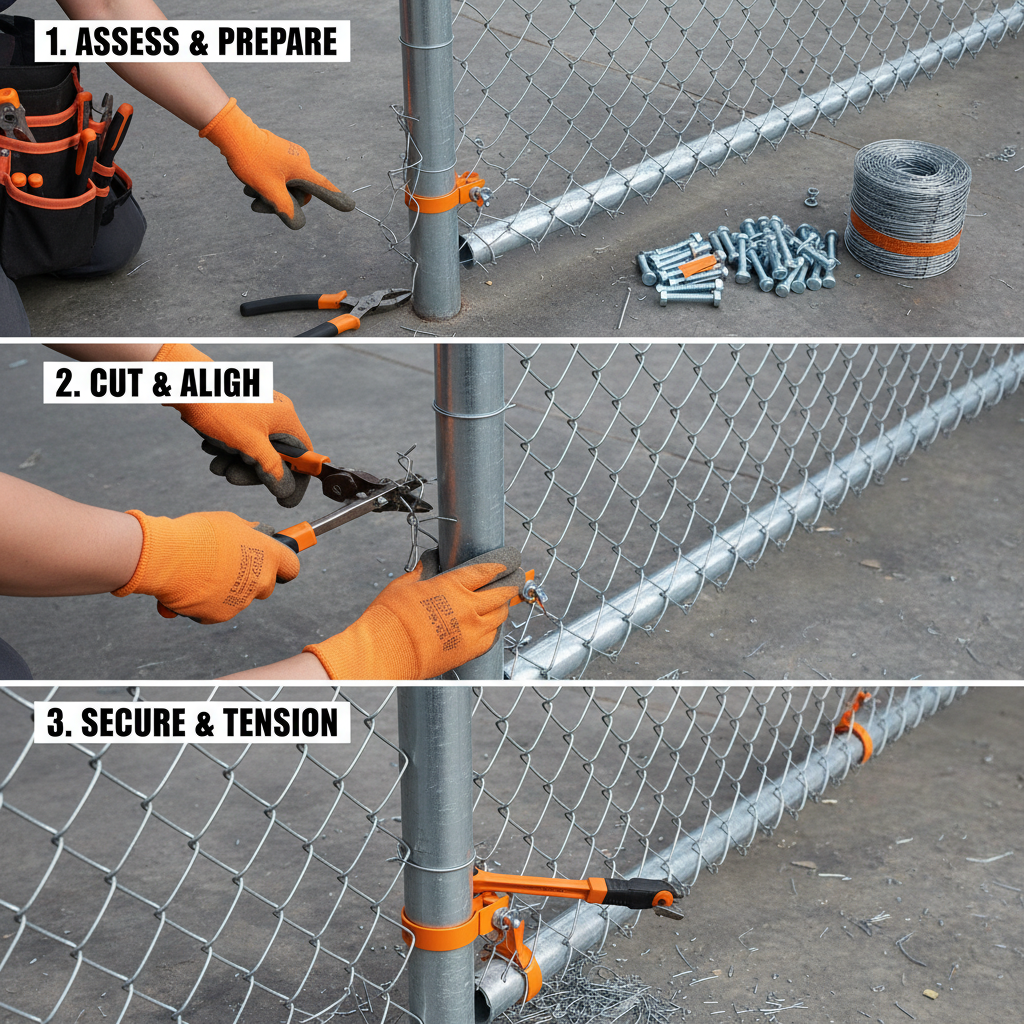
Here's a breakdown of common repair techniques: Broken Mesh: Small tears can be repaired with wire connectors or splicing techniques. Larger sections may require replacing a full panel of mesh. Damaged Posts: If a post is bent or broken, it typically needs to be replaced. This involves removing the old post, setting a new post in concrete, and reattaching the mesh. Loose Fittings: Tighten any loose bolts, nuts, or tension bands to restore the fence's stability. Corrosion: Remove rust with a wire brush and apply a rust-inhibiting primer and paint to protect the metal. Replacing rusted hardware is often the most effective solution.
Preventative Maintenance for a Long-Lasting Fence
Regular preventative maintenance can significantly extend the life of your cyclone fence and reduce the need for frequent cyclone fence repair. This includes periodic inspection for loose fittings and corrosion, cleaning the fence to remove dirt and debris, and applying a protective coating to prevent rust. Trimming vegetation that grows near the fence can also prevent damage and maintain its appearance. Consider a professional inspection every few years to identify potential problems before they escalate.
Finding Quality Cyclone Fence Supplies and Services
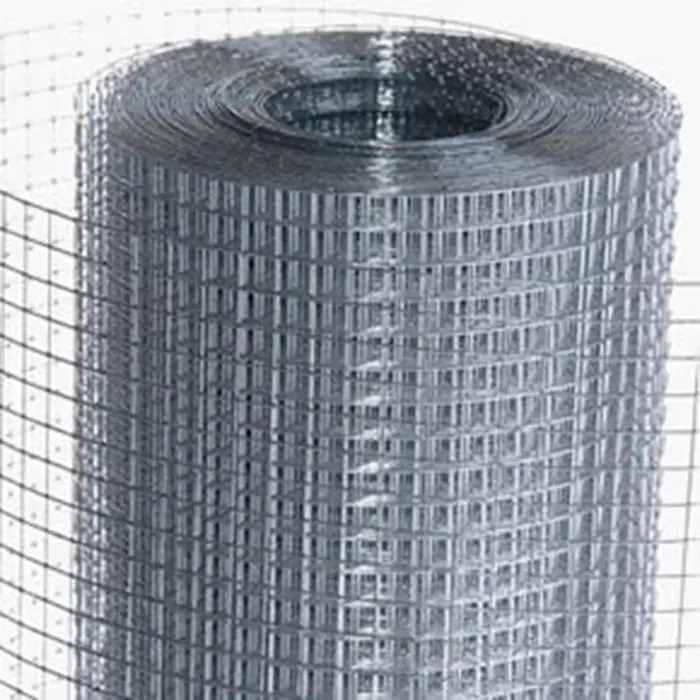
When it comes to cyclone fence repair and maintenance, using high-quality materials is essential. Fencing Wire Mesh offers a wide range of durable cyclone fence components, including wire mesh, posts, fittings, and gates. We also provide expert advice and support to help you choose the right materials for your specific needs. Don’t compromise on quality—invest in materials that will ensure the longevity and security of your fence.
Conclusion: Maintaining Your Cyclone Fence for Years to Come
Regular inspection, prompt repairs, and preventative maintenance are key to maximizing the lifespan of your cyclone fence. Whether you choose to tackle repairs yourself or hire a professional, using high-quality materials from a trusted supplier like Fencing Wire Mesh is crucial for ensuring lasting security and value.
Frequently Asked Questions (FAQs)
How often should I inspect my cyclone fence?
It's recommended to inspect your cyclone fence at least twice a year – once in the spring after winter and again in the fall before the weather turns harsh. During inspections, look for loose fittings, broken wires, rust, and any signs of damage. Pay close attention to posts and gate hinges. Addressing minor issues promptly can prevent them from escalating into more costly repairs. Also, visually check after any significant weather events such as strong storms or heavy snowfall.
What causes corrosion on a cyclone fence?
Corrosion on a cyclone fence is typically caused by exposure to moisture, salt, and other corrosive elements in the environment. Areas near the coast or where salt is used for de-icing are particularly susceptible. The galvanization on the wire mesh can wear away over time, exposing the underlying metal to rust. Regular cleaning and applying a protective coating can help prevent corrosion. Using high-quality, corrosion-resistant materials from the start, like those available at Fencing Wire Mesh, can also significantly reduce the risk.
Can I repair a bent cyclone fence post myself?
Attempting to straighten a bent cyclone fence post yourself can be risky and may further weaken the post, potentially leading to a complete failure. Unless the bend is very minor and you have the appropriate tools and experience, it’s best to replace the post. Replacing a post involves safely removing the old post, setting a new post in concrete, and reattaching the fence fabric. This is a job best left to professionals to ensure the fence’s structural integrity and safety.
What type of coating is best for preventing rust on a cyclone fence?
For preventing rust on a cyclone fence, a galvanized coating is a good starting point, but it can eventually wear down. Applying a rust-inhibiting primer followed by a high-quality exterior paint specifically designed for metal is the best option. Look for paints that are formulated to resist corrosion and UV damage. Regularly reapplying the paint every few years will provide continued protection. Proper surface preparation before painting (removing rust and cleaning) is crucial for optimal adhesion and performance.