
Understanding Noise Barrier Materials for Effective Sound Control
In today’s increasingly noisy world, the need for effective sound control is paramount. Whether it’s mitigating traffic noise, industrial sounds, or neighborhood disturbances, selecting the right noise barrier materials is crucial. This article explores the various types of materials available, their applications, and factors to consider when choosing the best solution for your noise reduction needs. We will delve into the science behind noise reduction and provide insights to help you make informed decisions for a quieter environment.
Types of Noise Barrier Materials
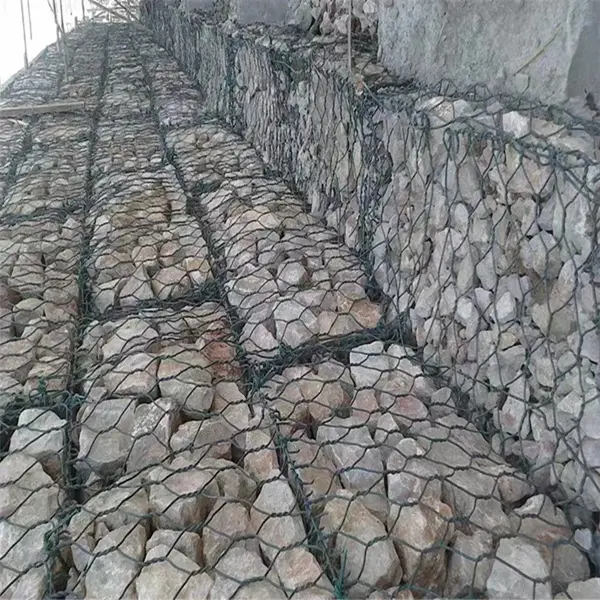
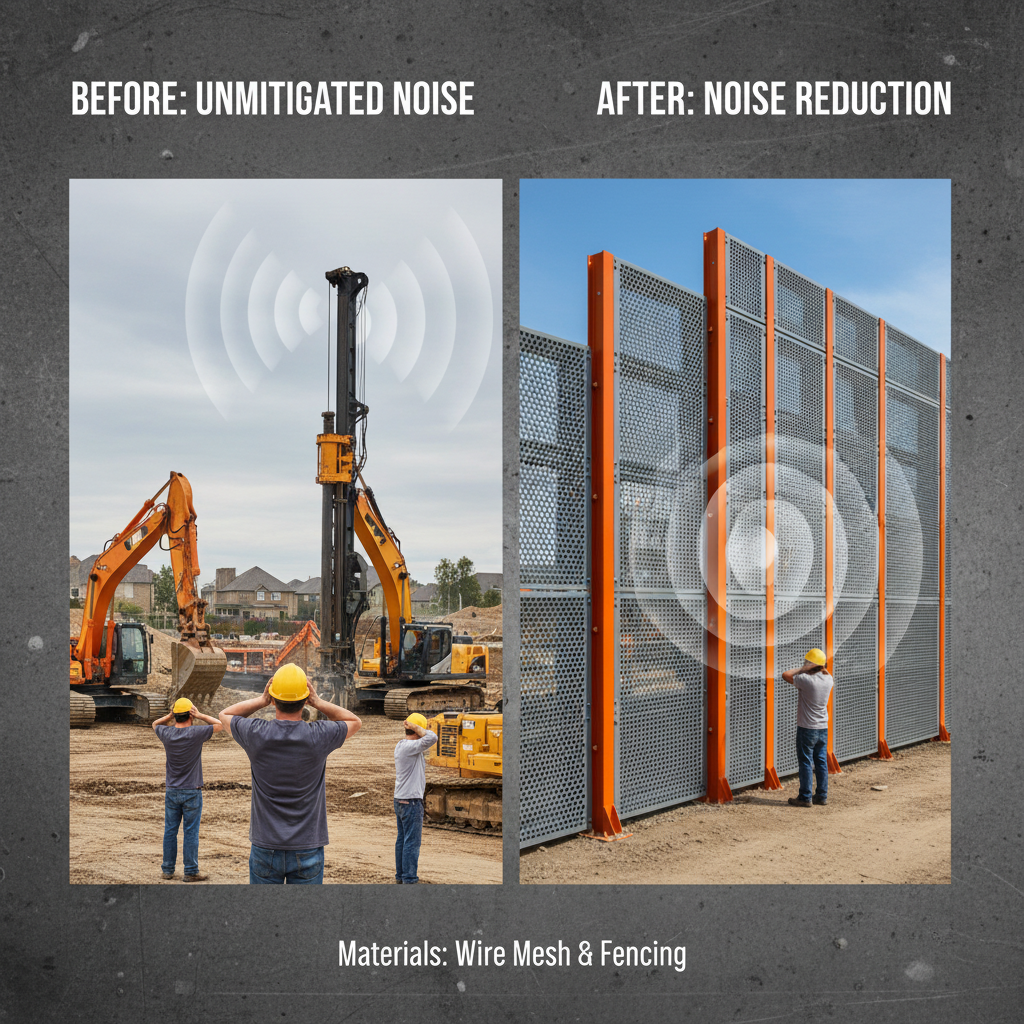
Numerous materials can be employed as noise barriers, each with varying degrees of effectiveness and cost. Some common options include concrete, wood, steel, acrylic, and specialized sound absorbing foams and composites. Concrete is a dense material that provides excellent sound blocking, but can be visually unappealing and expensive. Wood offers a more aesthetic option but may require regular maintenance and isn’t as effective as concrete. Steel barriers are durable but can be prone to noise reflection. Modern composites, like those used in highway noise barriers, combine the benefits of several materials for optimal performance. The material selection should be based on the specific noise source, environmental conditions, and budget constraints.
Key Considerations: Material density, porosity, and the ability to dampen vibrations are critical factors influencing a material's soundproofing capabilities.
Understanding Sound Transmission Loss (STL)
A key metric when evaluating noise barrier materials is Sound Transmission Loss (STL). STL measures the reduction in sound energy that passes through a material. Higher STL values indicate better noise blocking performance. STL is frequency-dependent, meaning a material might be excellent at blocking low frequencies but less effective at higher frequencies. Therefore, it's essential to consider the frequency range of the noise source when selecting a material. Factors influencing STL include material density, thickness, and internal structure. Mass law dictates that increasing a material's mass generally increases its STL.
STL Explained:
• Measures the reduction in sound energy passing through a material.
• Higher STL values indicate better noise blocking.
• STL is frequency-dependent.
• Influenced by material density, thickness, and structure.
Comparison of Common Noise Barrier Materials
Choosing the right material involves weighing the pros and cons of each option. Below is a comparison of several common materials, outlining their key characteristics and typical applications. Keep in mind that these values are approximate and can vary based on specific product formulations and installation methods.
Applications of Noise Barrier Materials
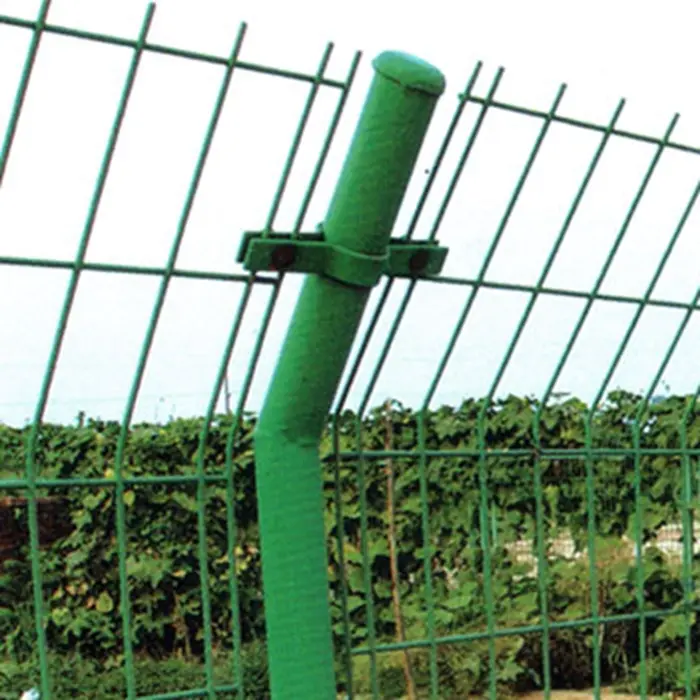
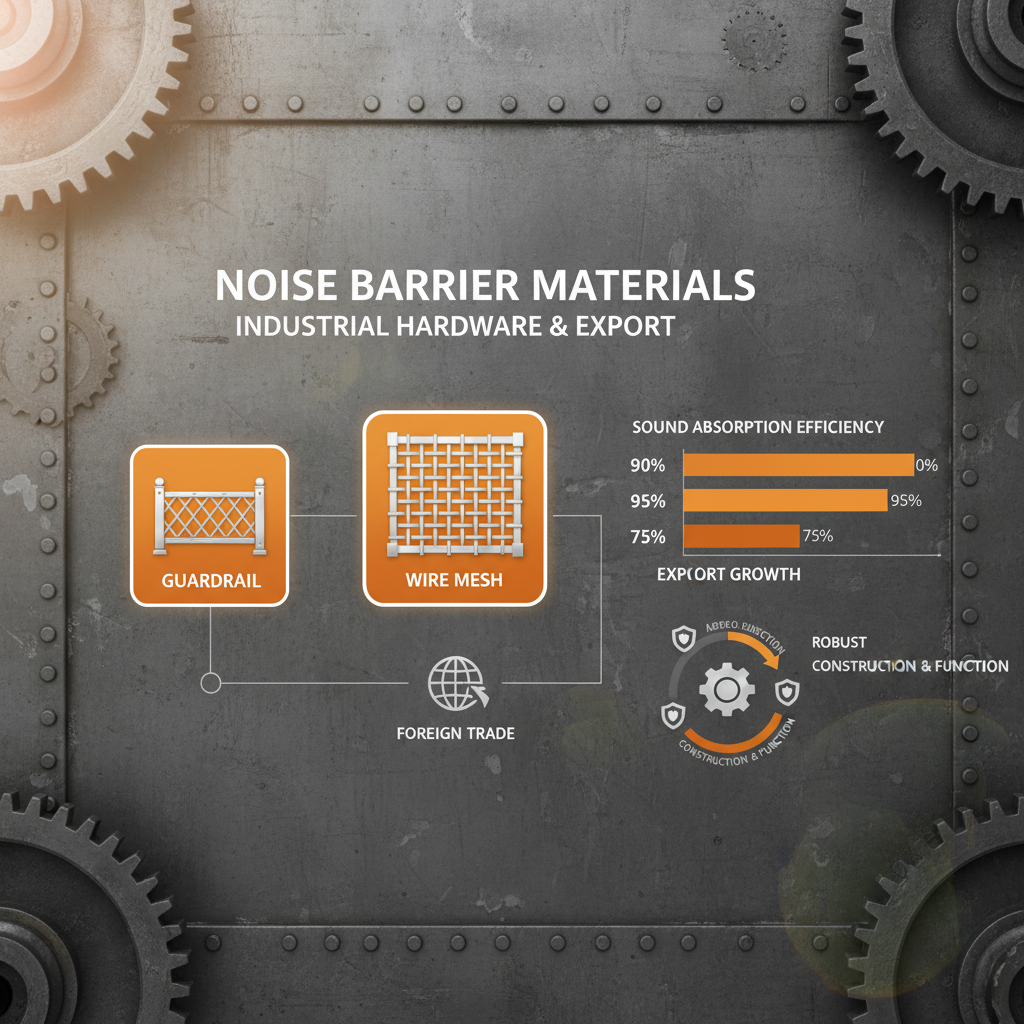
The applications for noise barrier materials are diverse. Highway noise barriers are commonly constructed from concrete or composite materials. Industrial settings utilize materials to enclose noisy machinery and reduce worker exposure. Residential applications often involve soundproofing walls and ceilings with acoustic panels or insulation. Effective noise control enhances quality of life, improves worker productivity, and reduces health risks associated with noise pollution. Fencing Wire Mesh offers various materials suited for creating effective noise barriers.
Selecting the Right Noise Barrier Material: Key Factors
Choosing the optimal noise barrier material requires careful consideration of several factors. The frequency of the noise source, the required level of noise reduction, budget constraints, aesthetic preferences, and environmental conditions all play a role. It's also vital to consider local regulations and permitting requirements. Consulting with a noise control specialist can provide valuable insights and ensure the selection of the most effective and compliant solution. Proper installation is just as crucial as material selection; gaps and cracks can significantly reduce the barrier's performance.
Conclusion: Creating a Quieter Environment
Selecting the right noise barrier materials is an investment in your well-being, productivity, and the quality of your environment. By understanding the different types of materials, their properties, and applications, you can make informed decisions to effectively mitigate noise pollution. Explore the options available at Fencing Wire Mesh to find the perfect solution for your needs.
Frequently Asked Questions (FAQs)
What is the difference between soundproofing and sound blocking?
Sound blocking aims to prevent sound from entering or leaving a space by creating a physical barrier with high mass and density. This is what noise barrier materials excel at. Soundproofing, on the other hand, focuses on absorbing sound energy within a room to reduce reverberation and echoes. Materials like acoustic foam and fabrics are used for soundproofing. Often, a combination of both techniques is most effective. Sound blocking stops sound transmission, while soundproofing improves the sound quality within a space.
How does the height of a noise barrier affect its effectiveness?
The height of a noise barrier is a crucial factor. Sound waves can diffract (bend) over the top of a barrier. A taller barrier requires sound waves to travel a longer distance to diffract, resulting in greater noise reduction. The "line-of-sight" principle applies; a barrier that completely blocks the direct path between the noise source and the receiver is most effective. However, increasing the height also increases costs, so an optimal height must be determined based on the specific situation and budget.
Are there any environmental considerations when choosing noise barrier materials?
Yes, environmental considerations are important. Sustainable materials like recycled wood or composites with recycled content are preferable. The manufacturing process and lifecycle impact of the material should also be considered. Some materials may release volatile organic compounds (VOCs), which can affect air quality. Choosing materials with low VOC emissions is crucial, especially for indoor applications. Furthermore, proper disposal of old barrier materials is important to minimize environmental impact.
Can noise barriers be aesthetically pleasing?
Absolutely! While functionality is paramount, noise barriers don’t have to be visually unappealing. Materials like decorative wood panels, living walls (vegetated barriers), and aesthetically designed concrete structures can blend seamlessly into the surrounding environment. Color choices, textures, and landscaping can all contribute to a more attractive barrier. Fencing Wire Mesh provides options for creating noise barriers that are both effective and visually appealing.