
Transparent Noise Barrier Panels: A Comprehensive Guide
In today's increasingly noisy world, mitigating sound pollution is crucial for maintaining health, productivity, and quality of life. Transparent noise barrier panels offer an effective and aesthetically pleasing solution for reducing noise levels in a variety of environments. This article provides a detailed overview of these panels, exploring their benefits, applications, materials, installation, and how they compare to traditional noise barriers. Whether you’re looking to create a peaceful residential space or a quieter industrial environment, understanding these panels is a vital first step.
Understanding the Benefits of Transparent Noise Barriers
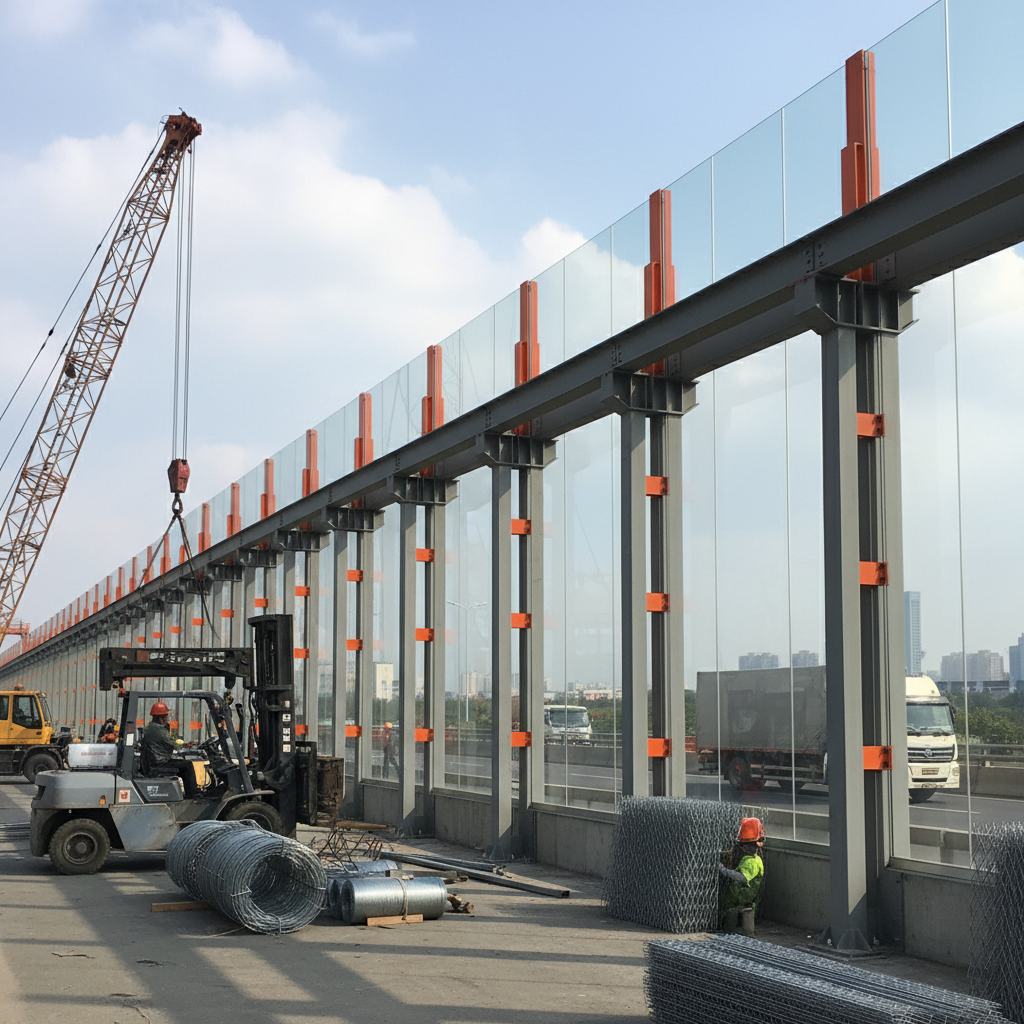
Unlike traditional noise barriers that often block views and natural light, transparent noise barrier panels allow light to pass through, creating a more open and welcoming environment. This is particularly important in residential areas or locations where maintaining visibility is a priority. Furthermore, these panels are highly effective at reducing noise pollution from sources such as highways, railways, industrial facilities, and construction sites. They can significantly improve the quality of life for nearby residents and workers by creating a more peaceful and productive atmosphere. Choosing the right noise barrier is a significant investment in long-term well-being.
Key Highlights: Allow light to pass through, highly effective at reducing noise pollution, and improve quality of life for residents and workers.
Materials Used in Transparent Noise Barrier Panels
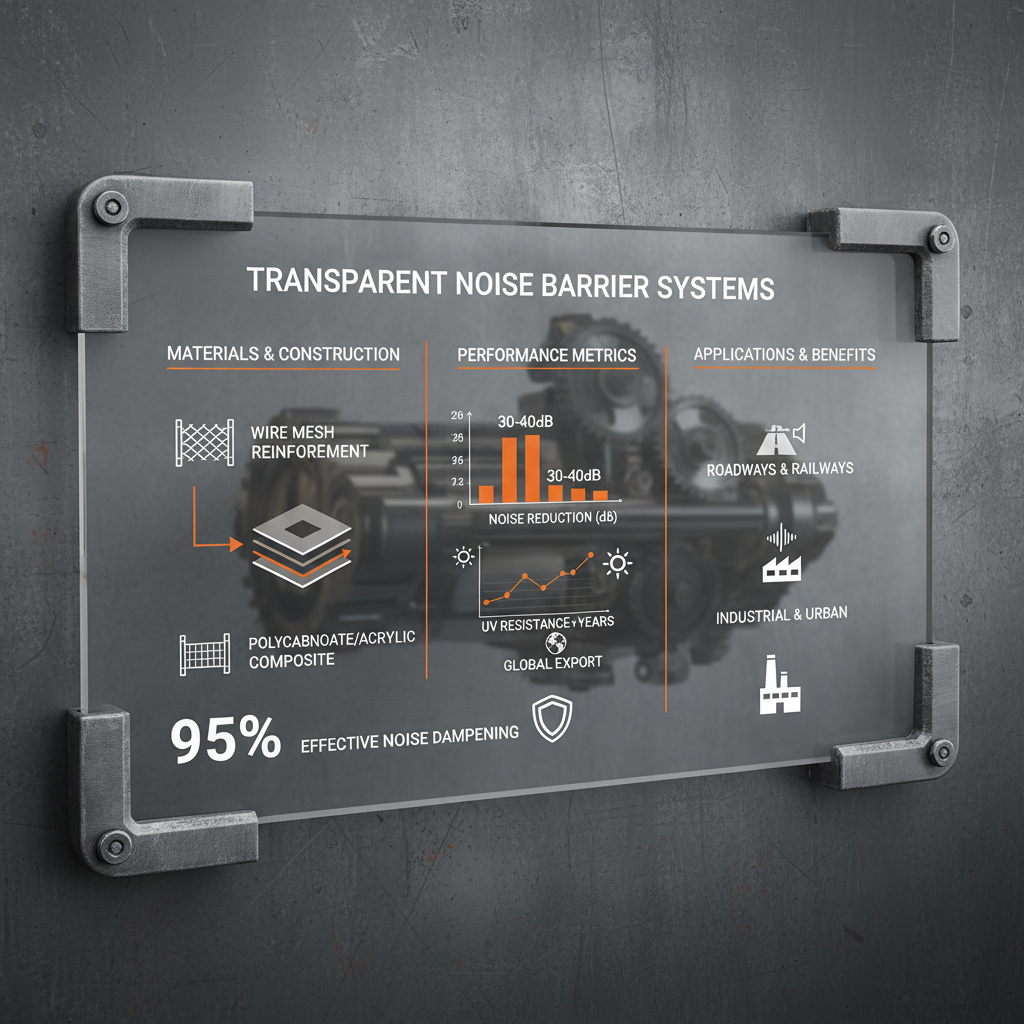
Transparent noise barrier panels are typically constructed from materials like acrylic (PMMA) or polycarbonate. Acrylic offers excellent optical clarity and good sound insulation properties, making it a popular choice. Polycarbonate is even more impact-resistant than acrylic, providing enhanced durability in harsh environments. The panels often incorporate a core material, such as mineral wool or foam, to further enhance sound absorption. The frame supporting the panels is usually made of aluminum or steel for strength and corrosion resistance. Selecting the correct material is essential to maximizing noise reduction and ensuring longevity.
Material Comparison:
• Acrylic (PMMA): Excellent clarity, good insulation.
• Polycarbonate: High impact resistance, durable.
• Core Materials: Mineral wool, foam enhance absorption.
Transparent Noise Barrier Panels vs. Traditional Barriers: A Side-by-Side Comparison
Traditional noise barriers, often made of concrete or earth berms, are effective at reducing noise but can be visually intrusive and block sunlight. Transparent noise barriers offer a compelling alternative, providing comparable noise reduction while maintaining visibility and aesthetics. While the initial cost of transparent barriers might be higher, the long-term benefits of improved aesthetics, reduced environmental impact, and enhanced quality of life often outweigh the expense. The table below highlights key differences between the two types of barriers. Choosing the best option depends on the specific needs and priorities of the project.
Applications of Transparent Noise Barrier Panels
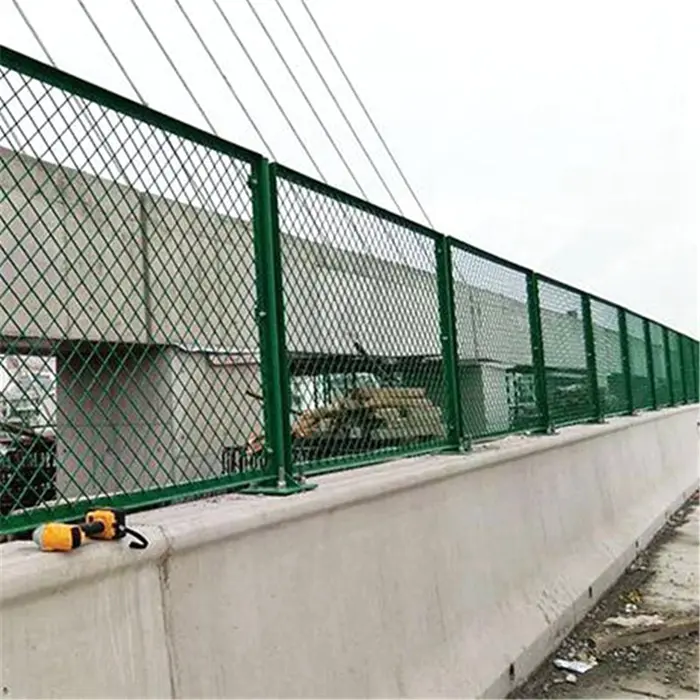
The applications for transparent noise barrier panels are diverse. They are commonly used along highways and railways to protect residential areas from traffic noise. Industrial facilities utilize them to create quieter work environments and comply with noise regulations. Construction sites benefit from the panels' ability to reduce noise pollution for surrounding communities. Furthermore, they are increasingly being used in commercial and residential developments to create peaceful outdoor spaces. Fencing Wire Mesh specializes in providing solutions for these various applications.
Installation Considerations for Transparent Noise Barrier Panels
Proper installation is critical for maximizing the effectiveness of transparent noise barrier panels. The panels are typically supported by sturdy posts or frames anchored to the ground. The height and length of the barrier should be determined based on the noise source, distance to receptors, and desired noise reduction level. It's essential to ensure the panels are securely fastened and that there are no gaps that could compromise their performance. Professional installation is recommended to ensure the barrier meets all safety and performance requirements.
Conclusion: Creating a Quieter Environment with Transparency
Transparent noise barrier panels offer a superior solution for noise mitigation, balancing effective sound reduction with aesthetic appeal and environmental considerations. They are a versatile investment for a wide range of applications, creating more peaceful and productive environments. Choosing the right materials and ensuring proper installation are key to maximizing their benefits.
Frequently Asked Questions (FAQs)
What is the typical noise reduction achieved by transparent noise barrier panels?
The noise reduction achieved depends on factors like panel height, length, material, and the frequency of the noise source. Typically, transparent noise barriers can reduce noise levels by 5-15 decibels. Higher barriers and those with thicker, more absorptive core materials will provide greater noise reduction. A professional noise assessment can determine the optimal barrier design for a specific location and noise source. It's important to note that even a small reduction in decibels can significantly improve perceived noise levels.
Are these panels suitable for all climates?
Transparent noise barrier panels are generally suitable for a wide range of climates. Acrylic and polycarbonate are both durable materials that can withstand temperature fluctuations and UV exposure. However, in extremely cold climates, polycarbonate may be preferred due to its higher impact resistance at low temperatures. Proper installation and maintenance are essential to ensure the panels remain in good condition, regardless of the climate.
What is the maintenance required for these panels?
Transparent noise barrier panels require minimal maintenance. Regular cleaning with mild soap and water is typically sufficient to remove dirt and debris. Avoid using abrasive cleaners or solvents that could damage the surface. Periodic inspections should be conducted to check for any signs of damage or loose fasteners. Addressing any issues promptly will ensure the barrier continues to perform effectively and maintain its aesthetic appeal.
How do transparent noise barriers compare in cost to other soundproofing methods?
The cost of transparent noise barriers can vary depending on the size, materials, and installation complexity. While generally more expensive than traditional concrete barriers upfront, they often offer a more cost-effective solution in the long run due to their durability, lower maintenance requirements, and aesthetic benefits. Compared to other soundproofing methods like acoustic panels or soundproof windows, transparent barriers can provide a more comprehensive and visually appealing solution, particularly for outdoor noise mitigation.