
Sound Barrier Screens: A Comprehensive Guide
In today’s increasingly noisy world, effective noise control is vital for both health and productivity. Sound barrier screens offer a practical and effective solution for reducing noise pollution in a variety of environments. From highways to industrial sites, these screens significantly improve quality of life. This article will explore the benefits, types, applications, and factors to consider when choosing the right sound barrier screen for your needs. Investing in a quality sound barrier is an investment in peace and wellbeing.
The Benefits of Implementing Sound Barrier Screens
The advantages of installing sound barrier screens extend beyond simple noise reduction. They contribute to a more peaceful environment, leading to improved concentration, reduced stress levels, and better sleep quality. For businesses, this can translate into increased employee productivity and reduced healthcare costs. From a societal perspective, sound barriers mitigate the negative impacts of noise pollution on communities, fostering a more harmonious living environment. Furthermore, certain designs can also enhance the aesthetic appeal of an area, blending functionality with visual improvement. Considering these multifaceted benefits makes sound barrier screens a worthwhile investment.
Key Highlights: Improved concentration, Reduced stress levels, Better sleep quality, Increased employee productivity, Enhanced community wellbeing.
Types of Sound Barrier Screens and Materials
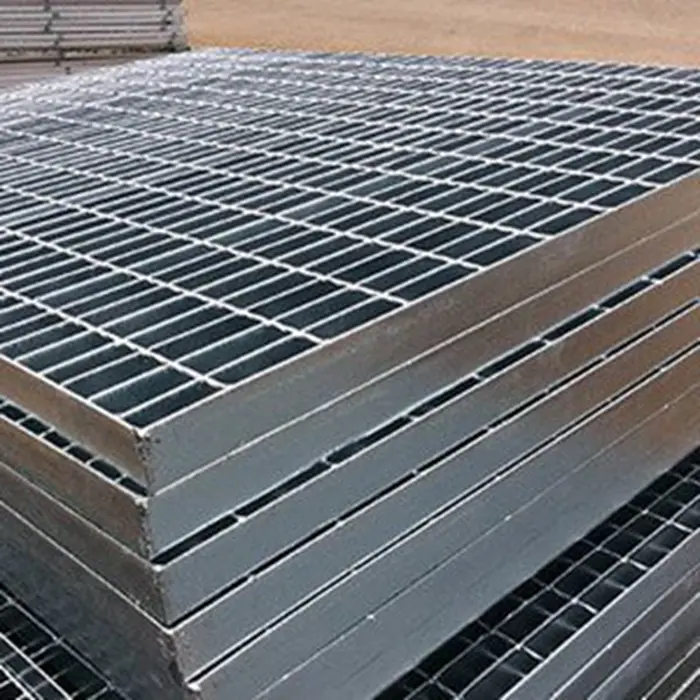
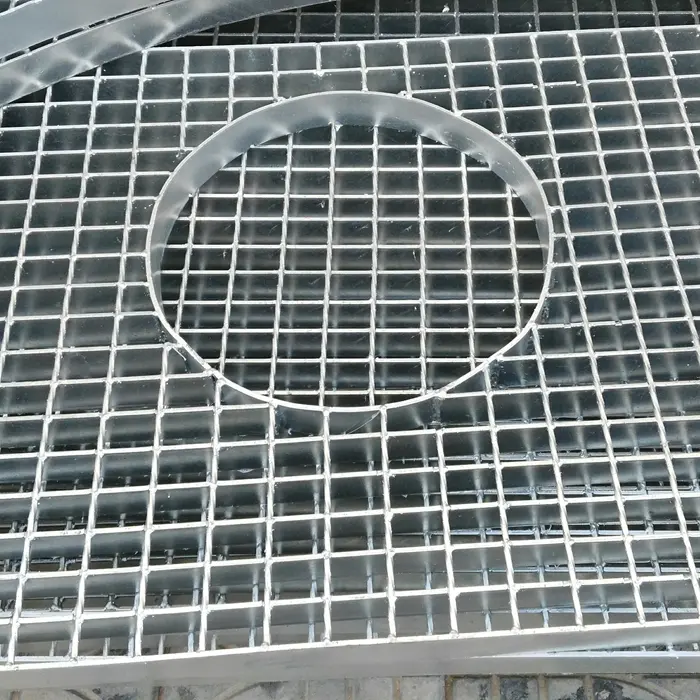
Sound barrier screens come in a variety of types, each suited for different applications and noise reduction requirements. Common materials include concrete, wood, metal (steel and aluminum), and acrylic. Concrete barriers are incredibly durable and offer excellent sound attenuation, but can be visually imposing. Wood offers a more natural aesthetic but requires regular maintenance. Metal barriers are lightweight and strong, while acrylic provides transparency, allowing for visibility. The choice of material depends on factors such as budget, aesthetic preferences, environmental conditions, and the specific noise reduction goals. Fencing Wire Mesh specializes in high-quality metal sound barriers, offering a balance of performance and aesthetics.
Material Comparison:
• Concrete: High durability, excellent sound attenuation, visually imposing.
• Wood: Natural aesthetic, requires maintenance, moderate sound reduction.
• Metal: Lightweight, strong, good sound reduction, durable.
• Acrylic: Transparency, moderate sound reduction, modern aesthetic.
Sound Barrier Screens for Highway Noise Reduction
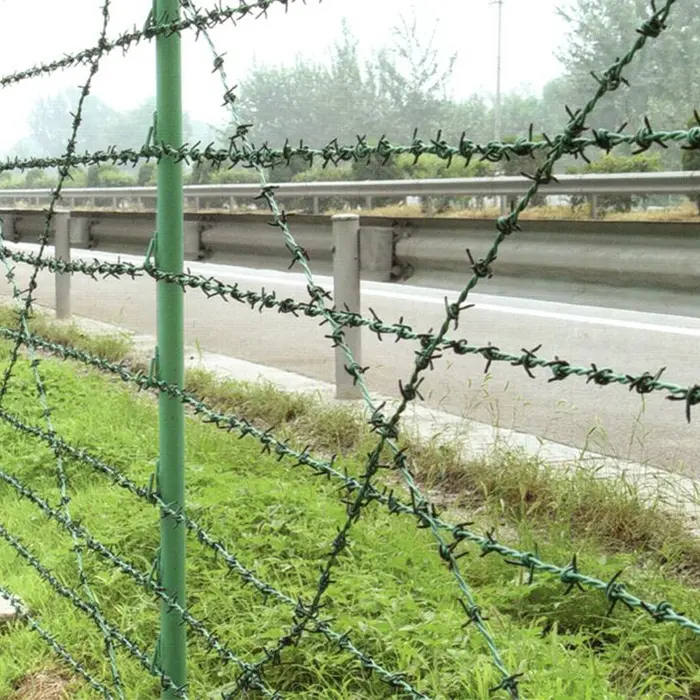
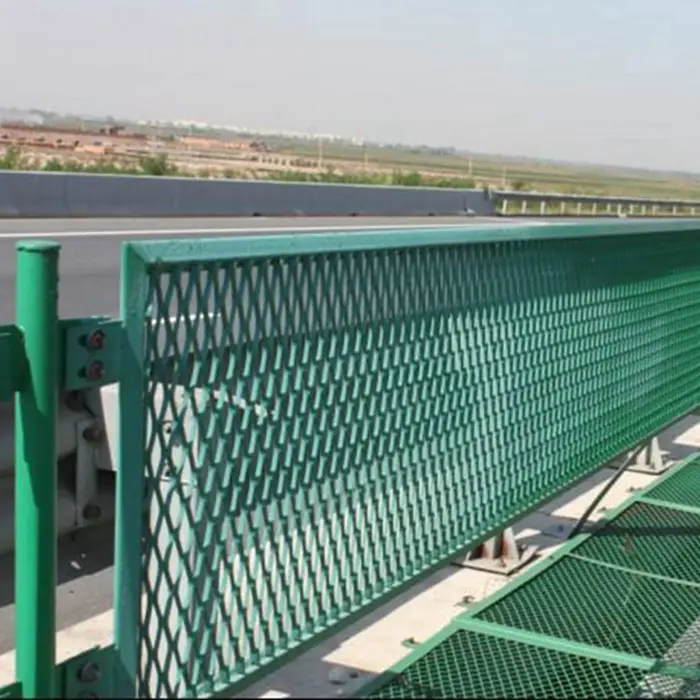
Highway noise is a significant source of environmental pollution, affecting nearby residential areas. Sound barrier screens are widely used along highways to mitigate this noise. These screens are typically constructed from concrete or metal and are designed to deflect and absorb sound waves. The effectiveness of a highway sound barrier depends on its height, length, and construction materials. Proper installation and maintenance are also critical for optimal performance. Studies have shown that well-designed sound barriers can reduce highway noise levels by 10-20 decibels, making a substantial difference to the quality of life for surrounding communities. Our metal sound barriers offer a cost-effective and durable solution for highway noise control.
Industrial Applications of Sound Barrier Screens
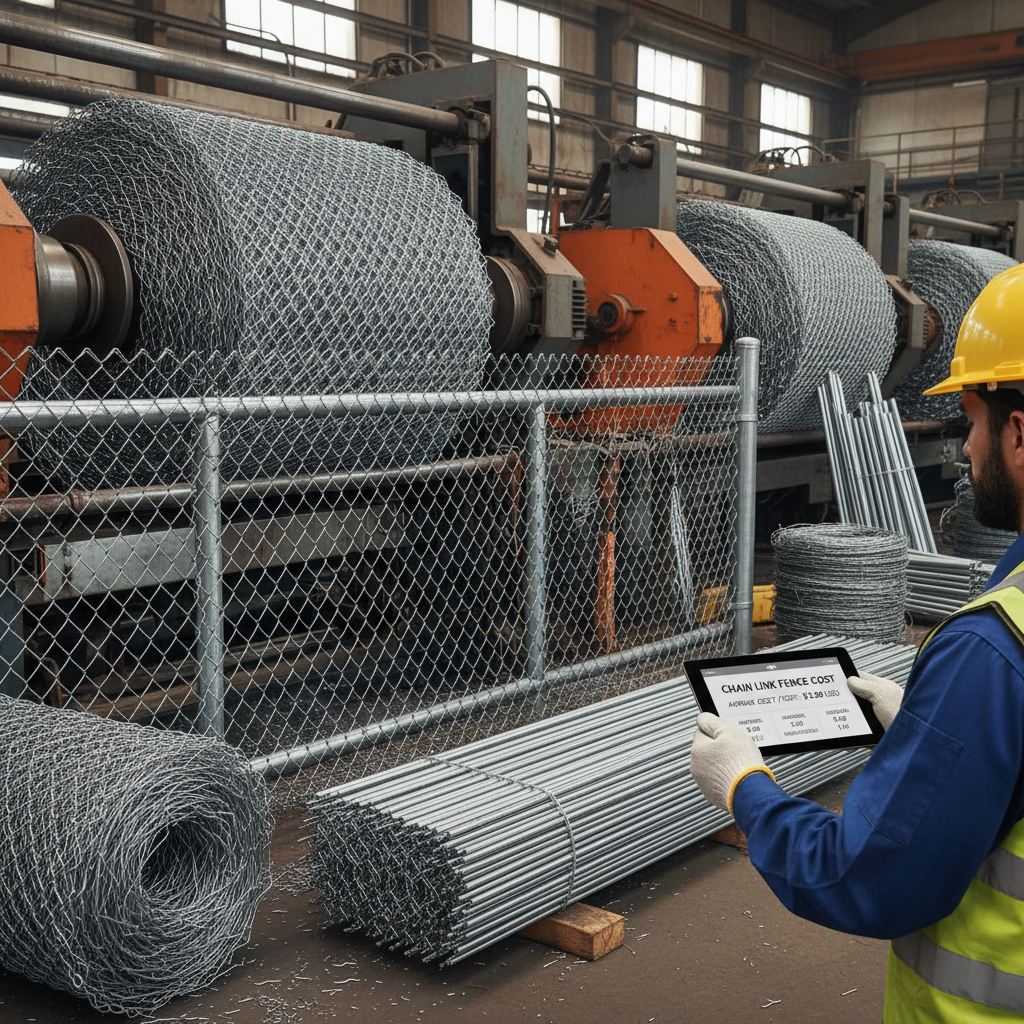
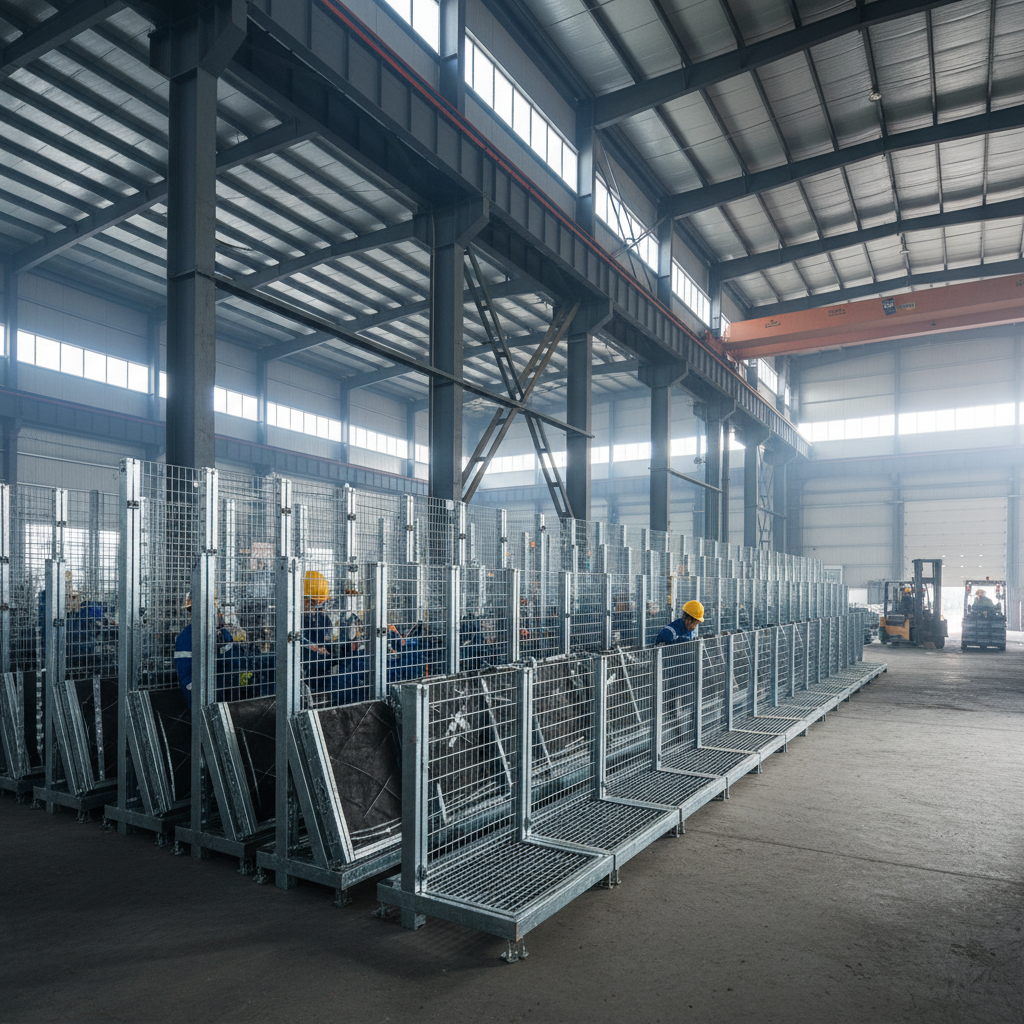
Industrial facilities often generate significant noise levels from machinery, equipment, and operational processes. Sound barrier screens play a crucial role in mitigating this noise pollution, protecting both workers and surrounding communities. They are used to enclose noisy equipment, create soundproof enclosures, and reduce noise transmission from industrial sites. Metal sound barriers are particularly well-suited for industrial applications due to their durability, resistance to corrosion, and ability to withstand harsh environments. We provide custom metal sound barrier solutions designed to meet the specific noise control requirements of industrial facilities.
Choosing the Right Sound Barrier Screen: Key Considerations
Selecting the appropriate sound barrier screen involves carefully evaluating several factors. Consider the frequency and intensity of the noise source, the desired level of noise reduction, the environmental conditions, aesthetic requirements, and budget constraints. It’s also essential to ensure that the chosen barrier meets relevant safety standards and regulations. Consulting with a sound barrier specialist can help you determine the best solution for your specific needs. Contact us today for a free consultation!
Conclusion: Invest in a Quieter Future
Investing in sound barrier screens is a proactive step towards creating a more peaceful and productive environment. By mitigating noise pollution, you can improve the quality of life for individuals and communities. At Fencing Wire Mesh, we offer a comprehensive range of high-quality sound barrier solutions tailored to your specific needs. Contact us today to learn how we can help you create a quieter future.
Frequently Asked Questions (FAQs)
What is the typical lifespan of a metal sound barrier screen?
A well-maintained metal sound barrier screen can last for 20-30 years or even longer. The lifespan depends on factors such as the quality of the materials, the coating applied to prevent corrosion, and the environmental conditions. Regular inspections and maintenance, such as cleaning and touch-up painting, can significantly extend the lifespan of the barrier. We use high-quality materials and durable coatings to ensure our sound barriers provide long-lasting performance.
How much noise reduction can I expect from a sound barrier screen?
The amount of noise reduction achieved depends on several factors, including the height and length of the barrier, the material used, the frequency of the noise source, and the distance between the source and the receiver. Typically, a well-designed and installed sound barrier can reduce noise levels by 5-20 decibels. We offer noise reduction calculations to help you estimate the expected performance for your specific application.
Are sound barrier screens subject to any building codes or regulations?
Yes, sound barrier screens are often subject to local building codes and regulations, particularly in residential areas and along highways. These regulations may specify requirements for height, materials, design, and installation. It's important to check with your local authorities to ensure that your sound barrier project complies with all applicable codes and regulations. We can assist you in navigating these requirements.
What maintenance is required for metal sound barrier screens?
Metal sound barrier screens require minimal maintenance. Regular cleaning with soap and water is typically sufficient to remove dirt and debris. In coastal areas or environments with high levels of salt spray, occasional inspection and touch-up painting may be necessary to prevent corrosion. We recommend annual inspections to ensure the barrier remains in good condition.