
Understanding Construction Sound Barriers: A Comprehensive Guide
Noise pollution is a significant concern in modern construction, impacting both workers and surrounding communities. Construction sound barriers are crucial for mitigating these effects, creating safer and more compliant work environments. This article will explore the various types of sound barriers, their effectiveness, material options, installation considerations, and how Fencing Wire Mesh provides effective solutions. Addressing noise concerns isn't just about compliance; it's about worker wellbeing and positive community relations.
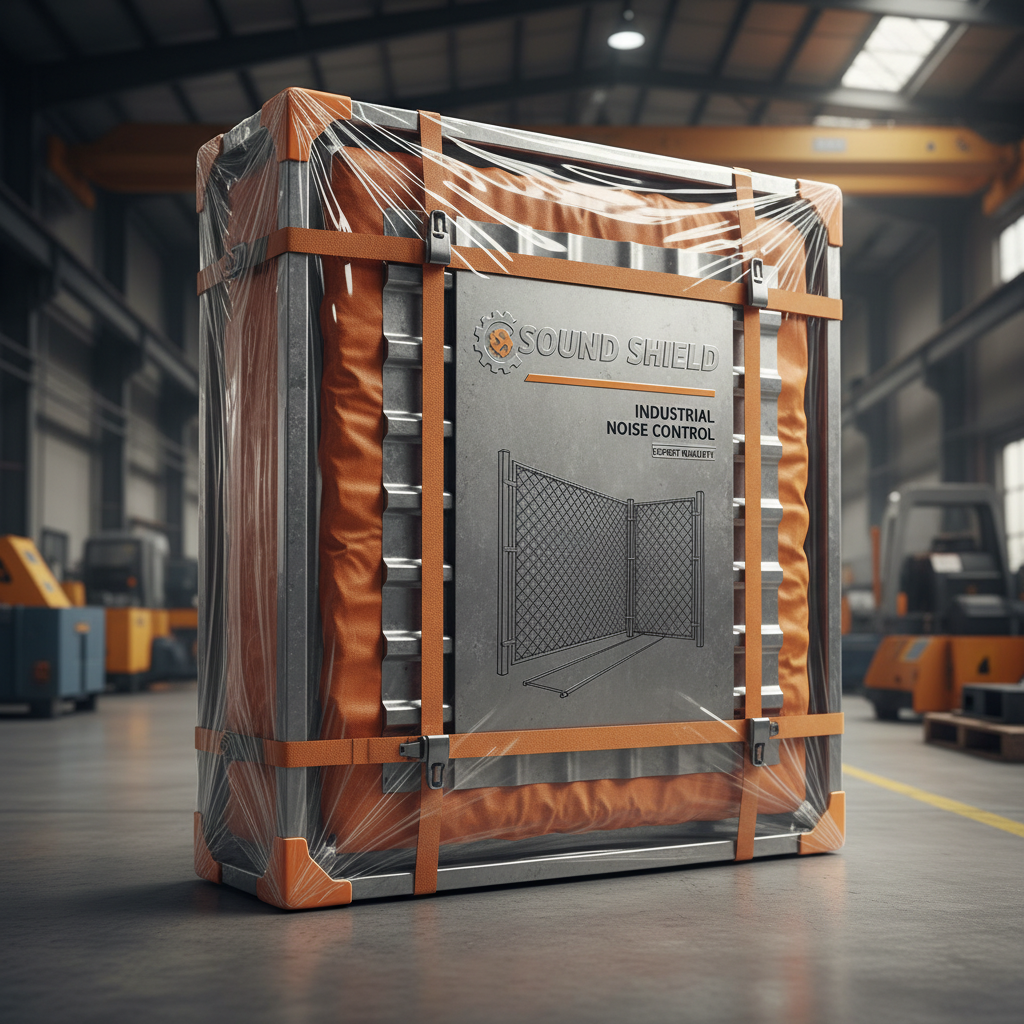
Why are Construction Sound Barriers Necessary?
The primary reason for employing construction sound barriers is to reduce noise levels. Prolonged exposure to high decibel levels can cause hearing loss, stress, and decreased productivity among workers. Beyond worker safety, noise ordinances in many areas necessitate noise reduction measures to avoid fines and maintain good relationships with nearby residents. Ignoring these regulations can lead to project delays and legal complications. A well-implemented sound barrier system demonstrates a commitment to both employee health and community responsibility. Furthermore, reduced noise contributes to a more focused and efficient work environment.
Key Benefits: Reduced worker health risks, compliance with local ordinances, improved community relations, increased worker productivity, and prevention of project delays.
Types of Construction Sound Barriers
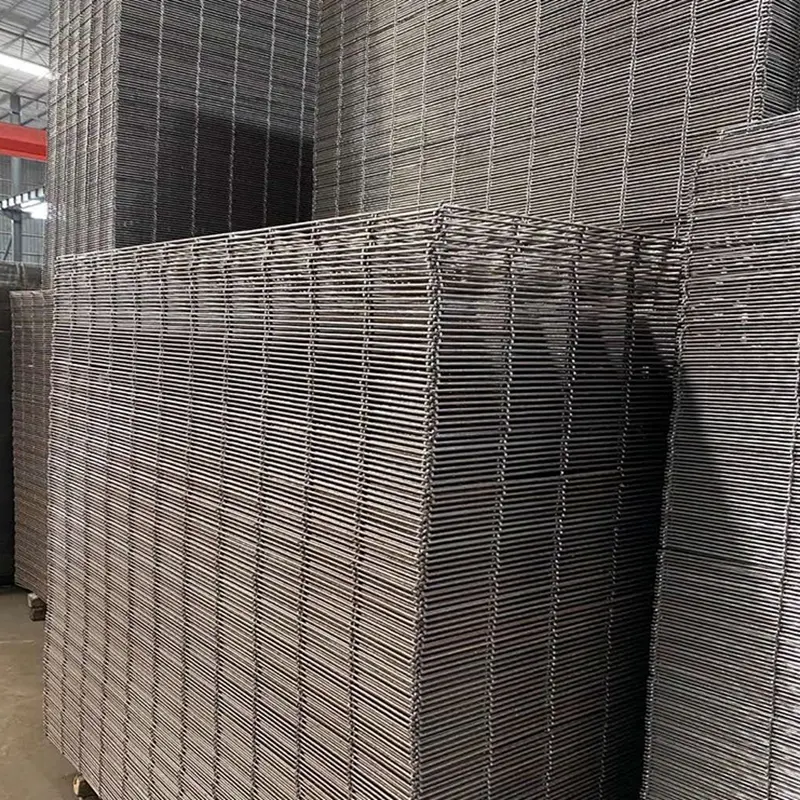
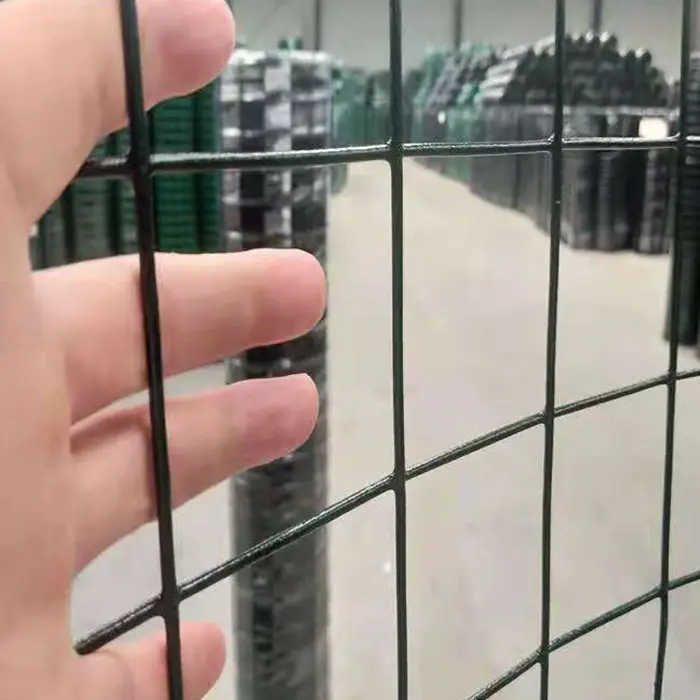
Several types of sound barriers are commonly used in construction. These include solid wood fences, temporary walls constructed from materials like plywood, fabric curtains, and, increasingly, wire mesh panels. Each option has its advantages and disadvantages based on cost, portability, effectiveness, and durability. Wire mesh barriers are gaining popularity due to their combination of affordability, ease of installation, and effective noise reduction, especially when coupled with noise-absorbing materials. Consider the specific noise frequencies and the project's duration when selecting the appropriate barrier type.
Sound Barrier Options:
• Solid Wood Fences: High effectiveness but less portable.
• Plywood Walls: Cost-effective, temporary solution.
• Fabric Curtains: Limited effectiveness, best for indoor use.
• Wire Mesh Barriers: Affordable, portable, and effective.
Construction Sound Barrier Materials: A Comparison
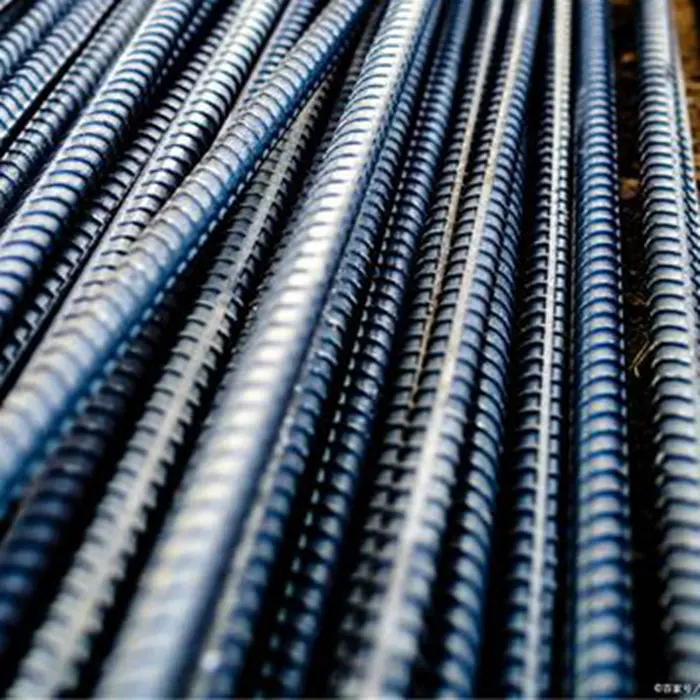
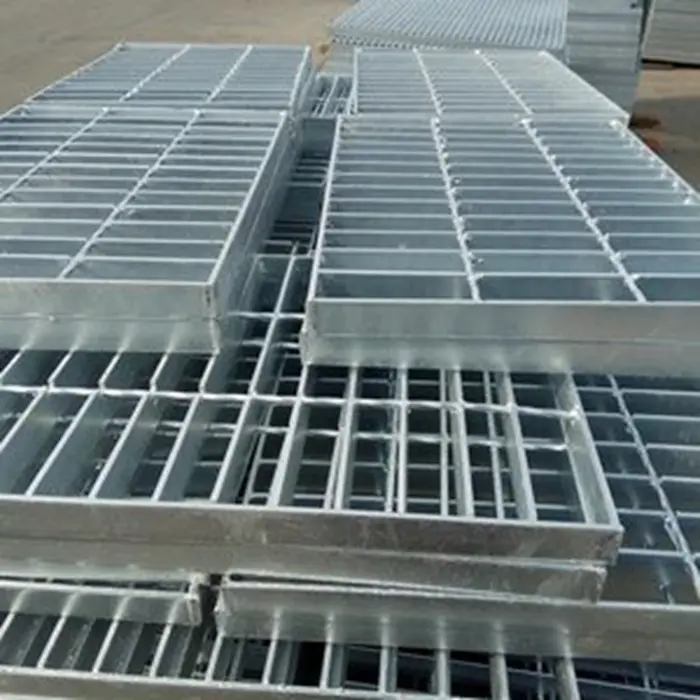
The material used in a construction sound barrier significantly impacts its performance. Materials with higher mass and density generally offer better sound attenuation. However, cost, weather resistance, and ease of installation are also crucial factors. Here's a comparison of common materials:
Installation Considerations for Effective Sound Reduction
Proper installation is just as important as material selection. Gaps and openings in the barrier significantly reduce its effectiveness. Barriers should be tightly sealed at the base and sides to prevent sound leakage. For wire mesh sound barriers, consider adding a noise-absorbing material like acoustic blankets or mineral wool behind the mesh to enhance performance. The height of the barrier is also critical; taller barriers generally provide better sound reduction, but must comply with safety and site regulations.
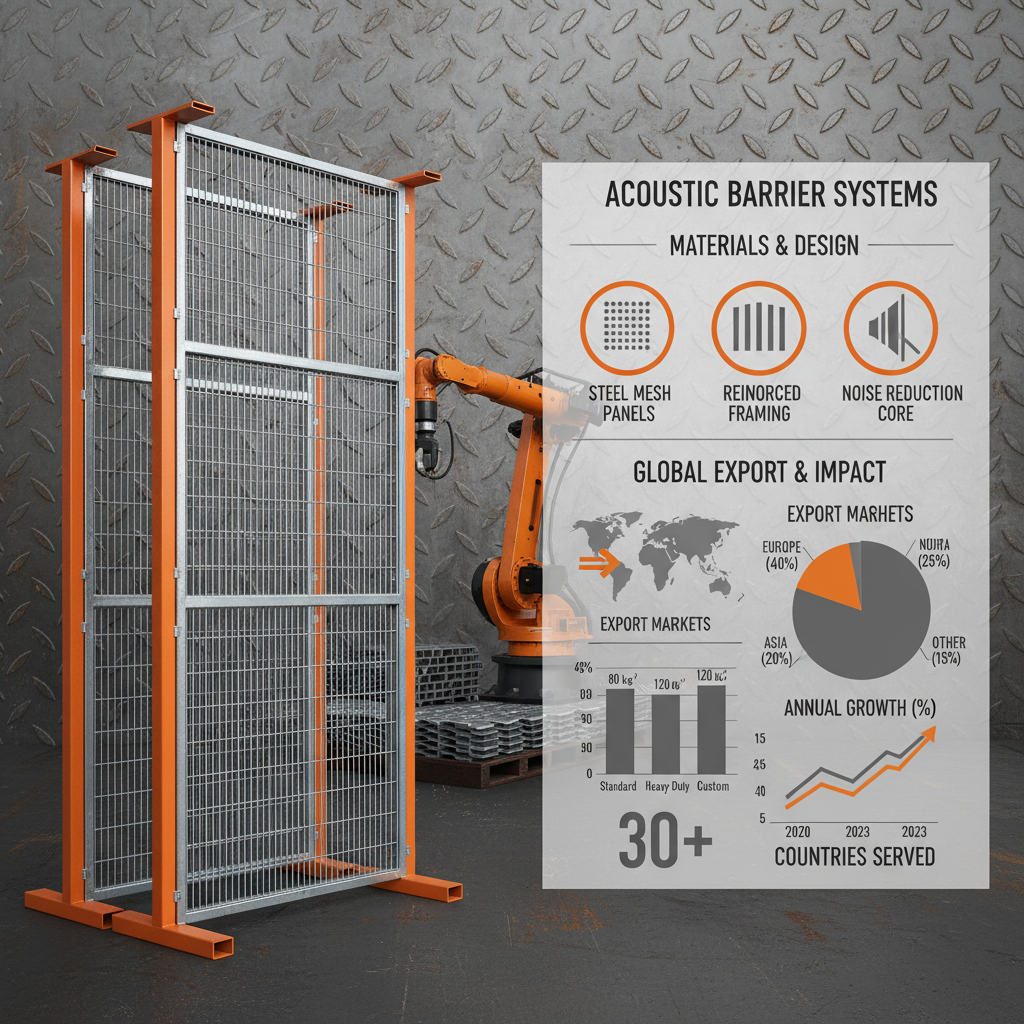
Fencing Wire Mesh: Your Partner for Construction Sound Control
At Fencing Wire Mesh, we specialize in providing high-quality wire mesh solutions for a variety of applications, including construction sound barriers. Our durable and versatile mesh panels are ideal for creating effective noise reduction systems. We offer a range of mesh sizes and coatings to meet your specific needs and budget. We can also advise on best practices for installation and material selection. Contact us today to discuss your project requirements.
Conclusion: Invest in Quiet Construction
Investing in effective construction sound barriers is a smart move for any construction project. It protects workers, minimizes disruptions to the community, and ensures compliance with regulations. Fencing Wire Mesh offers reliable and cost-effective solutions to help you achieve a quieter and safer work environment.
Frequently Asked Questions (FAQs)
What is the typical noise reduction achieved with a wire mesh sound barrier?
The noise reduction achieved with a wire mesh sound barrier varies depending on factors such as the mesh density, height of the barrier, presence of acoustic backing material, and the frequency of the noise. Generally, a well-installed wire mesh barrier with acoustic backing can reduce noise levels by 8-15 decibels. Higher frequencies are typically attenuated more effectively than lower frequencies. For precise noise reduction calculations, it is recommended to consult with an acoustic engineer. The materials provided by Fencing Wire Mesh can significantly contribute to effective noise control.
How durable are wire mesh sound barriers in harsh weather conditions?
Wire mesh barriers are generally very durable in harsh weather conditions, especially when constructed with galvanized or powder-coated steel. These coatings provide excellent resistance to rust and corrosion. The mesh itself is robust and can withstand strong winds and impacts. However, it is important to ensure that the supporting structure is also properly designed and installed to withstand weather forces. Fencing Wire Mesh offers materials specifically designed for outdoor use and long-lasting performance.
Are there any permits required for installing a construction sound barrier?
Yes, in most jurisdictions, permits are required for installing construction sound barriers, especially those exceeding a certain height or located near residential areas. The specific permitting requirements vary depending on local regulations. It's essential to check with your local building department or planning office before starting any installation work. Failure to obtain the necessary permits can result in fines and project delays. Understanding local regulations will ensure a smooth and compliant project.
What is the best way to maintain a wire mesh sound barrier?
Regular inspection and maintenance are crucial for extending the lifespan of a wire mesh sound barrier. Periodically check for any signs of damage, such as rust, tears, or loose connections. Remove any debris or vegetation that may accumulate around the barrier. For galvanized or powder-coated barriers, periodic cleaning with mild soap and water can help maintain their protective coating. Promptly address any damage to prevent further deterioration.