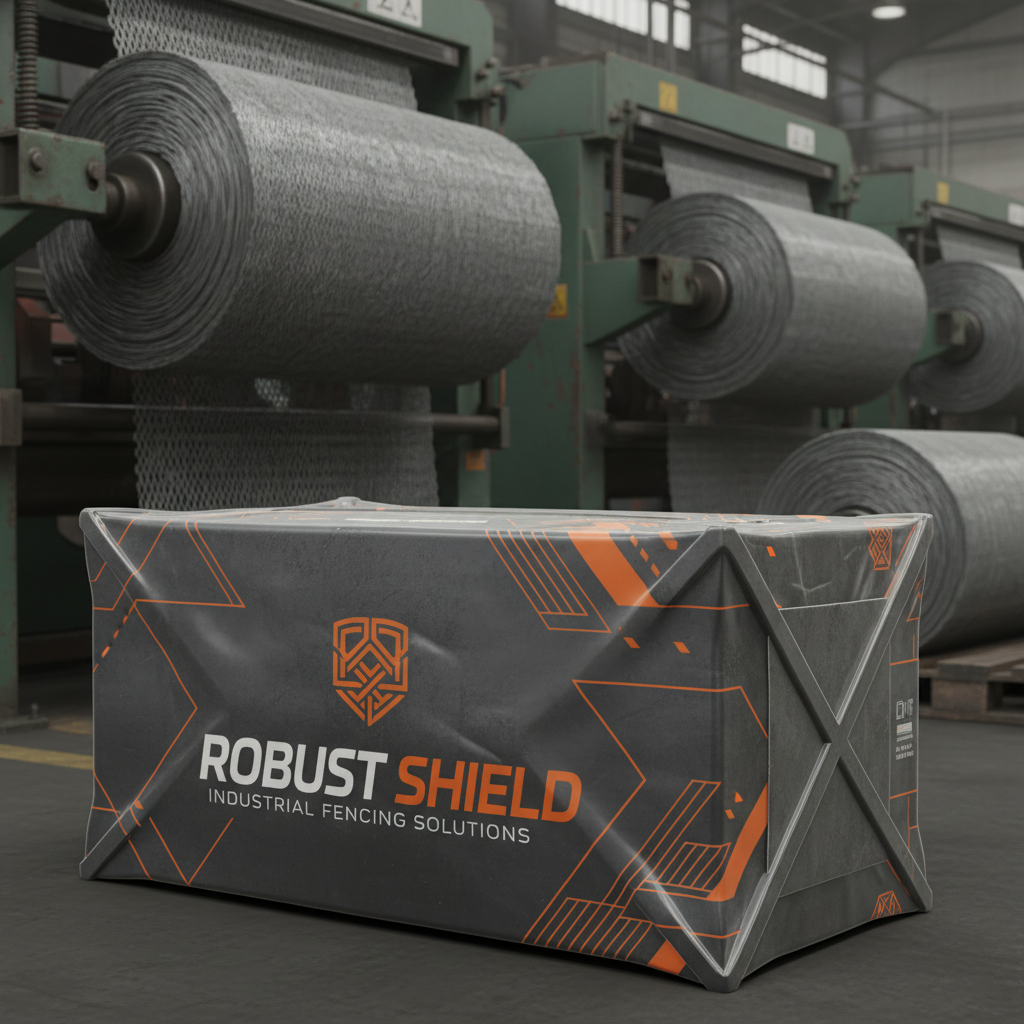
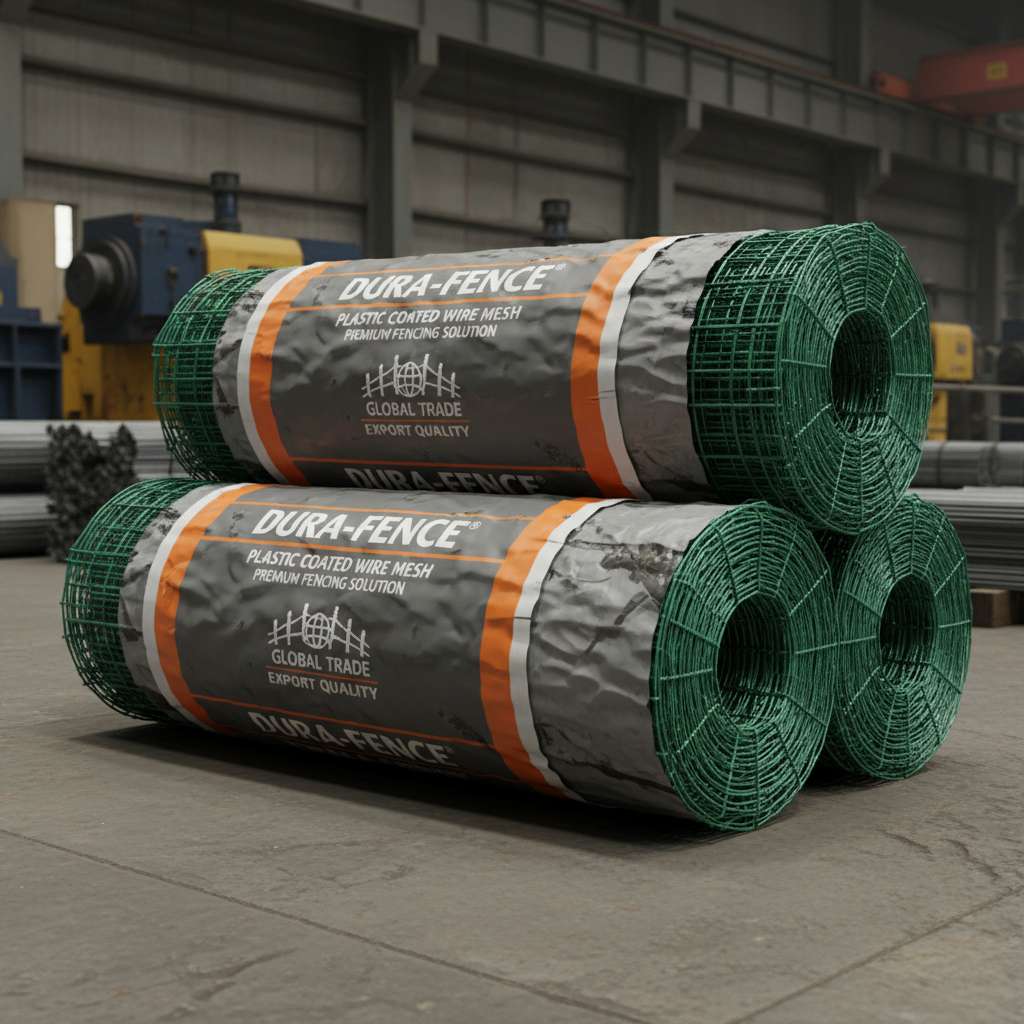
Steel mesh fencing is a robust and versatile solution increasingly vital in diverse applications globally. From securing perimeters and protecting infrastructure to providing rapid deployment housing and aiding in disaster relief, its adaptability and cost-effectiveness make it a cornerstone of modern safety and security. Understanding its properties, applications, and future developments is critical for industries ranging from construction and agriculture to humanitarian aid and defense.
The global demand for effective and efficient fencing solutions is constantly increasing, driven by factors like urbanization, heightened security concerns, and the need for sustainable infrastructure. steel mesh fencing addresses these needs by offering a durable, scalable, and relatively inexpensive alternative to traditional fencing materials. Its lightweight nature and ease of installation further contribute to its appeal, especially in remote or challenging environments.
As global challenges like climate change and geopolitical instability escalate, the need for reliable infrastructure and rapid response capabilities becomes paramount. Steel mesh fencing plays a crucial role in addressing these challenges, providing secure boundaries, enabling faster shelter construction, and ultimately contributing to safer and more resilient communities.
Introduction to Steel Mesh Fencing
Steel mesh fencing represents a significant advancement in perimeter security and containment solutions. Its construction, typically involving welded wire panels, provides a high strength-to-weight ratio, making it ideal for a wide range of applications. The modular nature of steel mesh fencing allows for quick installation and adaptation to various terrains and security requirements.
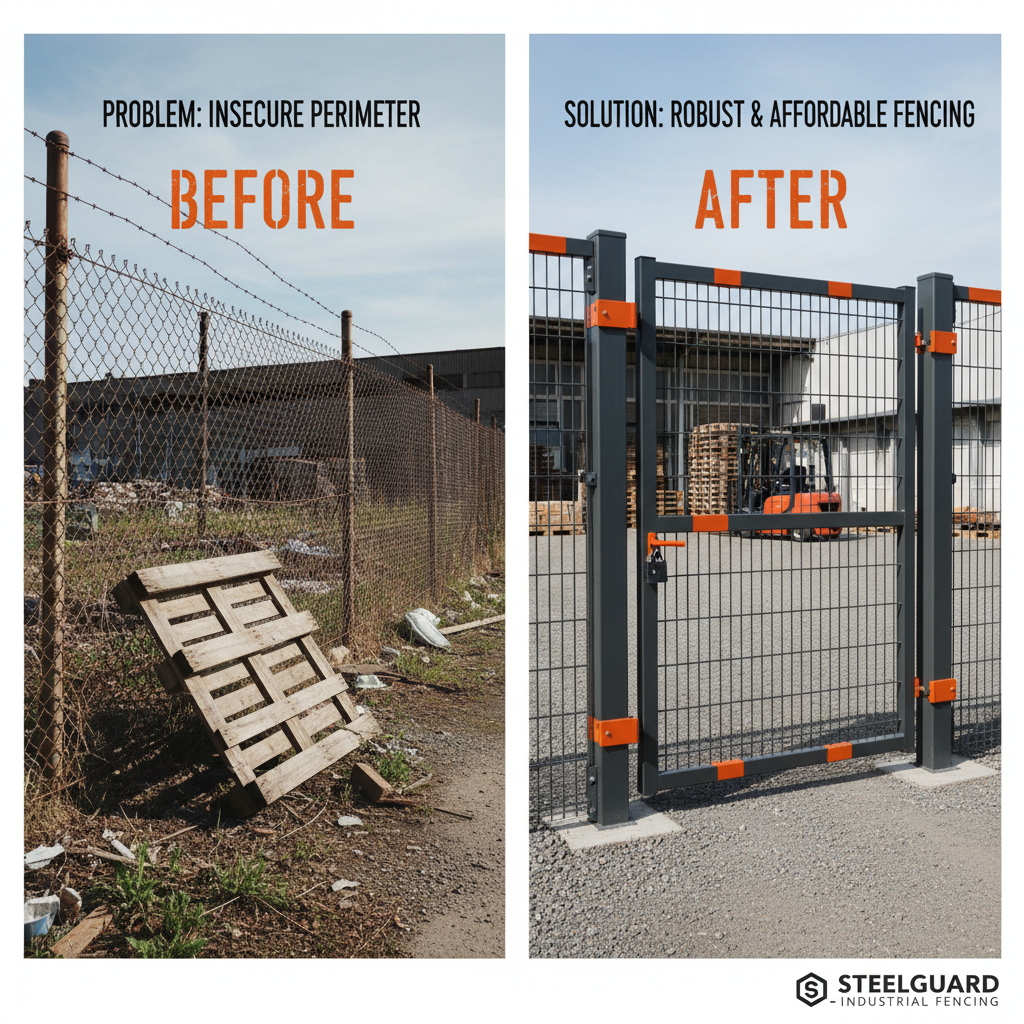
The increasing adoption of steel mesh fencing is driven by a need for solutions that balance security, cost-effectiveness, and ease of deployment. Unlike traditional fencing materials, it offers superior resistance to cutting and climbing, making it a preferred choice for high-security environments. Its versatility also extends beyond security, encompassing agricultural applications, animal containment, and even temporary event perimeters.
Defining Steel Mesh Fencing
Steel mesh fencing is fundamentally a woven or welded structure created from steel wires. This creates a robust and visually permeable barrier that’s often galvanized or powder-coated for enhanced corrosion resistance. It differs from solid fencing materials by offering visibility and airflow, which is advantageous in certain applications like sporting facilities or landscaping.
The connection to modern industry stems from the increasing demand for efficient and scalable security solutions. Traditional fencing methods can be labor-intensive and costly, especially for large perimeters. Steel mesh fencing offers a streamlined alternative that reduces installation time and minimizes long-term maintenance requirements. steel mesh fencing plays a critical role in safeguarding assets, protecting communities, and enabling efficient operations across diverse sectors.
Its relevance extends to humanitarian efforts. In disaster relief scenarios, steel mesh fencing can be quickly deployed to establish secure zones for aid distribution, medical facilities, or temporary housing, providing a safe and organized environment for affected populations.
Core Components and Characteristics
The core strength of steel mesh fencing lies in the quality of its materials and construction. High-tensile steel wires are typically used, ensuring exceptional durability and resistance to deformation. The welding or weaving process creates a strong and interconnected structure capable of withstanding significant force.
Key characteristics include its galvanization (zinc coating for rust prevention), powder coating (for aesthetic appeal and further corrosion resistance), wire gauge (thickness of the wires, influencing strength), mesh size (opening dimensions, impacting security and visibility), and panel dimensions (determining overall coverage and ease of installation).
The mesh size and wire gauge are crucial factors influencing the security level. Smaller mesh sizes and thicker wire gauges provide greater resistance to cutting and climbing, making it ideal for high-security applications. The choice of coating is equally important, with powder coating offering superior durability and a wider range of color options.
Key Advantages of Steel Mesh Fencing
Steel mesh fencing offers a compelling combination of advantages that make it a preferred choice over traditional fencing materials. One of the most significant is its durability. Steel, particularly when galvanized or powder-coated, can withstand harsh weather conditions, resist corrosion, and maintain its structural integrity for decades.
Another key benefit is its scalability. The modular design allows for easy expansion or modification to meet changing security needs. Panels can be readily added or removed, making it ideal for projects with evolving requirements. This adaptability, combined with relatively low installation costs, contributes to its overall cost-effectiveness.
Comparison of Steel Mesh Fencing Attributes
Global Applications and Use Cases
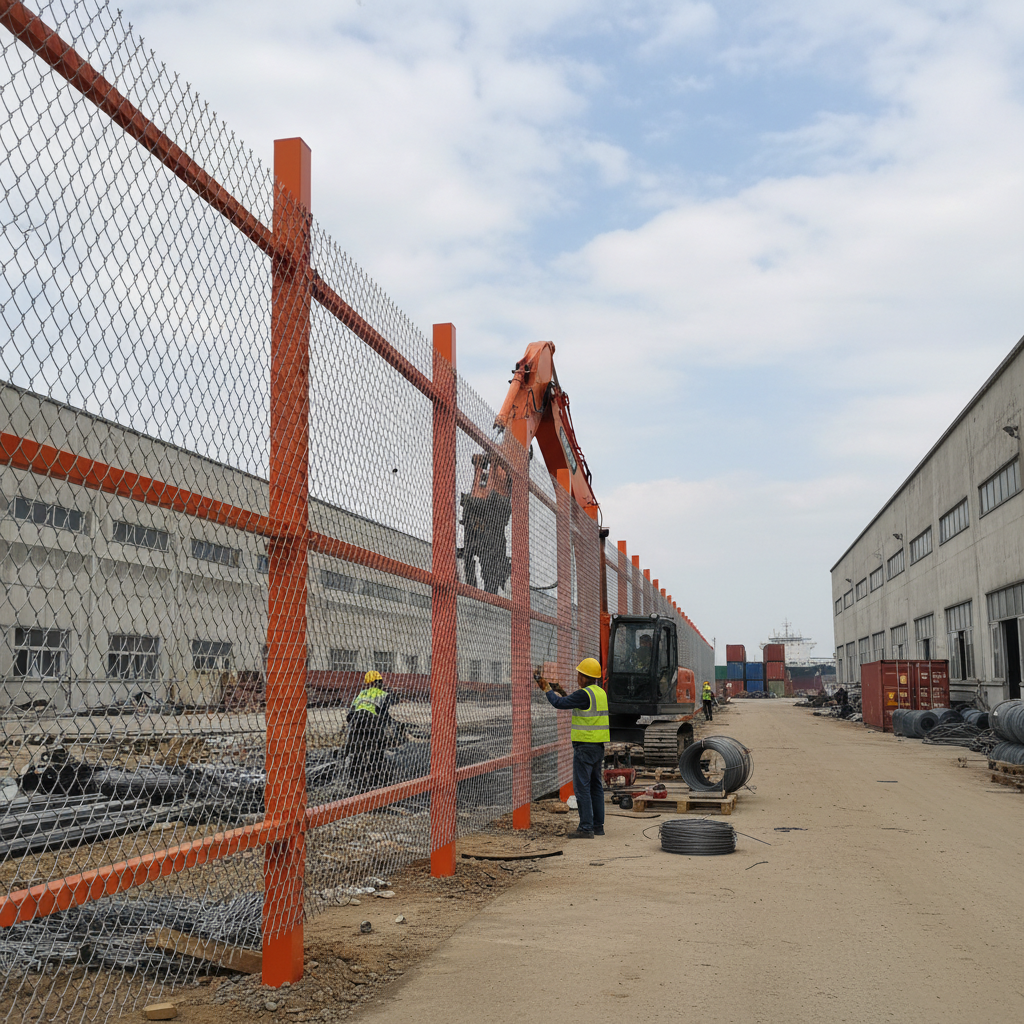
The applications of steel mesh fencing are remarkably diverse, spanning numerous industries and geographic regions. In agriculture, it’s used to create secure enclosures for livestock, protecting animals from predators and preventing escape. In post-disaster relief operations, it provides rapid deployment fencing to establish secure perimeters for aid distribution centers and temporary shelters. Steel mesh fencing is also used extensively in industrial settings to secure facilities, protect equipment, and prevent unauthorized access.
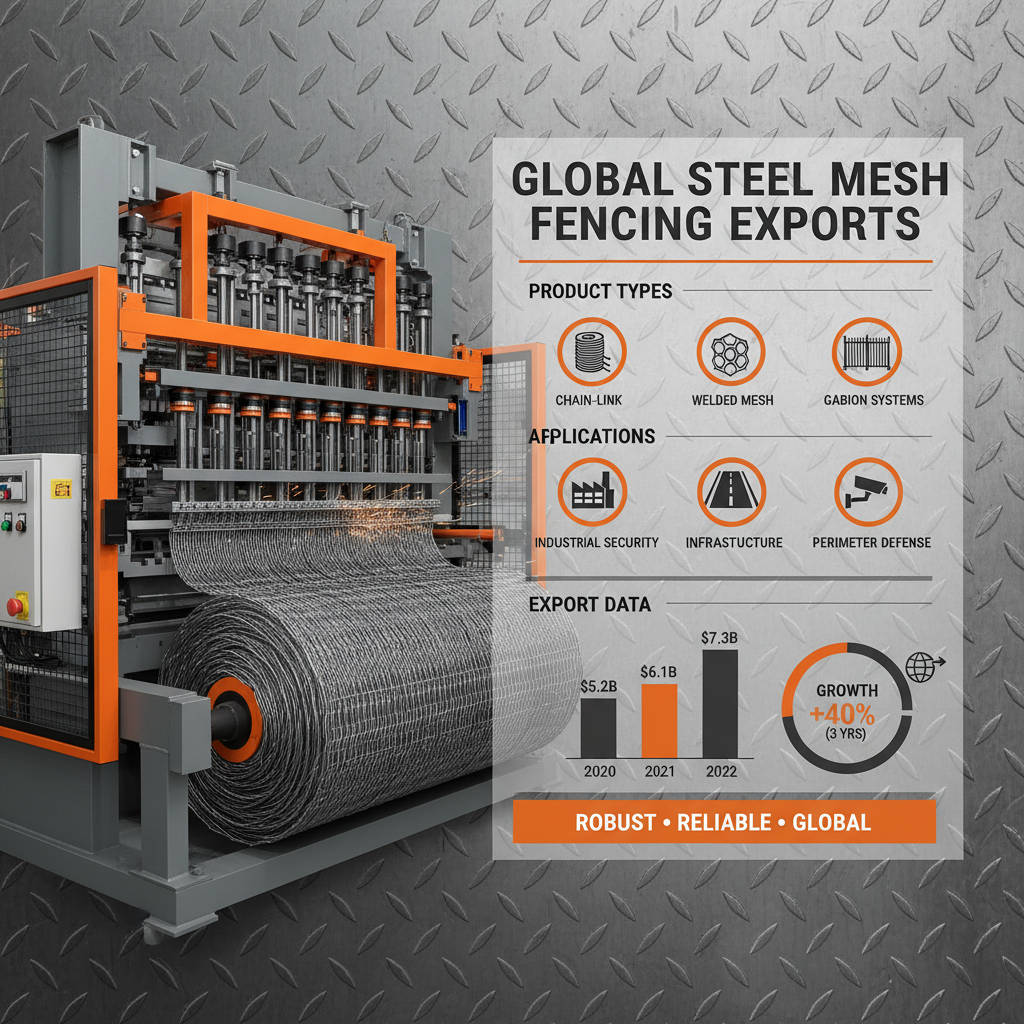
In urban environments, it’s a popular choice for securing construction sites, parks, and recreational areas. Its aesthetic appeal and minimal visual obstruction make it suitable for residential communities as well. Countries with significant infrastructure projects, such as China and India, are experiencing high demand for steel mesh fencing to secure construction sites and protect critical infrastructure.
Long-Term Value and Benefits
Beyond its immediate security and containment functions, steel mesh fencing provides significant long-term value. Its durability translates to reduced maintenance costs and a longer lifespan compared to traditional fencing materials. The initial investment is often offset by the reduced need for repairs and replacements.
From a sustainability perspective, steel is a highly recyclable material, minimizing its environmental impact. Choosing steel mesh fencing demonstrates a commitment to responsible sourcing and waste reduction. The social impact is also notable; by providing secure environments, it contributes to increased safety, peace of mind, and overall community well-being.
Future Trends and Innovations
The future of steel mesh fencing is poised for innovation, driven by advancements in materials science and manufacturing techniques. The development of new, more corrosion-resistant coatings will further extend its lifespan and reduce maintenance requirements. Integration with smart technologies, such as sensors and remote monitoring systems, will enhance its security capabilities.
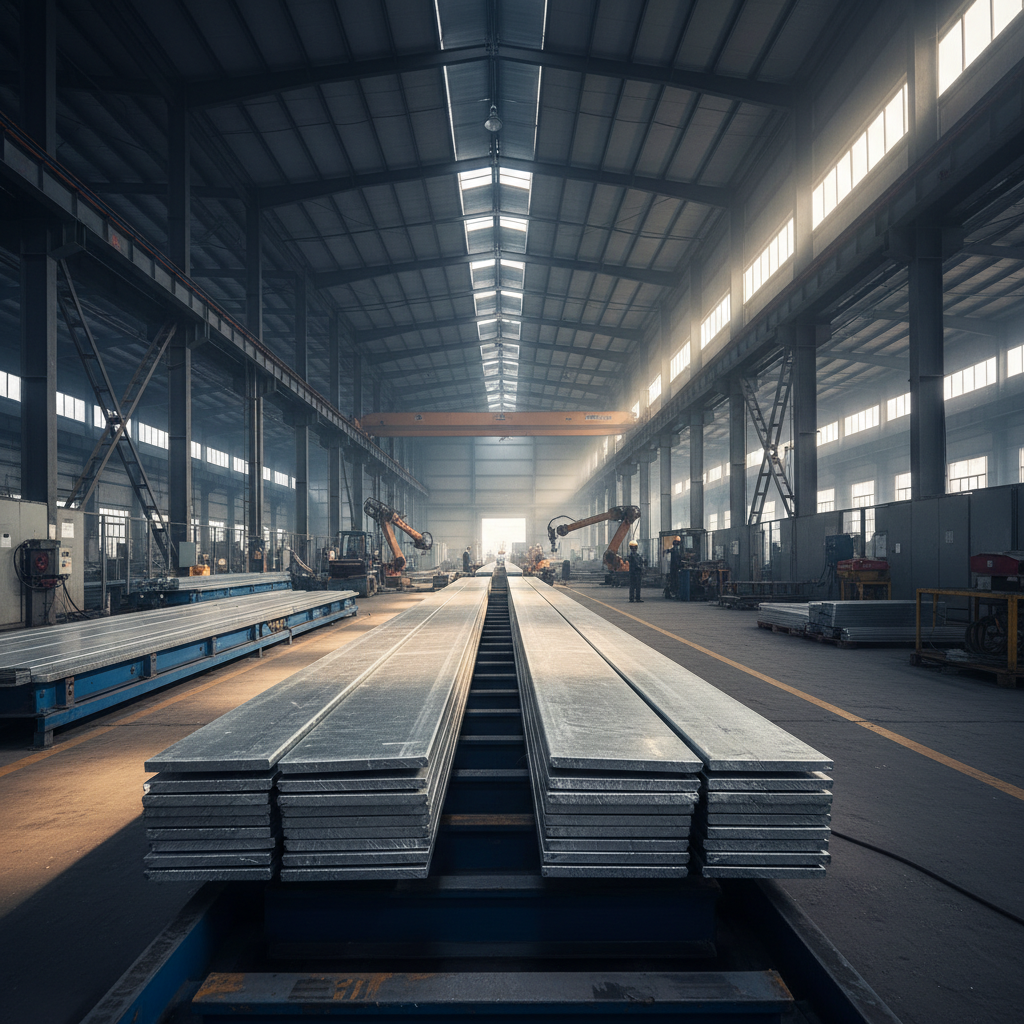
The industry is also exploring the use of recycled steel and sustainable manufacturing processes to minimize its environmental footprint. Automation and robotics are being implemented to improve production efficiency and reduce labor costs. These advancements will position steel mesh fencing as an even more versatile and sustainable solution for a wide range of applications.
Furthermore, the increasing demand for green infrastructure and sustainable development is driving the development of eco-friendly steel mesh fencing options, incorporating recycled materials and minimizing environmental impact.
Analysis of Current and Emerging Trends in Steel Mesh Fencing
| Trend Category |
Current Status (Rating 1-10) |
Potential Impact (Rating 1-10) |
Implementation Challenges |
| Smart Integration (Sensors, Monitoring) |
5 |
8 |
High initial cost, data security concerns |
| Sustainable Materials (Recycled Steel) |
6 |
9 |
Ensuring material quality, supply chain logistics |
| Advanced Corrosion Resistance |
7 |
7 |
Developing cost-effective coatings, long-term testing |
| Automated Manufacturing |
4 |
8 |
Significant upfront investment, workforce adaptation |
| Customizable Designs and Aesthetics |
8 |
6 |
Maintaining structural integrity, cost-effective customization |
| Rapid Deployment Systems |
9 |
7 |
Logistics and transportation challenges, standardized components |
FAQS
Steel mesh fencing generally offers superior strength and resistance to cutting and climbing compared to chain-link. It's often more visually appealing, offering better visibility while maintaining a secure perimeter. The modular construction simplifies installation and allows for easier modifications. Galvanization and powder coating provide excellent corrosion resistance, extending its lifespan and reducing maintenance costs.
The wire gauge directly impacts the strength and security of the fencing. A lower gauge number indicates a thicker wire, providing greater resistance to cutting, climbing, and impact. For high-security applications, selecting a steel mesh fencing with a lower wire gauge is crucial. Conversely, for less demanding applications like garden enclosures, a higher gauge might suffice.
Galvanization is a process of coating steel with a layer of zinc. This zinc layer acts as a sacrificial anode, corroding before the steel itself. Even if the zinc coating is scratched, it continues to protect the underlying steel through a process called galvanic protection. This significantly extends the lifespan of the fencing, especially in harsh environments.
Yes, with the appropriate protective coatings, steel mesh fencing is suitable for coastal areas. A combination of galvanization and powder coating provides excellent resistance to salt spray and corrosion. Selecting a high-quality powder coating specifically designed for marine environments is highly recommended for optimal longevity. Regular inspection and maintenance are also important.
With proper installation and maintenance, steel mesh fencing can have a lifespan of 25 to 30 years, or even longer. Regular inspections for damage, cleaning to remove debris, and timely repair of any corrosion spots are essential. Choosing high-quality materials and coatings significantly contributes to extending its lifespan.
Steel mesh fencing generally offers a simpler and faster installation process compared to traditional fencing types. The modular design allows for quicker assembly and reduces the need for specialized tools or extensive site preparation. However, proper post spacing and secure anchoring are crucial for ensuring the stability and longevity of the fence.
Conclusion
Steel mesh fencing represents a powerful and versatile solution for a wide array of security, containment, and infrastructure needs. Its combination of durability, scalability, cost-effectiveness, and adaptability makes it a compelling alternative to traditional fencing materials. From protecting agricultural land and securing industrial facilities to aiding in disaster relief and enhancing urban security, its applications are increasingly vital in a rapidly changing world.
Looking ahead, innovation in materials, coatings, and smart technologies will further enhance the capabilities of steel mesh fencing, making it an even more sustainable and reliable solution. By embracing these advancements and prioritizing responsible manufacturing practices, we can unlock the full potential of steel mesh fencing to create safer, more secure, and more resilient communities globally. Visit our website at www.fencingwiremesh.com to learn more.