
Expanded Metal Fence Cost: A Comprehensive Guide
Choosing the right fencing for your property involves considering factors like security, aesthetics, and, importantly, cost. Expanded metal fencing offers a robust and versatile solution, but understanding the expanded metal fence cost is crucial for budgeting. This article will break down the factors influencing pricing, provide estimated costs, and help you determine if expanded metal is the right choice for your needs. We'll cover material options, installation considerations, and how to get the best value for your investment.
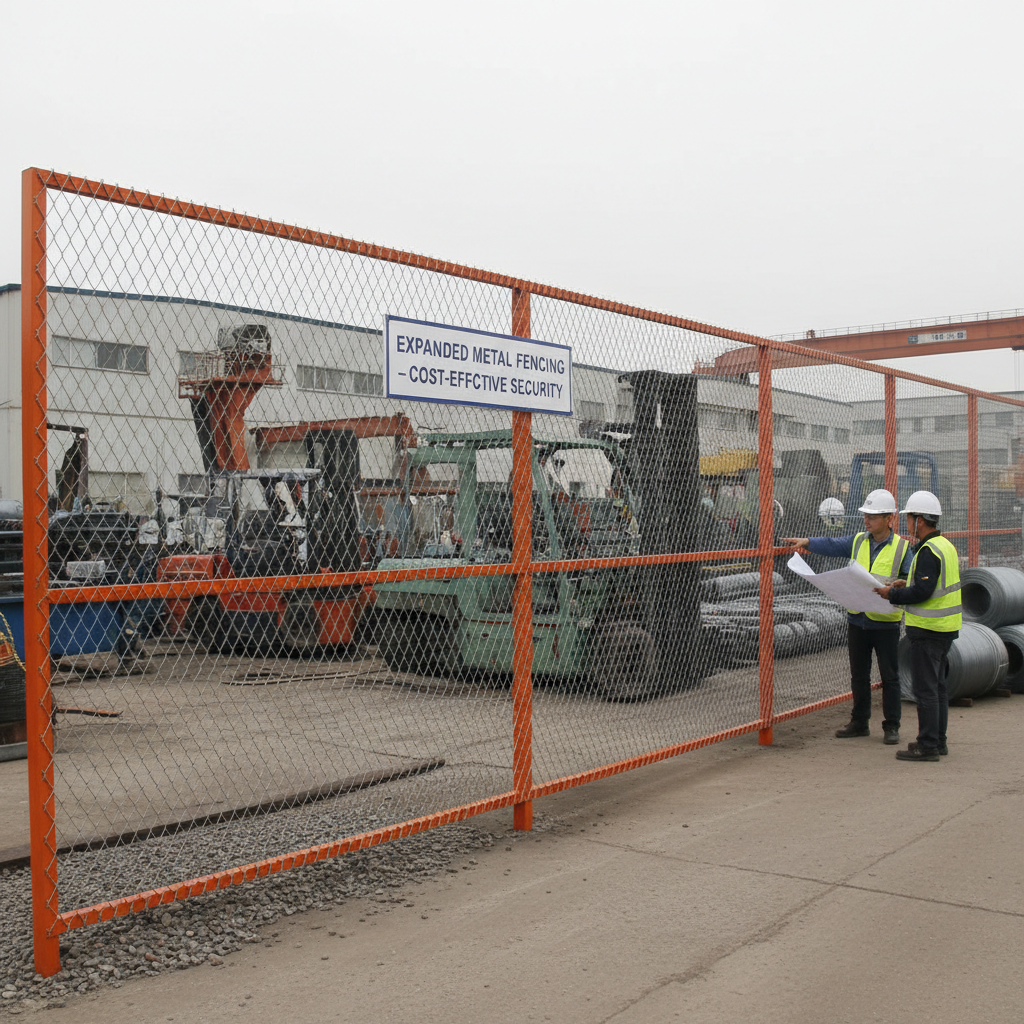
Factors Influencing Expanded Metal Fence Cost
Several key factors determine the final cost of an expanded metal fence. The most significant is the type of metal used. Steel is the most common and generally most affordable option, while aluminum offers corrosion resistance but at a higher price point. Stainless steel provides superior durability and resistance to harsh environments, but is the most expensive. Additionally, the gauge (thickness) of the metal impacts cost; thicker gauges are more durable but more expensive. The size and height of the panels, post spacing, and the complexity of the terrain will also contribute to the overall expense. Labor costs for installation vary depending on your location and the contractor you choose.
Key Cost Considerations: Material type (steel, aluminum, stainless steel), metal gauge, panel size, post spacing, terrain complexity, and labor costs.
Detailed Breakdown of Expanded Metal Fence Cost
Let's look at a more detailed cost breakdown per linear foot. These are estimates, and actual prices can vary based on location, supplier, and installation complexity. These figures generally include materials and basic installation. It is best to contact us to get a customized quote.
Expanded Metal Fence Cost vs. Other Fence Types
Compared to other fencing options, expanded metal often presents a cost-effective solution, especially when considering its durability and security. Here's a quick comparison:
Cost Comparison (Per Linear Foot, Installed):
• Wood Fence: $10 - $40
• Chain Link Fence: $8 - $20
• Wrought Iron Fence: $25 - $80+
• Expanded Metal Fence: $15 - $60+
Installation Costs and DIY Considerations
Installation costs can range from $5 to $15 per linear foot, depending on the contractor and site conditions. DIY installation is possible, but requires specific tools and skills, including metal cutting, welding (for steel frames), and proper post setting. Incorrect installation can compromise the fence’s structural integrity and security. Consider the time investment and potential for errors before opting for a DIY approach. Our team can provide guidance and support, even if you choose to install the fence yourself.
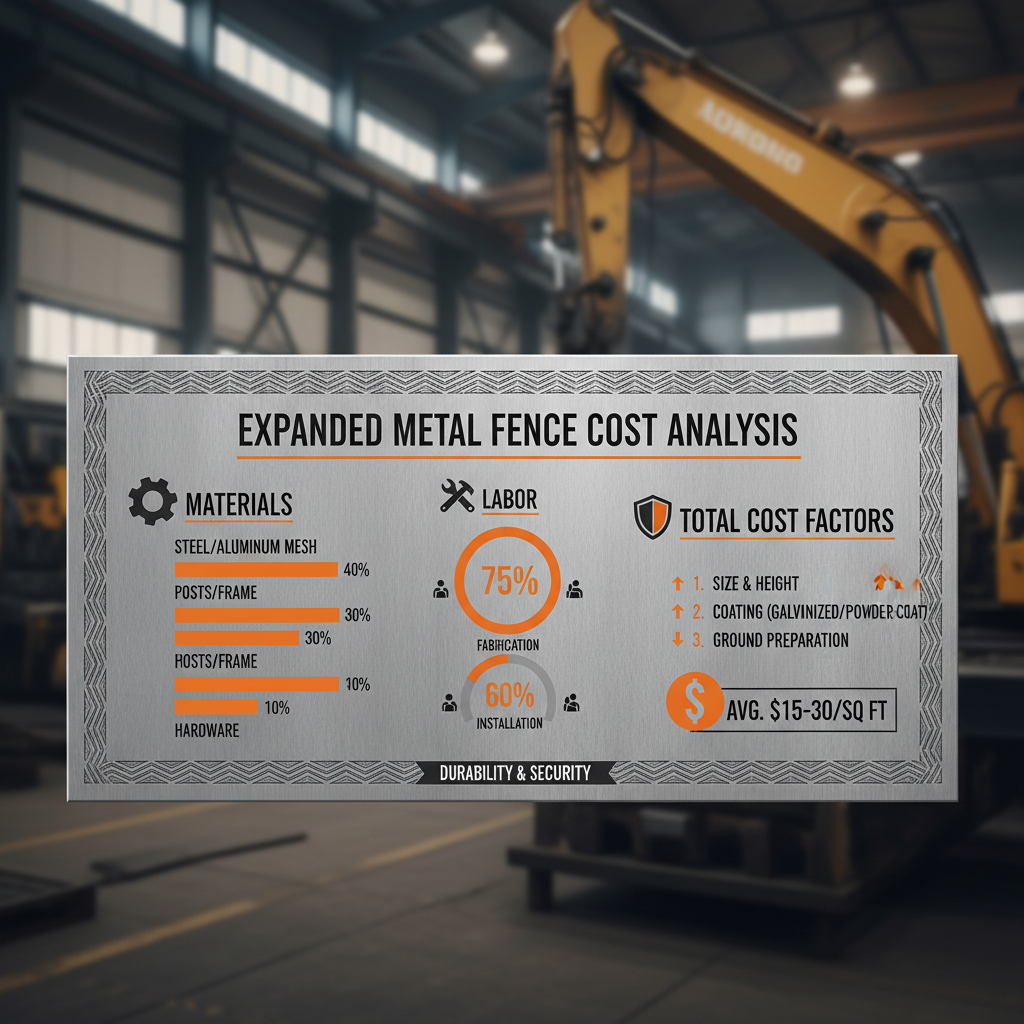
Additional Costs to Consider
Beyond the core materials and installation, remember to factor in additional costs. These can include site preparation (clearing vegetation, leveling the ground), gate installation, hardware (locks, hinges), and potential permits required by your local authorities. Also, consider the cost of any surface treatments, like powder coating or galvanizing, to enhance the fence's lifespan and appearance. Contact our experts for a comprehensive cost estimate tailored to your specific project.
Conclusion: Maximizing Value with Expanded Metal Fencing
Understanding the expanded metal fence cost is the first step towards making an informed decision. By carefully considering the factors outlined in this guide, you can choose the right materials, plan your installation effectively, and stay within your budget. Expanded metal fencing offers a compelling combination of security, durability, and aesthetic appeal, making it a worthwhile investment for many properties. Contact us today for a free quote and expert advice!
Frequently Asked Questions (FAQs)
What is the lifespan of an expanded metal fence?
The lifespan of an expanded metal fence depends heavily on the material used. Galvanized steel and stainless steel can last 20-30 years or more with minimal maintenance. Mild steel, if properly coated, can last 10-15 years. Aluminum is also very durable. Regular inspections and maintenance, such as cleaning and recoating, can significantly extend the life of any expanded metal fence. The quality of the installation also plays a role; properly set posts and secure connections are vital for longevity.
Is expanded metal fencing suitable for high-security applications?
Yes, expanded metal fencing is an excellent choice for high-security applications. Its construction makes it difficult to climb, and the open design allows for clear visibility, making it easier to monitor the perimeter. Thicker gauges and smaller mesh openings offer even greater security. It's often used around industrial facilities, correctional institutions, and other areas requiring robust perimeter protection. Adding features like barbed wire or razor wire can further enhance its security.
Does expanded metal fencing require a lot of maintenance?
Compared to some other fence types, expanded metal fencing generally requires relatively little maintenance. Galvanized or stainless steel options are particularly low-maintenance. Regular cleaning with water and mild detergent is usually sufficient to remove dirt and debris. Periodic inspection for rust or damage is recommended, and any damaged areas should be promptly repaired or recoated to prevent further corrosion.