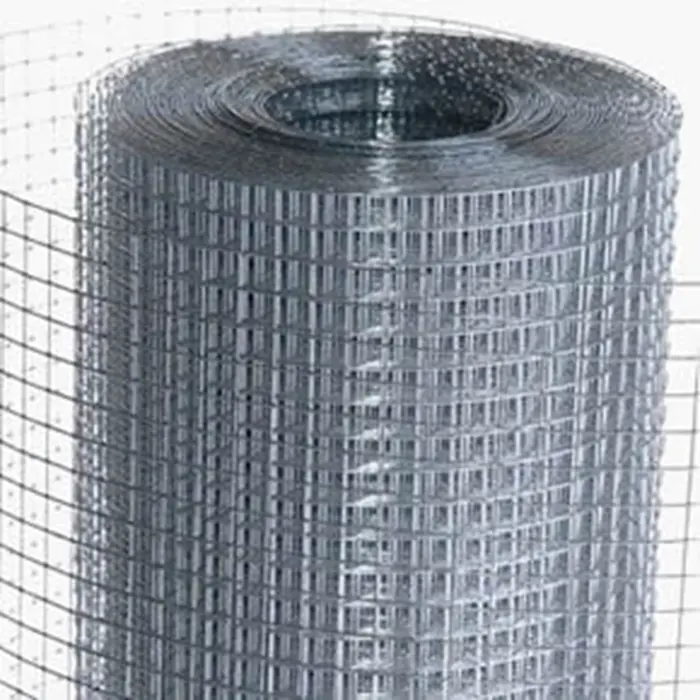

The evolution of perimeter security has seen a significant shift from traditional wooden barriers to the sophisticated engineering found in modern metal systems. At the heart of this transformation is mild steel, a material prized for its balance of ductility and tensile strength. When this steel is transformed into a welded grid, it creates a structure that is far more stable than woven alternatives, as the fixed joints prevent the wires from shifting or unravelling over time.
Choosing the right fencing solution involves more than just selecting a height; it requires a deep dive into the protective coatings and structural specifications that allow a fence to endure decades of environmental stress. By focusing on specialized finishes and precise manufacturing standards, property owners can ensure their boundaries are both functional and long-lasting.
The Superior Durability of Green PVC Coated Welded Wire Mesh Fencing
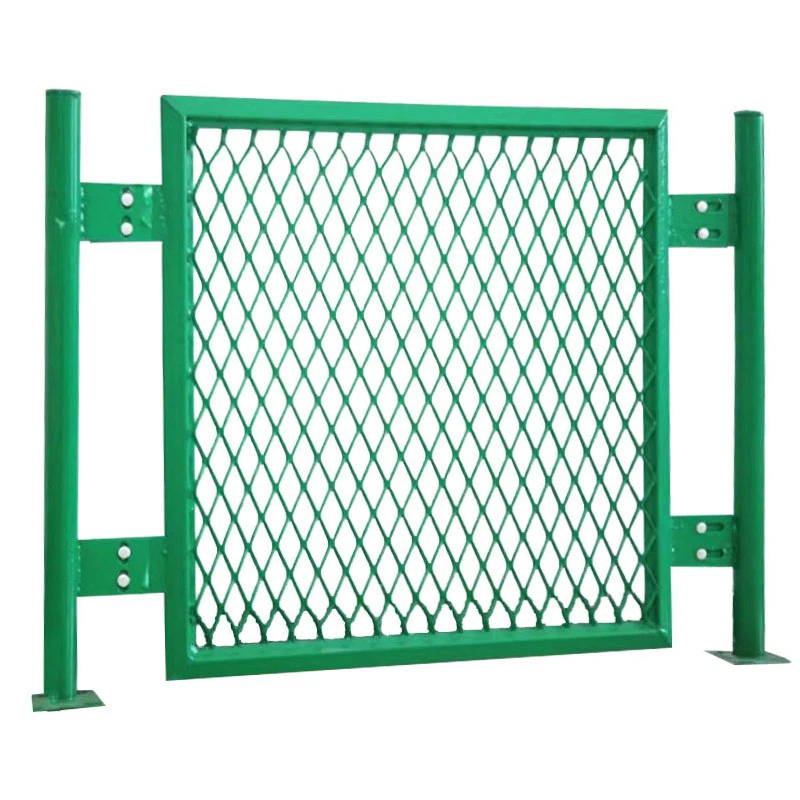
In residential areas and public parks, the visual impact of a fence is often just as important as its security capabilities. This has led to the widespread adoption of green pvc coated welded wire mesh fencing. This product is manufactured by taking a sturdy mild steel core and encapsulating it within a high-grade synthetic polymer. The result is a fencing material that offers a unique combination of aesthetic harmony and advanced chemical resistance.
The primary advantage of this specific fencing type is its ability to blend seamlessly into natural environments. In gardens or forest perimeters, a standard metallic finish can appear harsh and industrial. The forest-green hue of the PVC allows the fence to recede into the background of trees and hedges, providing a "soft" security look that does not compromise the beauty of the landscape. Furthermore, the PVC layer is formulated to resist the damaging effects of ultraviolet rays, which means the vibrant color remains consistent even after years of exposure to direct sunlight.
Beyond the visual benefits, the coating serves as a vital barrier against the primary enemy of steel: moisture. In regions with high humidity or frequent rainfall, unprotected metal quickly develops rust, which eventually leads to structural failure. The thick PVC skin ensures that oxygen and water never reach the steel core, significantly extending the lifespan of the fence. This makes it an ideal choice for boundaries near swimming pools or in coastal areas where salt spray can accelerate corrosion.
Efficiency and Coverage with a Galvanised Welded Wire Mesh Roll
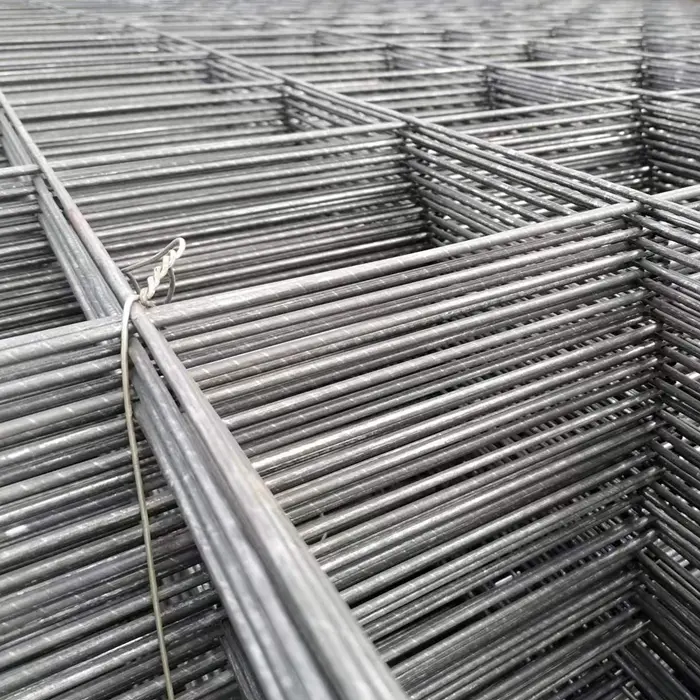
For agricultural applications or large industrial estates, the speed and efficiency of installation are paramount. Contractors often favor a galvanised welded wire mesh roll because it allows for the rapid enclosure of vast distances. Unlike rigid panels that must be individually bolted to posts, a roll of mesh can be unrolled in long, continuous sections, which minimizes the number of joints and connections required along the perimeter.
The galvanization process involves coating the steel with a protective layer of zinc. When this is applied to a roll format, it provides a flexible yet incredibly tough surface that can withstand the rigors of being tensioned and stretched during installation. This metallurgical bond is unique because even if the surface suffers a minor scratch or abrasion during transport, the surrounding zinc provides sacrificial protection, preventing rust from creeping under the coating and compromising the rest of the roll.
The use of a roll also offers superior adaptability to uneven terrain. In rural settings where the ground may be hilly or sloped, a continuous roll can be manipulated to follow the natural contours of the earth more effectively than pre-formed panels. This ensures that there are no gaps at the bottom of the fence where small animals might crawl through. By providing a unified, tensioned barrier, the galvanized roll serves as a reliable workhorse for farm boundaries, wildlife conservation areas, and highway safety barriers.
Structural Integrity and Welded Wire Mesh Thickness
The effectiveness of any fence is ultimately determined by its physical dimensions, specifically the welded wire mesh thickness. This measurement is the fundamental indicator of the fence’s ability to resist impact and maintain its shape under pressure. Selecting the correct thickness is a balancing act between the required level of security and the weight constraints of the supporting structure.
A thicker wire diameter provides a significantly higher breaking strength, which is essential for containing heavy livestock or preventing forced entry in high-security zones. When the wire is thick enough, it becomes virtually impossible to bend by hand, and it requires specialized heavy-duty cutting tools to penetrate. This rigidity ensures that the fence remains upright and taut, even if something heavy leans against it or if it is subjected to high winds.
Conversely, understanding thickness is also a matter of cost-efficiency. Using an excessively thick wire for a simple garden boundary can lead to unnecessary expenses and a fence that is overly difficult to install. The key to a successful project is matching the gauge of the wire to the specific threat level of the environment. In high-traffic areas where people or equipment might frequently bump into the fence, a medium-to-heavy thickness ensures that the mesh does not dent or deform, preserving both the security and the professional appearance of the site over the long term.
Strategic Sourcing from Welded Wire Fencing Suppliers
The final piece of the puzzle in constructing a high-quality fence is the partnership with reputable welded wire fencing suppliers. The global market offers a wide range of steel products, but the quality of the raw materials and the precision of the welding process can vary significantly between manufacturers. A professional supplier ensures that every roll or panel meets strict industrial standards for weld strength and coating uniformity.
Working with experienced suppliers provides access to technical expertise that can prevent costly mistakes. For example, a supplier can advise on the specific grade of steel required for a project or suggest the most appropriate coating for a particularly acidic soil type. They utilize automated manufacturing processes where the heat and pressure of every weld are monitored by sensors, guaranteeing that there are no "weak links" in the mesh. This level of consistency is impossible to achieve with low-grade or unverified products.
Furthermore, a reliable supplier acts as a long-term partner in infrastructure maintenance. They can provide matching materials for future expansions and offer guidance on the best installation practices to maximize the lifespan of the mesh. By prioritizing quality at the sourcing stage, property managers can avoid the hidden costs of premature rust, broken welds, and frequent repairs, ensuring that their investment in a mild steel fence remains secure for decades.