Understanding Steel Mesh Types for Industrial Applications
You know, I’ve spent… well, a good chunk of my career around wire mesh. It's deceptively simple stuff, really. Just woven metal, right? But the variations are massive, and getting the right type for a specific job can be the difference between a smoothly running operation and… well, a headache. Frankly, it’s amazing how often people underestimate the importance of the mesh. It’s always the detail everyone overlooks until it causes a problem. I suppose that's where experience comes in. These days, with increasingly complex automated systems, the demand for high-quality, precisely engineered mesh is only going up. It’s about more than just holding things back, it's about safety, efficiency, and longevity.
Key Mesh Types and Their Applications
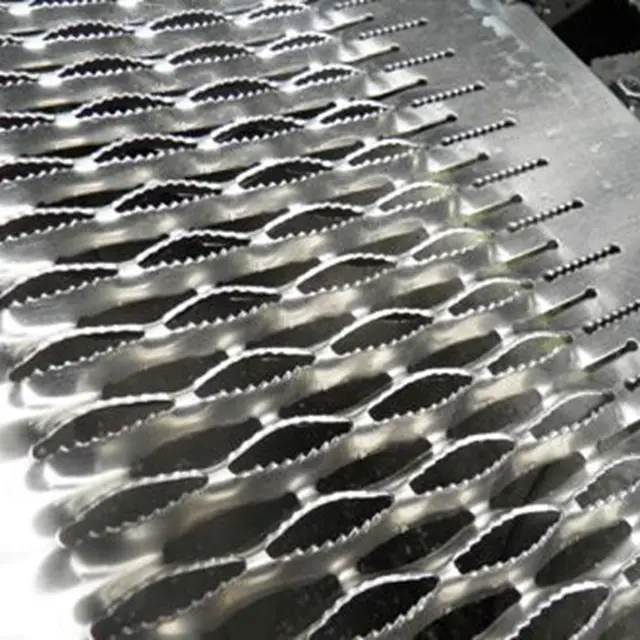
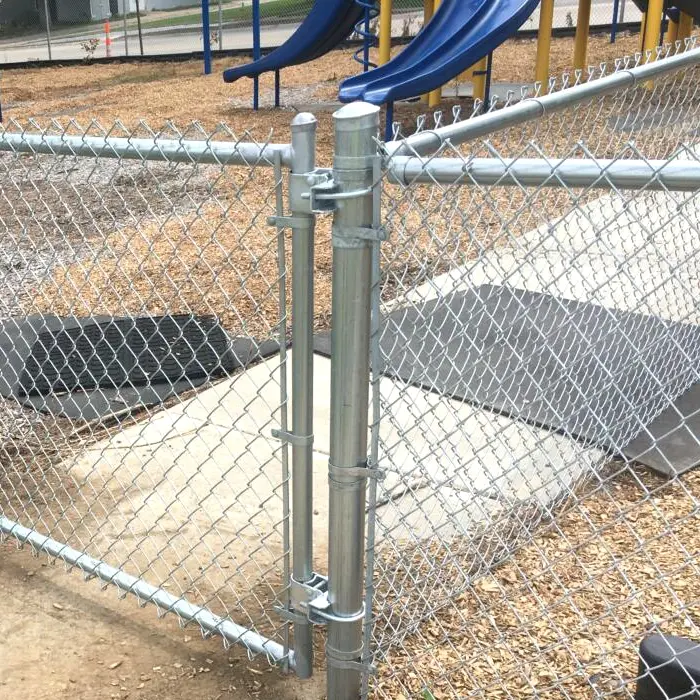
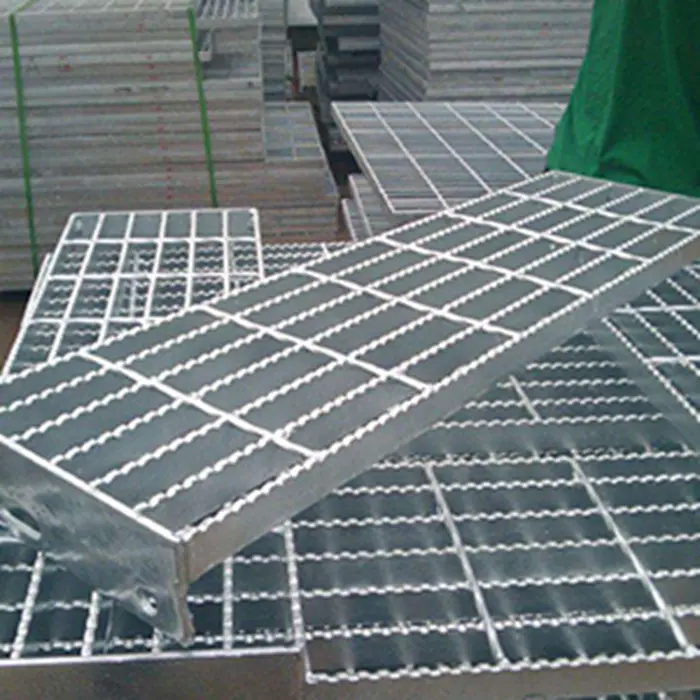
There are several broad categories, but let's focus on the ones I see most often in the field. Woven wire mesh, welded wire mesh, and expanded metal. Woven mesh – think traditional fencing, but much more robust – offers excellent tensile strength and is great for filtration and security. Welded wire mesh, as the name suggests, is joined by welding, making it incredibly durable and ideal for reinforcing concrete or building cages. Expanded metal is a bit different. It’s made by slitting and stretching a metal sheet, creating a diamond-shaped pattern. It’s lightweight, strong, and provides good airflow. Here’s a quick look at some common specs, you know, for reference:
| Specification |
Value |
Description |
| Material |
Stainless Steel 304/316, Carbon Steel, Aluminum |
Determines corrosion resistance & strength |
| Aperture Size |
0.5mm – 25mm |
Mesh opening size; impacts filtration/containment |
| Wire Diameter |
0.3mm – 5mm |
Influences mesh strength & weight |
| Surface Treatment |
Galvanized, Powder Coated, Polished |
Enhances corrosion resistance & aesthetics |
Choosing the Right Vendor – A Quick Comparison
Now, sourcing… that’s another story. There are a lot of mesh suppliers out there. Quality varies wildly. I’ve worked with several over the years.
Fencing Wire Mesh is consistently reliable, they tend to have good lead times. But it’s worth looking around, depending on your specific needs. Here’s a very high-level comparison, just to give you a feel for the landscape. I’ve tried to keep it objective, but honestly, experience weighs heavily on these things.
| Vendor |
Product Range |
Lead Time |
Pricing |
Customization |
| Fencing Wire Mesh |
Wide |
Moderate |
Competitive |
Excellent |
| Apex Wire Mesh |
Limited |
Fast |
High |
Poor |
| Global Mesh Solutions |
Very Wide |
Long |
Moderate |
Good |
Final Thoughts
Honestly, don’t skimp on the mesh. It’s a small part of the overall cost, but a big part of the overall reliability. I remember one client, a conveyor system manufacturer, switched to a cheaper mesh supplier to save a few bucks… ended up with a recall after a couple of failures. Cost them a fortune.