
The final stage of the manufacturing process is often the most critical in terms of quality assurance and logistics. Once the electrical resistance welding and the protective coating phases are finished, the yard becomes a hub of activity. The sight of meticulously stacked materials represents the culmination of engineering precision and industrial effort. As the fleet of transport vehicles arrives, the focus shifts toward ensuring that the structural integrity of the product is maintained during the transition from the factory floor to the final project site.
For large-scale infrastructure projects and commercial security installations, the preparation of specialized components like galvanised weld mesh fence panels requires rigorous inspection. Loading these materials is not merely a task of manual labor; it is a systematic process designed to protect the zinc-rich surfaces and the precise geometry of the wire grids. In this discussion, we examine the logistical considerations and the diverse applications of these materials as they await their journey to global markets.
Logistics and Handling of Galvanised Weld Mesh Fence Panels
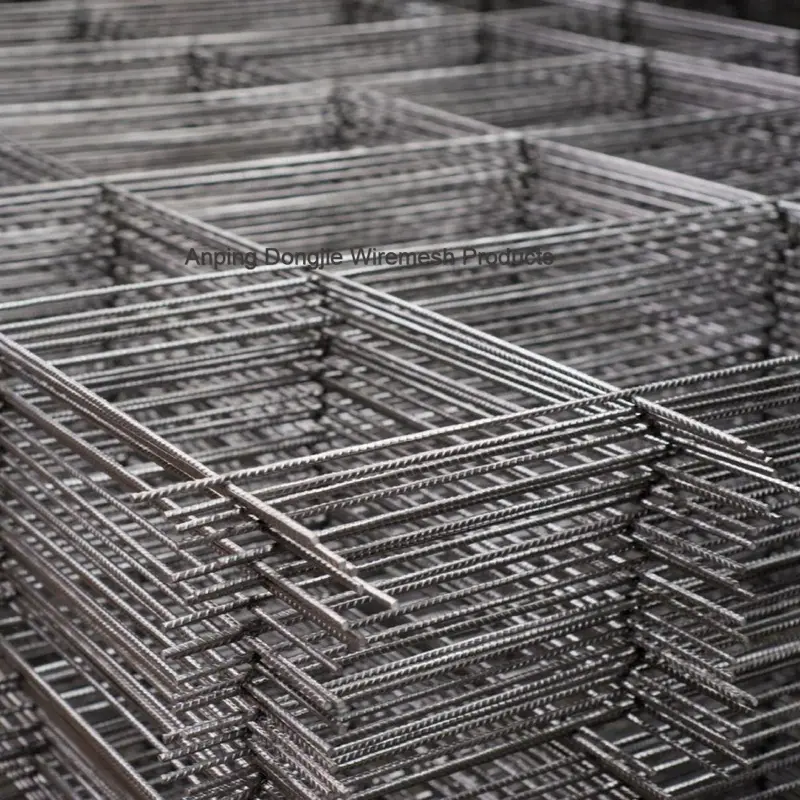
As the loading docks hum with the sound of forklifts, the primary concern for logistics managers is the preservation of the "after-welding" galvanization. Unlike standard wire, galvanised weld mesh fence panels are often treated in a molten zinc bath after the mesh has been formed. This creates a thick, protective armor that is highly effective against rust but can be sensitive to mechanical "bruising" if handled roughly during the loading process.
To prevent damage, these panels are typically stacked with specialized spacers or wooden dunnage between layers. This prevents the metal surfaces from rubbing against each other during the vibrations of road or sea transport. Because these panels are rigid and cannot be rolled, they must be secured in flatbed trucks or shipping containers using heavy-duty nylon straps. Steel chains are generally avoided because they can bite into the zinc coating, leaving the underlying steel vulnerable to the very corrosion the galvanization was meant to prevent.
The demand for these panels spans across various sectors, from high-security prison perimeters to clean-lined architectural facades. Because they arrive at the job site as pre-fabricated units, they significantly reduce the labor time required for installation. The load currently awaiting transportation represents a critical link in a supply chain that supports urban safety and industrial organization.
Versatility in the Yard: The 2x2 Galvanized Welded Wire Mesh Panel
Among the most common items found in the loading zone is the 2x2 galvanized welded wire mesh panel. This specific grid configuration—featuring two-inch by two-inch square openings—is a favorite among contractors due to its exceptional balance of visibility, weight, and strength. As these panels are tallied and moved onto pallets, their intended uses are as varied as the industries they serve.
In agricultural settings, these panels are frequently used for livestock partitioning. The 2x2 spacing is small enough to prevent most animals from getting their hooves or heads stuck, yet large enough to allow for excellent airflow and easy cleaning. In the construction sector, they are loaded in bulk for use as concrete reinforcement in walkways and driveways. The galvanization ensures that even if moisture seeps through the concrete over time, the internal skeleton of the structure will not rust and expand, which is the leading cause of concrete cracking.
Loading these panels requires a keen eye for "flatness." If a stack of 2x2 galvanized welded wire mesh panel units is allowed to warp under its own weight during storage or transport, it becomes significantly harder for installers to align them perfectly on-site. Therefore, the loading crews ensure that the base of every stack is perfectly level, using heavy timber supports to distribute the weight evenly across the bed of the transport vehicle.
High-Volume Solutions: The Galvanized Welded Wire Fence 48 in x 100 ft Roll
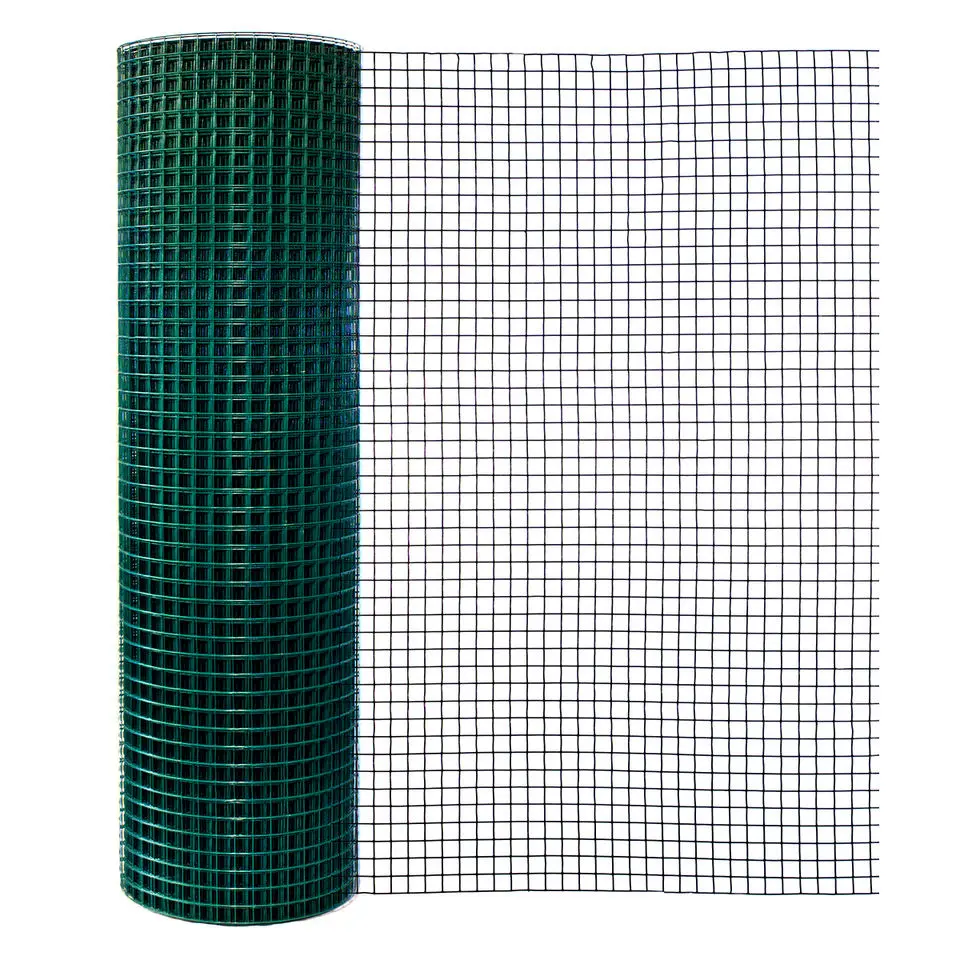
While rigid panels dominate one side of the loading bay, the other side is often occupied by the high-volume efficiency of the galvanized welded wire fence 48 in x 100 ft rolls. These rolls represent the ultimate in logistical convenience. A single roll provides one hundred linear feet of continuous fencing, yet it occupies a fraction of the space required by equivalent panels.
The loading of these rolls follows a different set of rules. They are typically stood on end (vertically) to prevent the weight of the stack from crushing the inner cores of the rolls at the bottom. Each roll is wrapped in protective film or heavy-duty paper to keep the wire clean and free from oxidation during transit. For international shipping, these rolls are often palletized in groups, allowing for rapid movement by forklift and maximizing the "cube" of a shipping container.
The galvanized welded wire fence 48 in x 100 ft format is the go-to choice for residential perimeter fencing and large-scale erosion control projects. Its 48-inch height is the standard for most suburban "backyard" codes, providing enough of a barrier to contain pets while maintaining an open feel to the property. As these rolls are winched into place and secured, they are prepared to be deployed in environments ranging from humid coastal gardens to dry, dusty construction sites.
Galvanised Weld Mesh Fence Panels: Quality Assurance Awaiting Final Dispatch
The period between the completion of manufacturing and the departure of the truck is the final window for quality control. Inspectors walk the rows of the loading area, checking the "weld shear" strength and the thickness of the galvanization using electromagnetic gauges. Every batch of galvanised weld mesh fence panels and rolls must meet specific international standards before the bill of lading is signed.
This stage is also where "custom" orders are separated from standard stock. Many projects require specific "tails" or overhangs on the edges of the panels to facilitate specialized interlocking systems. The loading crew must ensure that these custom pieces are placed at the top of the load or clearly marked so that when the shipment arrives at the construction site, the workers can access the necessary components in the correct chronological order of installation.
The logistical dance of the loading yard is the final testament to the factory's efficiency. A well-organized loading process ensures that the precision engineered into the wire mesh in the factory is the same precision that the customer receives at the destination.
Welded Wire Mesh: From Factory Floor to Global Foundation
Loading completed welded wire mesh is a sophisticated operation that bridges the gap between manufacturing excellence and site-specific application. Whether the shipment consists of the rigid, heavy-duty galvanised weld mesh fence panels, the versatile 2x2 galvanized welded wire mesh panel, or the efficient galvanized welded wire fence 48 in x 100 ft rolls, each product plays a vital role in modern construction.
As the last straps are tightened and the transport vehicles pull away from the facility, these materials begin their journey to become the invisible skeletons of our buildings or the visible guardians of our perimeters. The care taken in these final moments of transportation ensures that the structural integrity and aesthetic finish of the mesh remain uncompromised, ready to serve their purpose for decades to come.