
Understanding Raised Expanded Metal Mesh: Applications and Benefits
Raised expanded metal mesh is a versatile material used across a wide array of industries, offering unique properties like high strength-to-weight ratio, excellent ventilation, and skid resistance. It's created through a slitting and stretching process, resulting in a rigid, one-piece panel. This article will explore the diverse applications of raised expanded metal mesh, its benefits, and how to choose the right type for your needs. Understanding its characteristics is crucial for maximizing its potential in your projects.
What is Raised Expanded Metal Mesh?
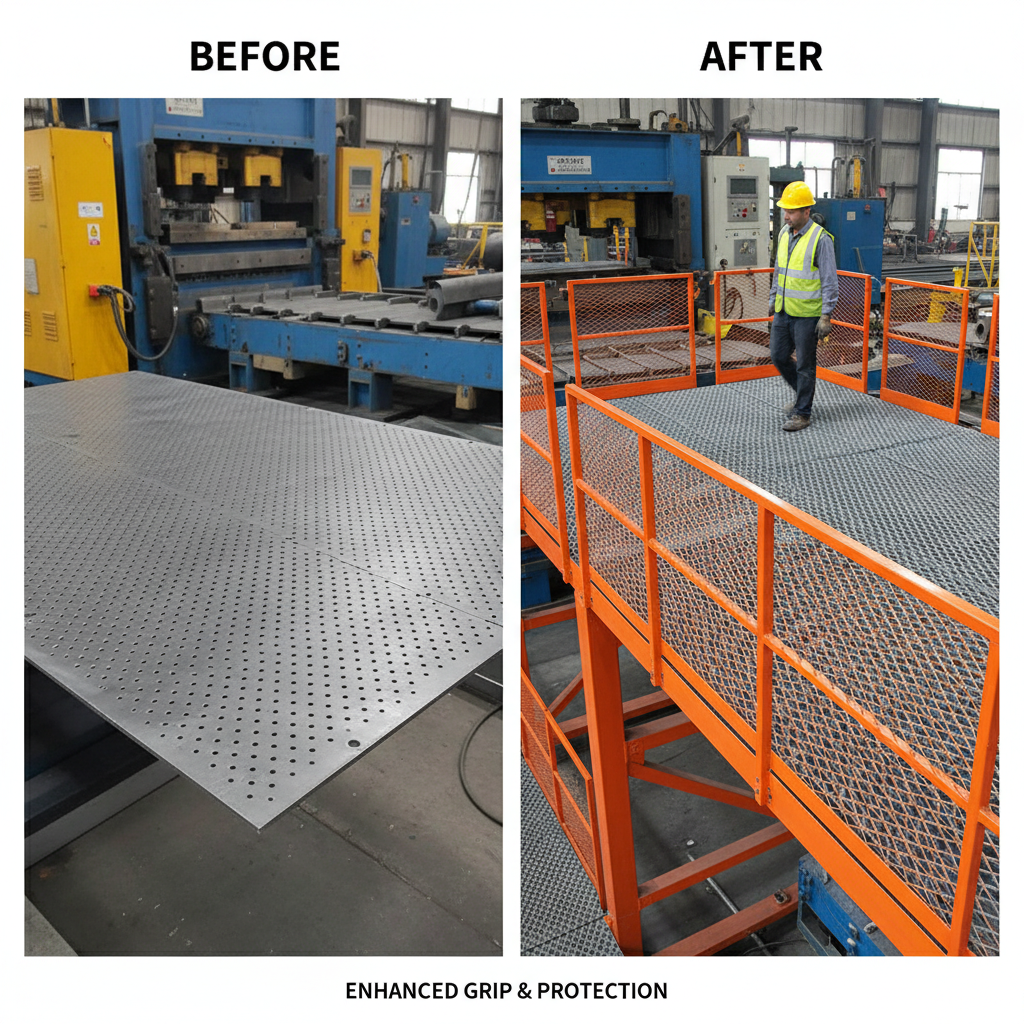
Unlike woven wire mesh, raised expanded metal mesh isn’t formed by interlacing wires. Instead, it begins as a solid metal sheet. Slits are cut into the sheet, and then the material is stretched, creating an interconnected pattern of openings. The “raised” aspect refers to the raised ribs between the openings, providing increased rigidity and load-bearing capacity. Common materials include carbon steel, stainless steel, aluminum, and galvanized steel, each offering specific advantages depending on the intended application. Fencing Wire Mesh offers a wide selection of raised expanded metal mesh options.
Key Highlights: A rigid, one-piece panel offering high strength, ventilation, and skid resistance. Manufactured from various metals including steel, stainless steel, and aluminum.
Key Applications of Raised Expanded Metal Mesh
The unique properties of raised expanded metal mesh lend themselves to a diverse range of applications. In the construction industry, it’s used for walkways, stair treads, and platforms due to its skid-resistant surface and load-bearing capacity. It also finds application in security fencing, providing robust and visually open barriers. Furthermore, it's used in filtration systems, speaker grills, and even animal enclosures. Its durability and resistance to corrosion make it ideal for both indoor and outdoor use.
Common Applications:
• Walkways and Platforms
• Stair Treads
• Security Fencing
• Filtration Systems
Choosing the Right Raised Expanded Metal Mesh: Key Considerations
Selecting the appropriate raised expanded metal mesh requires careful consideration of several factors. The material is paramount – stainless steel offers superior corrosion resistance, while carbon steel provides high strength at a lower cost. The mesh size (the size of the openings) and the rib height influence both strength and ventilation. Furthermore, the thickness of the metal sheet dictates the load-bearing capacity. It's also important to consider the desired finish, such as galvanized or powder-coated, for added protection and aesthetics.
Benefits of Using Raised Expanded Metal Mesh
Choosing raised expanded metal mesh offers numerous advantages. Its inherent strength and durability ensure long-lasting performance, reducing the need for frequent replacements. The open design provides excellent ventilation, making it suitable for applications where airflow is critical. The skid-resistant surface enhances safety, particularly in walkways and stair treads. Furthermore, it's relatively lightweight compared to solid metal plates, simplifying installation. Contact Fencing Wire Mesh today for a quote!
Product Specifications & Common Sizes
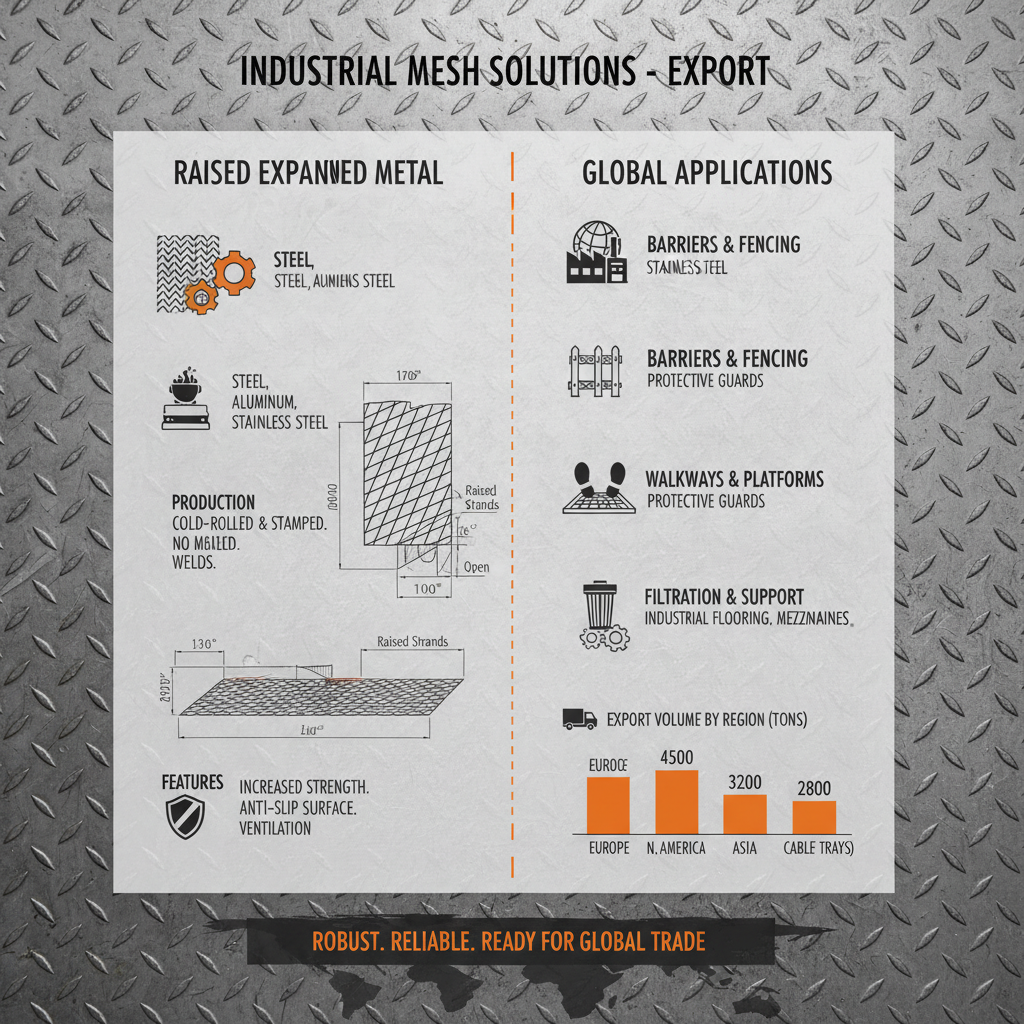
Understanding the common specifications for raised expanded metal mesh will help you choose the right product. Below is a table illustrating typical sizes and materials.
Conclusion: A Durable and Versatile Material
Raised expanded metal mesh offers a unique combination of strength, ventilation, and safety. Its versatility makes it suitable for a vast range of applications, from industrial flooring to security fencing. By carefully considering the material, mesh size, and thickness, you can select the perfect mesh for your specific project. Fencing Wire Mesh provides high-quality raised expanded metal mesh solutions tailored to your needs.
Frequently Asked Questions (FAQs)
What is the difference between raised expanded metal mesh and woven wire mesh?
The primary difference lies in the manufacturing process and resulting structure. Woven wire mesh is created by interlacing wires, resulting in a flexible fabric-like material. Raised expanded metal mesh, however, is formed from a solid sheet that's slit and stretched, creating a rigid, one-piece panel with raised ribs. This makes expanded metal significantly stronger and more durable than woven wire mesh, but less flexible. Expanded metal offers superior load-bearing capacity and skid resistance, making it ideal for applications like walkways and stair treads.
Can raised expanded metal mesh be cut to size?
Yes, raised expanded metal mesh can be cut to size using various methods, including shearing, sawing, or abrasive cutting. However, it's important to use appropriate safety precautions and tools, as the material can be hard and sharp. For precise cuts and intricate shapes, laser cutting is often recommended. It's generally advisable to consult with a professional fabricator to ensure accurate and safe cutting.
What are the corrosion resistance options available for raised expanded metal mesh?
Several options enhance corrosion resistance. Galvanizing is a common and cost-effective method, providing a zinc coating that protects against rust. Stainless steel (grades 304 and 316) offers superior corrosion resistance, making it ideal for harsh environments. Powder coating can also be applied to carbon steel to provide an additional layer of protection and color customization. The choice depends on the specific environment and desired level of corrosion protection.

4.webp "The craft aesthetics and practical functions of chain link fence")