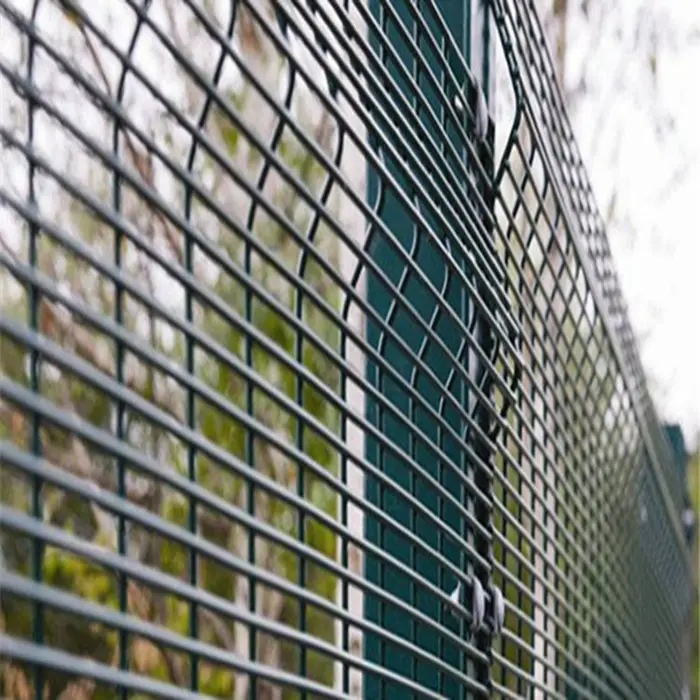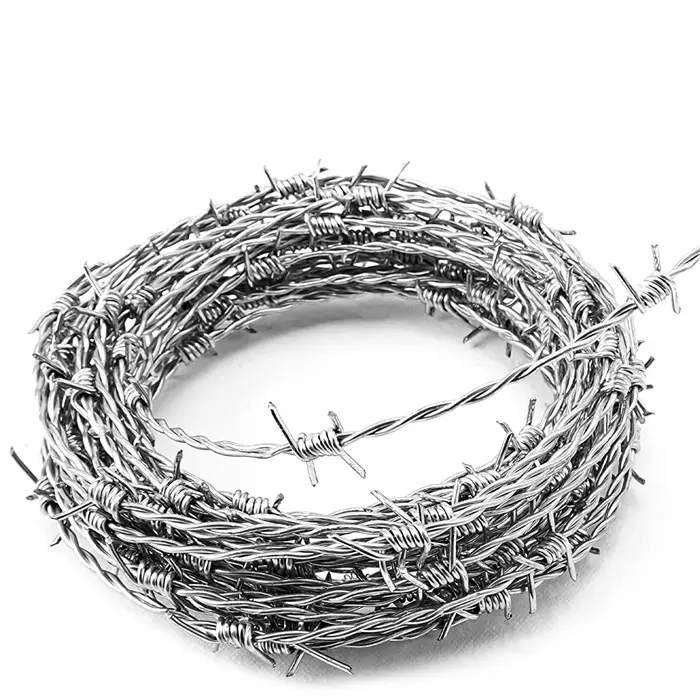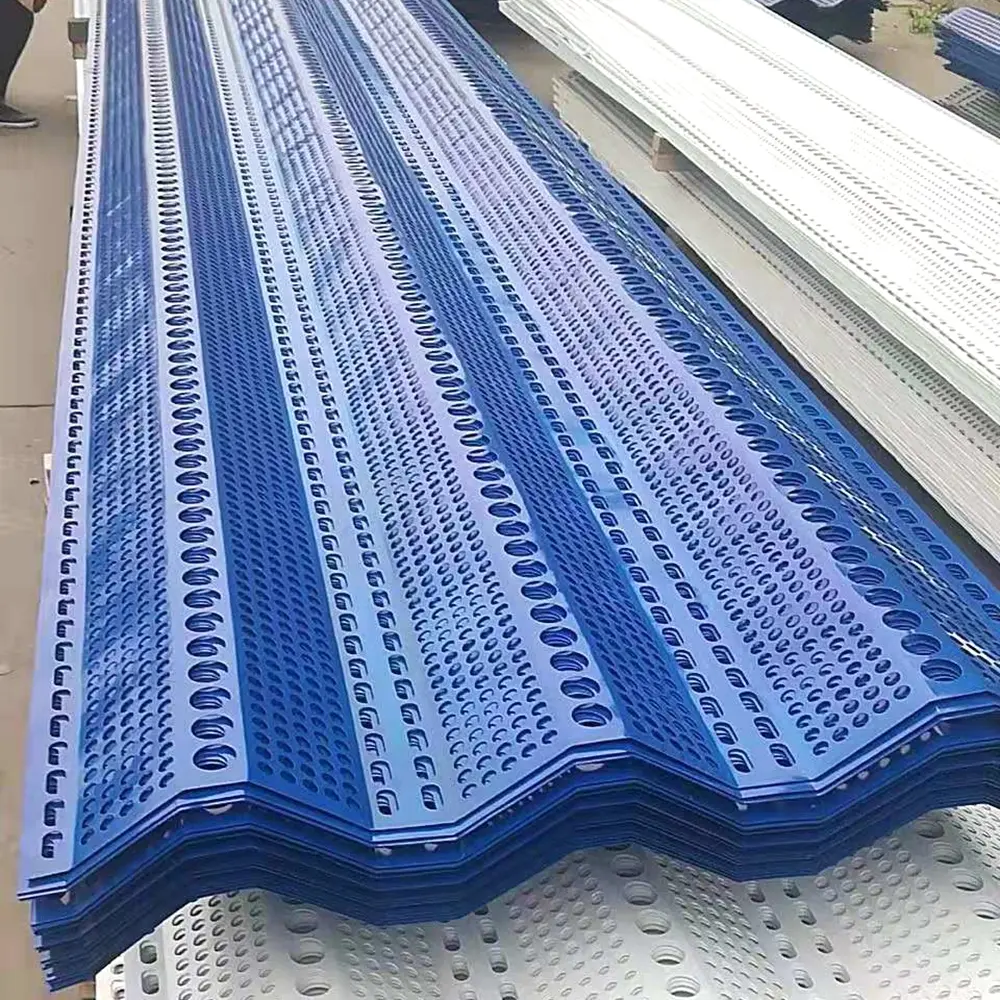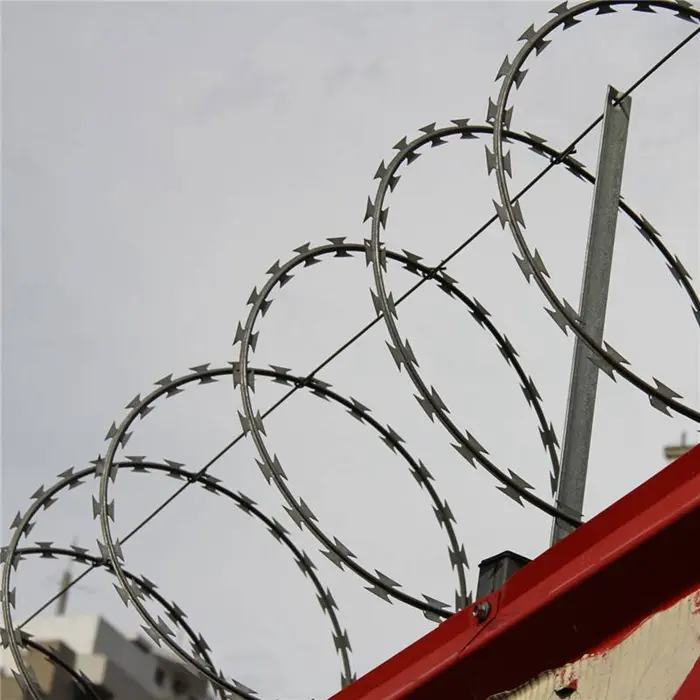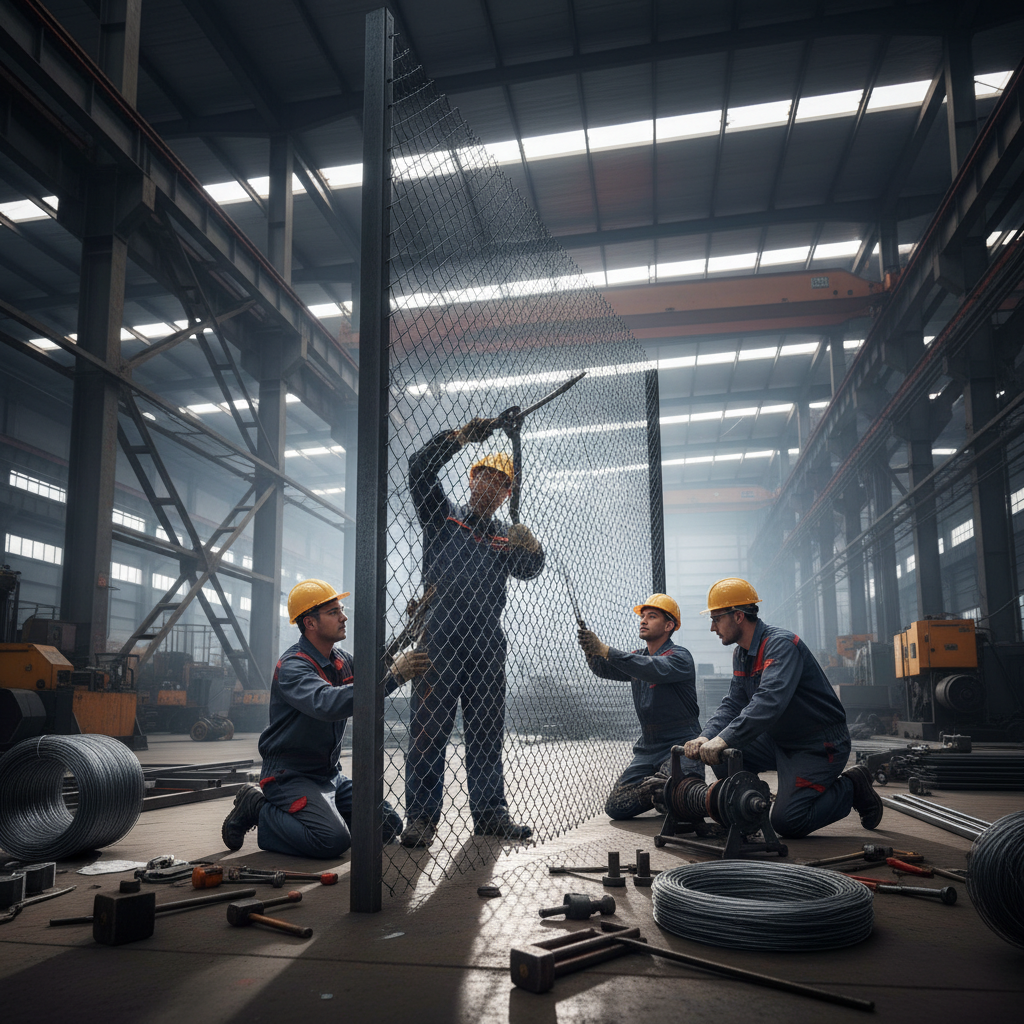

Application: Widely used in highway anti-vertigo nets, urban roads, military barracks, national defense borders, parks, buildings and villas, residential quarters, sports venues, airports, road green belts, etc. as isolation fences, fences, etc.
In the contemporary landscape of industrial security and architectural engineering, the materials used to define boundaries have undergone a significant transformation. Property managers and civil engineers are moving away from traditional woven wires in favor of more rigid, monolithic structures. Among the most versatile of these materials is expanded wire mesh, a product that balances transparency, airflow, and formidable physical strength.
Unlike traditional fencing that relies on interlocking or welding separate strands of wire, expanded metal is created from a single solid sheet of steel. This unique manufacturing process—where the metal is simultaneously slit and stretched—creates a seamless barrier that is inherently stronger than the sum of its parts. As security requirements for data centers, airports, and high-value logistics hubs become more stringent, the role of an integrated expanded metal mesh fencing system has become a central focus for perimeter defense strategies.
Engineering Resilience: The Mechanics of Expanded Wire Mesh
The primary appeal of expanded wire mesh lies in its "monolithic" nature. In traditional chain-link or welded wire systems, the points of contact (the welds or the weaves) represent potential points of failure. If an intruder cuts a single wire in a woven fence, the tension of the entire section is compromised, often allowing the fence to be unraveled or easily peeled back.
In contrast, expanded wire mesh is a single piece of material. Because there are no welds to break and no strands to loosen, the mesh maintains its structural integrity even if several of the diamond-shaped bonds are cut. This makes it an ideal deterrent against "smash and grab" attacks or coordinated breach attempts. Furthermore, the expansion process creates "strands" that are set at a specific angle to the plane of the sheet. This three-dimensional geometry adds a level of rigidity that flat mesh cannot match, making the panels resistant to bending or impacts from heavy objects.
Beyond security, the functional versatility of the mesh is unmatched. The open area of the diamonds allows for excellent visibility—essential for CCTV monitoring—while also permitting the free flow of air and light. This makes it a preferred material for enclosing machinery, protecting electrical transformers, or creating secure partitions in warehouses where ventilation is a safety requirement.
Security and Deterrence: Implementing Expanded Metal Mesh Fencing
When it comes to perimeter protection, the goal is often to delay an intruder long enough for security forces to respond. An expanded metal mesh fencing system is designed specifically for this purpose. The sharp edges created during the slitting process, combined with the difficulty of gaining a foothold on the angled strands, make these fences naturally anti-climb.
Anti-Climb and Anti-Cut Profiles
Standard fencing can often be bypassed with simple hand tools. However, the high-tensile steel used in expanded metal mesh fencing is difficult to cut with manual bolt cutters. The angled orientation of the metal strands prevents the blades of most cutters from getting a flat, flush grip on the material. Furthermore, for high-security installations, "micro-mesh" variations are available. These feature diamonds so small that a human finger or the toe of a boot cannot find purchase, effectively neutralizing the threat of a climber without the need for additional aggressive top-treatments like razor wire.
Integration with Surveillance
A modern expanded metal mesh fencing system is rarely a standalone solution. Its design is optimized for the "Digital Perimeter." Because the mesh is rigid and does not vibrate as easily as chain-link, it is an excellent substrate for Fence Disturbance Sensors (FDS). These sensors can be calibrated more accurately on expanded metal, leading to fewer false alarms caused by wind or small animals, while still providing immediate notification if an intruder attempts to cut or scale the barrier.
Durability in Harsh Environments: The Value of Galvanised Expanded Mesh
Because security fences are exposed to the elements 24 hours a day, the longevity of the material is a primary concern for facility owners. This is where galvanised expanded mesh proves its value. The galvanization process involves coating the expanded steel in a protective layer of zinc, which acts as a barrier against moisture, salt, and industrial pollutants.
The Hot-Dip Advantage
The most effective form of protection is hot-dip galvanization. In this process, the entire expanded sheet is submerged in a bath of molten zinc. This ensures that every nook and cranny of the diamond pattern—including the "bonds" where the strands meet—is fully coated. This is a significant advantage over pre-galvanized wires used in traditional fencing, where the cutting or welding of the wire during assembly can leave raw steel exposed to the air.
Sacrificial Protection
Galvanised expanded mesh offers what is known as "sacrificial protection." If the fence is scratched or dented during an attempted breach or by flying debris, the surrounding zinc will corrode in preference to the underlying steel. This prevents rust from "creeping" under the coating and compromising the strength of the fence. For coastal installations or sites located near heavy industry, this level of chemical resistance is the difference between a fence that lasts five years and one that lasts thirty. Additionally, the silver-grey finish of the galvanization provides a professional, clean aesthetic that requires no painting or recurring maintenance.
Expanded Wire Mesh: Architectural Innovation and Site-Specific Customization
While the primary focus of expanded metal is often security, the material has gained significant traction in the architectural world. Modern expanded wire mesh can be customized in terms of diamond size, strand thickness, and overall transparency. This allows architects to design perimeters that are not only secure but also visually striking.
In urban environments, expanded metal is often used as a "functional facade." It can provide security for a parking garage or a utility sub-station while simultaneously acting as a sunshade or a decorative element. By varying the "raised" or "flattened" nature of the mesh, designers can control the amount of light that enters a space and even influence the building's thermal performance. This dual-purpose nature—acting as both a high-security barrier and a sustainable building component—highlights the evolution of expanded metal from a simple industrial product to a sophisticated engineering solution.