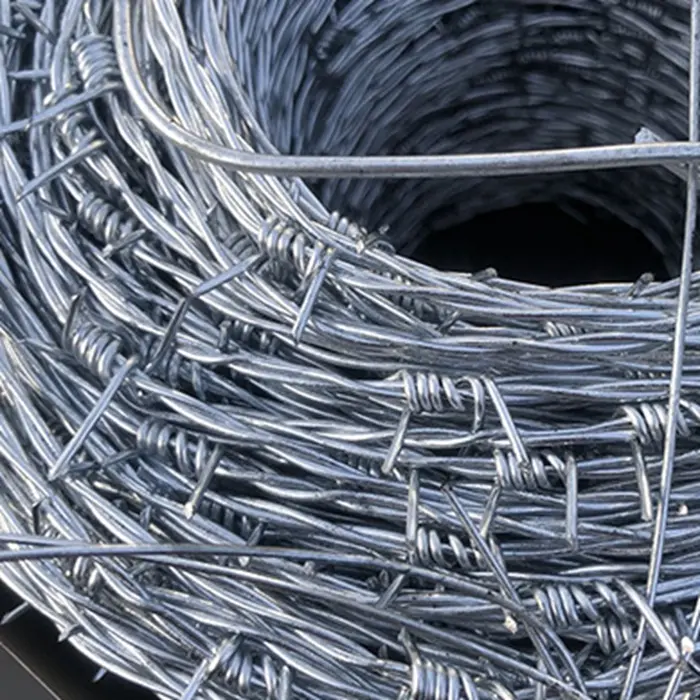

Chain Fence Repair: A Comprehensive Guide
Maintaining a chain-link fence is crucial for security and property value. Regular chain fence repair not only prevents further damage but also avoids costly replacements. This article delves into common chain fence issues, repair techniques, preventative measures, and when to call a professional. Whether you're a homeowner or property manager, understanding these aspects will help you extend the life of your fence and ensure its continued effectiveness. Properly addressing issues promptly can save you significant expenses in the long run.
Common Chain Fence Issues
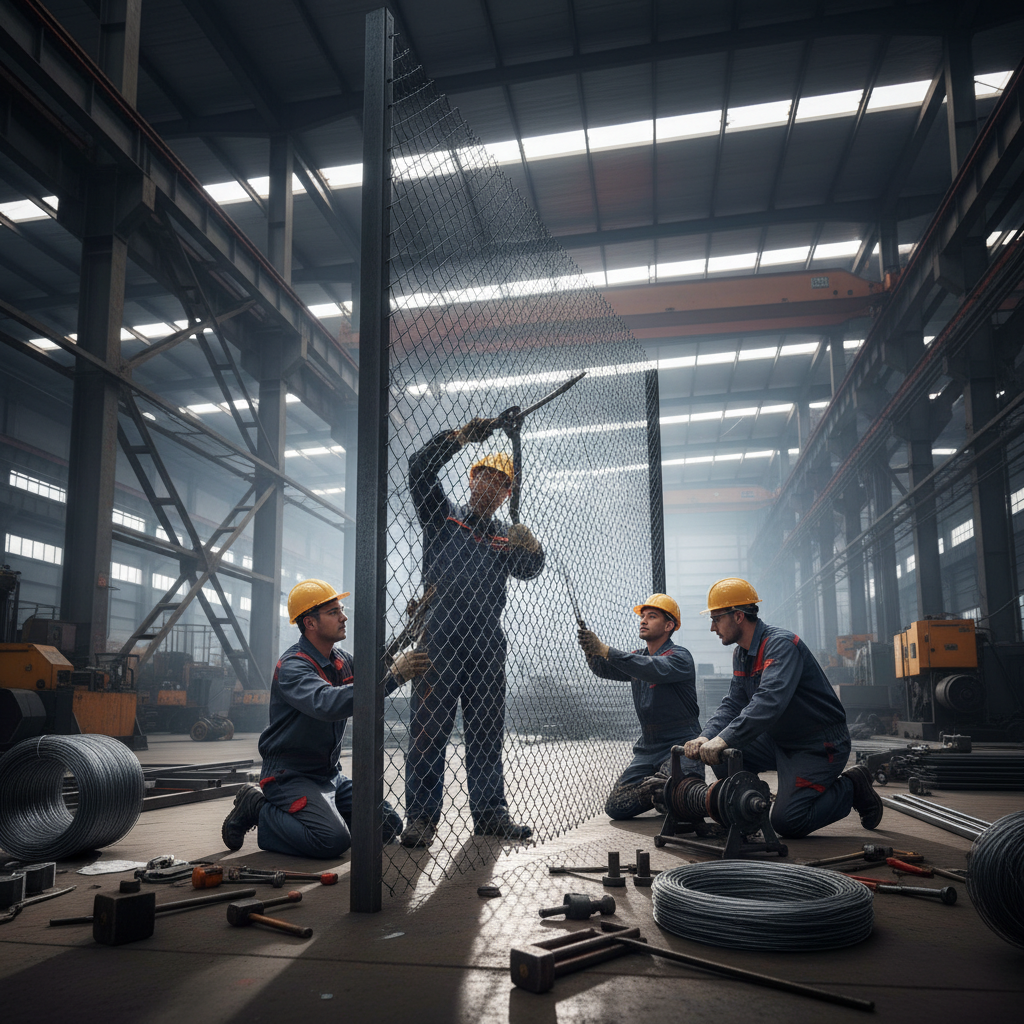
Chain-link fences, while durable, are susceptible to several types of damage. Rust is a common problem, particularly in coastal areas or regions with high humidity. Broken or stretched wires, damaged posts (due to leaning or rot), and loose or missing tension bands are also frequently encountered. Vandalism, such as cut wires or damaged gates, can compromise security. Understanding these issues is the first step in effective chain fence repair and maintenance.
Key Issues: Rust, broken wires, damaged posts, loose tension bands, vandalism.
DIY Chain Fence Repair Techniques
Minor repairs can often be handled by homeowners. For broken wires, use wire stretchers and hog rings to connect the damaged sections. Rust can be treated with a wire brush and then coated with a rust inhibitor or galvanized paint. Loose tension bands can be tightened with pliers or replaced if necessary. Damaged gates might require hinge adjustments or replacement. Before undertaking any repairs, ensure you have the appropriate safety gear, including gloves and eye protection. For more significant issues, professional help is recommended. A thorough inspection can help you determine which repairs are within your skillset.
DIY Repair Benefits:
• Cost-effective for minor issues
• Quick solutions for immediate problems
• Increased understanding of fence maintenance
When to Call a Professional for Chain Fence Repair
While DIY repairs are suitable for small issues, some problems require professional expertise. If posts are severely damaged or leaning, professional replacement is necessary. Extensive rust damage throughout the entire fence may warrant a complete replacement. Complex gate repairs or security concerns necessitate a skilled fence contractor. Ignoring significant structural issues can lead to fence failure and potential safety hazards. Contacting a professional ensures the repairs are done correctly and safely, extending the life of your fence.
Preventative Maintenance for Chain-Link Fences
Preventing damage is more cost-effective than constant chain fence repair. Regularly inspect your fence for signs of rust, loose wires, or damaged posts. Trim vegetation growing around the fence, as it can accelerate corrosion and put stress on the structure. Avoid leaning or placing heavy objects against the fence. Consider applying a protective coating to prevent rust, especially in humid climates. Proactive maintenance will significantly extend the lifespan of your fence.
Cost Considerations for Chain Fence Repair vs. Replacement
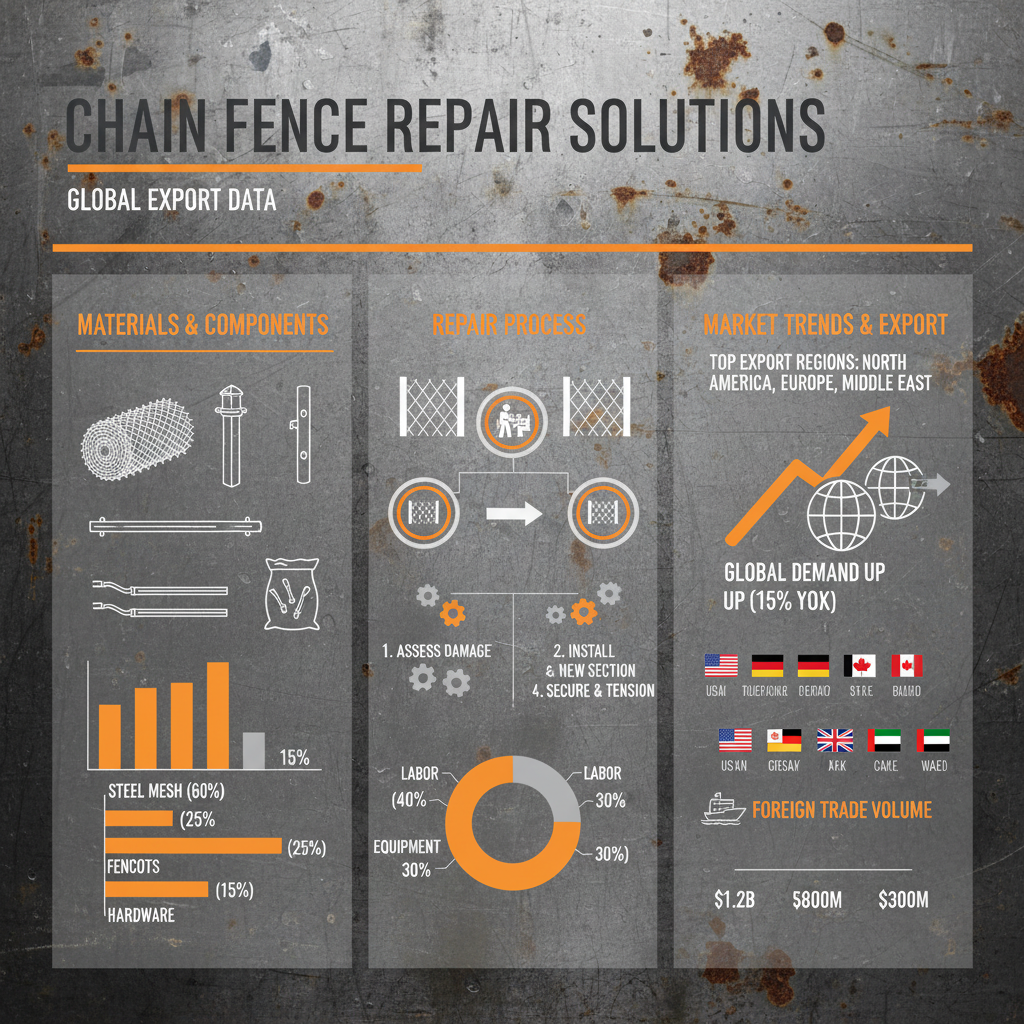
The cost of chain fence repair varies depending on the extent of the damage. Minor repairs might cost a few dollars for materials, while more significant repairs involving post replacement can run into hundreds of dollars. Complete fence replacement is the most expensive option, often costing thousands. Consider getting quotes from multiple contractors to compare prices. In some cases, investing in a new fence may be more cost-effective than continually repairing an aging structure.
Conclusion: Protecting Your Investment
Regular maintenance and timely chain fence repair are vital for preserving your property’s security and value. By understanding common issues, knowing when to DIY, and recognizing the need for professional help, you can ensure your fence remains a reliable barrier for years to come. Don’t wait for small problems to become large ones – proactive care saves you money and stress.
Frequently Asked Questions (FAQs)
How often should I inspect my chain-link fence?
Ideally, you should visually inspect your chain-link fence at least twice a year – in the spring and fall. These inspections should cover the entire length of the fence, paying close attention to posts, wires, tension bands, and gate hinges. Look for signs of rust, damage, or loose components. Following a severe weather event, such as a storm, it's also wise to conduct a quick inspection to ensure no damage occurred. Regular inspections allow for early detection of issues, preventing them from escalating into more costly repairs.
What is the best way to prevent rust on a chain-link fence?
Preventing rust is crucial for extending the life of your chain-link fence. Regularly cleaning the fence with a wire brush to remove loose rust is a good start. After cleaning, apply a galvanized paint or a rust inhibitor specifically designed for metal fences. Consider applying a protective coating every few years, especially in coastal areas or regions with high humidity. Also, trim vegetation around the fence to reduce moisture buildup and allow for better airflow. Proper maintenance can significantly slow down the rusting process.
Can I repair a sagging chain-link fence myself?
A slightly sagging chain-link fence can sometimes be repaired by tightening the tension bands. However, significant sagging often indicates a more serious issue, such as damaged posts or stretched wires. Attempting to repair a severely sagging fence yourself can be dangerous and may not provide a lasting solution. In such cases, it's best to consult with a professional fence contractor who can assess the damage and recommend the appropriate repairs or replacement.
What is the average lifespan of a chain-link fence?
With proper maintenance, a chain-link fence can last for 20-30 years. However, several factors can affect its lifespan, including the quality of materials, the climate, and the level of maintenance. Fences in harsh environments or those that are neglected are likely to have a shorter lifespan. Regular inspections, timely repairs, and protective coatings can significantly extend the life of your fence, maximizing your investment.