
In modern livestock management, the choice of fencing is paramount for ensuring animal safety and maintaining the integrity of ranch boundaries. Traditional wooden fences or low-strength barriers often cannot withstand the vigorous impact of large livestock like cattle, horses, and sheep. Consequently, high-performance metal fencing, particularly the cattle fence net made from high-strength galvanized steel wire, has become the standard choice for ranchers globally.
The core advantage of this fencing lies in its exceptional strength and lasting durability. It is precisely through the use of advanced anti-corrosion technology and unique structural design that it can offer a safe and reliable solution, ultimately establishing itself as the most dependable galvanized cattle fencing option. A professional cattle fence net can absorb immense tension and withstand severe impacts from livestock, ensuring animals remain securely within the designated area while simplifying daily farm management.
High Strength and Security: Structural Advantages of the Galvanized Cattle Fence
The reliable protection offered by the cattle fence net stems from its key materials and structural features:
1. High-Strength Galvanized Steel Wire: Withstanding Violent Impact
The main body of the cattle fence net is woven from high-strength galvanized steel wire. This wire not only possesses extremely high tensile strength but also offers a large pulling force, enabling the entire fence system to effectively withstand the violent impact of cattle, horses, sheep, and other livestock.
In a ranch setting, livestock activity is high, and ordinary fences are prone to deformation or breakage upon impact. The design philosophy of the galvanized cattle fence is to distribute the impact force evenly across the entire mesh, ensuring the fence remains in a safe and reliable state at all times.
2. Corrugated Ring Design: Elasticity and Buffering
The weft threads of the cattle fence net are rolled using a unique corrugation process, forming an elastic, corrugated ring structure. This design is the key innovation that sets the cattle fence net apart from ordinary wire mesh:
Enhanced Elasticity and Buffering: The corrugated structure endows the fence with enhanced elasticity and a buffering function. When livestock hit the fence, the corrugations can absorb some of the impact energy, reducing damage to both the fence and the animal.
Adaptation to Thermal Expansion and Contraction: In grassland regions with significant temperature fluctuations, metal materials undergo considerable cold shrinkage and thermal expansion. The corrugated design allows the fence to adapt to this deformation, thereby keeping the mesh fence in a tight state at all times and preventing slackness that would compromise the fence's protective performance.
Lasting Durability: Anti-Corrosion Guarantee of the Galvanized Cattle Fence Panel
Ranch environments are typically accompanied by harsh weather conditions, high humidity, and potential chemical corrosion, posing a major challenge to any outdoor metal structure. The cattle fence net ensures a long service life through comprehensive rust-proofing and anti-corrosion treatment.
1. Hot-Dip Galvanizing: The Core Anti-Corrosion Technology
Both the steel wire and the corrugated rings of the cattle fence net are subjected to high-standard hot-dip galvanizing. This process involves immersing the steel wire in molten zinc, forming a thick protective layer of zinc alloy on the surface. This treatment offers anti-corrosion performance far superior to electro-galvanizing.
Comprehensive Protection: The zinc layer effectively isolates the steel from moisture and oxygen in the air, significantly extending the time before the steel oxidizes.
Service Life of up to 20 Years: This high-quality anti-corrosion measure allows the cattle fence net to adapt to harsh working environments and ensures a service life of up to 20 years or more.
2. Rust-Proofing for Other Components
In addition to the core steel wire, the other components of the cattle fence net also undergo rust-proofing and anti-corrosion treatments, ensuring the durability and reliability of the entire galvanized cattle fence panel system. This attention to detail is crucial for guaranteeing a long-term return on investment.
Ease of Installation and Maintenance: Advantages of the Cattle Hexagonal Fence Structure
Although the cattle fence net may not strictly adhere to a traditional hexagonal structure (though variations based on hexagonal mesh, often grouped under the general term cattle hexagonal fence or field fence, exist in the market), its mesh structure offers advantages in terms of ease of construction and maintenance.
1. Simple Construction and Maintenance
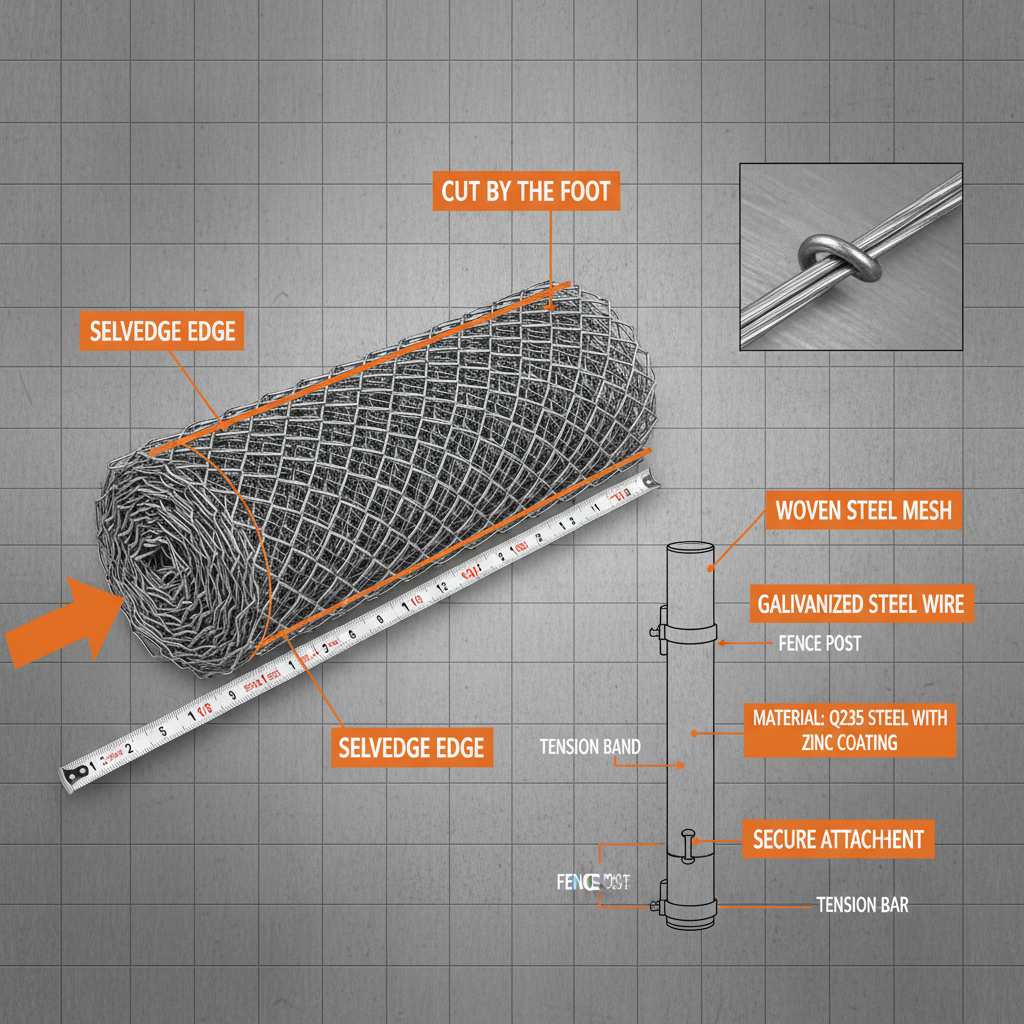
The cattle fence net features a simple structure, primarily consisting of mesh rolls and necessary posts.
Short Construction Period: The rolled nature of the fence net facilitates easy transportation and deployment, significantly shortening the on-site construction period.
Easy Maintenance: Due to its high strength and corrosion resistance, the cattle fence net requires minimal maintenance once installed.
Small Size and Light Weight: The small size and light weight of the fence rolls make transportation and installation particularly convenient in remote or topographically complex grassland areas.
The cattle fence represents the forefront of modern livestock fencing technology. By leveraging the large pulling force provided by high-strength galvanized steel wire, the unique corrugated elastic buffering function, and the up to 20-year anti-corrosion life guaranteed by hot-dip galvanizing, it offers a safe, reliable, durable, and easily maintainable boundary solution for ranches. Whether choosing a standard galvanized cattle fence panel or other types of galvanized cattle fencing, investing in this material is a wise choice for the safety and efficiency of livestock operations.