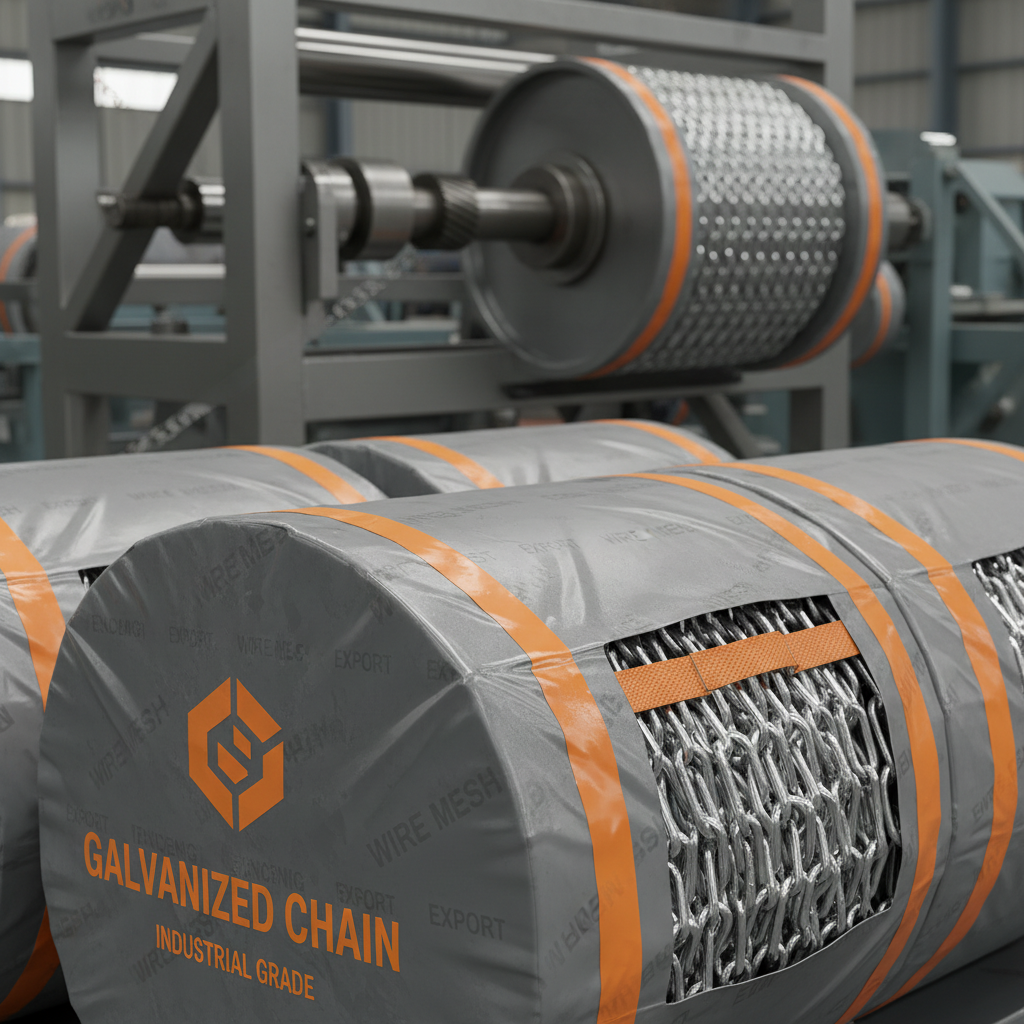

Choosing the Right Chain Link Fence by the Foot
When securing your property, a chain link fence by the foot is a cost-effective and durable solution. Understanding your needs, the available materials, and installation considerations is crucial for a successful project. This article will provide a comprehensive guide to selecting the right chain link fencing, covering everything from wire gauge and height to post materials and accessories. We’ll discuss how buying by the foot offers flexibility and potential cost savings compared to pre-fabricated panels. Properly installed chain link fencing provides security, defines boundaries, and enhances the overall appearance of your property.
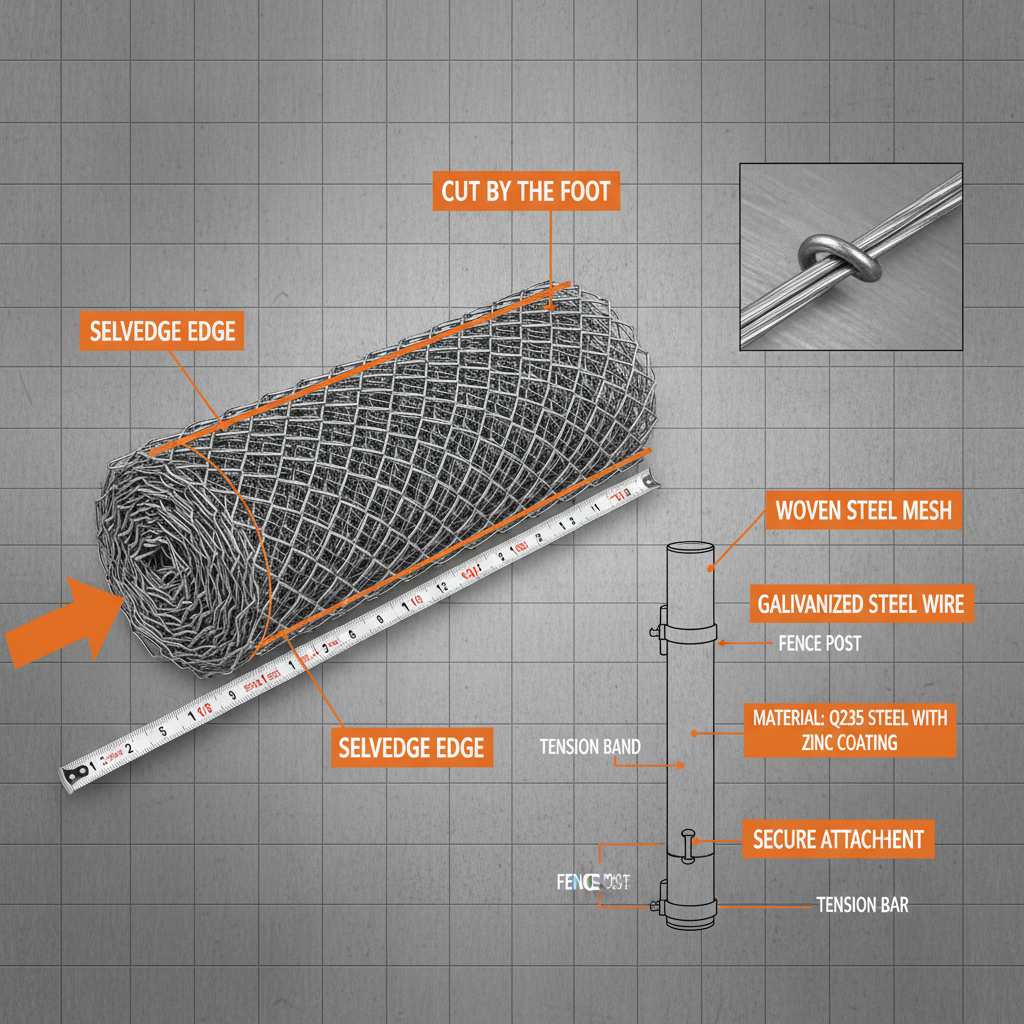
Understanding Chain Link Fence Components
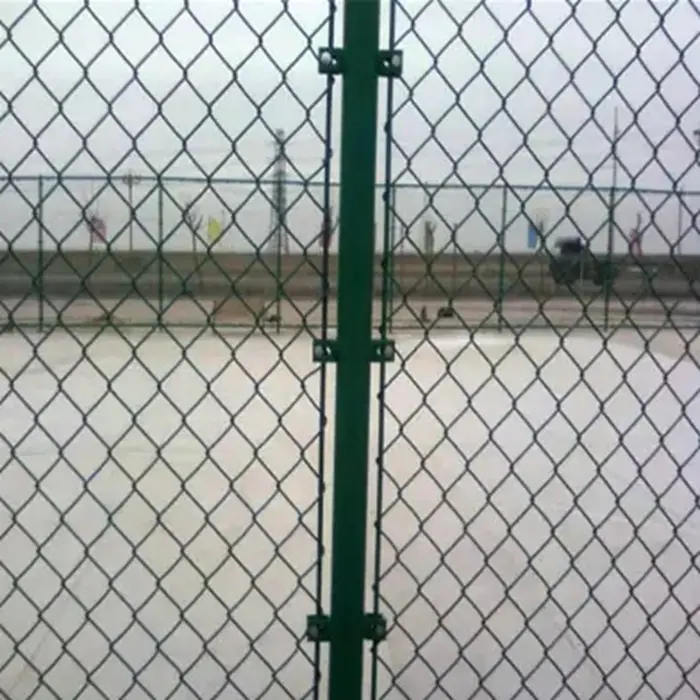
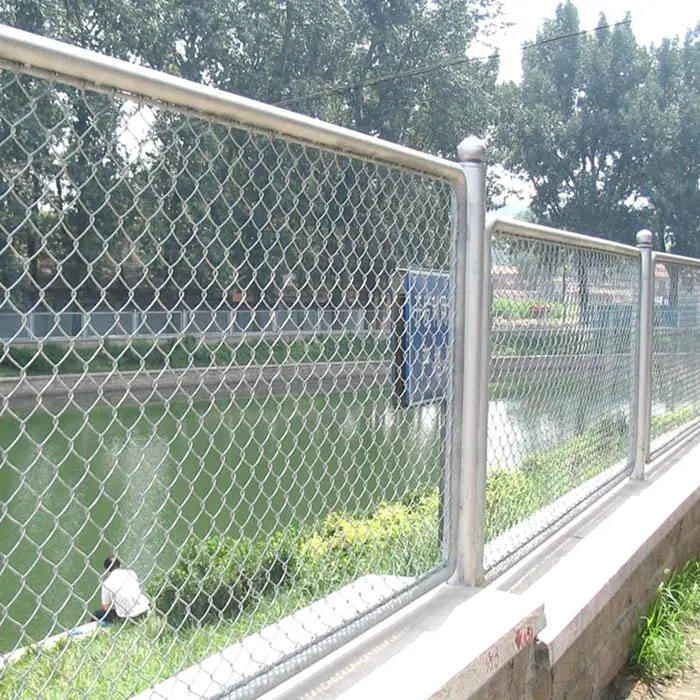
A chain link fence system comprises several key components. The chain link fabric itself is woven steel wire, available in various gauges (thicknesses) and heights. Posts provide the structural support, typically made of steel or aluminum. Top rail connects the posts and provides a secure point for attaching the fabric. Tension wire runs along the top and bottom of the fabric to keep it taut. Finally, fittings and accessories like tension bands, brace bands, and gate hardware complete the installation. Choosing the correct gauge and materials is crucial for the longevity and security of your fence.
Key Considerations: The gauge of the wire determines the strength of the fence. Heavier gauges are more durable but also more expensive. Post spacing affects the stability and appearance of the fence.
Why Buy Chain Link Fence by the Foot?
Purchasing chain link fence by the foot offers significant advantages, particularly for irregular-shaped properties or projects requiring customized lengths. Instead of being limited by the fixed dimensions of pre-fabricated panels, you can accurately calculate the amount of material needed, minimizing waste and potential costs. This approach is ideal for projects involving curves, angles, or varying terrain. It also allows you to tailor the fence height precisely to your requirements, providing a more aesthetically pleasing and functional barrier. Ultimately, buying by the foot empowers you to create a customized fencing solution that perfectly fits your needs.
Benefits of Buying by the Foot:
• Minimizes waste and material costs
• Enables customization for irregular shapes
• Allows precise height adjustments
• Ideal for complex installations
Comparing Chain Link Wire Gauges and Costs
Chain link fabric comes in different gauges, influencing its strength and price. Here’s a comparative overview:
Post Materials: Steel vs. Aluminum
The choice between steel and aluminum posts depends on your budget, climate, and desired lifespan. Steel posts are stronger and more affordable, but susceptible to rust. Aluminum posts are corrosion-resistant, lightweight, and require minimal maintenance, but are generally more expensive. Consider galvanization or powder coating for steel posts to enhance their durability. Proper post spacing (typically 8-10 feet) is crucial for a stable and visually appealing fence. You can find both options available for purchase on our website.
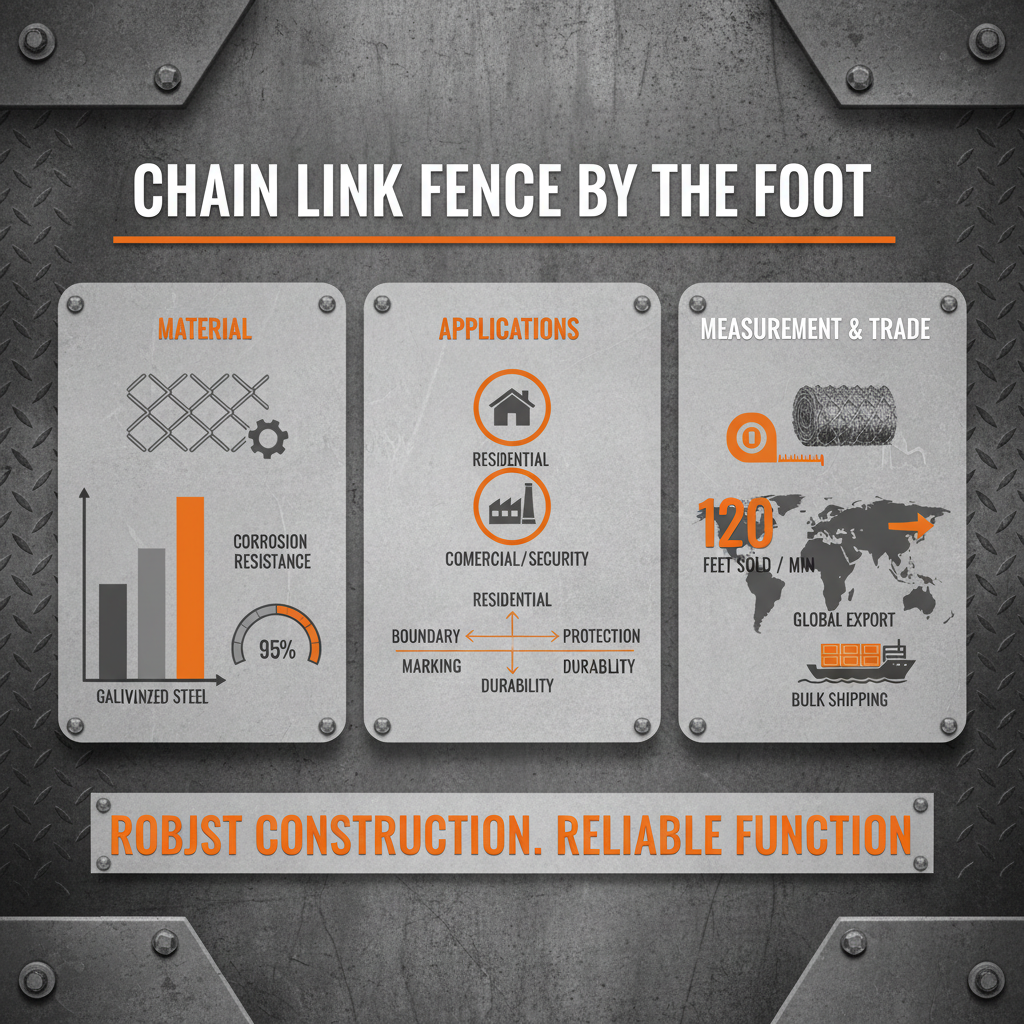
Essential Accessories for a Complete Chain Link Fence
Completing your chain link fence requires more than just fabric and posts. Essential accessories include tension bands, brace bands, tension wire, hog rings (for attaching the fabric), and gate hardware. Don’t forget about post caps to protect the tops of the posts from the elements. Choosing high-quality accessories ensures the long-term stability and security of your fence. Explore the full range of accessories available at Fencing Wire Mesh to find everything you need for your project.
Conclusion: Building a Secure and Durable Fence
Selecting the right chain link fence by the foot is an investment in your property's security and aesthetic appeal. By carefully considering the components, materials, and accessories, you can create a durable and effective barrier that meets your specific needs. Fencing Wire Mesh provides high-quality materials and expert advice to help you complete your fencing project with confidence.
Frequently Asked Questions (FAQs)
What is the recommended post spacing for a chain link fence?
The standard post spacing for a chain link fence is typically 8 to 10 feet. This spacing provides adequate support for the fence fabric without compromising stability. However, factors like terrain, wind conditions, and the height of the fence can influence the optimal spacing. In areas with high winds or uneven ground, closer post spacing may be necessary to ensure the fence remains secure. Consulting with a fencing professional can help you determine the best post spacing for your specific location and needs. Buying by the foot allows for adjustments based on the exact spacing you require.
How do I prevent rust on steel chain link fence posts?
Rust is a common concern with steel chain link fence posts. To prevent rust, consider galvanization, which coats the steel with a protective layer of zinc. Powder coating provides an even more durable barrier against corrosion. Regular maintenance, such as cleaning the posts and applying a rust-inhibiting paint or sealant, can also help prolong their lifespan. Ensure proper drainage around the posts to minimize exposure to moisture. Choosing high-quality steel with a robust galvanization process is the first step in preventing rust.
What is the difference between vinyl-coated and non-coated chain link fabric?
Vinyl-coated chain link fabric features a layer of PVC coating over the steel wire, providing corrosion resistance and a more aesthetically pleasing appearance. Non-coated fabric, also known as galvanized chain link, is coated with zinc to prevent rust but has a more industrial look. Vinyl coating adds cost but offers enhanced durability and a wider range of color options. The choice depends on your budget, aesthetic preferences, and the environmental conditions in your area. You can explore both options at Fencing Wire Mesh.
How long does it typically take to install a chain link fence?
The installation time for a chain link fence varies depending on the size of the project, the complexity of the terrain, and the experience of the installer. A typical residential fence installation can take anywhere from 1 to 3 days. Larger commercial projects or those with challenging site conditions may require more time. Proper planning, accurate material calculations, and efficient installation techniques can help streamline the process. Buying the right amount of material per foot from our store can save on time and reduce potential delays.