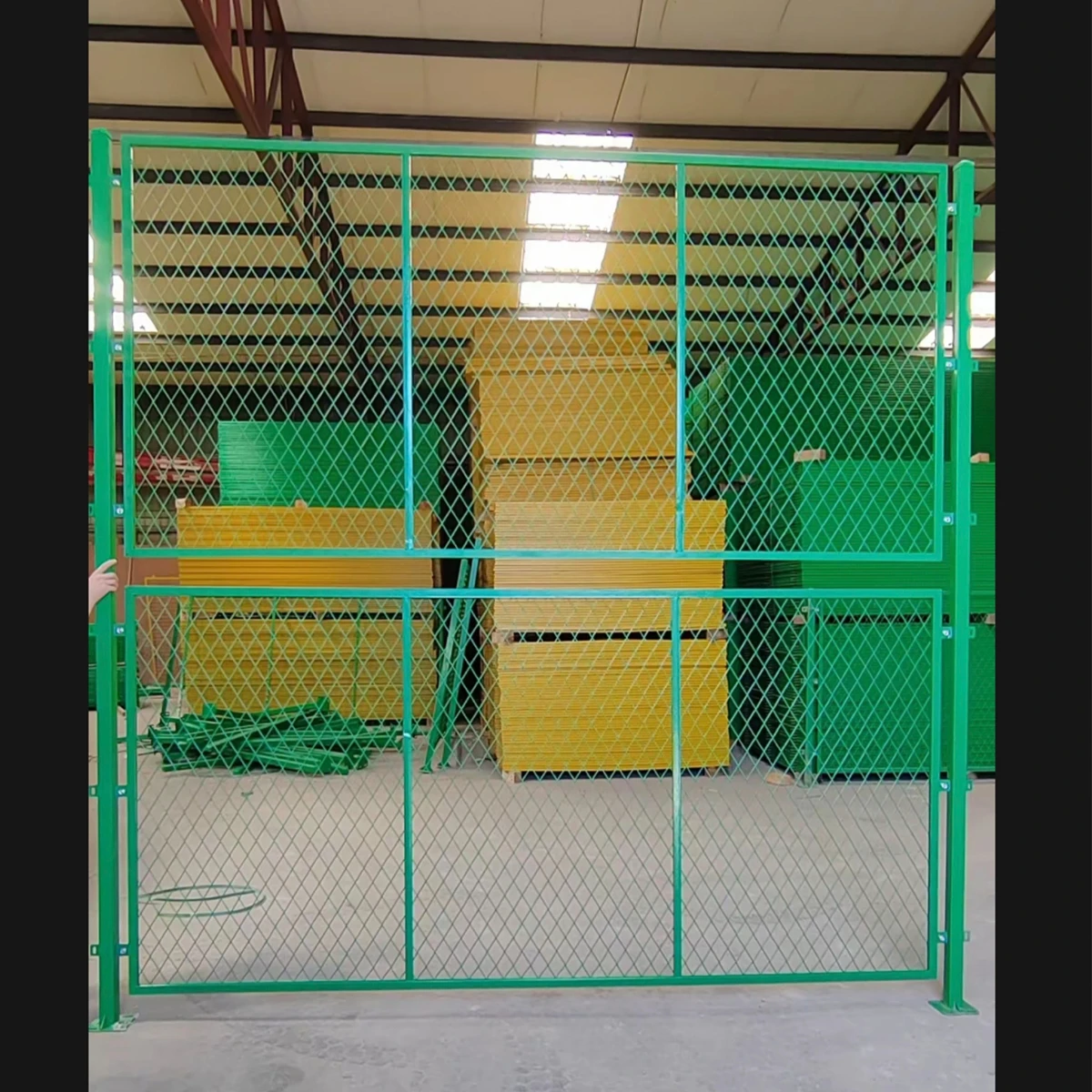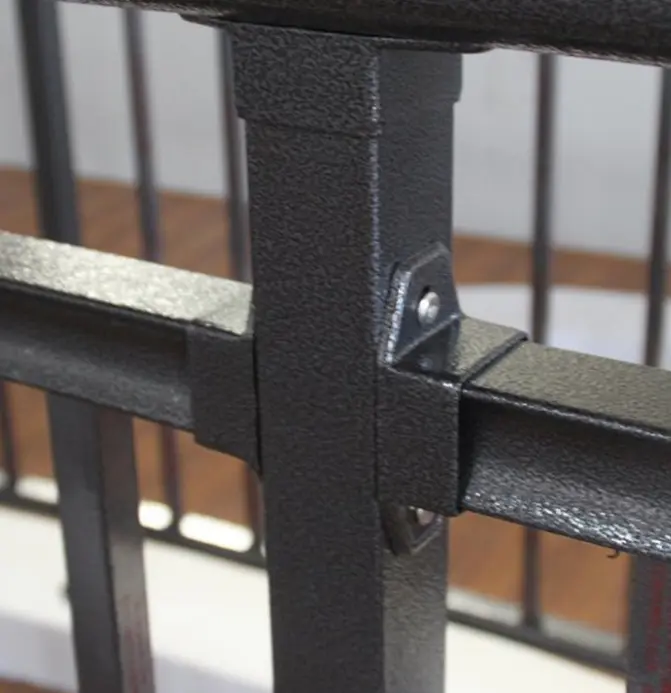

Galvanized welded mesh can be used for bird cages, egg baskets, passage guardrails, drainage channels, porch guardrails, anti-rat nets, mechanical protective covers, livestock and poultry fences, fences, etc. Used in industry, agriculture, construction, transportation, mining and other industries.
Marine and coastal environments represent some of the most aggressively corrosive settings on Earth. Structures in these areas are constantly battling high humidity, concentrated salt spray, chloride attack, and extreme weather fluctuations. For protective barriers, caging, reinforcement, and general infrastructure elements, materials must not only possess high structural strength but also guaranteed long-term resistance to corrosion. The galvanized welded mesh family—specifically, hot dip galvanized welded wire mesh—has emerged as a leading solution, providing a perfect blend of high structural integrity and exceptional anti-corrosion performance crucial for demanding coastal and offshore applications.
The Structural Foundation of Galvanized Welded Mesh
The structural strength of galvanized welded mesh begins with its core design: a rigid grid pattern formed by welding low carbon steel wires at every intersection. This method produces a material with excellent dimensional stability and superior load-bearing characteristics.
Maximizing Structural Integrity
The uniform welding at every cross-point creates a semi-rigid panel that acts as a unit. This is critical in coastal structures subject to dynamic loads from wind, wave action, and shifting substrates:
Load Distribution: Unlike individual wires, the mesh distributes stress across multiple wires and joints, preventing localized failure. This is essential for caging, barriers, and reinforcement elements that must withstand impacts or uneven loads.
Dimensional Stability: The rigidity imparted by the welds ensures the mesh maintains its shape and aperture size, even under external pressure. For applications like retaining wall reinforcement or foundation stabilization, this dimensional consistency is paramount to structural stability.
The inherent mechanical strength makes galvanized welded mesh suitable for applications requiring substantial structural support, such as guardrails in drainage channels, passage guardrails, and mechanical protective covers in seafront industrial facilities mentioned in the reference context.
Superior Corrosion Resistance via Hot Dip Galvanized Welded Wire Mesh
While the steel core provides the necessary structural support, it is the zinc coating, applied through the hot dip galvanized welded wire mesh process, that ensures the longevity required for marine and coastal projects. Coastal environments accelerate corrosion through chloride ions, which easily penetrate standard coatings. Hot-dip galvanizing provides the highest level of protection available for welded steel mesh.
The Hot-Dip Advantage
The hot-dip galvanizing process involves submerging the fully fabricated steel mesh into a bath of molten zinc. This creates a metallurgical bond, forming a multi-layered zinc-iron alloy coating that is significantly thicker and more durable than electro-galvanizing.
Thick Barrier Protection: The thick zinc layer forms a robust physical barrier that prevents saltwater, high humidity, and chlorides from reaching the underlying steel.
Sacrificial (Cathodic) Protection: If the coating is scratched or chipped—a common occurrence in maintenance or marine operations—the surrounding zinc sacrificially corrodes before the exposed steel. This ensures the wire’s full load-bearing cross-section is protected, maintaining the mesh’s structural integrity for decades.
This advanced anti-corrosion system guarantees that the hot dip galvanized welded wire mesh retains its "very long" service life even when exposed to the corrosive saline atmosphere typical of marine environments.
Practical Applications of Galvanized Steel Welded Wire Mesh in Coastal Infrastructure
The combination of high strength and exceptional durability makes galvanized steel welded wire mesh a versatile material for numerous critical applications across coastal infrastructure, transportation, and agriculture (aquaculture).
1. Security and Safety Barriers
Passage Guardrails and Porch Guardrails: Along piers, elevated walkways, and coastal facilities, mesh is used to create secure, non-climbable barriers. Its transparency minimizes visual obstruction while providing the necessary structural strength to serve as a safety guardrail against accidental falls.
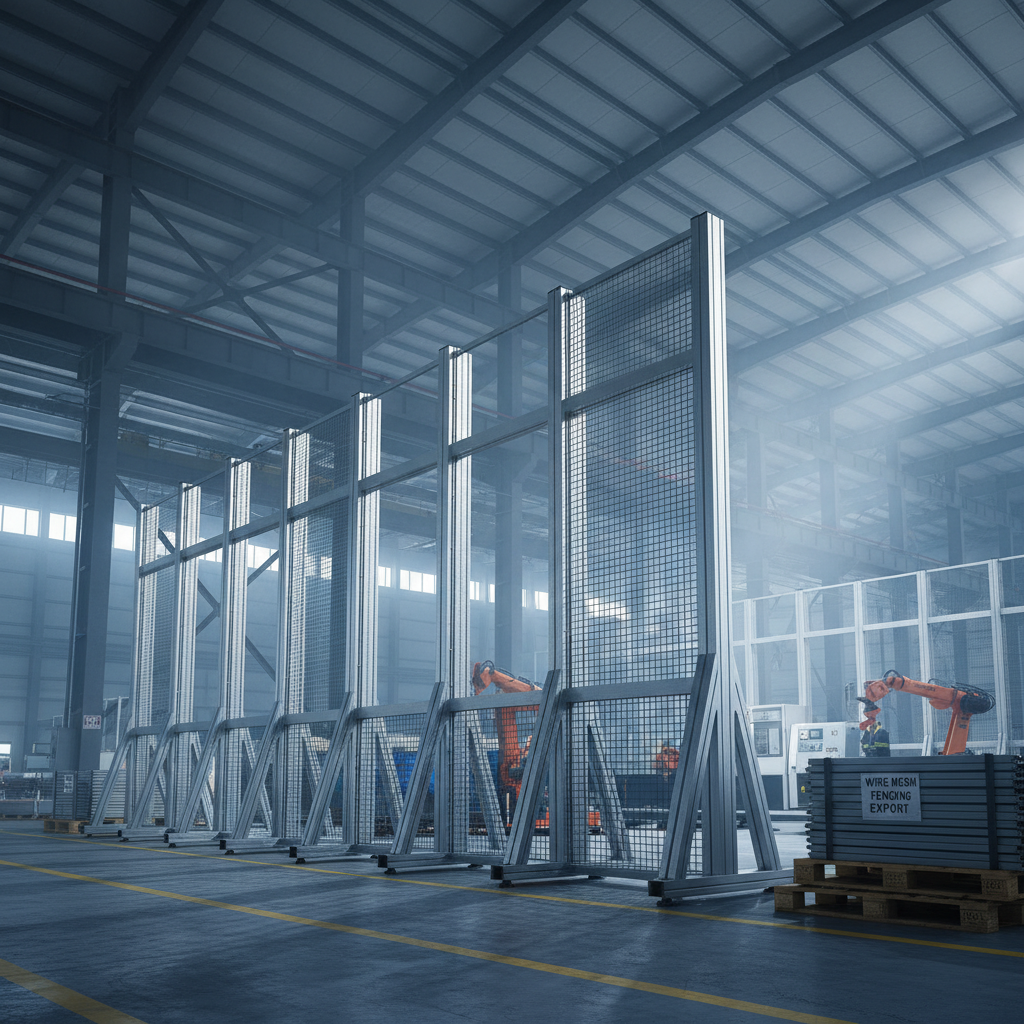
Fencing and Perimeter Control: For coastal airports, ports, and industrial zones, durable mesh fences are essential. The high weather resistance of galvanized steel welded wire mesh ensures that the security perimeter remains structurally sound against salt fog and strong winds, unlike less durable materials.
2. Drainage and Erosion Control
Drainage Channels: The mesh is used in the construction of drainage channels and culverts to filter large debris while allowing water flow. Its structural integrity ensures it resists the erosive force of moving water and the corrosive effects of standing water and silt.
Gabion Baskets: In coastal defense and shore stabilization, the mesh is fabricated into gabion baskets, filled with rocks, to create structurally sound, yet permeable, erosion control barriers.
3. Agricultural and Aquaculture Applications
Livestock and Poultry Fences/Cages: For coastal farms or fisheries, the mesh is used for caging and protective enclosures (like the bird cages and egg baskets referenced). The hot dip galvanized welded wire mesh resists rust, which is crucial for hygiene and preventing contamination in environments where the mesh is constantly exposed to moisture and organic waste.
Galvanized Welded Mesh: Sustained Performance and Economic Longevity
The upfront investment in high-quality hot dip galvanized welded wire mesh yields significant long-term economic benefits in corrosive environments. By preventing premature failure, it drastically reduces the costs associated with maintenance, repair, and replacement—activities that are often difficult and costly in coastal and offshore settings. Its ability to maintain its full structural cross-section against corrosion directly translates into reliable structural stability over its projected service life, fulfilling the demanding requirements of industry, construction, and transportation sectors operating near the sea.
In summary, the choice of galvanized welded mesh for marine and coastal projects is a decision rooted in material science and structural reliability. The rigid welding pattern provides the required load-bearing capacity, while the robust zinc coating elevates the mesh to a standard of anti-corrosion performance necessary to withstand the relentless assault of the marine environment, ensuring decades of structural security and function.