
Understanding Acrylic Sound Barriers: A Comprehensive Guide
In today’s increasingly noisy world, effective sound control is paramount for both residential and commercial spaces. Acrylic sound barriers offer a sleek, durable, and highly effective solution. This article provides an in-depth look at acrylic sound barriers – their benefits, applications, installation, and how they compare to other soundproofing materials. We’ll cover everything you need to know to determine if an acrylic sound barrier is the right choice for your needs. Fencing Wire Mesh specializes in providing high-quality acrylic and other sound barrier solutions.
What are Acrylic Sound Barriers?
Acrylic sound barriers are constructed from a transparent or translucent thermoplastic material, known for its excellent sound-dampening properties. Unlike traditional sound barriers made from concrete or wood, acrylic offers a modern aesthetic and significant weight advantages. The material’s density and composition effectively reduce noise transmission, making it ideal for a wide range of applications. Acrylic barriers are also weather-resistant, UV-resistant, and require minimal maintenance, ensuring long-term performance and value.
Key Highlights: Acrylic sound barriers are lightweight, durable, weather-resistant, and offer excellent sound reduction capabilities. They also provide a modern, aesthetically pleasing look compared to traditional materials.
Key Benefits of Using Acrylic Sound Barriers
Choosing acrylic sound barriers offers numerous advantages. Firstly, they provide superior noise reduction compared to many alternative materials. Secondly, the transparency of acrylic allows for natural light transmission, preserving visibility and preventing a closed-in feeling. They are significantly lighter than concrete, simplifying installation and reducing structural support requirements. Furthermore, acrylic is highly durable and resistant to weathering, meaning minimal maintenance and a long service life. The aesthetic appeal is another crucial benefit, offering a modern and professional look.
Acrylic Sound Barrier Advantages:
• Superior noise reduction performance
• Excellent light transmission
• Lightweight and easy to install
• Durable and weather-resistant
• Modern, aesthetically pleasing design
Acrylic Sound Barriers vs. Other Materials
When considering sound barriers, it’s important to compare acrylic to other common materials. Concrete barriers, while effective, are heavy, expensive, and visually imposing. Wood barriers are less expensive but require regular maintenance and offer lower sound reduction. Glass barriers offer transparency but often require specialized laminated glass for adequate soundproofing. Acrylic strikes a balance, providing high performance, durability, and aesthetic appeal at a competitive price point. Contact Fencing Wire Mesh to discuss the best option for your specific situation.
Applications of Acrylic Sound Barriers
Acrylic sound barriers are versatile and can be used in a variety of settings. Common applications include highway noise reduction, industrial noise control, commercial building soundproofing, residential sound barriers (e.g., around air conditioning units), and even indoor applications like recording studios or music rooms. The ability to customize size, shape, and color makes acrylic barriers suitable for almost any environment.
Installation and Maintenance
Installing acrylic sound barriers is generally straightforward, especially compared to heavier materials. Typically, posts or supports are installed first, followed by the acrylic panels. Professional installation is recommended to ensure structural integrity and optimal sound reduction performance. Maintenance is minimal; regular cleaning with mild soap and water is usually sufficient to maintain the clarity and appearance of the acrylic. Avoid using abrasive cleaners that could scratch the surface.
Conclusion: A Sound Investment for a Quieter Future
Investing in acrylic sound barriers is a smart decision for anyone seeking effective noise control. Their combination of performance, durability, and aesthetic appeal makes them a superior choice to traditional materials. Fencing Wire Mesh offers a range of customizable solutions to meet your specific needs. Don't let noise pollution impact your quality of life – choose acrylic sound barriers.
Frequently Asked Questions (FAQs)
What is the typical sound reduction level of an acrylic sound barrier?
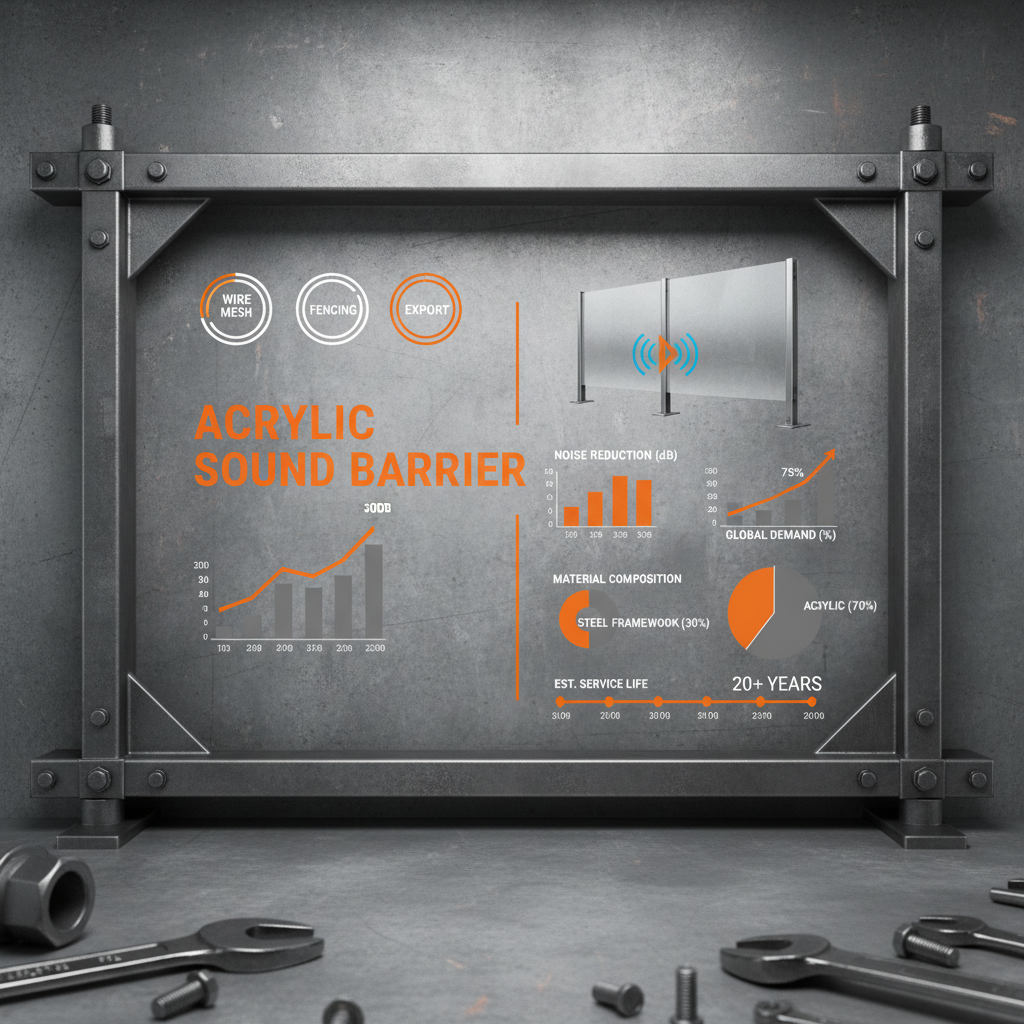
The sound reduction level varies depending on the thickness of the acrylic, the height of the barrier, and the frequency of the noise. However, a properly installed acrylic sound barrier can typically reduce noise levels by 10-20 decibels. For more precise estimates, we recommend contacting Fencing Wire Mesh for a customized assessment of your specific needs and environment. We can perform sound modeling to determine the optimal solution.
Is acrylic sound barrier material scratch-resistant?
While acrylic is durable, it can be susceptible to scratches. However, choosing thicker acrylic sheets and those with a protective coating can significantly improve scratch resistance. Avoid using abrasive cleaners or tools when cleaning the barrier. Minor scratches can sometimes be buffed out with specialized acrylic polishing compounds.
What is the lifespan of an acrylic sound barrier?
With proper installation and maintenance, an acrylic sound barrier can last for 20 years or more. Acrylic is resistant to weathering, UV degradation, and corrosion. Regular cleaning and inspection for any damage will help ensure its longevity. Fencing Wire Mesh offers high-quality acrylic materials designed for long-term performance.
Can acrylic sound barriers be customized in terms of color and size?
Yes, acrylic sound barriers can be customized to meet specific requirements. Acrylic is available in a wide range of colors and can be cut to any size and shape. This flexibility allows for seamless integration into any environment. Contact us to discuss your customization options.