
What is Noise Barrier? A Comprehensive Guide
Noise pollution is a growing concern in modern environments, impacting health and well-being. A noise barrier, also known as a sound barrier, is a structure designed to reduce sound pressure levels and mitigate noise pollution. This article will explore the principles behind noise barriers, their various types, common applications, factors influencing effectiveness, and the materials used in their construction. Understanding noise barriers is crucial for creating quieter, healthier living and working spaces.
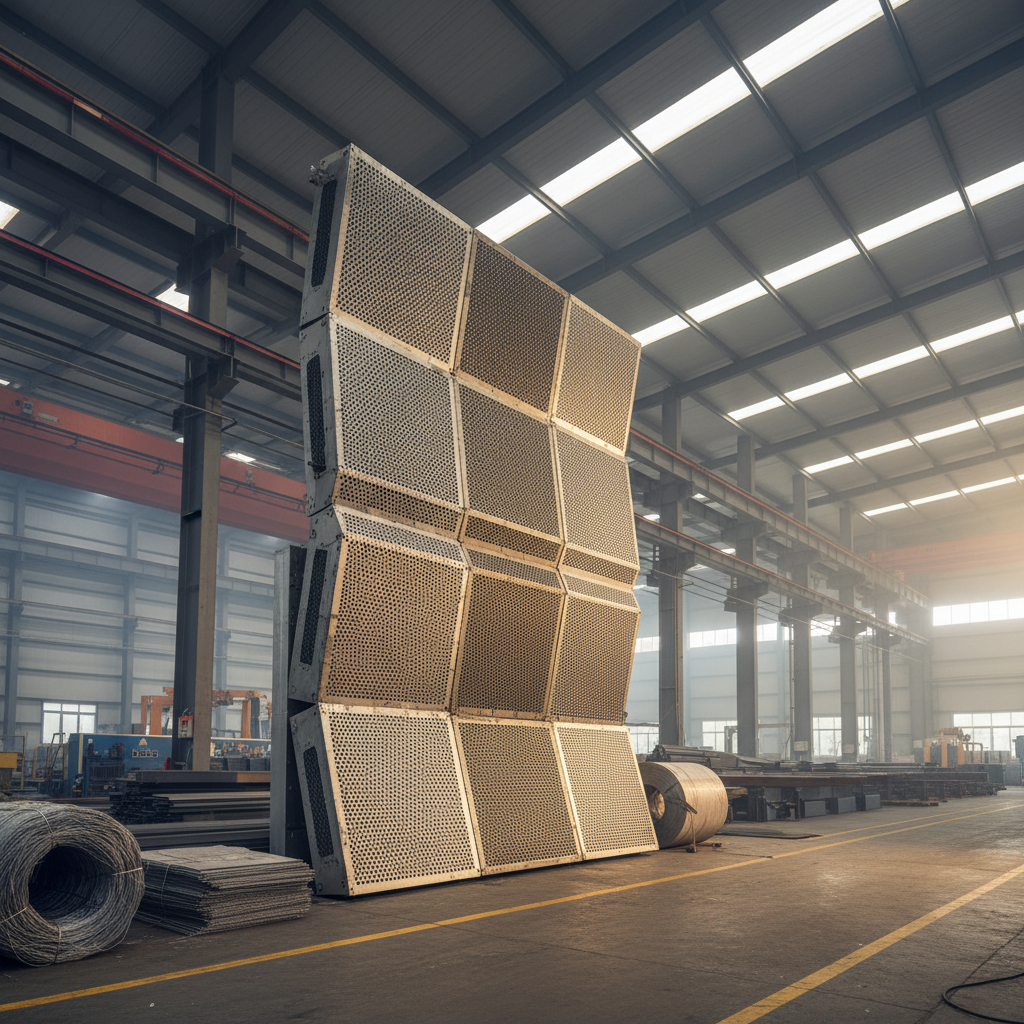
How Do Noise Barriers Work? The Science of Sound Reduction
Noise barriers don't eliminate sound entirely; they reduce its intensity by blocking the direct path of sound waves. This principle relies on the phenomenon of “shadowing.” When sound waves encounter a barrier, they are either absorbed, reflected, or diffracted. Absorption converts sound energy into heat, reflection bounces the sound wave back, and diffraction bends the wave around the barrier. A well-designed noise barrier primarily utilizes these principles to create a ‘shadow zone’ with significantly reduced noise levels. The height and length of the barrier, as well as the materials used, all play a role in its effectiveness. The efficacy of a noise barrier is dependent on its ability to intercept sound waves before they reach the receiver.
Key Principles: Sound waves are blocked, absorbed, reflected, or diffracted by the barrier, creating a "shadow zone" of reduced noise.
Types of Noise Barriers
There's a variety of noise barrier types, each suited for different applications. Common types include:
- Solid Barriers: These are the most common, constructed from materials like concrete, brick, wood, or metal.
- Absorptive Barriers: These barriers utilize sound-absorbing materials on one or both sides to reduce reflected sound.
- Earth Berms: Natural barriers created by mounds of earth, often used in landscaping and construction projects.
- Combination Barriers: These combine solid and absorptive elements for optimal performance.
- Vegetative Barriers: Utilizing dense vegetation, although less effective than solid barriers, can provide some noise reduction, particularly for higher frequencies.
Noise Barrier Comparison:
• Solid Barriers: Effective, but can create reflections.
• Absorptive Barriers: Reduce reflections, improving overall reduction.
• Earth Berms: Environmentally friendly, moderate effectiveness.
• Vegetative Barriers: Aesthetically pleasing, limited noise reduction.
Applications of Noise Barriers: Where are They Used?
Noise barriers are utilized in a wide array of settings to minimize noise pollution. Key applications include:
- Highways and Roads: Protecting residential areas from traffic noise.
- Industrial Facilities: Reducing noise from machinery and operations.
- Railroads: Mitigating noise from trains.
- Airports: Reducing aircraft noise impact.
- Residential Areas: Providing privacy and reducing noise between properties.
- Construction Sites: Reducing noise impact on surrounding communities.
Factors Influencing Noise Barrier Effectiveness
Several factors impact how well a noise barrier performs. These include:
- Height: Higher barriers provide greater noise reduction.
- Length: The barrier must be long enough to encompass the noise source and the area to be protected.
- Material: Density and absorptive properties are crucial.
- Location: Proximity to the noise source and receiver.
- Topography: The surrounding terrain can affect sound propagation.
- Air Temperature & Humidity: Sound travels differently in different atmospheric conditions.
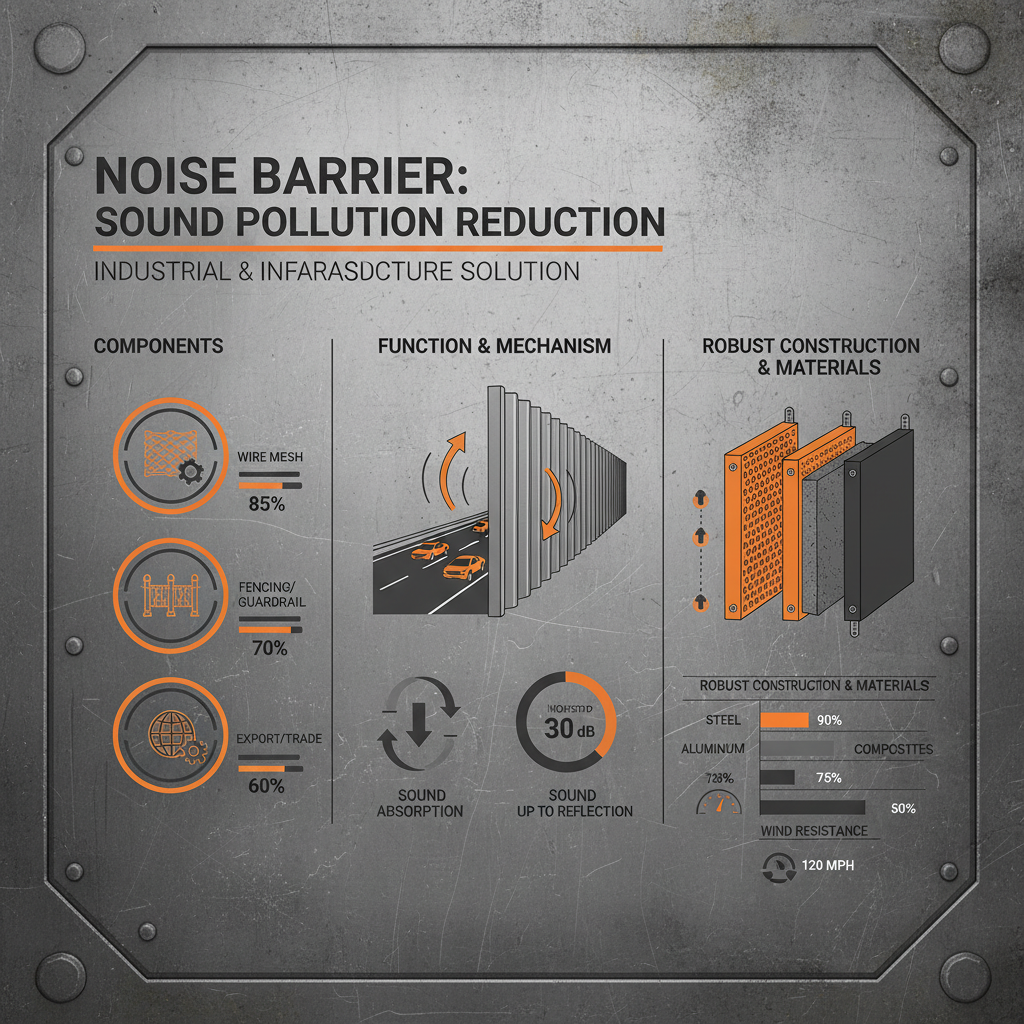
Materials Used in Noise Barrier Construction
The choice of materials impacts the barrier's effectiveness, cost, and aesthetics. Common materials include:
- Concrete: Durable, cost-effective, but can be visually unappealing.
- Brick: Aesthetically pleasing, but more expensive than concrete.
- Wood: Environmentally friendly, but requires regular maintenance.
- Metal (Steel/Aluminum): Lightweight, strong, and can be combined with absorptive materials.
- Plastic: Cost-effective and versatile, often used in absorptive panels.
- Composite Materials: Combining multiple materials for optimal performance.
Conclusion: Creating Quieter Environments with Noise Barriers
Noise barriers are an essential tool for mitigating noise pollution and improving quality of life. From highways to industrial sites, these structures provide a valuable solution for reducing unwanted sound. By understanding the principles behind noise barriers, their various types, and influencing factors, we can create quieter, healthier, and more sustainable environments. Explore the options available at Fencing Wire Mesh to find the right noise barrier solution for your needs.
Frequently Asked Questions (FAQs)
What level of noise reduction can I expect from a noise barrier?
Noise reduction levels vary greatly depending on the barrier's height, material, length, and the frequency of the noise source. Generally, a well-designed barrier can achieve a reduction of 3-15 decibels (dB). A 3 dB reduction is often noticeable, while a 10 dB reduction can make a significant difference in perceived loudness. It’s important to note that noise reduction is logarithmic, meaning a larger reduction is needed to perceive a substantial change in sound level. Professional acoustic analysis is recommended for accurate predictions.
Are noise barriers aesthetically pleasing?
Traditionally, noise barriers were often utilitarian in appearance. However, modern noise barriers can be designed to be aesthetically pleasing. Options include incorporating landscaping, using decorative materials like brick or stone, and adding artistic elements. The integration of vegetation can also soften the visual impact of a barrier. Manufacturers are increasingly offering customizable solutions to blend noise barriers into the surrounding environment.
What is the cost of installing a noise barrier?
The cost of installing a noise barrier varies significantly depending on factors such as the barrier's length, height, material, site conditions, and labor costs. Simple barriers made of wood or plastic can be relatively inexpensive, while more complex structures made of concrete or brick will be more costly. Contacting a noise barrier specialist for a detailed quote is recommended.