
Weathering Steel Wire Mesh: A Comprehensive Guide
Weathering steel wire mesh, also known as Corten steel wire mesh, is a versatile and increasingly popular material used in a variety of applications, from architectural facades to agricultural fencing. Its unique self-protecting rust layer provides a distinctive aesthetic and exceptional durability. This article will delve into the properties, applications, benefits, and considerations when working with weathering steel wire mesh. We’ll explore why Fencing Wire Mesh is a trusted supplier for high-quality weathering steel wire mesh solutions.
Understanding Weathering Steel
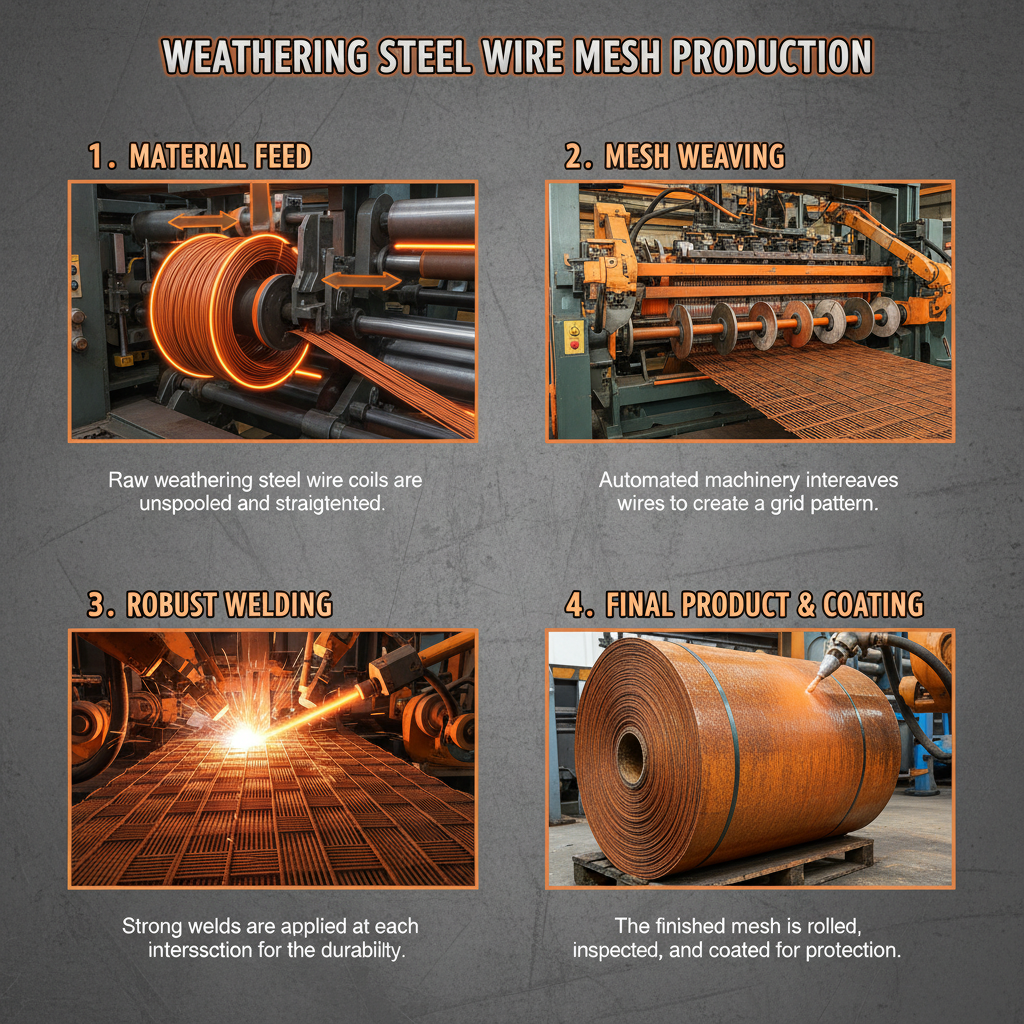
Weathering steel, a high-strength, low-alloy steel, is designed to develop a stable rust layer on its surface when exposed to the elements. This rust, unlike typical corrosion, acts as a protective coating, slowing down further deterioration. The process is often referred to as ‘patination.’ This inherent protective quality eliminates the need for painting or other ongoing maintenance, making it a cost-effective and environmentally friendly material. The initial cost might be slightly higher than traditional steel, but the long-term savings due to minimal maintenance and extended lifespan make weathering steel an excellent investment.
Key Highlights: Eliminates the need for painting, minimal maintenance, and environmentally friendly due to extended lifespan.
Applications of Weathering Steel Wire Mesh
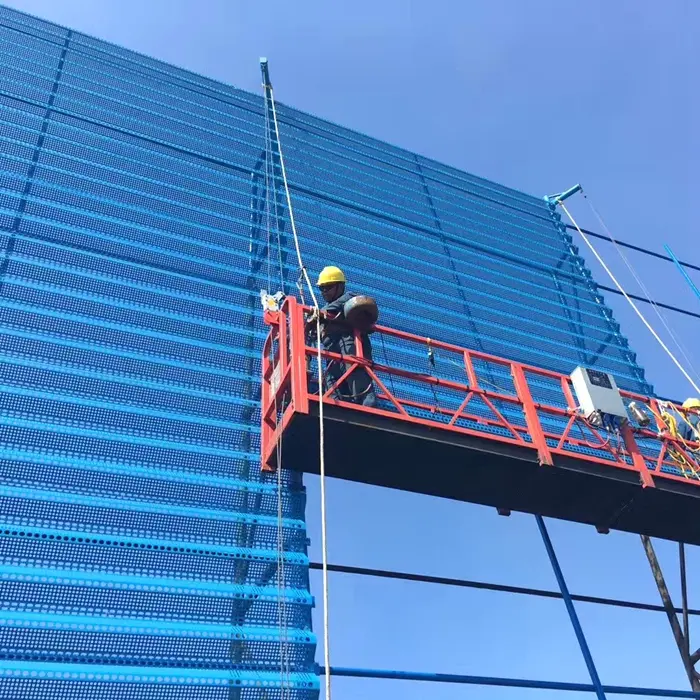
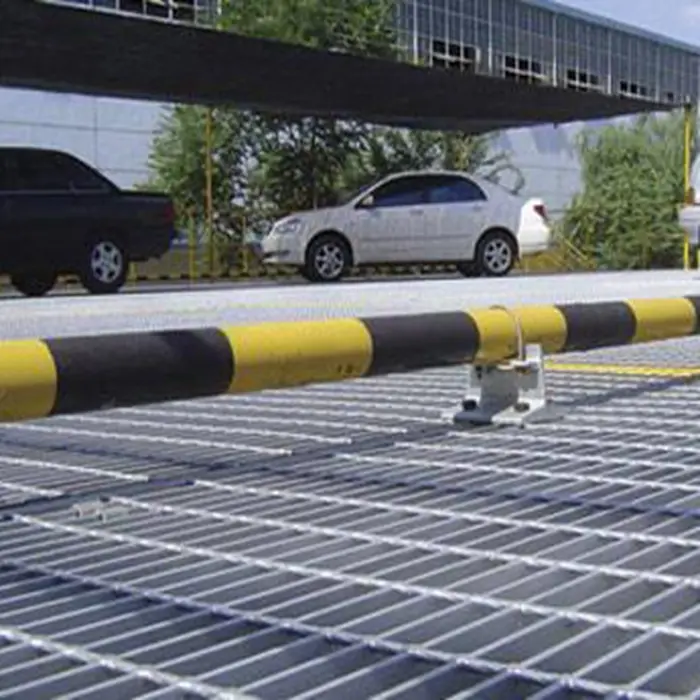
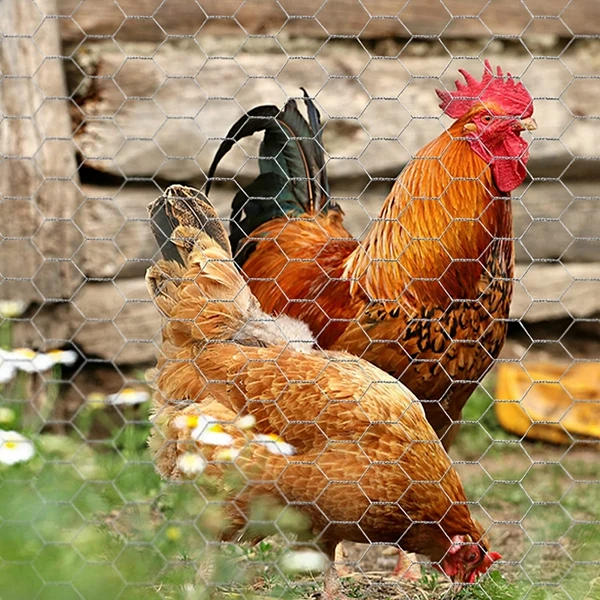
Weathering steel wire mesh finds application in a diverse range of projects. Common uses include architectural cladding, facades, and screens, providing a visually striking and durable exterior. In landscaping, it's utilized for tree grates, planters, and retaining walls, blending seamlessly with natural environments. Agricultural applications benefit from its strength and resistance to corrosion in fencing and animal enclosures. Furthermore, it’s increasingly employed in security fencing, offering a robust barrier with an appealing aesthetic. Explore our range of applications at Fencing Wire Mesh.
Application Benefits:
• Architectural Cladding: Striking aesthetic and durability.
• Landscaping: Blends with natural surroundings.
• Agriculture: Corrosion resistance for fencing.
• Security: Robust and visually appealing barriers.
Weathering Steel Wire Mesh: Types and Specifications
Weathering steel wire mesh is available in various types, each suited for specific applications. Common types include woven wire mesh, welded wire mesh, and crimped wire mesh. Mesh size, wire diameter, and overall dimensions can be customized to meet project requirements. Here's a comparison of common types:
Benefits of Choosing Weathering Steel Wire Mesh
The advantages of weathering steel wire mesh extend beyond aesthetics and durability. Its low maintenance requirements translate to significant cost savings over the lifespan of the material. The self-healing nature of the rust layer minimizes the need for repairs, and the material's inherent strength provides long-lasting performance. Furthermore, weathering steel is 100% recyclable, making it an environmentally responsible choice. Choosing Fencing Wire Mesh guarantees high-quality materials and expert guidance for your project.
Considerations When Working with Weathering Steel Wire Mesh
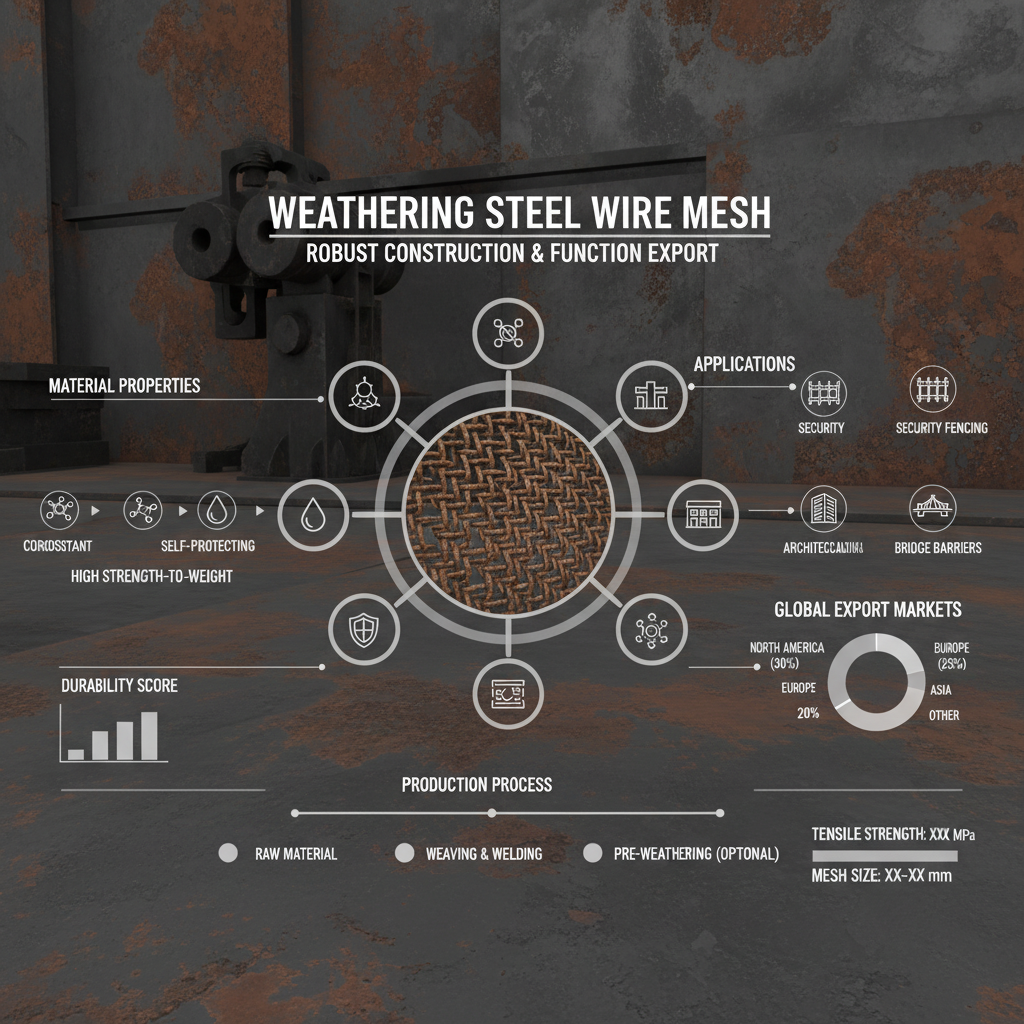
While weathering steel is exceptionally durable, certain considerations are crucial for optimal performance. Avoid prolonged contact with corrosive substances like chlorides. Proper ventilation is important to facilitate the formation of the protective rust layer. The steel will initially experience some surface runoff as the rust develops, which can stain surrounding materials. Planning for this is essential. Always consult with a qualified professional to ensure appropriate installation and maintenance procedures. Contact Fencing Wire Mesh for expert advice and support.
Conclusion: A Durable and Aesthetically Pleasing Choice
Weathering steel wire mesh offers a unique combination of durability, aesthetic appeal, and low maintenance. It's a versatile material suited for a wide array of applications. By choosing a reputable supplier like Fencing Wire Mesh, you can ensure you receive high-quality products and expert guidance for a successful project.
Frequently Asked Questions (FAQs)
How long does it take for the weathering steel to develop its rust patina?
The time it takes for weathering steel to develop its characteristic rust patina varies depending on environmental conditions. Generally, the initial rusting process begins within a few weeks, but it can take several months to a year or more to achieve a fully stabilized, deep patina. Coastal environments and areas with higher humidity tend to accelerate the process. The patina will continue to darken and evolve over time, enhancing the material’s aesthetic appeal. It's important to note that runoff during the initial stages can stain surrounding surfaces.
Is weathering steel wire mesh suitable for direct contact with soil?
Yes, weathering steel wire mesh is generally suitable for direct contact with soil. Its corrosion resistance makes it an excellent choice for applications like tree grates and retaining walls. However, soil composition and salinity levels can influence the rate of corrosion. In highly acidic or saline soils, it’s advisable to consider additional protective measures, such as a protective coating or increased steel thickness.
What is the recommended wire diameter for security fencing?
The recommended wire diameter for security fencing using weathering steel wire mesh depends on the level of security required. For standard perimeter fencing, a wire diameter of 2.5mm to 3.0mm is typically sufficient. For high-security applications, a heavier gauge wire, such as 4.0mm or 5.0mm, is recommended. The mesh aperture size also plays a role in security – smaller apertures offer increased resistance to climbing and cutting. Consult with Fencing Wire Mesh for a tailored recommendation based on your specific security needs.