
Understanding Chain Link Extension: A Comprehensive Guide
Chain link extension plays a vital role in enhancing the functionality and security of chain link fencing systems. Whether you're reinforcing a perimeter, adding height, or simply needing to accommodate uneven terrain, understanding the options and proper installation is key. At Fencing Wire Mesh, we specialize in providing high-quality chain link fabrics and accessories, including a wide range of extension solutions. This article will explore the different types of chain link extension, their uses, installation best practices, and factors to consider when making a purchase. Properly utilized chain link extension offers increased security and adaptability for your fencing needs.
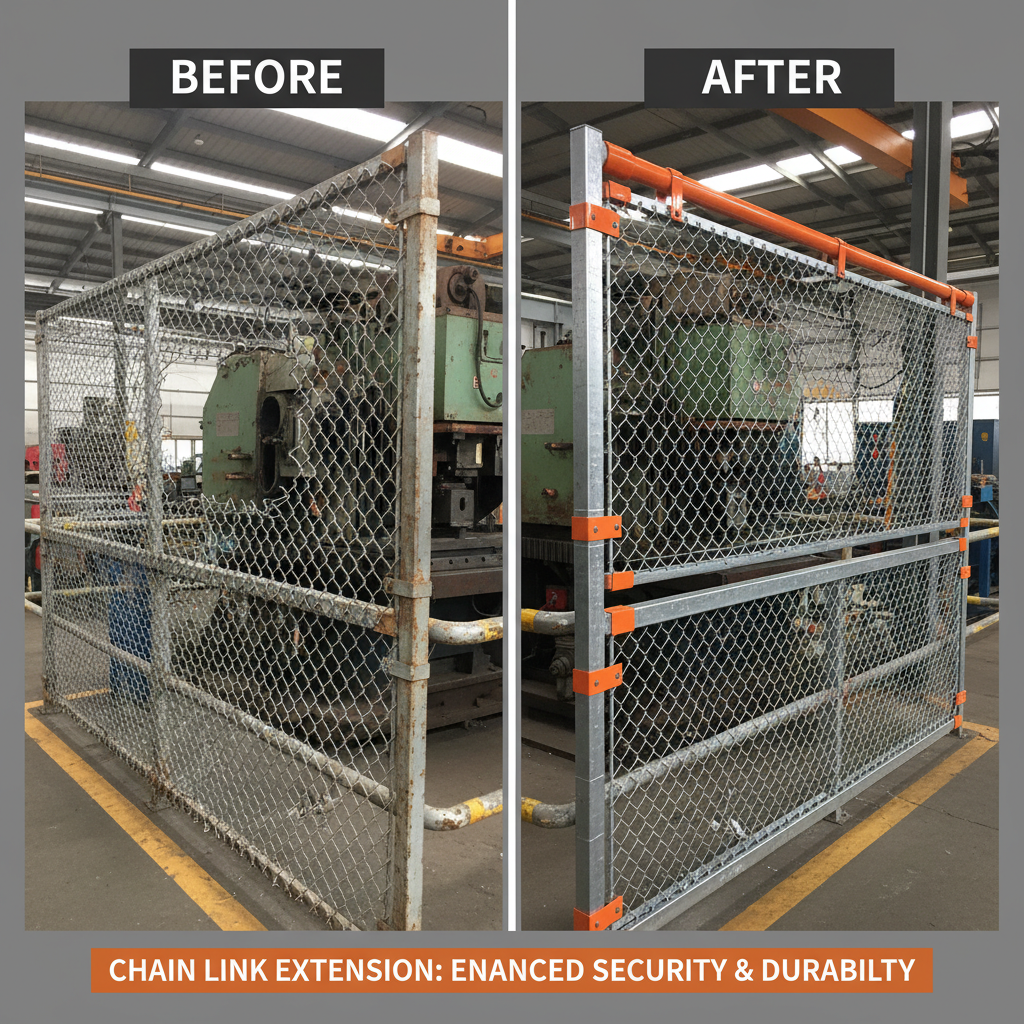
Types of Chain Link Extension
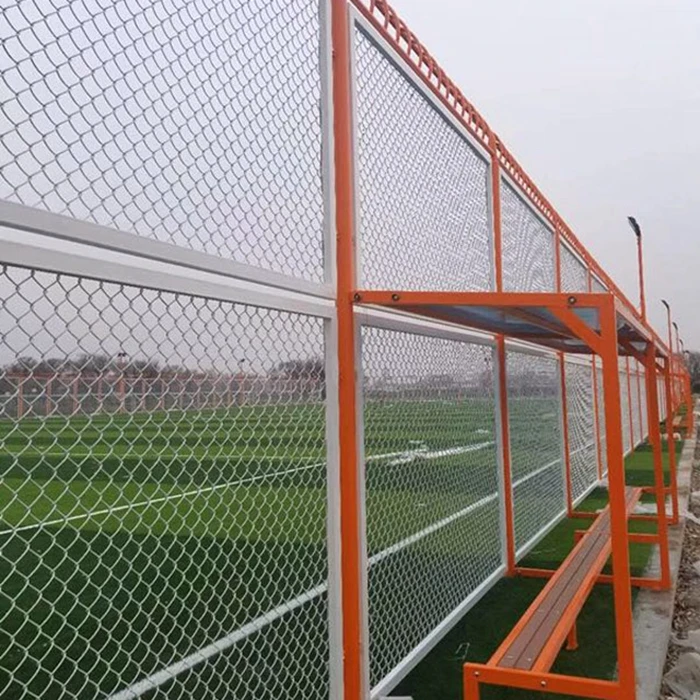
Several types of chain link extension are available, each suited for different applications. These include: Top Rail Extensions – used to increase the overall height of the fence; Post Extensions – added to existing posts to accommodate uneven ground or increase fence height; Tie Wire & Brace Bands – essential for securely attaching the extension to the existing framework; and Height Extenders – pre-fabricated sections designed for quick and easy height increases. The choice of extension type depends on the specific requirements of the project and the desired level of reinforcement. Understanding the differences is crucial for ensuring a stable and secure fencing system. Fencing Wire Mesh offers comprehensive options for each of these extension types.
Key Highlights: Chain link extensions provide versatile solutions for adapting and strengthening existing fence systems, improving security and longevity.
Applications of Chain Link Extension
Chain link extension is used in a variety of settings, from residential properties to industrial and commercial sites. Common applications include increasing security around properties, adapting to sloping terrain to maintain a uniform fence line, adding privacy with extended height, and enhancing the aesthetic appeal of existing fences. For example, in a backyard, a top rail extension can create a taller barrier for pets or children. In a commercial setting, post extensions can be used to compensate for uneven ground on a large perimeter. These extensions offer a cost-effective way to improve the functionality of your fencing without replacing the entire system.
Application Benefits:
• Enhanced security for properties.
• Adaptation to uneven ground conditions.
• Increased privacy through added height.
• Cost-effective fence improvement.
Chain Link Extension: Materials and Specifications
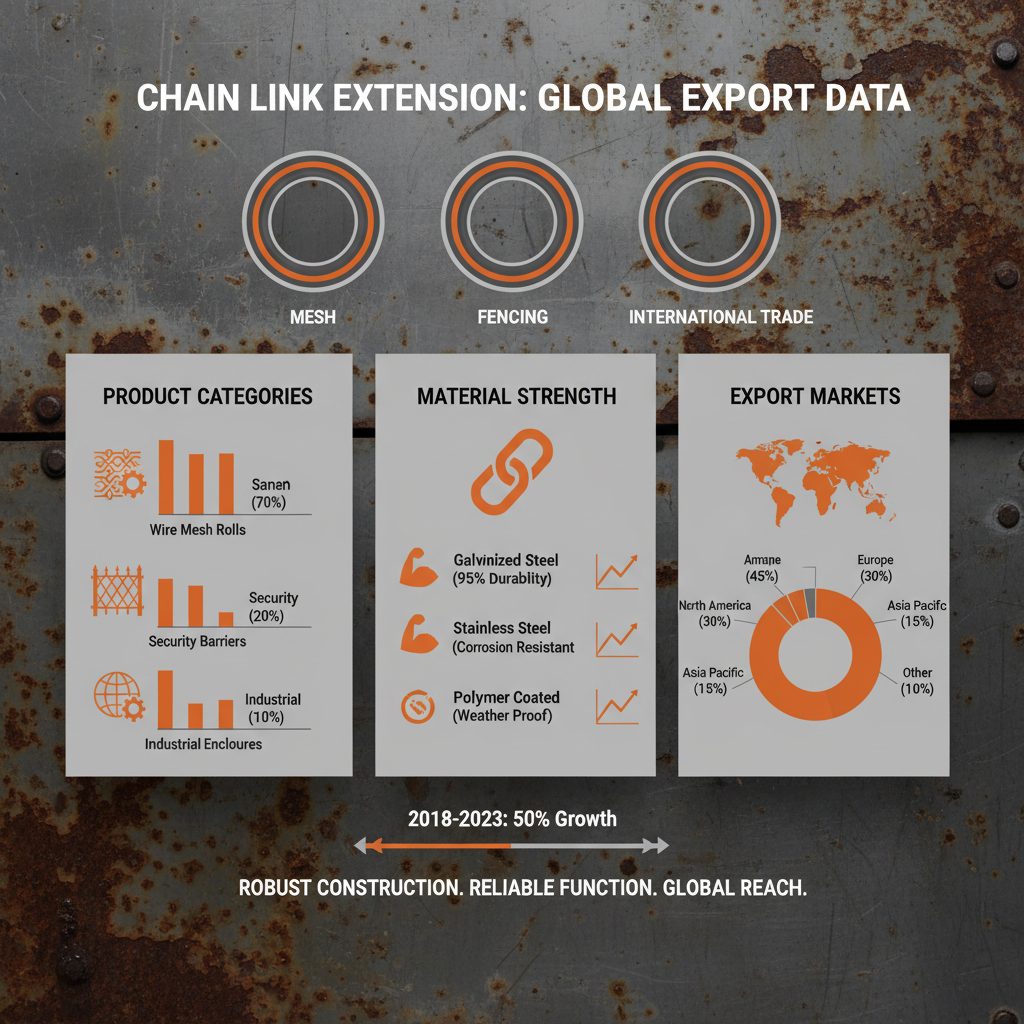
Chain link extensions are typically made from galvanized steel, providing excellent corrosion resistance. However, options with powder coating or vinyl coating are also available for increased durability and aesthetic appeal. The gauge of the steel used is a key factor determining the strength and longevity of the extension. Here's a breakdown of common materials and their applications:
Installation Best Practices for Chain Link Extension
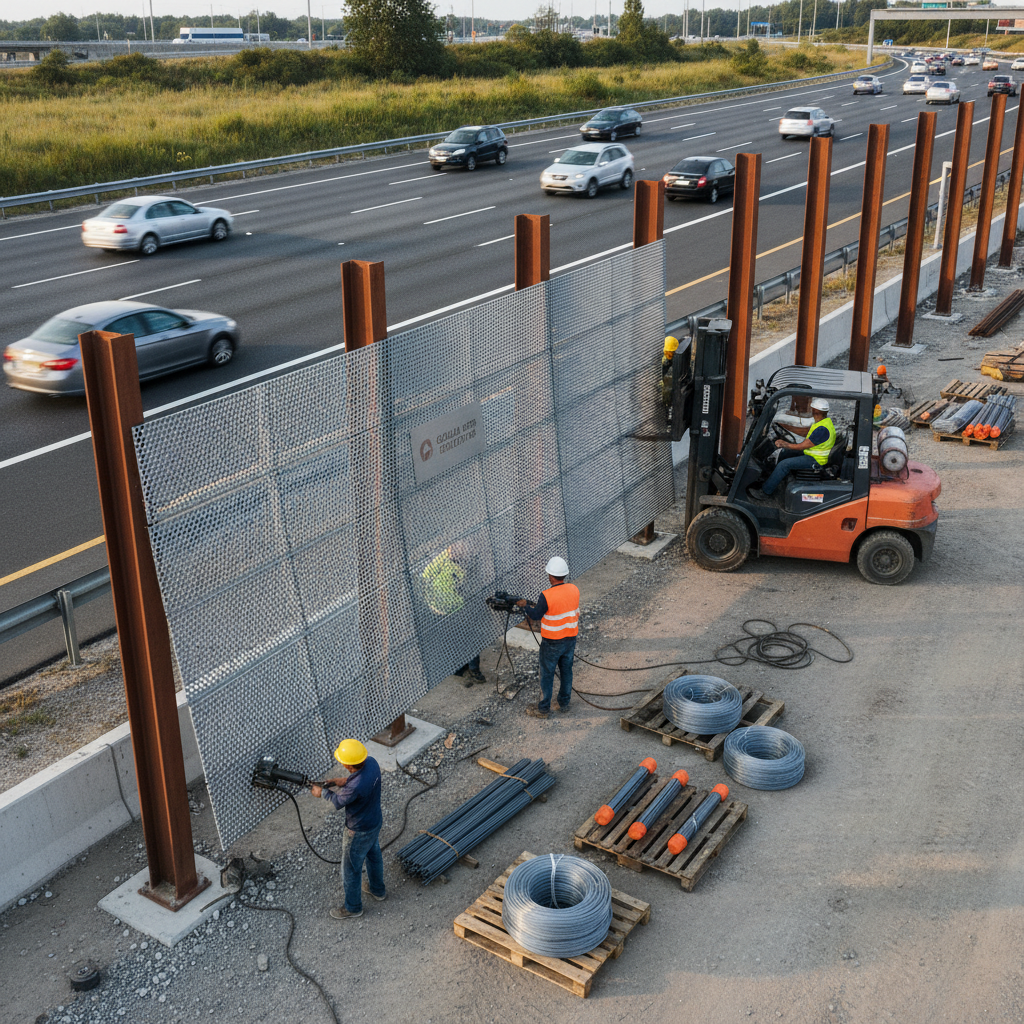
Proper installation is vital for the effectiveness and longevity of chain link extensions. Always start by ensuring the existing fence posts are structurally sound. When installing post extensions, use concrete to secure them firmly in the ground. For top rail extensions, utilize appropriate tie wire and brace bands to create a strong and stable connection. Regularly inspect the extensions for signs of corrosion or damage, and address any issues promptly. Fencing Wire Mesh provides detailed installation guides and expert advice to ensure your project is completed correctly.
Choosing the Right Chain Link Extension: Factors to Consider
Selecting the correct chain link extension requires careful consideration of several factors. Assess the specific needs of your project, including the desired height increase, the terrain conditions, and the level of security required. Consider the material and gauge of the extension, opting for galvanized steel or coated options for enhanced durability. Finally, choose a reputable supplier like Fencing Wire Mesh, known for quality products and expert support.
Conclusion: Enhance Your Fence with Chain Link Extension
Chain link extension offers a versatile and cost-effective solution for adapting and strengthening existing fencing systems. From increasing security to accommodating uneven terrain, the right extension can significantly enhance the functionality and longevity of your fence. Fencing Wire Mesh provides a comprehensive range of high-quality chain link extension products and expert advice to help you achieve the perfect fencing solution.
Frequently Asked Questions (FAQs)
What is the recommended spacing for tie wires when attaching chain link extension?
The recommended spacing for tie wires is typically every 12-18 inches along the top rail. This ensures a secure and stable connection between the extension and the existing fence framework. Using the correct spacing prevents the extension from shifting or becoming loose over time. For heavier extensions or in areas with high winds, closer spacing is advisable. Ensure the tie wires are tightened sufficiently to provide a strong hold, but avoid over-tightening, which could damage the chain link fabric.
Can chain link extension be used on sloped ground?
Yes, chain link extension, particularly post extensions, are commonly used to accommodate sloped ground. By adding extensions to the posts, you can maintain a consistent fence height even as the ground elevation changes. It’s important to carefully measure the slope and determine the appropriate extension length for each post. Ensuring the posts are properly anchored and level is crucial for a stable and aesthetically pleasing fence line.
What is the best way to prevent rust on chain link extensions?
Galvanized steel chain link extensions offer good corrosion resistance, but it's still important to take preventative measures. Regularly inspect the extensions for any signs of rust and address them promptly. Applying a protective coating, such as zinc-rich paint or a powder coating, can significantly extend their lifespan. Avoid exposing the extensions to harsh chemicals or salt spray, which can accelerate corrosion. Proper installation and maintenance are key to preventing rust and ensuring long-lasting performance.
What tools are needed for installing chain link extension?
Basic tools needed for chain link extension installation include wire cutters, pliers, a tension wrench, a post hole digger (if installing post extensions), a level, and safety glasses. For concrete work with post extensions, you’ll also need a mixing container, shovel, and water. Having the right tools ensures a safe and efficient installation process.