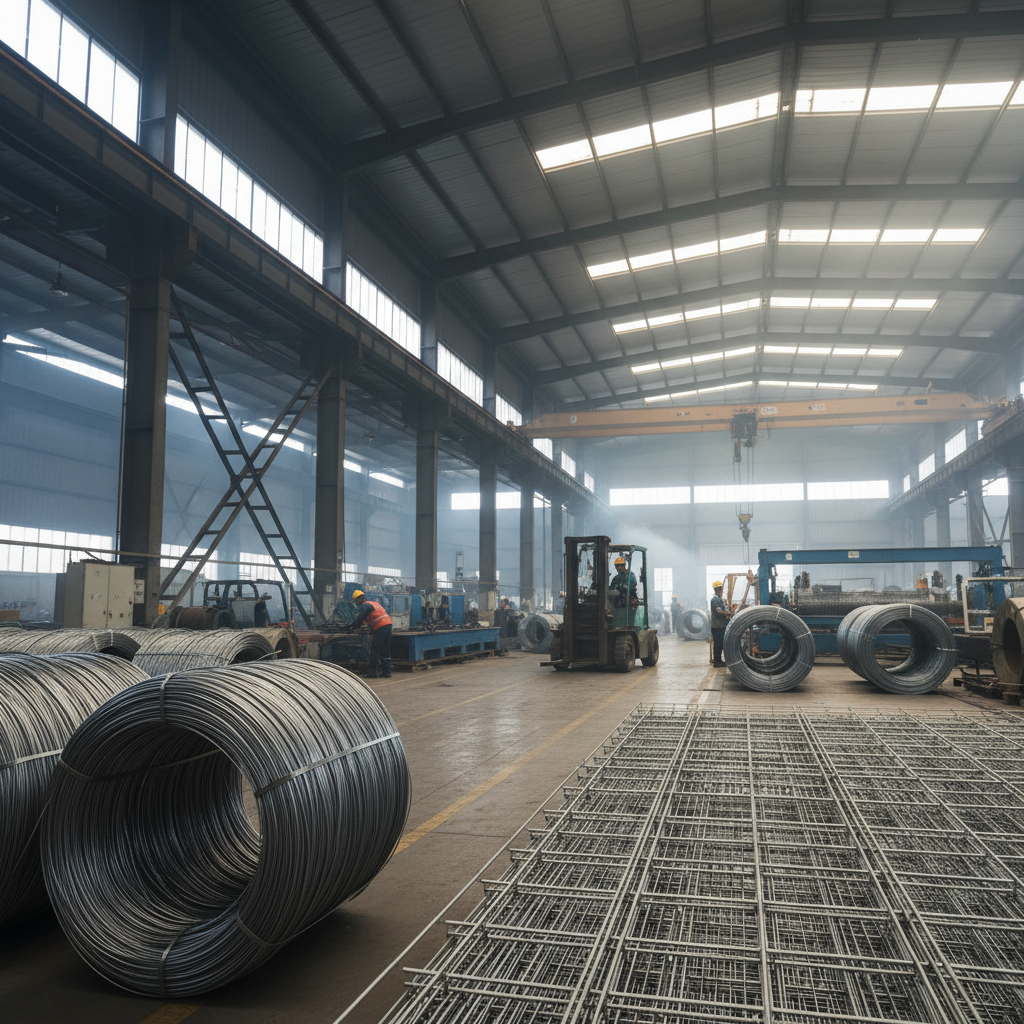
Galvanized wire fence represents a critical component in modern infrastructure and security solutions worldwide. Its unique blend of affordability, durability, and ease of installation makes it an indispensable material across diverse sectors, from agricultural fencing to high-security perimeter defenses. Understanding the nuances of galvanized wire fence – its manufacturing processes, material properties, and applications – is crucial for engineers, landowners, security professionals, and anyone involved in building or maintaining resilient structures.
The global demand for galvanized wire fence is steadily increasing, driven by factors such as population growth, urbanization, and the need for secure boundaries in both public and private settings. According to recent industry reports, the market is projected to continue expanding at a significant rate in the coming years. This growth isn’t merely about quantity; advancements in galvanization techniques and wire materials are pushing the boundaries of performance, offering increased corrosion resistance and longevity.
The accessibility and cost-effectiveness of galvanized wire fence make it particularly important in developing nations, offering a practical solution to land demarcation, livestock management, and security concerns where more expensive options are prohibitive. It's a foundational element in creating stability and protecting resources.
What is Galvanized Wire Fence?
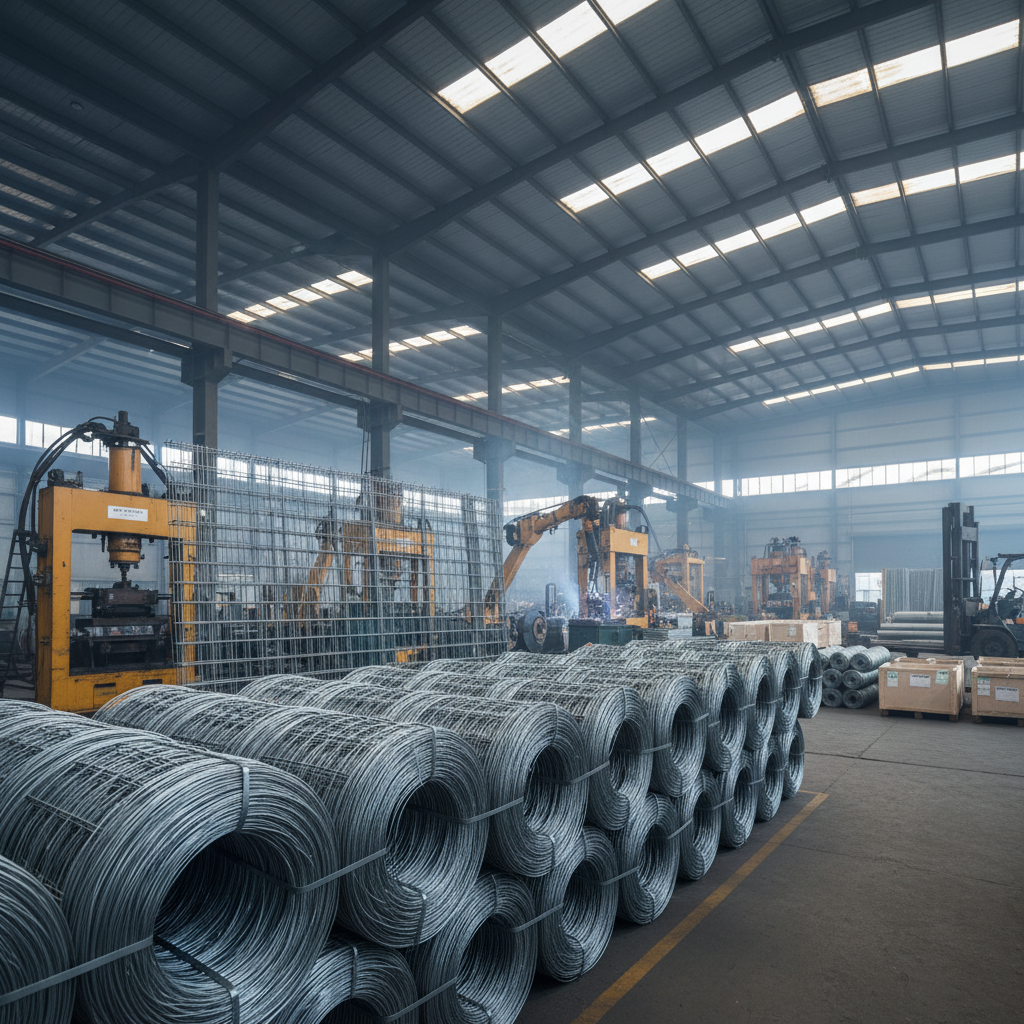
Galvanized wire fence is a fencing material constructed from steel wire that has been coated with a layer of zinc through a process called galvanization. This zinc coating provides a crucial barrier against corrosion, significantly extending the lifespan of the fence, even in harsh environmental conditions. It's a robust and reliable solution for containment and security.
The galvanization process creates a metallurgical bond between the zinc and the underlying steel, ensuring a durable and long-lasting protective layer. This is fundamentally different from simply painting or coating the wire, as the zinc actively protects the steel even if the coating is scratched or damaged. This inherent protection makes galvanized wire fence a superior choice for long-term applications.
The Global Relevance of Galvanized Wire Fence
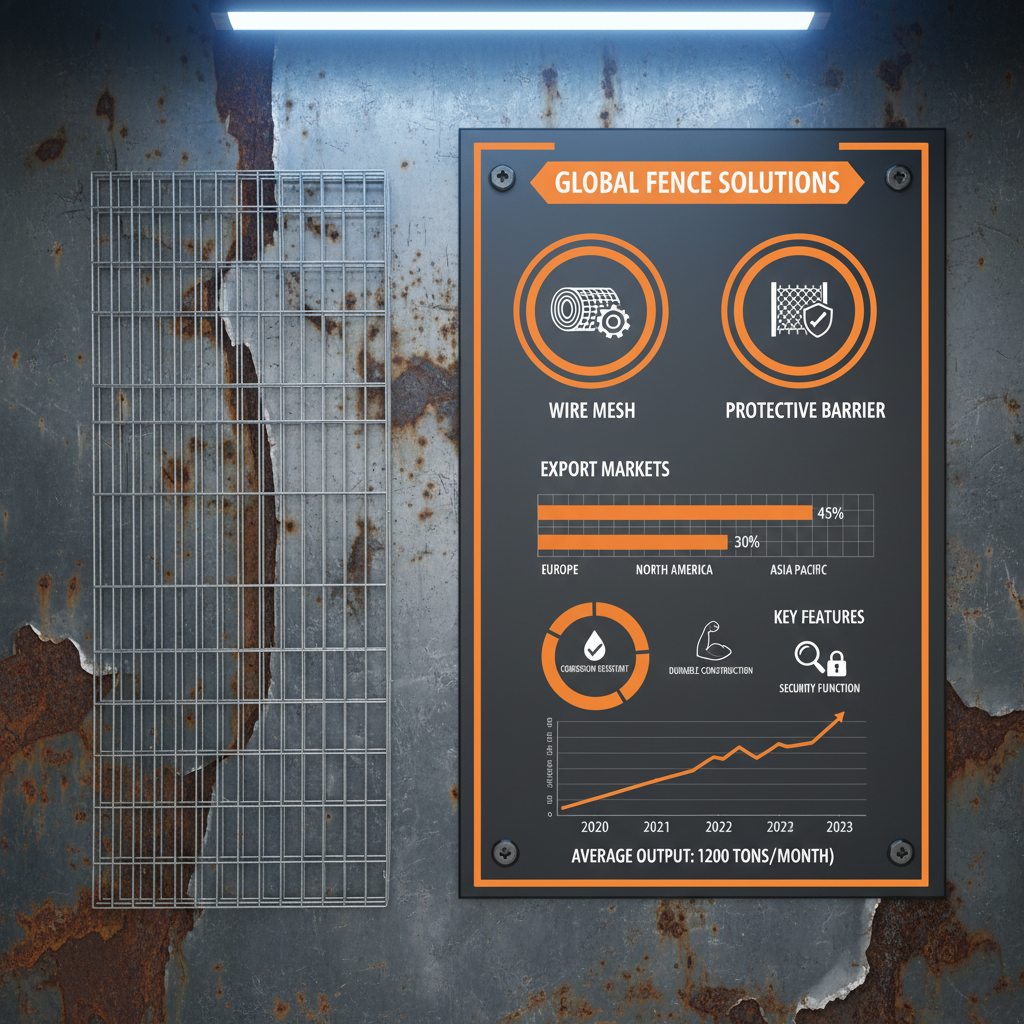
The demand for galvanized wire fence transcends geographical boundaries, playing a vital role in numerous sectors globally. From agricultural applications in vast farming landscapes of North America to securing perimeters in bustling urban centers across Europe and Asia, its adaptability is a key strength. This widespread need isn’t simply practical; it reflects the growing importance of property rights, livestock management, and security in a rapidly changing world.
Statistics from the United Nations Food and Agriculture Organization (FAO) highlight the critical role of secure fencing in protecting agricultural investments and improving food security, particularly in developing countries. In areas prone to livestock theft, a robust galvanized wire fence can make the difference between sustainable farming and economic hardship. This directly impacts local economies and global food supply chains.
Furthermore, the rise of security concerns in various regions has amplified the need for dependable perimeter security solutions, and galvanized wire fence offers a cost-effective and durable option for protecting critical infrastructure, industrial facilities, and residential properties. The ISO 9001 certification for galvanizing processes ensures consistent quality and reliability, further bolstering its global acceptance.
Defining Galvanized Wire Fence: A Core Material
At its core, galvanized wire fence is a fundamental building block for a wide range of containment and security applications. It's not merely a physical barrier, but an investment in long-term protection and resource management. The material's very nature supports infrastructure development and economic stability in diverse environments.
The connection between galvanized wire fence and modern industry is deeply rooted in its practicality and reliability. Unlike other materials that succumb to rust and deterioration, galvanized steel maintains its integrity for decades, minimizing maintenance costs and replacement frequency. This aligns with the principles of sustainable infrastructure and responsible resource utilization.
In humanitarian contexts, galvanized wire fence provides essential support for establishing safe zones, protecting refugee camps, and demarcating areas for disaster relief efforts. Its ease of deployment and relatively low cost make it an invaluable asset in responding to emergencies and providing a degree of security in challenging situations.
Key Attributes of Galvanized Wire Fence
Several key attributes define the effectiveness and widespread use of galvanized wire fence. Foremost is its remarkable Durability. The zinc coating protects the steel from corrosion, allowing the fence to withstand harsh weather conditions, including rain, snow, and extreme temperatures, for extended periods.
Another crucial characteristic is Cost-Effectiveness. Compared to alternative fencing materials like aluminum or stainless steel, galvanized wire fence provides a similar level of security and longevity at a significantly lower price point. This makes it accessible to a wider range of users and applications.
Galvanized Wire Fence Performance Attributes
Applications of Galvanized Wire Fence Around the World
The versatility of galvanized wire fence is demonstrated by its diverse range of applications. In agricultural settings, it’s used to contain livestock, protect crops from wildlife, and define property boundaries. Farmers across the globe rely on this durable material to safeguard their livelihoods and ensure efficient farm management.
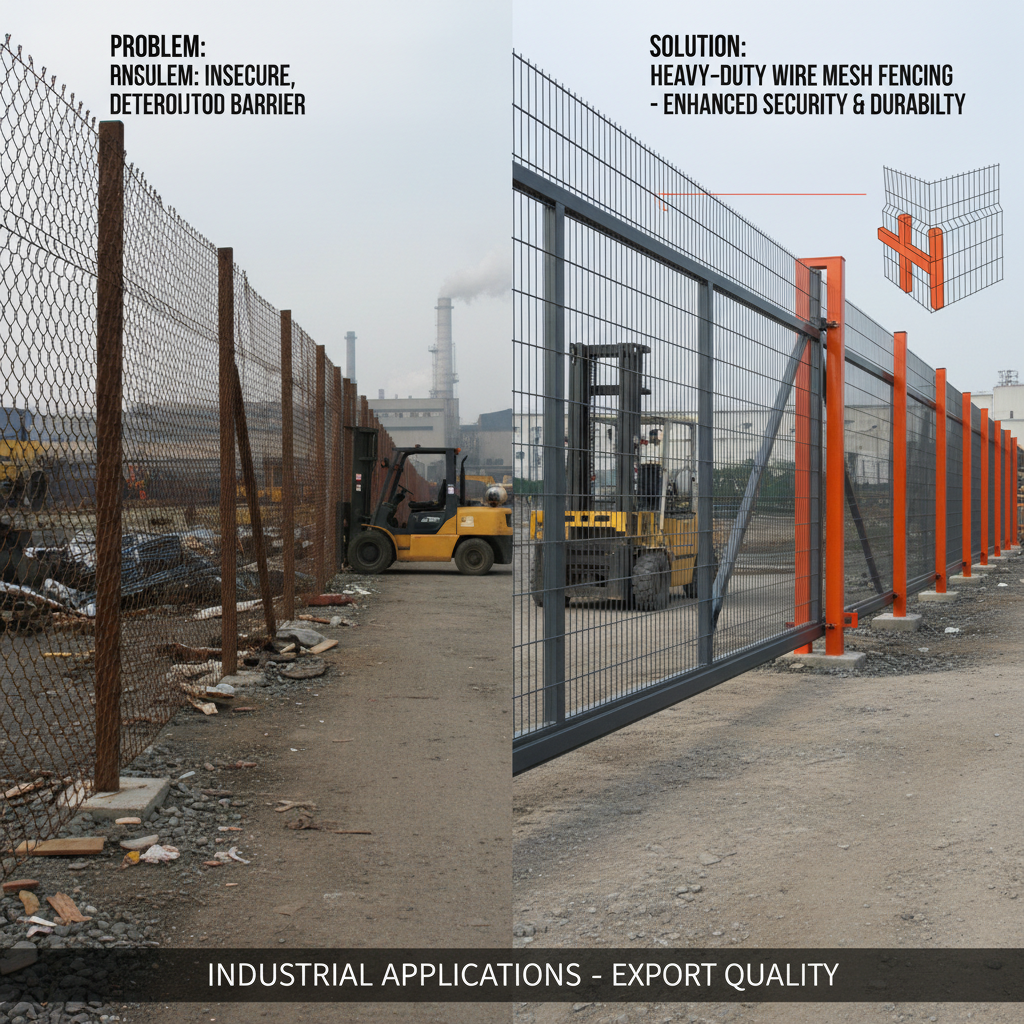
Beyond agriculture, galvanized wire fence plays a critical role in security applications. It is widely employed to secure industrial sites, construction zones, and residential properties, providing a visible and effective deterrent against unauthorized access. In post-disaster relief operations, it serves as a temporary barrier to establish safe zones and control movement.
The Advantages of Utilizing Galvanized Wire Fence
The tangible benefits of galvanized wire fence extend far beyond its initial cost. Its longevity dramatically reduces long-term maintenance expenses, saving resources and minimizing disruptions. Furthermore, the high level of corrosion resistance ensures that the fence remains structurally sound for decades, even in challenging environments.
From a sustainability standpoint, the durability of galvanized wire fence contributes to reduced material waste and a smaller environmental footprint. The use of recycled steel in its production further enhances its eco-friendly profile. The inherent safety and security it provides enhance the well-being of communities and protect valuable assets.
Future Trends and Innovation in Galvanized Wire Fence
Innovations in galvanization technology are constantly pushing the boundaries of performance, with advancements like zinc-aluminum alloy coatings offering even greater corrosion resistance. These developments are critical in extending the lifespan of galvanized wire fence and reducing the need for frequent replacements.
The integration of smart technologies, such as sensor-equipped fencing that can detect breaches and alert security personnel, is also gaining traction. These "intelligent fences" represent the next evolution in perimeter security, combining the robustness of galvanized steel with the power of data analytics.
Sustainability remains a key driver of innovation, with increasing emphasis on utilizing recycled materials and minimizing the environmental impact of the manufacturing process. Future trends will likely focus on developing even more eco-friendly galvanization techniques and optimizing the use of renewable energy in production.
Challenges and Solutions
Despite its many advantages, galvanized wire fence isn’t without its limitations. One common challenge is the potential for damage during installation, which can compromise the integrity of the zinc coating. Proper handling and installation techniques are crucial to prevent this issue.
Another challenge is the potential for corrosion in highly acidic or alkaline environments. In such cases, specialized coatings or alternative materials may be required. Regular inspections and maintenance, including the application of protective coatings, can help mitigate this risk.
To address these challenges, ongoing research focuses on developing advanced coatings with enhanced corrosion resistance and exploring alternative galvanization processes that minimize environmental impact. Furthermore, providing comprehensive training programs for installers can ensure that fences are erected correctly and maintained effectively.
Frequently Asked Questions About Galvanized Wire Fence
| Application |
Material Composition |
Durability & Maintenance |
Cost & Installation |
| Agricultural Use |
Steel core, Zinc Coating |
20-50 years; minimal with inspections |
$2-$5/foot; Moderate |
| Security Perimeter |
High-tensile steel, heavy galvanization |
30-60 years; periodic coating repair |
$4-$8/foot; Requires skilled installation |
| Livestock Containment |
Mild steel, standard galvanization |
15-30 years; dependent on climate |
$1.50-$3/foot; Simple installation |
| Industrial Fencing |
High-carbon steel, robust zinc layer |
25-40 years; minimal maintenance needed |
$3-$6/foot; professional install recommended |
| Residential Boundaries |
Galvanized steel wire, varied gauges |
10-20 years; occasional touch-up paint |
$1-$4/foot; DIY friendly |
| Coastal Environments |
High-grade steel, enhanced zinc alloy |
15-25 years; regular cleaning advised |
$5-$10/foot; specialist installation needed |
FAQS
The lifespan of a galvanized wire fence typically ranges from 15 to 60 years, depending on the thickness of the zinc coating, the climate, and the level of maintenance. In moderate climates with regular inspections and occasional repairs, a well-installed galvanized wire fence can easily last for several decades. More severe environments, such as coastal areas, may require more frequent maintenance or specialized coatings.
Galvanization protects the steel wire through a process called sacrificial corrosion. The zinc coating acts as a barrier against corrosive elements, and even if the coating is scratched, the zinc will corrode first, protecting the underlying steel. This ensures long-term structural integrity and prevents rust from weakening the fence. This inherent protection makes galvanized wire fence a cost-effective and reliable choice.
Galvanized wire fence is relatively environmentally friendly, particularly when compared to other fencing materials. The zinc coating is recyclable, and galvanized steel can be reused at the end of its lifespan. Furthermore, the durability of galvanized wire fence reduces the need for frequent replacements, minimizing material waste. Modern galvanization processes also aim to minimize environmental impact.
Regular maintenance is crucial for extending the lifespan of a galvanized wire fence. This includes inspecting the fence for damage, repairing any breaks or cuts, and cleaning off any dirt or debris. Applying a protective coating to any exposed steel can also help prevent corrosion. Regular inspections can identify small issues before they become major problems, saving time and money in the long run.
While galvanized wire fence offers good corrosion resistance, it may not be ideal for prolonged exposure to saltwater environments. Saltwater can accelerate the corrosion process, even on galvanized steel. For coastal applications, consider using specialized coatings or alternative materials like stainless steel or aluminum to ensure long-term durability. Proper cleaning and maintenance are also essential in saltwater environments.
There are several types of galvanization, including hot-dip galvanizing, electrogalvanizing, and zinc-aluminum alloy coatings. Hot-dip galvanizing provides the thickest and most durable coating, making it ideal for harsh environments. Electrogalvanizing offers a thinner coating and is often used for applications where appearance is important. Zinc-aluminum alloy coatings offer enhanced corrosion resistance compared to traditional galvanization.
Conclusion
Galvanized wire fence stands as a testament to practical engineering and enduring value. Its blend of affordability, durability, and versatility has made it an indispensable material in agriculture, security, and countless other applications worldwide. The inherent corrosion resistance offered by the galvanization process ensures a long lifespan and minimizes maintenance costs, making it a sustainable and cost-effective choice for both individuals and organizations.
Looking ahead, continued innovation in galvanization technologies and materials promises to further enhance the performance and environmental friendliness of galvanized wire fence. By embracing sustainable practices and exploring smart technologies, we can unlock even greater potential for this versatile material, solidifying its role as a vital component of a resilient and secure future.