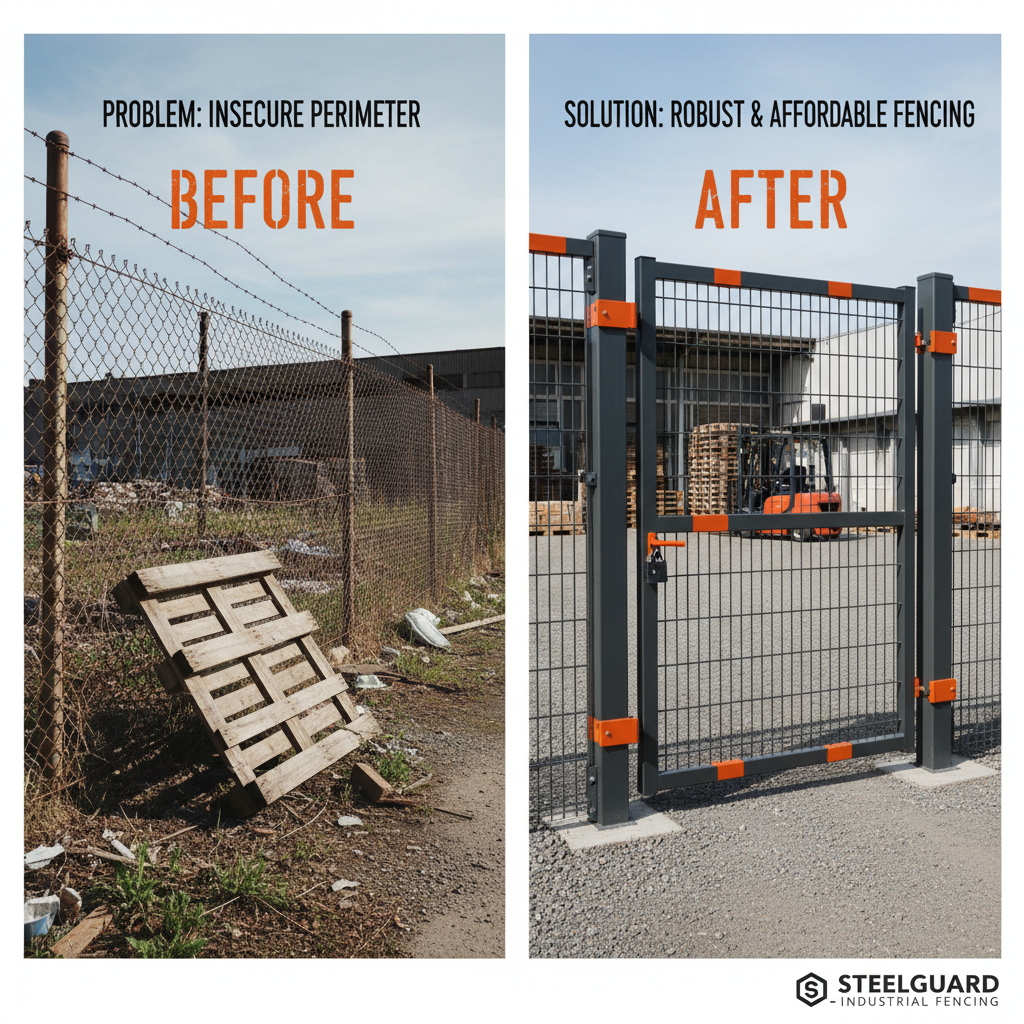
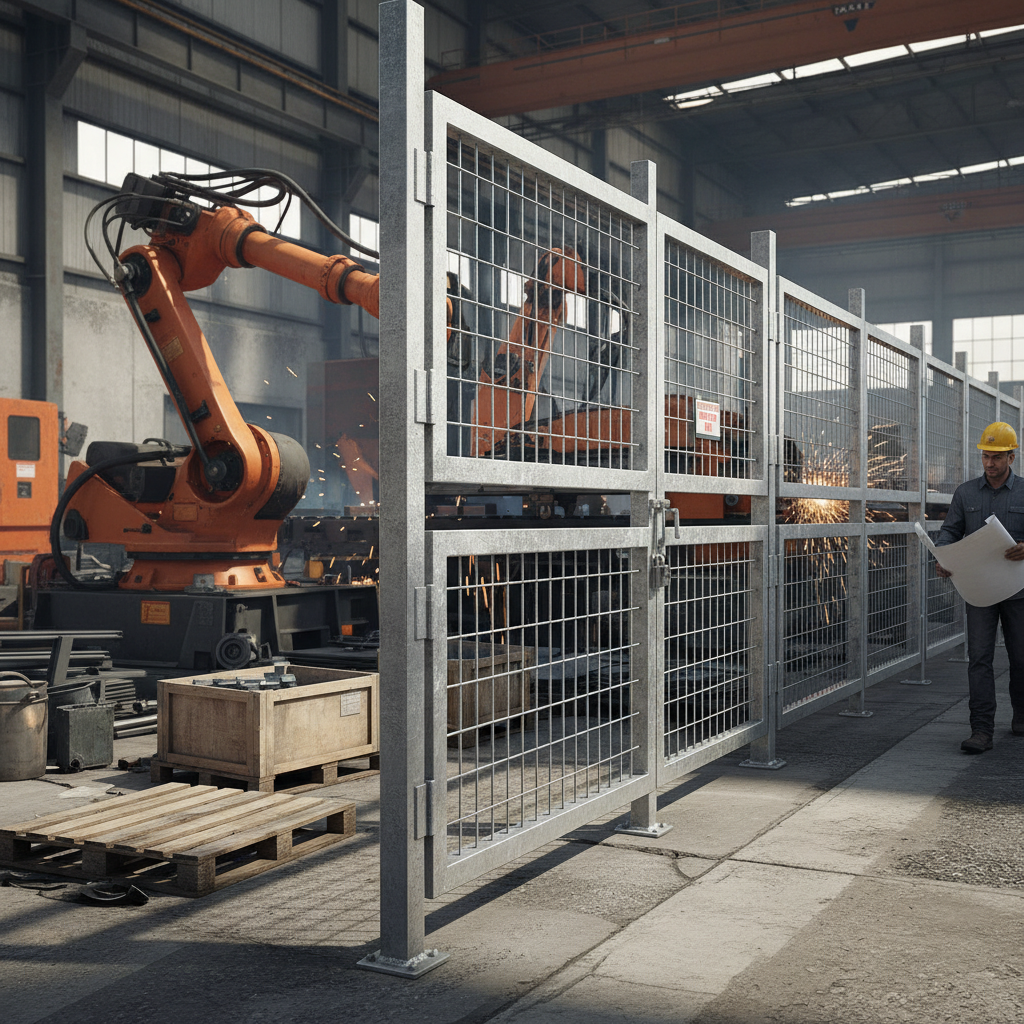
Black wire mesh fence plays a crucial role in modern security, agriculture, and industrial applications globally. Its robust construction and cost-effectiveness make it a versatile solution for a wide range of containment and protection needs. From securing perimeters and protecting crops to providing structural support in construction, black wire mesh fence is a foundational element in many vital industries.
The demand for black wire mesh fence is steadily increasing due to growing security concerns, expanding agricultural practices, and infrastructure development. Global trade and the need for efficient containment solutions further drive this demand. Understanding the various types, applications, and benefits of black wire mesh fence is essential for professionals and individuals alike.
This comprehensive guide explores the intricacies of black wire mesh fence, covering its definition, core components, global applications, advantages, future trends, and common challenges. By delving into these aspects, we aim to provide a thorough understanding of this essential material and its impact on various sectors.
Defining Black Wire Mesh Fence
Black wire mesh fence is a woven or welded structure comprised of steel wires coated with a black polyethylene (PE) or polyvinyl chloride (PVC) finish. This coating provides corrosion resistance and a discreet aesthetic, making it suitable for various applications where visibility is minimized. It offers a robust and cost-effective solution for security, containment, and support.
Its connection to modern industry and societal needs is undeniable. From safeguarding agricultural land against pests and livestock to providing secure boundaries for industrial facilities and residential properties, black wire mesh fence is a fundamental element in infrastructure and economic development worldwide. It's a practical solution addressing concerns around safety, security, and resource management.
Global Relevance and Applications
The global market for wire mesh fencing, including the black coated variety, is substantial and continues to grow. According to industry reports, the fencing market is projected to reach several billion dollars in the coming years, driven by infrastructure development in emerging economies and increasing security demands globally. This growth highlights the critical role of black wire mesh fence in supporting infrastructure projects and safeguarding assets.
A significant challenge addressed by black wire mesh fence is the need for affordable and effective perimeter security. Rising crime rates and security threats necessitate robust solutions that are accessible to a wide range of users, from homeowners to large corporations. The versatility and cost-effectiveness of black wire mesh fence make it a preferred choice in addressing this challenge.
Furthermore, agricultural applications require secure fencing to protect crops and livestock, preventing losses due to pests, theft, or stray animals. Black wire mesh fence offers a durable and reliable solution, contributing to food security and economic stability in agricultural communities worldwide. A consistent supply chain of black wire mesh fence is crucial to meet this demand.
Core Components of Black Wire Mesh Fence
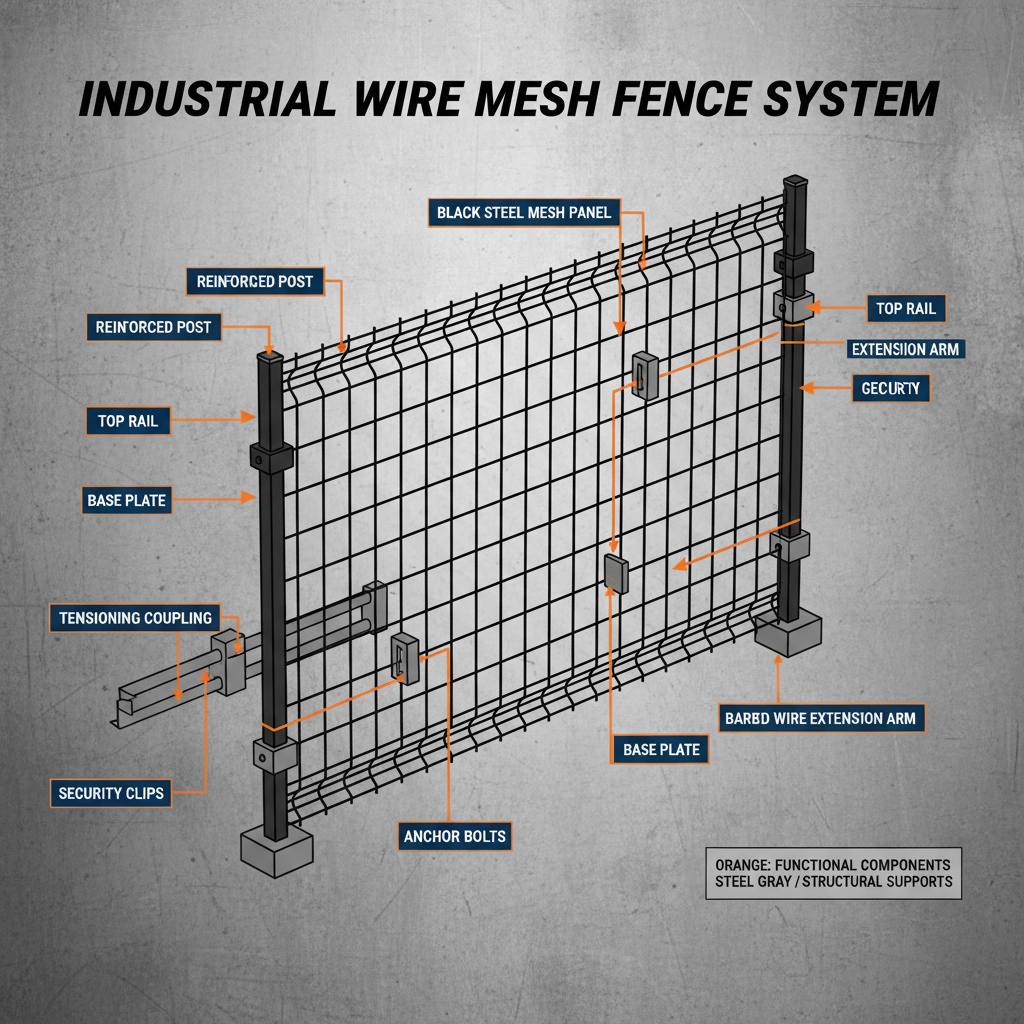
Black wire mesh fence comprises several key components working in synergy. These include the galvanized steel wire, the black PE or PVC coating, the mesh pattern (woven or welded), and the structural supports like posts and rails. The quality of each component directly impacts the fence's overall durability and performance.
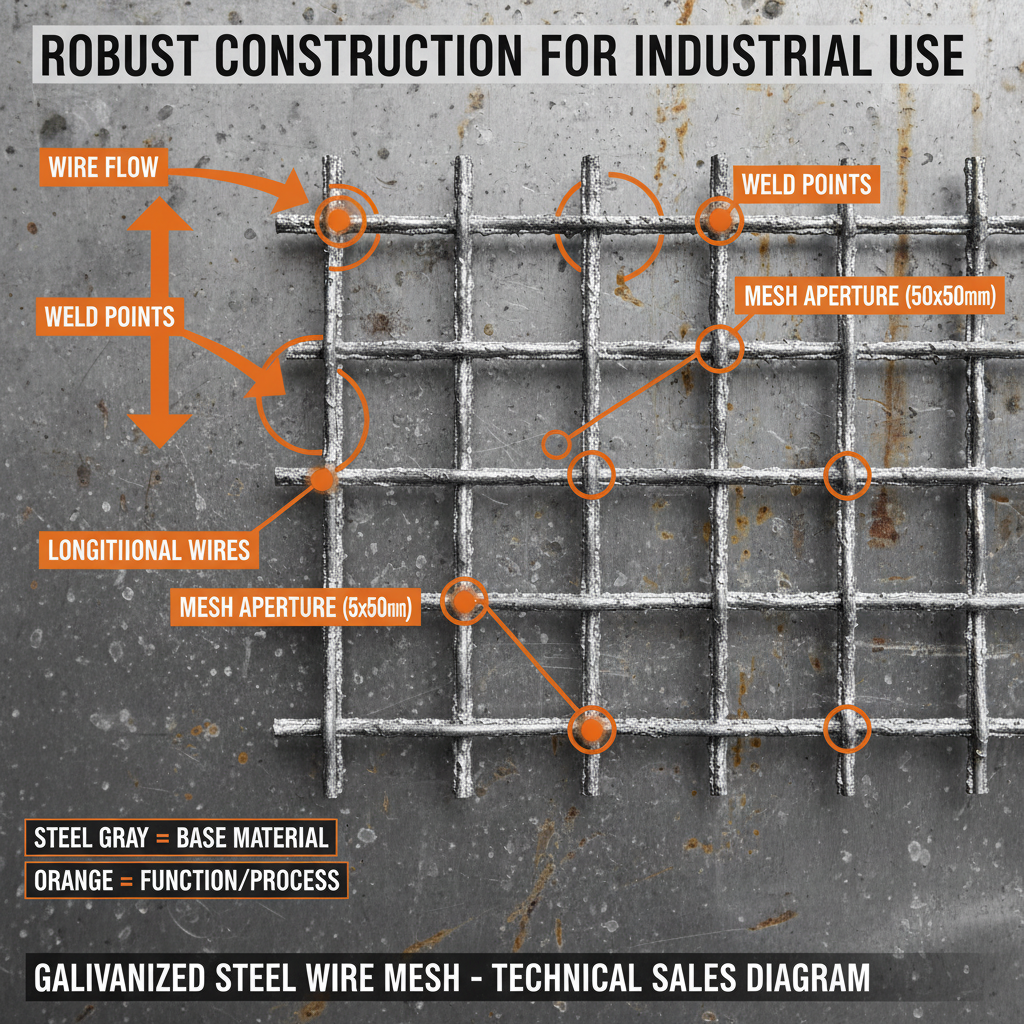
The galvanized steel wire provides the foundational strength and corrosion resistance. The black coating adds an aesthetic appeal and further enhances corrosion protection, especially in harsh weather conditions. Woven mesh offers greater flexibility and strength, while welded mesh provides a more uniform and rigid structure, each suited for different applications.
Understanding the specific composition and quality of these components is critical when selecting a black wire mesh fence for a particular application. Factors such as wire gauge, mesh aperture, coating thickness, and post spacing all contribute to the fence's ability to withstand environmental stresses and provide long-lasting performance.
Key Advantages and Performance Metrics
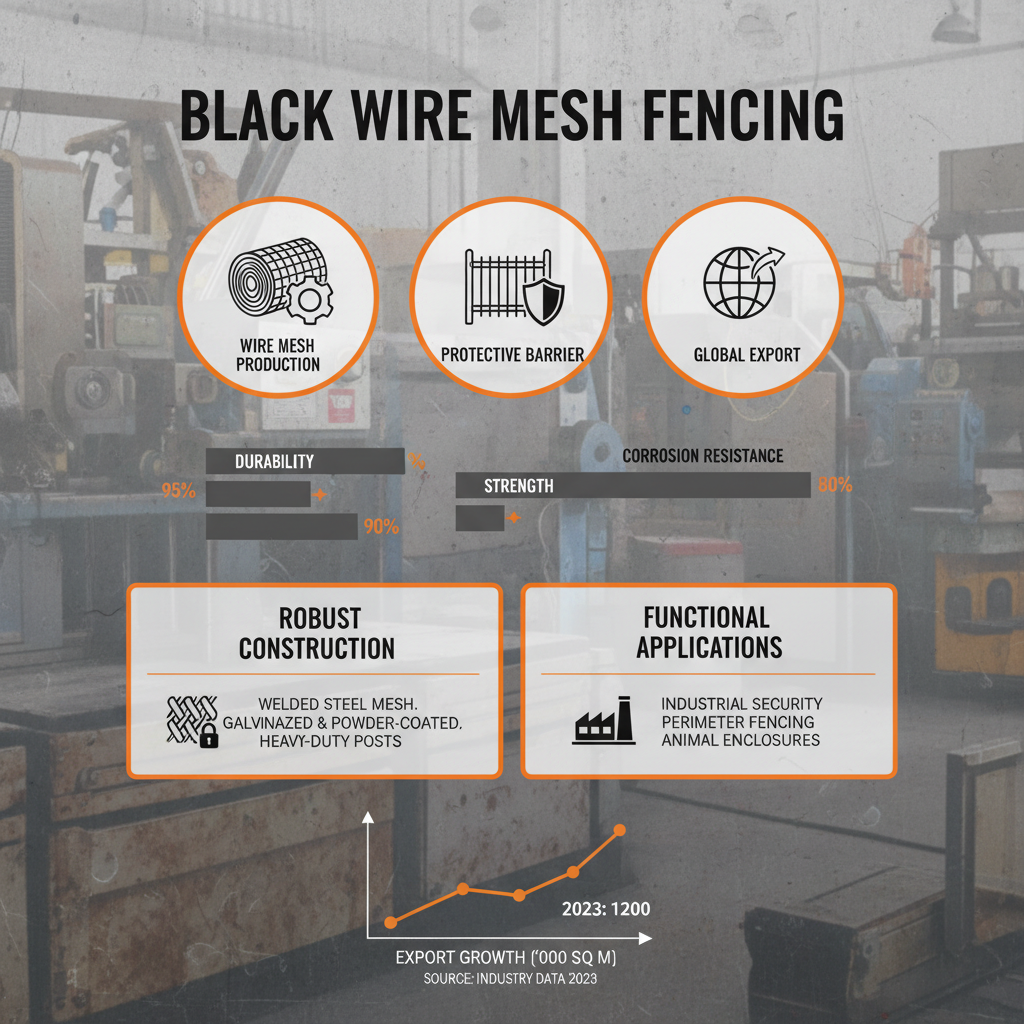
Black wire mesh fence offers numerous advantages, including cost-effectiveness, durability, ease of installation, and minimal maintenance. Compared to other fencing materials like wood or concrete, it provides a significant economic benefit without compromising on security or structural integrity.
Performance metrics such as tensile strength, corrosion resistance, and UV stability are crucial indicators of the fence's quality and longevity. Standardized testing procedures, like those defined by ISO standards, can be used to assess these metrics and ensure the fence meets specific requirements.
Performance Metrics of Black Wire Mesh Fence Types
Global Applications and Real-World Use Cases
Black wire mesh fence finds extensive application in various sectors globally. In agriculture, it protects crops from animal intrusion and supports climbing plants. In security, it creates robust perimeter barriers for residential, commercial, and industrial properties. Its use extends to construction, serving as reinforcement in concrete structures and providing safety netting.
In post-disaster relief operations, black wire mesh fence is deployed to establish temporary shelters and secure affected areas. In remote industrial zones, it safeguards valuable equipment and resources against theft and vandalism. The versatility of black wire mesh fence ensures its relevance in diverse and challenging environments.
Long-Term Value and Sustainability
The long-term value of black wire mesh fence lies in its durability, low maintenance requirements, and recyclability. Properly installed and maintained, a black wire mesh fence can provide decades of reliable service, minimizing replacement costs. Its recyclability aligns with sustainable practices, reducing environmental impact.
The cost-effectiveness of black wire mesh fence makes it accessible to a broader range of users, promoting safety and security in communities with limited resources. Its contribution to agricultural productivity and resource management further enhances its social and economic value.
Future Trends and Innovation in Black Wire Mesh Fence
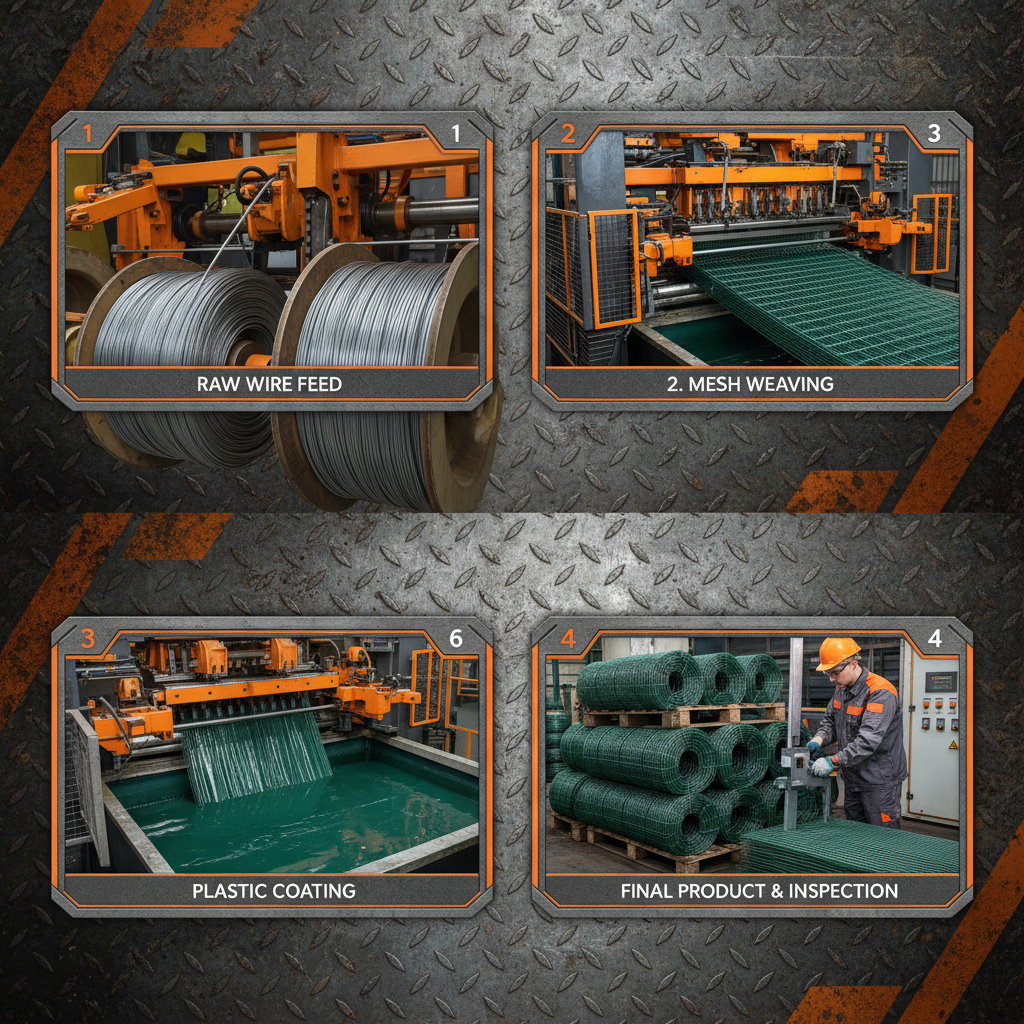
Future trends in black wire mesh fence include the development of new coating technologies for enhanced corrosion resistance and UV stability. Innovations in weaving and welding techniques aim to improve the fence's strength and flexibility. The integration of smart technologies, such as sensors and alarms, is also emerging, enhancing security capabilities.
Research into sustainable materials and manufacturing processes is gaining momentum, reducing the environmental footprint of black wire mesh fence production. The demand for customized solutions tailored to specific application needs is driving innovation in fence design and fabrication.
Automation in the manufacturing process, utilizing robotics and AI, is also expected to increase efficiency and reduce production costs, making black wire mesh fence even more accessible and affordable.
Summary of Factors Influencing Black Wire Mesh Fence Performance
| Material Quality |
Coating Type |
Mesh Configuration |
Installation Standards |
| Galvanized steel grade (impacts corrosion resistance) |
PE coating thickness and UV stabilization |
Woven vs. Welded (strength and flexibility) |
Post depth and spacing (structural integrity) |
| Wire gauge (determines tensile strength) |
PVC coating adhesion and durability |
Aperture size (security and containment) |
Proper tensioning of the wire (preventing sagging) |
| Zinc coating thickness (corrosion protection) |
Coating uniformity (consistent protection) |
Mesh pattern density (security level) |
Use of appropriate fasteners (corrosion resistance) |
| Steel tensile strength (resistance to deformation) |
Resistance to chemical degradation |
Mesh weight per square meter (structural support) |
Alignment and leveling of posts (fence stability) |
| Resistance to fatigue (long-term durability) |
Abrasion resistance (impact protection) |
Mesh height (security and containment) |
Ground preparation (ensuring a stable base) |
| Presence of defects (weakness points) |
Colorfastness (aesthetic appearance) |
Edge treatment (preventing injuries) |
Regular inspection and maintenance (prolonging lifespan) |
FAQS
The lifespan of a black wire mesh fence typically ranges from 10 to 20 years, depending on the quality of materials, the coating type, environmental conditions, and proper installation and maintenance. Galvanized steel with a high-quality PE or PVC coating can significantly extend the fence's longevity, resisting corrosion and UV degradation. Regular inspections and repairs will maximize its lifespan.
Smaller mesh sizes offer higher security, as they make it more difficult to climb or cut through the fence. Larger mesh sizes are more suitable for agricultural applications where animal containment is the primary concern. Choosing the appropriate mesh size depends on the specific security needs and the type of threats the fence needs to deter. A tighter mesh reduces potential breach points.
Regular maintenance includes inspecting the fence for damage, such as cuts, tears, or corrosion. Repair any damaged sections promptly to prevent further deterioration. Remove vegetation growing on or near the fence, as it can trap moisture and accelerate corrosion. Periodically clean the fence to remove dirt and debris, and consider reapplying a protective coating every few years to enhance its durability.
Black wire mesh fence can be used in saltwater environments, but it requires extra consideration. Choosing a fence with a high-quality PVC coating is crucial, as PVC offers superior corrosion resistance compared to PE. Regular cleaning and inspection are even more important in saltwater environments to remove salt buildup, which can accelerate corrosion. Consider using stainless steel components for added protection.
Woven wire mesh is created by interlocking wires, resulting in a flexible and durable fence. Welded wire mesh is formed by fusing wires together at each intersection, creating a rigid and uniform structure. Woven wire mesh is better suited for applications requiring flexibility and resistance to stretching, while welded wire mesh provides greater stability and is ideal for security fencing.
The gauge of the wire refers to its thickness. A lower gauge number indicates a thicker wire, resulting in a stronger and more durable fence. For applications requiring high security or resistance to impact, a lower gauge wire is recommended. However, thicker wire is also more expensive, so it's essential to balance strength with cost considerations. Select the gauge appropriate for the intended use.
Conclusion
Black wire mesh fence remains a vital component in various industries worldwide, offering a cost-effective, durable, and versatile solution for security, containment, and support. Its adaptability to diverse applications, coupled with ongoing innovations in materials and manufacturing, ensures its continued relevance in addressing evolving needs. Understanding the core components, advantages, and potential challenges associated with black wire mesh fence is crucial for making informed decisions.
Looking ahead, the integration of smart technologies and a focus on sustainable practices will further enhance the value and longevity of black wire mesh fence. Investing in high-quality materials, proper installation, and regular maintenance will maximize its lifespan and minimize environmental impact. For reliable black wire mesh fence solutions, visit our website: www.fencingwiremesh.com