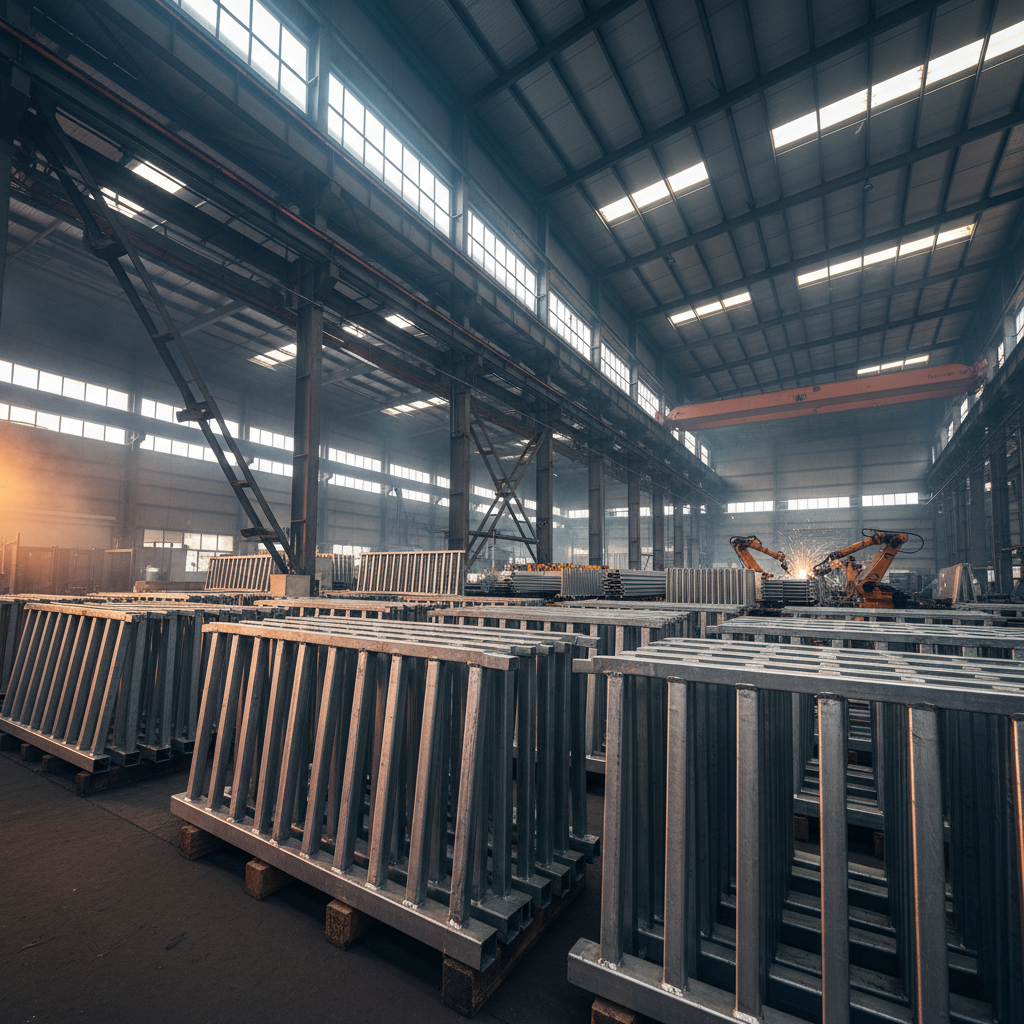
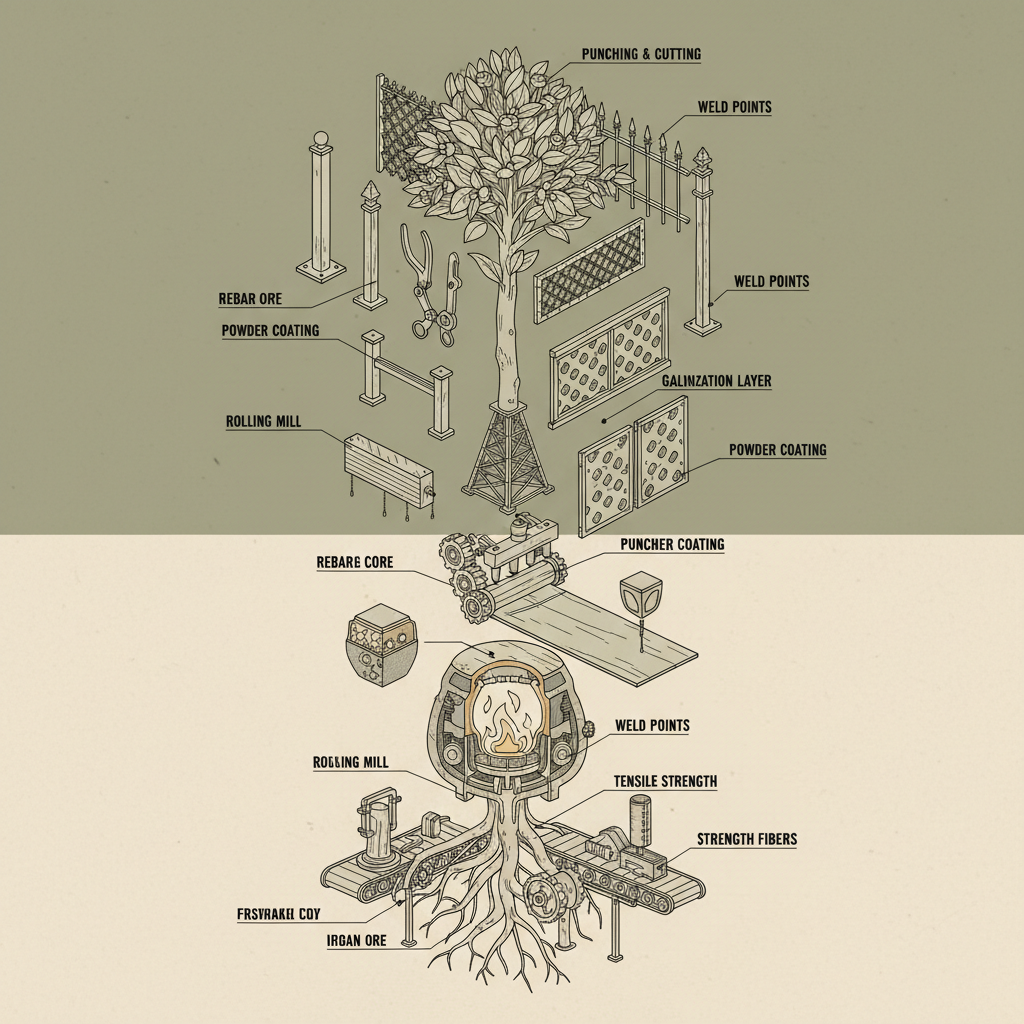
Metal fence barriers play a critical role in modern security, perimeter control, and safety infrastructure globally. From securing industrial sites to defining property lines and providing crowd control, these barriers are essential components of countless applications. Understanding their design, materials, and implementation is crucial for effective risk management and asset protection. The demand for robust and reliable metal fence barrier solutions continues to grow, driven by increasing security concerns and infrastructure development worldwide.
The global metal fence barrier market is a multi-billion dollar industry, projected for continued expansion. Factors like urbanization, rising infrastructure spending, and heightened security threats in various regions contribute to this growth. International standards, such as those set by ISO, dictate material quality and performance characteristics, ensuring a degree of consistency and reliability across different manufacturers and applications. This market isn't just about physical security; it increasingly integrates with smart technology for access control and surveillance.
Effectively deployed metal fence barrier systems contribute significantly to public safety and private property security. They are a visible deterrent to trespassers, help manage access, and can provide a safe perimeter in potentially hazardous environments. This makes them a cornerstone of security strategies for governments, businesses, and homeowners alike, ensuring peace of mind and protection of valuable assets.
The Importance of Metal Fence Barriers
Metal fence barriers are fundamental to modern security infrastructure, offering a robust and reliable solution for perimeter protection. Their prevalence stems from their ability to effectively deter unauthorized access, protect assets, and maintain safety. A well-designed metal fence barrier system isn’t simply a physical obstruction; it’s a critical component of a comprehensive security strategy.
The significance of these barriers extends beyond simply preventing trespassers. They play a vital role in crowd control during large events, define boundaries in industrial settings, and even contribute to animal containment in agricultural areas. Their adaptability makes them applicable across a remarkably diverse range of scenarios, highlighting their broad importance.
Defining Metal Fence Barriers
A metal fence barrier is a physical structure constructed primarily from metal materials – typically steel, aluminum, or wrought iron – designed to create a perimeter or boundary. These barriers serve to control access, provide security, and define property lines. They can range in design from simple chain-link fences to ornate wrought iron structures and robust welded wire panels.
The purpose of a metal fence barrier extends beyond mere containment. They’re often integrated with access control systems, such as gates and locks, and can incorporate surveillance technology for enhanced security. They contribute to a sense of security and order in both residential and commercial environments.
Modern metal fence barriers are increasingly engineered to meet specific security requirements, ranging from basic perimeter control to high-security applications requiring resistance to forced entry and vandalism. This has led to the development of specialized designs and materials tailored to diverse needs and threat levels.
Key Components of Effective Metal Fence Barriers
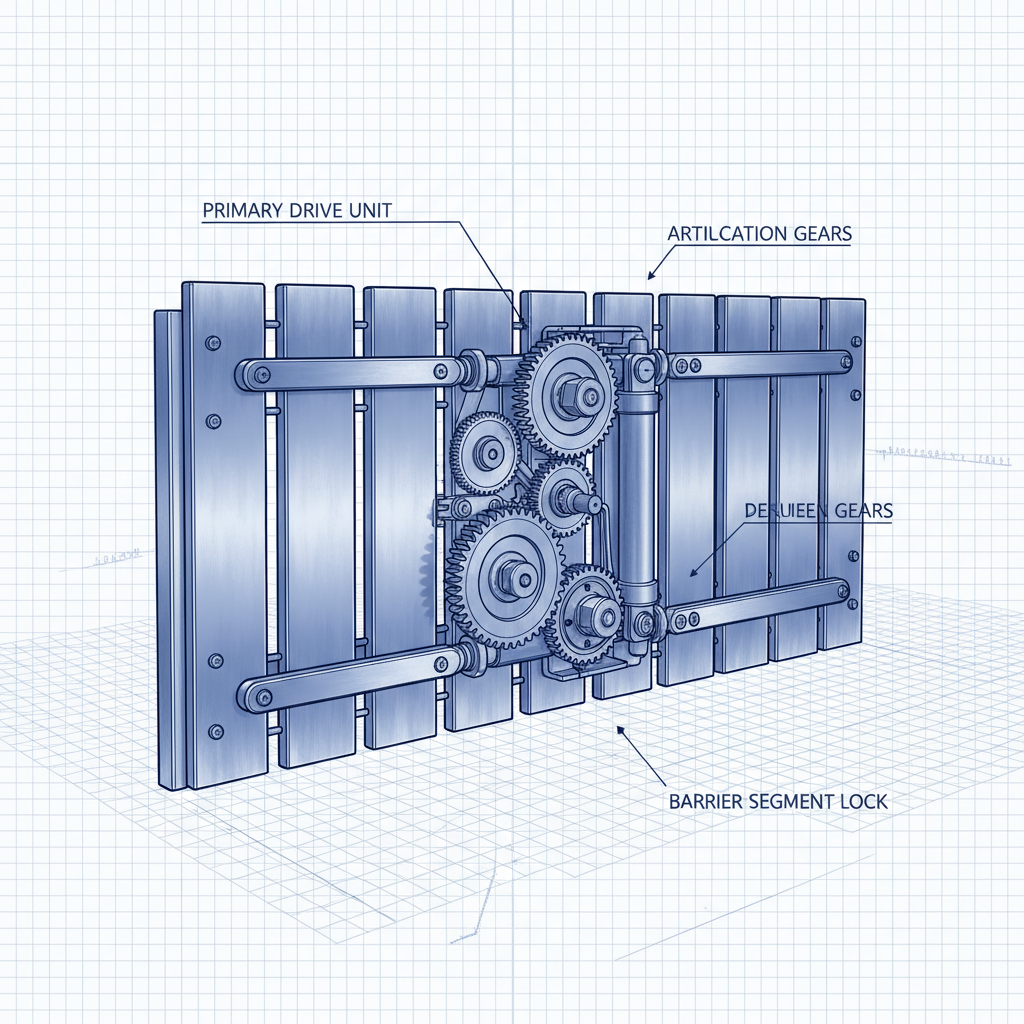
Several key components contribute to the overall effectiveness of a metal fence barrier. The posts, typically made of steel or aluminum, provide the structural support. The infill material – chain-link, welded wire mesh, ornamental panels, or solid sheeting – defines the barrier’s opacity and security level. Gate systems, including hinges, latches, and access control mechanisms, provide controlled entry and exit points.
The quality of the materials used is paramount. Galvanized steel offers excellent corrosion resistance, while powder coating provides additional protection and aesthetic appeal. Aluminum is lightweight and requires minimal maintenance, making it suitable for certain applications. The connections and fasteners used to assemble the barrier also play a critical role in its structural integrity and longevity.
Finally, proper installation is crucial. A poorly installed metal fence barrier is vulnerable to weaknesses and can compromise the entire system. Professional installation ensures that the barrier is securely anchored, level, and aligned, maximizing its effectiveness and lifespan.
Durability and Longevity in Metal Fence Barrier Systems
Durability is a defining characteristic of a well-constructed metal fence barrier. The ability to withstand harsh weather conditions, resist corrosion, and endure physical impact are essential for long-term performance. This durability is directly linked to the materials used, the quality of construction, and the protective coatings applied.
Factors like climate, exposure to salt spray (in coastal areas), and potential vandalism significantly impact the longevity of a barrier. Galvanization, powder coating, and regular maintenance are critical for preserving the integrity of the metal and preventing deterioration. Investing in high-quality materials upfront often translates to significant cost savings over the barrier's lifespan.
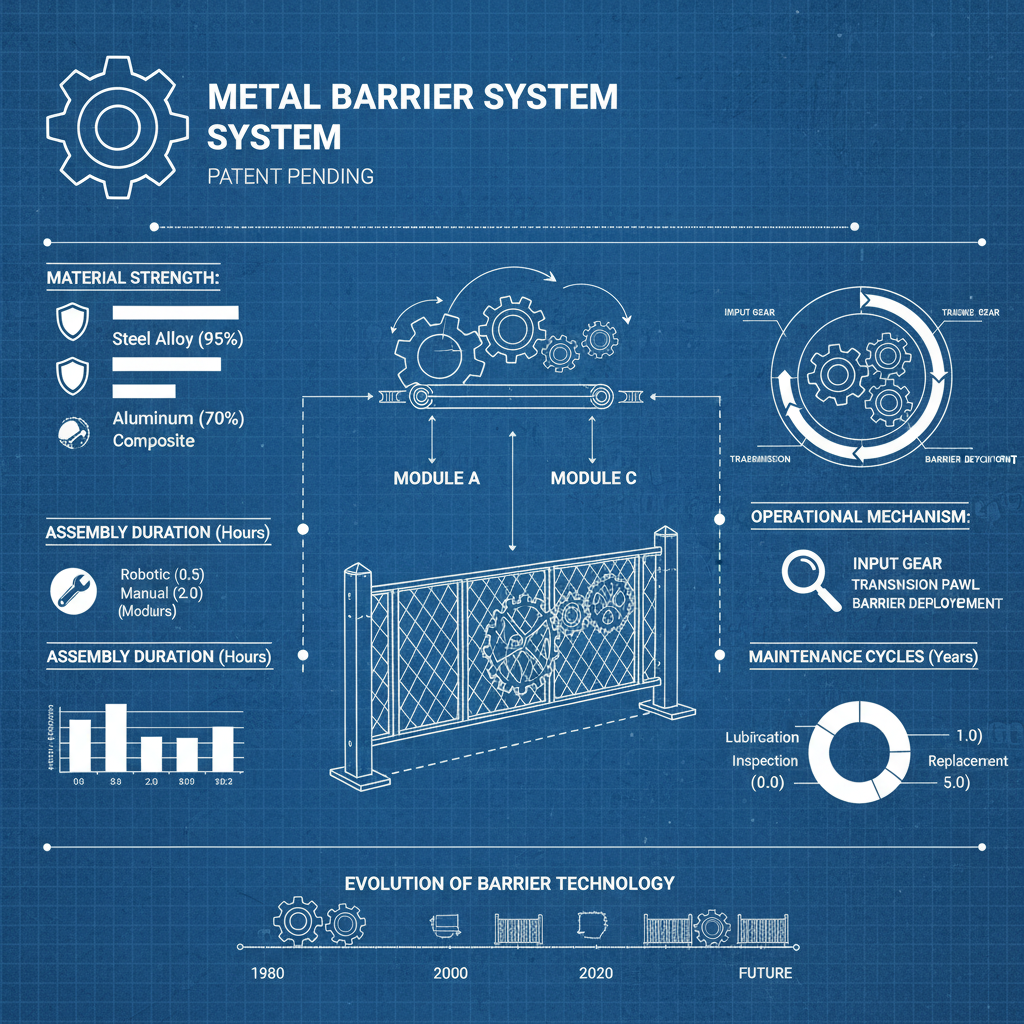
Metal Fence Barrier Material Comparison - Durability
Global Applications of Metal Fence Barriers
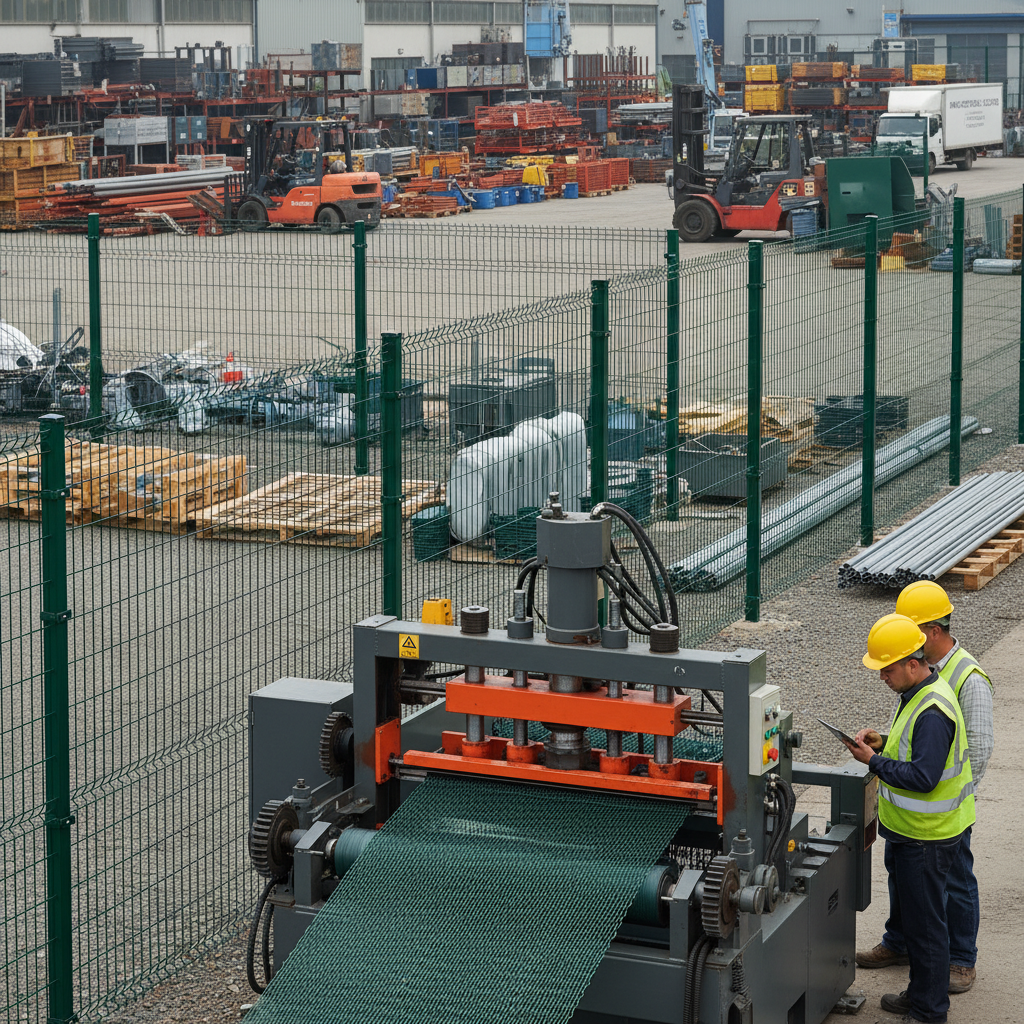
Metal fence barriers are utilized extensively across a multitude of industries and applications worldwide. In the industrial sector, they secure facilities, protect equipment, and delineate restricted areas. Residential properties employ them for privacy, security, and aesthetic enhancement.
Government and military installations rely heavily on high-security metal fence barrier systems to safeguard critical infrastructure and personnel. In post-disaster relief operations, temporary fencing is used to establish secure zones and manage access. Remote industrial zones in regions like Australia and Canada use durable fencing to protect valuable assets.
Advantages and Long-Term Value
Investing in a quality metal fence barrier offers substantial long-term value. Cost-effectiveness is a key advantage, particularly when considering the barrier’s lifespan and minimal maintenance requirements. Sustainability is another benefit, as metal is a recyclable material.
Beyond the tangible benefits, a well-maintained metal fence barrier provides peace of mind, knowing that property and assets are protected. This contributes to a sense of security and safety, enhancing the overall quality of life for residents and the operational efficiency of businesses.
The enhanced security offered by these barriers builds trust, whether it's for protecting a family home or securing a vital industrial facility. Their durable and reliable nature provides a lasting investment, reducing long-term costs and increasing overall asset value.
Future Trends and Innovations in Metal Fence Barrier Technology
The metal fence barrier industry is evolving, driven by technological advancements and changing security needs. Smart fencing systems, integrating sensors, cameras, and access control technology, are gaining popularity. These systems provide real-time monitoring and automated alerts, enhancing security and reducing response times.
New materials and coatings are being developed to improve corrosion resistance, increase strength, and enhance aesthetic appeal. Sustainable manufacturing practices and the use of recycled materials are also becoming increasingly important, aligning with growing environmental concerns. Integration with renewable energy sources, like solar-powered gate operators, is also emerging.
Summary of Metal Fence Barrier Technological Advancements
| Technology Area |
Advancement Description |
Impact on Metal Fence Barriers |
Adoption Rate (1-5) |
| Smart Sensors |
Integration of motion, vibration, and perimeter breach sensors. |
Real-time monitoring and automated threat detection. |
3 |
| Advanced Coatings |
Development of self-healing and anti-graffiti coatings. |
Extended barrier lifespan and reduced maintenance costs. |
4 |
| IoT Connectivity |
Remote monitoring and control through cloud-based platforms. |
Enhanced security management and integration with other security systems. |
2 |
| Biometric Access Control |
Implementation of fingerprint and facial recognition systems. |
Highly secure and personalized access control. |
2 |
| Sustainable Materials |
Increased use of recycled metal and eco-friendly coatings. |
Reduced environmental impact and alignment with sustainability goals. |
3 |
| Automated Gate Systems |
Solar-powered and remotely operated gate mechanisms. |
Increased convenience and energy efficiency. |
4 |
FAQS
The lifespan of a galvanized steel metal fence barrier typically ranges from 20 to 50 years, depending on environmental conditions and maintenance. Coastal areas with high salt exposure will require more frequent maintenance and may have a shorter lifespan. Regular cleaning and re-coating can significantly extend the barrier's useful life. Choosing a thicker galvanization layer during manufacturing also contributes to longer-lasting protection.
Powder coating provides a durable, protective layer that resists chipping, scratching, and fading. It’s applied electrostatically and then cured under heat, creating a hard, uniform finish. This layer protects the metal from corrosion, UV damage, and chemical exposure, significantly increasing its lifespan. Powder coating also offers a wide range of color options and can enhance the aesthetic appeal of the barrier.
Chain-link fences are woven from galvanized steel wires, offering a more flexible and cost-effective solution. Welded wire fences, conversely, are constructed from wires welded together at each intersection, providing greater rigidity and security. Welded wire is generally more resistant to climbing and offers a cleaner aesthetic, but is typically more expensive than chain-link.
Wrought iron requires regular maintenance to prevent rust and corrosion. This includes annual cleaning, inspection for damage, and re-coating with a protective paint or sealant. Areas prone to chipping or rust should be promptly repaired. While wrought iron is aesthetically pleasing, its maintenance requirements are higher than galvanized steel or aluminum.
Yes, metal fence barriers can be installed on sloped terrain, but it requires careful planning and specialized installation techniques. Stepped or raked installations are common methods for following the contours of the slope. Proper post anchoring and panel adjustments are essential to ensure the barrier remains stable and secure. Professional installation is highly recommended for sloped installations.
Several factors impact the cost, including the type of metal used (steel, aluminum, wrought iron), the height and length of the fence, the complexity of the terrain, the need for gates or access control systems, and the cost of labor. Site preparation, such as clearing vegetation or removing existing structures, also adds to the overall cost.
Conclusion
Metal fence barriers represent a critical component of modern security and infrastructure. Their durability, versatility, and increasing integration with smart technologies make them an invaluable asset for a wide range of applications. From protecting industrial facilities to safeguarding residential properties, these barriers offer a robust and reliable solution for perimeter control and asset protection. Understanding the key components, material options, and future trends is essential for making informed decisions and maximizing the long-term value of these systems.
As security threats evolve, so too will the technology behind metal fence barriers. Continued innovation in materials, sensors, and access control will drive further improvements in performance and efficiency. Investing in high-quality barriers and proactive maintenance will remain crucial for ensuring long-lasting security and peace of mind. For superior metal fence barrier solutions, visit our website today!