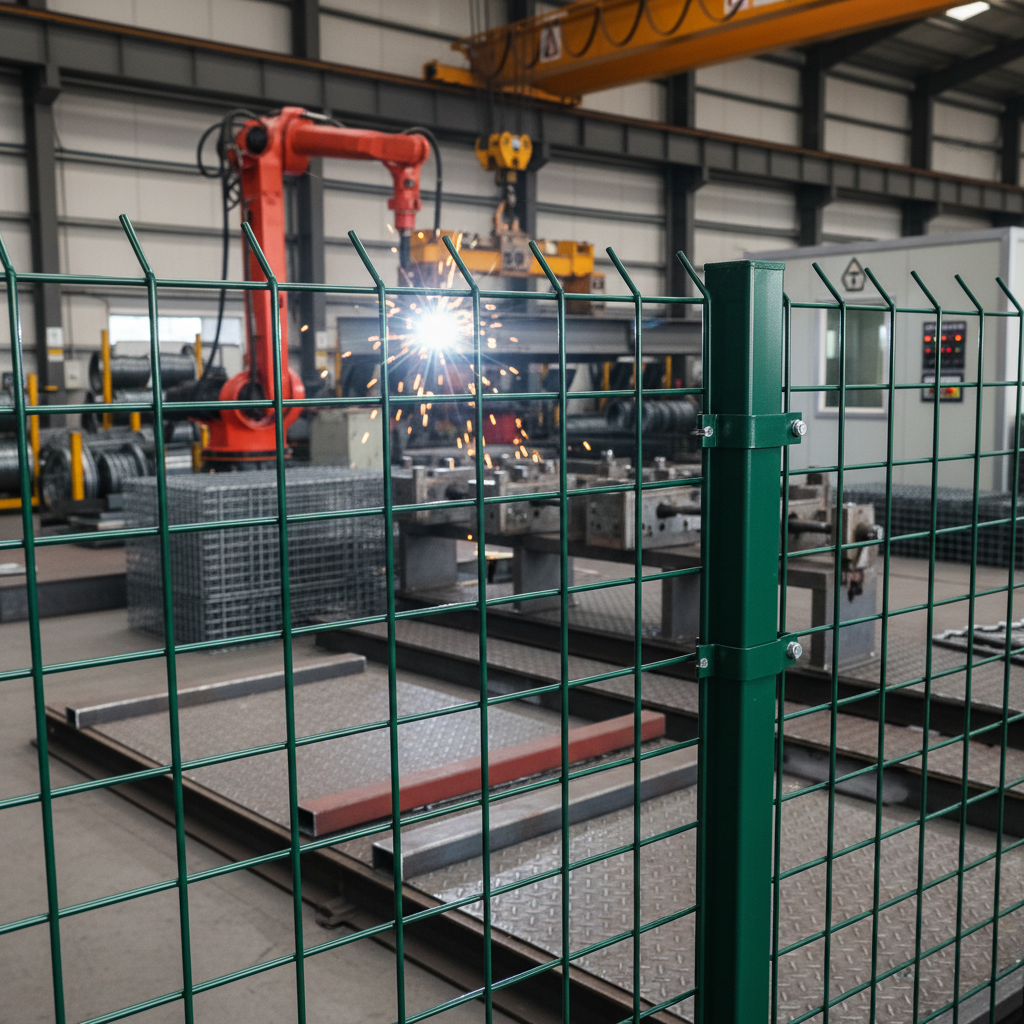
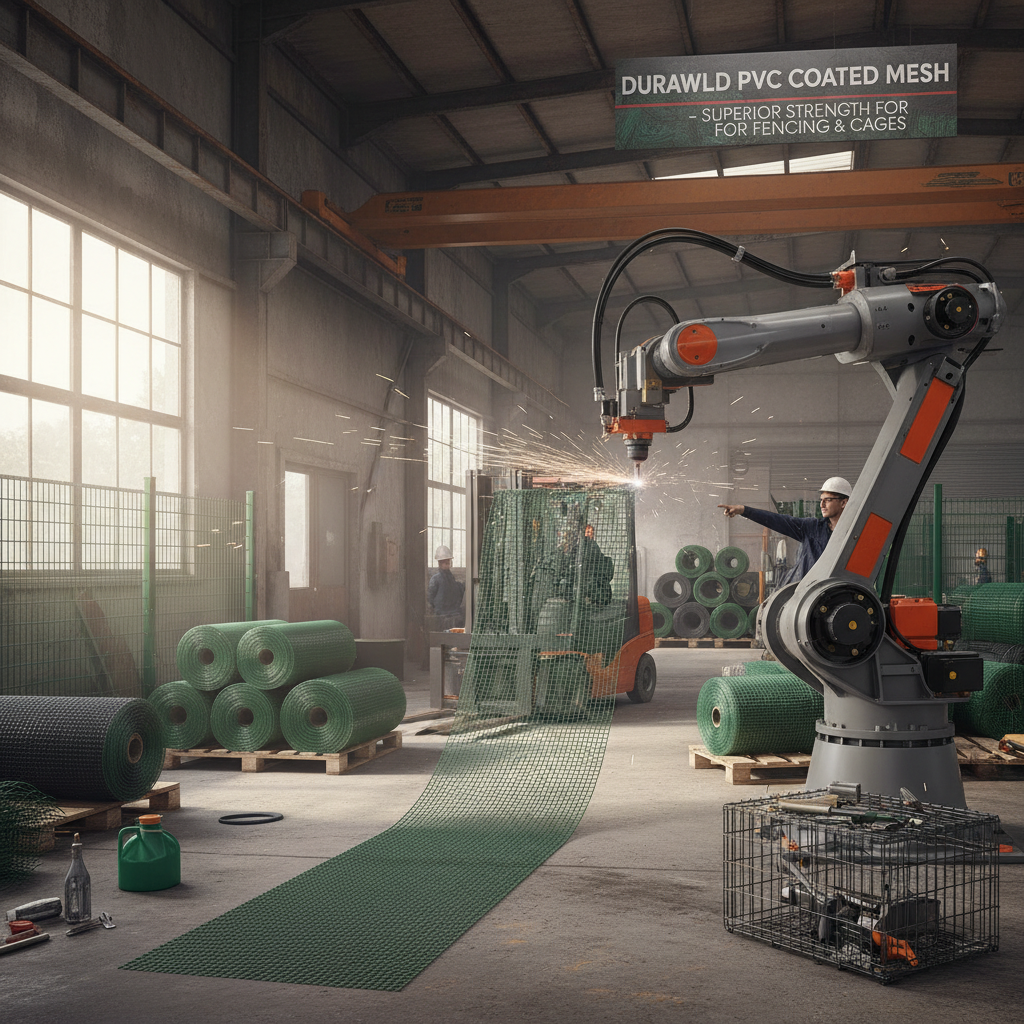
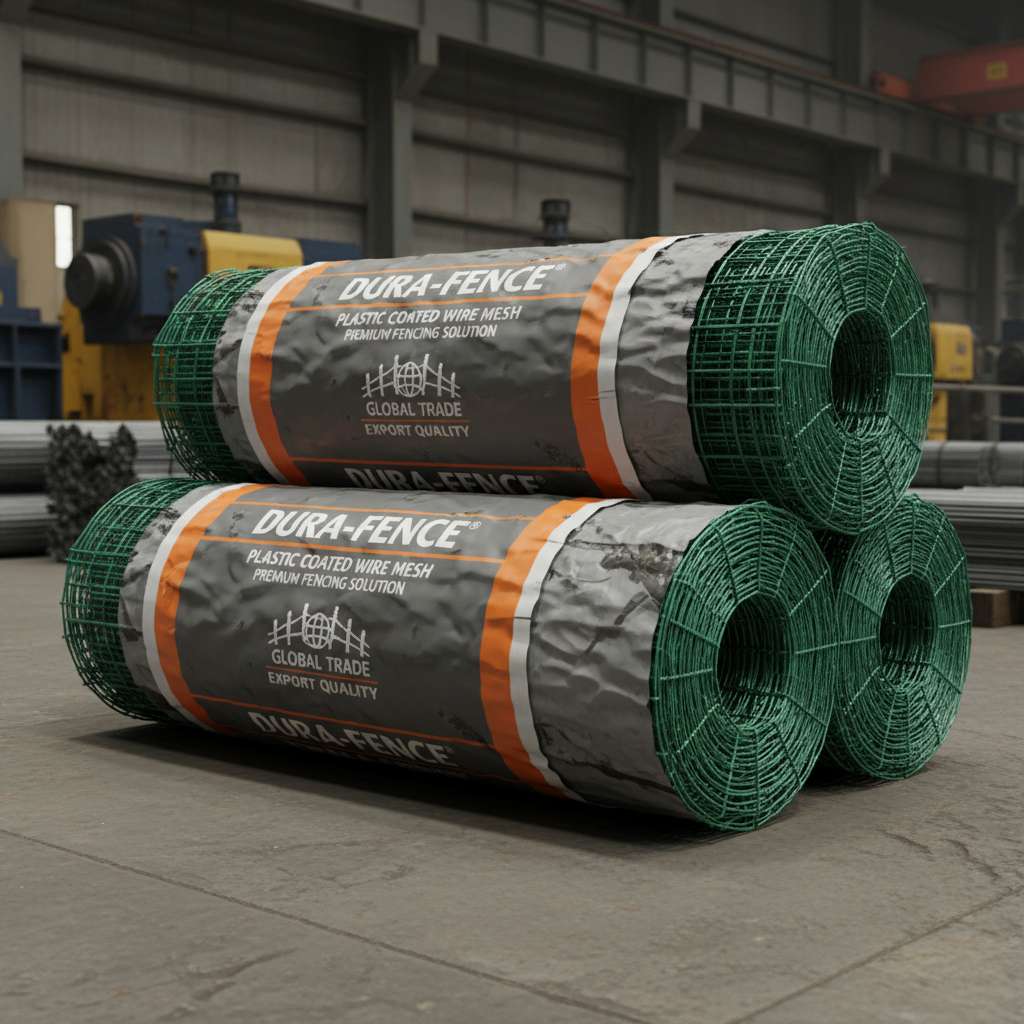
In the demanding world of industrial fencing and security, green coated wire mesh has emerged as a critical solution for blending high-strength security with environmental aesthetics. This specialized material combines the structural integrity of galvanized steel with a protective polymer layer, ensuring that perimeter boundaries remain resilient against corrosion while blending seamlessly into natural landscapes.
Globally, the shift toward "invisible security" has increased the demand for coated mesh systems. Whether it is protecting a government facility, a residential community, or a botanical garden, the use of green coatings reduces the visual impact of industrial barriers, mitigating the "prison-like" feel of traditional silver galvanized fencing without compromising on the safety standards required by modern infrastructure.
Understanding the technical nuances of green coated wire mesh—from the PVC coating thickness to the tensile strength of the core wire—is essential for engineers and procurement officers. By optimizing the balance between durability and appearance, businesses can reduce long-term maintenance costs and enhance the overall value of their property assets.
Global Relevance of Green Coated Wire Mesh
The global infrastructure market has seen a significant rise in the adoption of green coated wire mesh, driven by stricter urban planning laws and environmental ISO standards. In regions like Europe and North America, municipal codes often require that industrial fencing in green-belt zones be colored to match the surrounding vegetation, making PVC-coated options the primary choice for compliance.
Beyond aesthetics, the global challenge of atmospheric corrosion—especially in coastal areas with high salinity—has made the dual-protection system (galvanization plus polymer coating) a necessity. According to industrial corrosion data, coated systems can extend the lifecycle of a fence by up to 15 years compared to standard untreated steel, drastically reducing the carbon footprint associated with frequent replacement.
Defining the Technical Standards of Coated Mesh
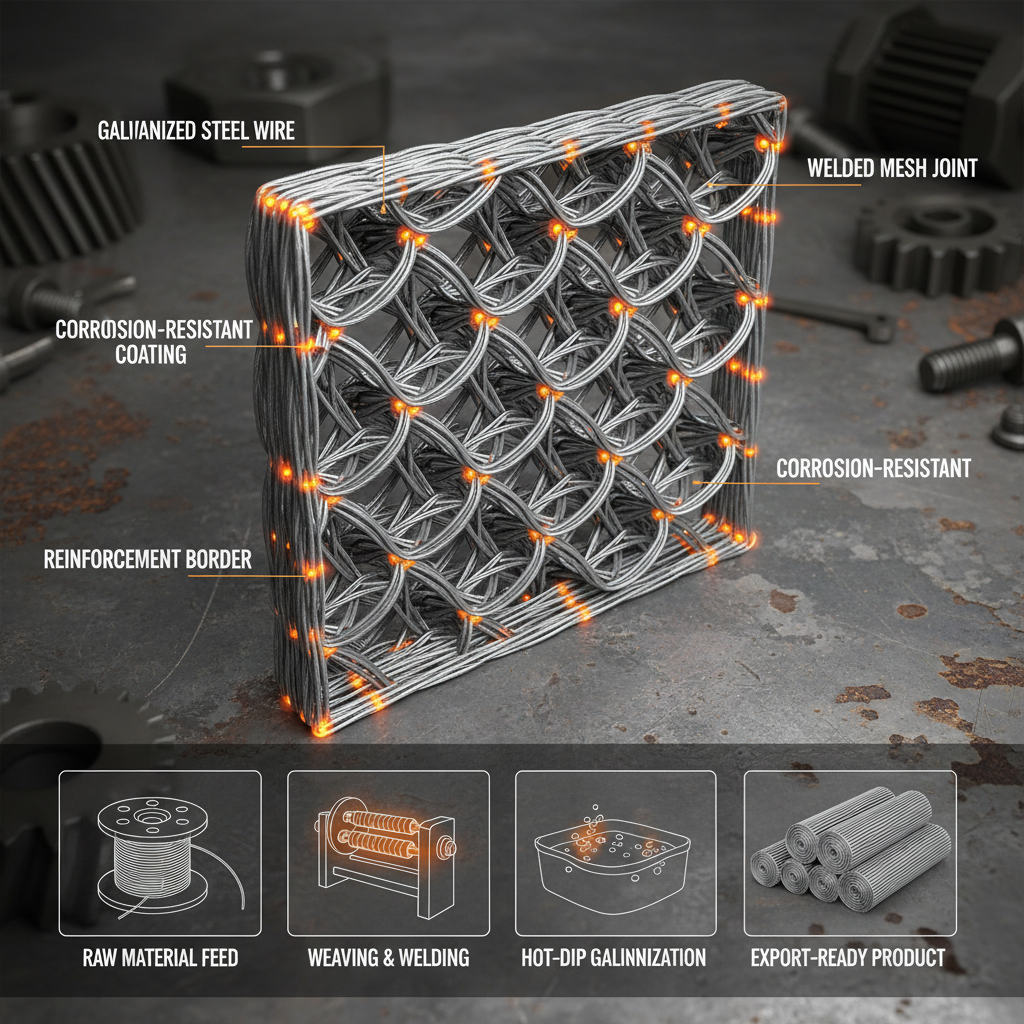
At its core, green coated wire mesh is a composite product. It starts with a high-tensile steel wire that is typically hot-dip galvanized to provide an initial layer of zinc protection. This core is then encapsulated in a layer of Polyvinyl Chloride (PVC) or Polyethylene (PE) formulated with UV-resistant green pigments to prevent fading under intense sunlight.
This synergy of materials addresses the fundamental weakness of metal: oxidation. While galvanized wire is strong, it can still rust if the zinc layer is scratched. The green coating acts as a secondary, impermeable barrier that seals the metal from oxygen and moisture, making it an ideal choice for humanitarian projects in tropical climates or high-humidity industrial zones.
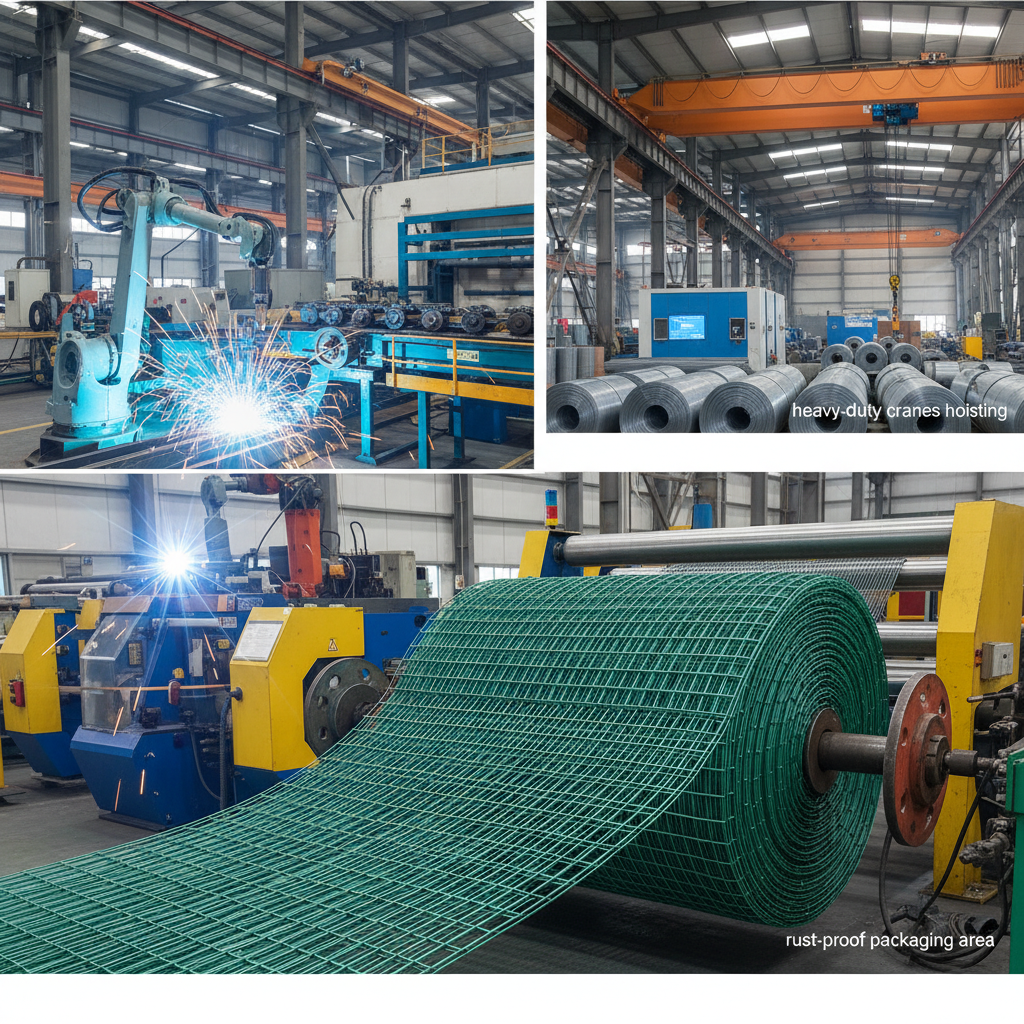
In modern industry, this material is not just seen as a "fence," but as a security asset. The precision of the mesh aperture and the consistency of the coating thickness are governed by strict quality controls to ensure that the mesh does not peel or crack under thermal expansion and contraction, maintaining both its structural and visual integrity.
Core Components of High-Performance Green Mesh
The primary factor in the success of green coated wire mesh is its corrosion resistance. By integrating a multi-stage coating process, the mesh can withstand harsh chemical exposure and extreme weather, ensuring that the security perimeter remains intact without the need for frequent repainting or chemical treatments.
Another critical component is the UV-stability of the green pigment. Low-grade coatings often turn yellowish or peel within two years of sun exposure. High-performance green coated wire mesh utilizes stabilized polymer resins that reflect harmful ultraviolet rays, preserving the deep forest-green hue for over a decade.
Finally, the mechanical strength and flexibility of the mesh allow it to be deployed across uneven terrains. Whether used as a chain link or a welded structure, the coating does not impede the mesh's ability to absorb impact or resist cutting, providing a robust deterrent against unauthorized entry while maintaining a soft visual profile.
Global Applications and Industrial Use Cases
The application of green coated wire mesh spans across diverse sectors. In the agricultural sector, it is widely used for cattle fencing and garden enclosures where the green color helps the fence "disappear" into the foliage, reducing stress on livestock and maintaining the natural beauty of the farmland.
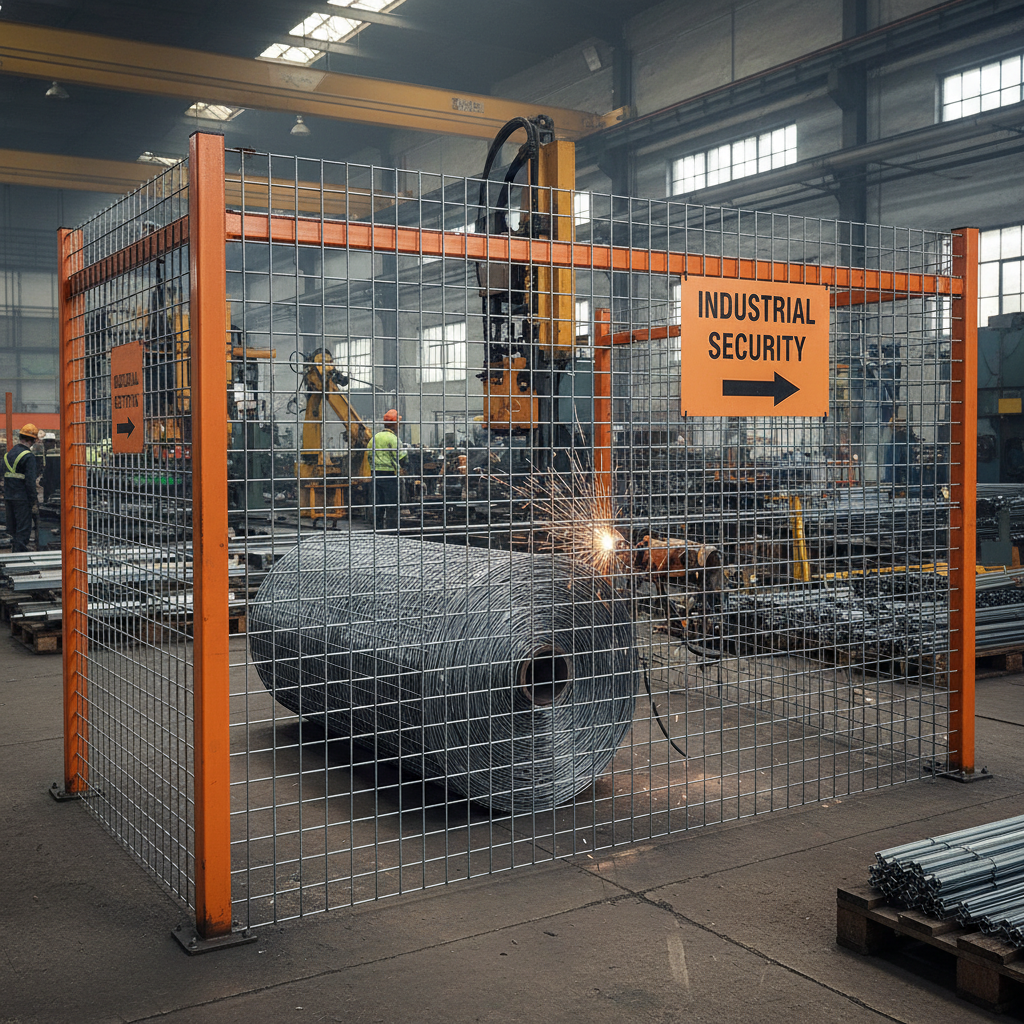
In high-security industrial zones, such as power plants or water treatment facilities located near nature reserves, this mesh provides a necessary security barrier that satisfies environmental impact assessments. For example, in remote industrial zones in Southeast Asia, the combination of high-zinc galvanization and green PVC coating prevents rapid deterioration caused by acidic rain and jungle humidity.
Performance Comparison of Green Coated Wire Mesh Variations
Long-Term Value and Sustainability Benefits
Investing in green coated wire mesh offers significant economic advantages over the long term. While the initial procurement cost may be slightly higher than basic galvanized wire, the reduction in maintenance—such as the elimination of periodic rust-treatment painting—results in a lower Total Cost of Ownership (TCO).
From a sustainability perspective, the longevity of coated mesh means fewer raw materials are consumed over a 30-year period. By preventing the leaching of rust into the surrounding soil, these systems are more eco-friendly, ensuring that the perimeter security does not contribute to ground pollution, which is a key requirement for LEED-certified construction projects.
Future Innovations in Polymer Coating Technology
The future of green coated wire mesh is moving toward "smart coatings." Researchers are currently developing antimicrobial and anti-graffiti polymers that can be integrated into the green coating process. This would allow industrial fences to remain clean and hygienic in urban environments without requiring harsh chemical cleaning agents.
Additionally, the integration of recycled polymers into the coating process is gaining traction. By utilizing ocean-bound plastics to create the PVC/PE outer layer, manufacturers are turning a security product into a vehicle for environmental cleanup, aligning the product with the global circular economy movement.
Automation in the coating process, such as precision electrostatic spraying, is also ensuring a more uniform thickness. This eliminates "thin spots" where corrosion typically begins, potentially pushing the lifespan of green coated wire mesh beyond the current 20-year benchmark.
Overcoming Common Implementation Challenges
One of the most common challenges with green coated wire mesh is the risk of coating damage during installation. If the polymer layer is sliced or scraped by tools, the core wire is exposed. The solution lies in the use of "touch-up" kits—specialized polymer pastes that can seal breaches immediately, preventing localized corrosion from spreading.
Another issue is the "thermal expansion" gap between the metal core and the plastic coating. In regions with extreme temperature swings, poor-quality coatings can bubble. To overcome this, expert manufacturers use a bonding agent (a chemical bridge) between the zinc layer and the PVC, ensuring a permanent bond that moves with the metal.
Lastly, selecting the correct shade of green to match specific local flora can be difficult. We recommend using standardized RAL color charts to ensure consistency across large-scale projects, ensuring that the green coated wire mesh provides the intended camouflage effect.
Comparative Analysis of Green Coated Wire Mesh Specifications
| Coating Material |
Corrosion Resistance |
UV Stability |
Typical Lifespan |
| Standard PVC |
High |
Moderate |
10-15 Years |
| UV-Stabilized PVC |
Very High |
High |
15-20 Years |
| Polyethylene (PE) |
High |
Very High |
12-18 Years |
| Powder Coated |
Moderate |
Moderate |
8-12 Years |
| Dual-Layer PVC |
Extreme |
High |
20-25 Years |
| Eco-Polymer |
High |
High |
15-20 Years |
FAQS
Unlike paint, which sits on the surface as a thin film, the coating on green coated wire mesh is a thick polymer layer that completely encapsulates the wire. This provides a physical barrier against moisture and impact, whereas paint is prone to chipping and flaking, which leads to rapid corrosion of the underlying steel.
High-quality green coated wire mesh is manufactured with UV-resistant additives. These stabilizers prevent the polymer bonds from breaking down under ultraviolet radiation. While some extremely slight fading may occur after a decade, professional-grade coatings are designed to maintain their hue for 15-20 years.
Yes, it is highly recommended. The combination of hot-dip galvanization and a PVC coating creates a "double-shield" effect. This is crucial in coastal areas where salt spray accelerates the oxidation of metal. The coating prevents the salt from reaching the steel core, significantly extending the fence's life.
Absolutely. Whether you choose a chain-link style or a welded mesh, the flexibility of the green coated wire mesh allows it to follow the contours of the land. The coating does not restrict the structural flexibility, making it ideal for perimeter security in natural landscapes.
Maintenance is minimal. We recommend a yearly visual inspection to check for any deep scratches or cuts in the coating. If a breach is found, applying a PVC-based touch-up paint or sealant is sufficient to stop rust from forming, meaning no full-scale repainting is ever required.
Modern manufacturing processes have significantly reduced the use of harmful phthalates in PVC coatings. Furthermore, the extended lifespan of the product reduces waste. For those with stricter requirements, PE (Polyethylene) coatings are available as a more eco-friendly, recyclable alternative.
Conclusion
In summary, green coated wire mesh represents the ideal intersection of security, durability, and aesthetics. By leveraging a dual-layer protection system of galvanization and UV-stabilized polymers, it solves the age-old conflict between the need for robust industrial boundaries and the desire to maintain environmental harmony. From reducing long-term maintenance costs to meeting stringent urban planning codes, this material provides a sustainable and reliable solution for a wide array of global applications.
As we look toward the future, the evolution of smart coatings and recycled polymers will only enhance the value proposition of coated fencing. For any organization prioritizing long-term infrastructure resilience and visual integration, upgrading to high-performance coated mesh is a strategic investment. We invite you to explore our full range of security solutions to find the perfect fit for your next project. Visit our website: www.fencingwiremesh.com