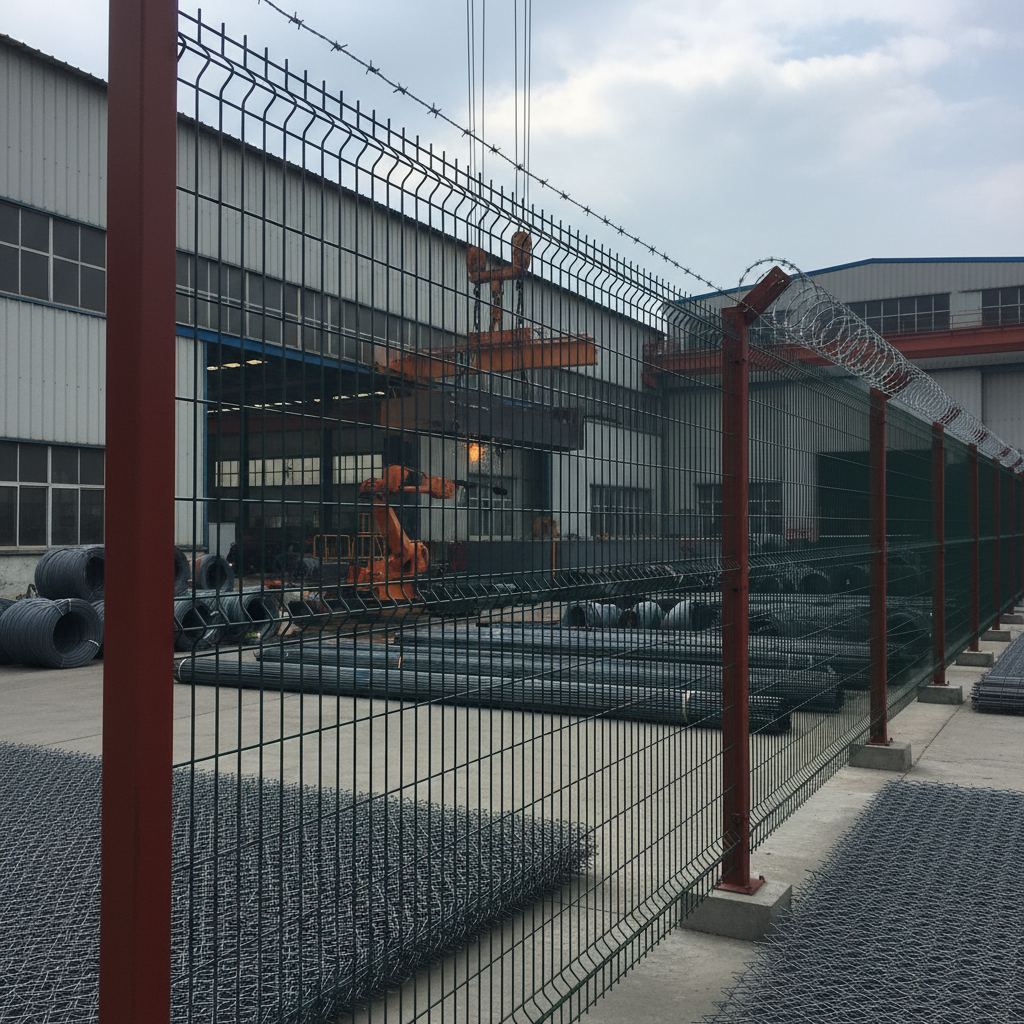
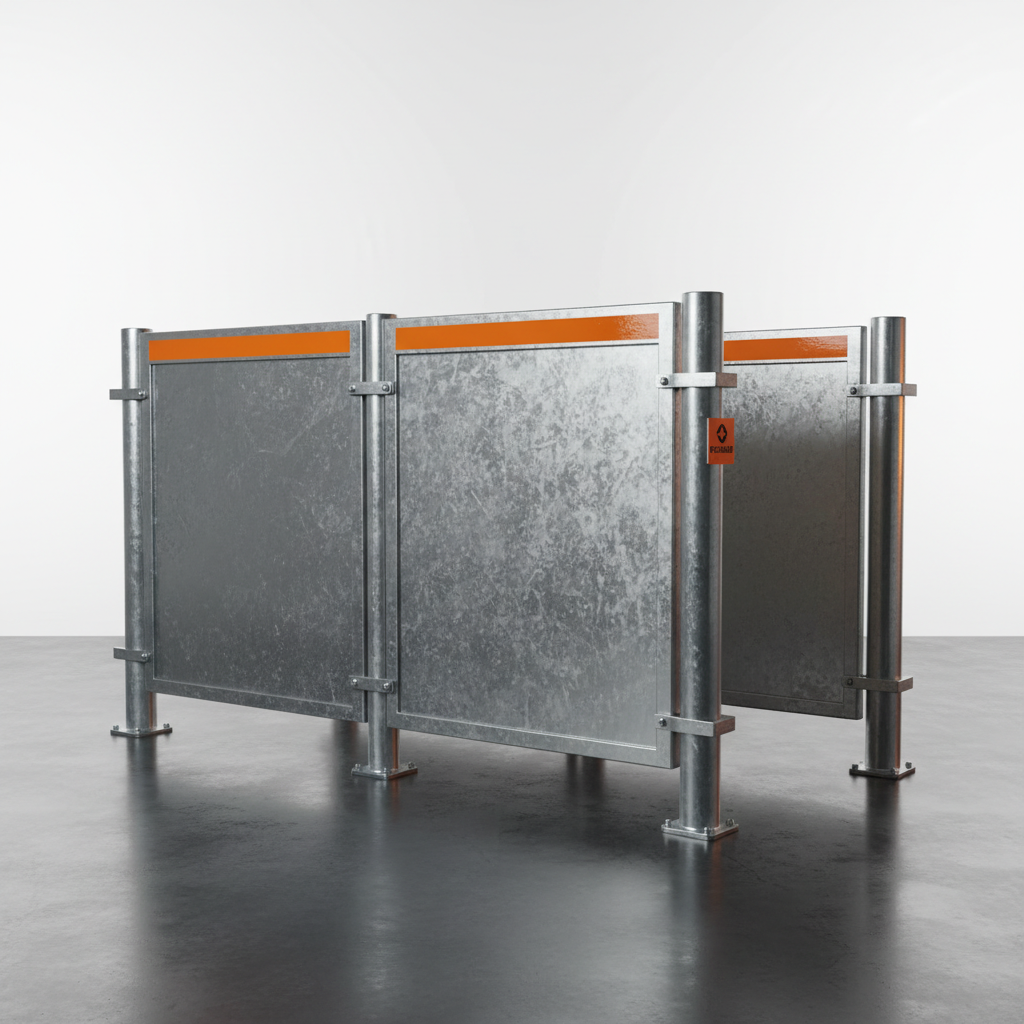
In the demanding landscape of modern industrial security and infrastructure, coated mesh fencing has emerged as a pivotal solution for balancing high-strength containment with long-term environmental resilience. Unlike traditional untreated steel, coated systems utilize advanced polymer layers to shield the core metal from oxidation, making them indispensable for critical infrastructure and perimeter protection globally.
The global demand for specialized fencing has surged as industries face harsher climatic conditions and more stringent security protocols. From coastal installations battling saline corrosion to high-security prisons requiring anti-climb properties, the integration of PVC and powder coatings has transformed how we approach boundary management, ensuring that safety is not compromised by the degradation of materials.
Understanding the nuances of coated mesh fencing—ranging from the chemical composition of the coating to the mechanical properties of the underlying wire—allows facility managers and engineers to optimize their investment. By prioritizing durability and aesthetic versatility, organizations can reduce lifecycle maintenance costs while maintaining a professional and secure environment.
Global Relevance and Industry Context of Coated Mesh Fencing
On a global scale, the infrastructure sector is shifting toward materials that adhere to ISO standards for corrosion resistance. coated mesh fencing addresses a critical failure point in traditional security: the inevitable rust and decay that occur in humid or industrial zones. According to industry trends, the adoption of polymer-coated steel has risen significantly in regions like Southeast Asia and Northern Europe, where extreme weather accelerates metal fatigue.
The primary challenge addressed by these systems is the "maintenance gap"—the period between installation and the first major failure of a fence due to environmental stress. By utilizing a dual-layer protection system (typically galvanization followed by a PVC or powder coating), these fences extend the operational lifespan of a perimeter by 200% to 300%, reducing the need for frequent replacements and minimizing industrial waste.
Technical Definition and Modern Industrial Meaning
At its core, coated mesh fencing refers to a high-tensile steel wire grid that has been encapsulated in a protective synthetic layer. This process isn't merely about color; it is a chemical engineering solution designed to create an impermeable barrier between the steel substrate and external corrosive agents such as salt spray, acid rain, and industrial pollutants.
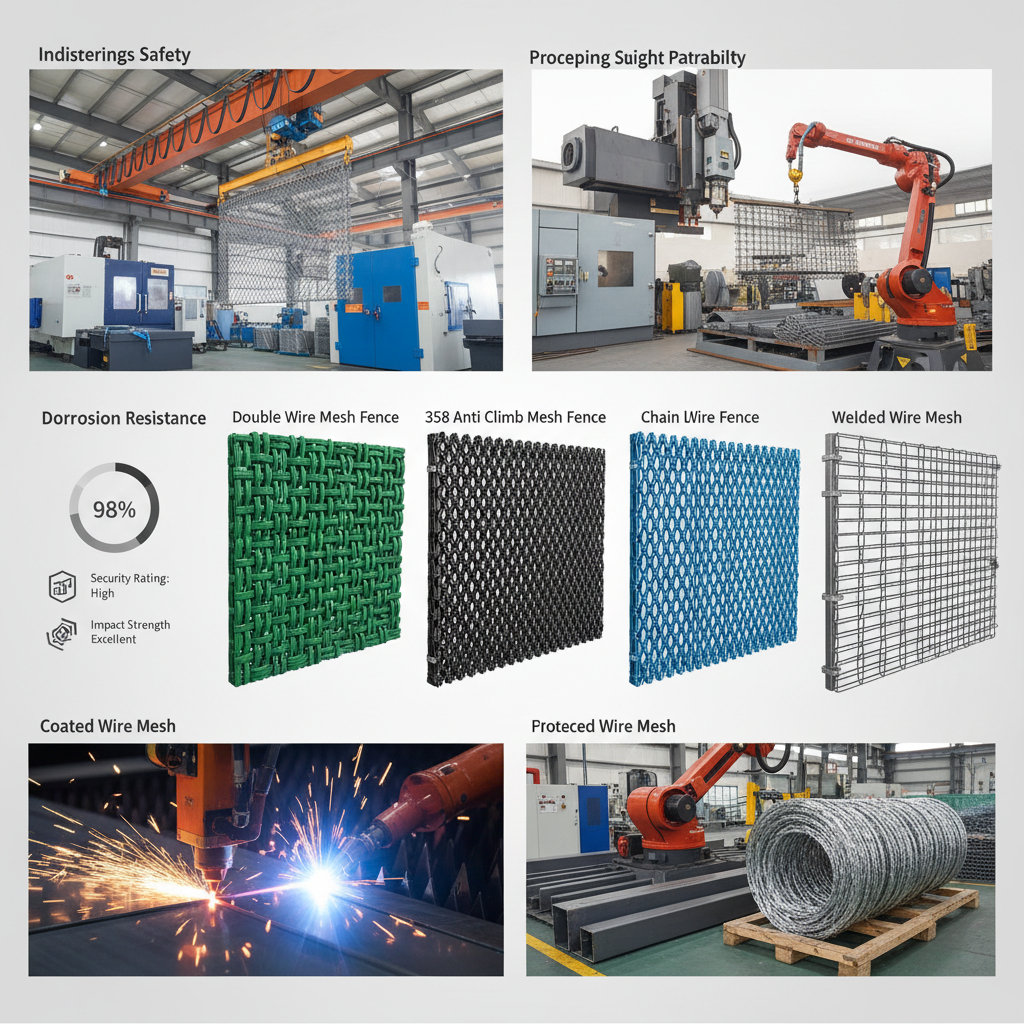
In the context of modern industry, this technology represents the intersection of security and sustainability. Whether it is a 358 Anti Climb Mesh or a standard Welded Wire Mesh, the "coating" transforms the product from a simple physical barrier into a specialized industrial tool. This is particularly vital for humanitarian needs in remote regions where replacement parts are scarce and the fence must remain structural for decades without intervention.
Furthermore, the meaning of "coated" has evolved to include specialized functional additives. Some modern coatings include UV inhibitors to prevent fading and brittleness under intense sunlight, while others integrate antimicrobial properties for use in food processing plants or healthcare facilities, proving that these systems are far more than just "green fences."
Core Components Influencing Performance
The effectiveness of coated mesh fencing begins with the quality of the core wire. High-carbon steel provides the necessary tensile strength to resist cutting and bending, while the initial hot-dip galvanization layer acts as the first line of defense against oxidation.
The polymer coating itself—usually PVC, PE, or powder coating—is the second critical component. The thickness and uniformity of this layer determine the fence's ability to withstand impact and abrasion. A consistent coating ensures there are no "pinholes" where moisture could seep through and trigger subcutaneous corrosion.
Finally, the bonding process between the metal and the coating is paramount. Through advanced thermal bonding or electrostatic spraying, the coating is fused to the wire, ensuring it does not peel or flake over time. This cohesion is what allows the fencing to maintain its structural integrity even in high-traffic industrial environments.
Comparative Efficiency and Durability Metrics
When evaluating coated mesh fencing against untreated options, the data consistently points toward superior longevity. The efficiency of a coated system is measured not just by its initial cost, but by its "cost-per-year" of service life. In saline environments, uncoated steel can fail within 2-5 years, whereas high-grade coated mesh can last over 20 years.
Beyond corrosion, the impact resistance of the coating provides a cushioning effect that reduces the likelihood of the wire snapping under sudden stress. This makes the system highly scalable for different security levels, from light residential boundaries to maximum-security industrial perimeters.
Performance Comparison of Coated Mesh Fencing Variations
Global Applications and Real-World Use Cases
The application of coated mesh fencing spans a diverse array of industries. In the energy sector, solar farms and power substations utilize these fences to prevent animal intrusion and unauthorized access while resisting the degradation caused by constant outdoor exposure. In urban settings, the aesthetic flexibility of color-coated mesh allows security fences to blend into the cityscape, reducing the "prison-like" feel of high-security zones.
Furthermore, in remote industrial zones—such as mining sites in the Australian Outback or oil rigs in the North Sea—the reliability of coated systems is non-negotiable. In these areas, a fence failure can lead to significant safety breaches or environmental hazards. By employing heavy-duty coated wire, operators ensure a secure perimeter that requires minimal human intervention for maintenance, effectively lowering the operational risk.
Long-Term Value and Sustainability Benefits
Investing in coated mesh fencing is a decision rooted in logical economics and emotional security. The tangible benefit is the drastic reduction in maintenance costs; since the material does not require periodic repainting or rust treatment, the total cost of ownership is significantly lower than that of traditional steel fencing.
From a sustainability perspective, the longevity of coated mesh reduces the frequency of steel production and transportation cycles associated with replacements. This aligns with global "Green Building" initiatives and ISO 14001 environmental management standards. By extending the life of the product, companies reduce their carbon footprint and minimize the amount of scrap metal entering landfills.
Ultimately, the value extends to the psychological feeling of safety and trust. A well-maintained, brightly coated fence signals a professional, disciplined approach to security. It demonstrates that the facility owner cares about the longevity of their assets and the safety of the personnel and assets within the perimeter, creating a sense of stability and reliability.
Future Innovations and Implementation Challenges
The future of coated mesh fencing lies in the integration of "smart" materials. We are seeing the emergence of conductive coatings that can act as sensor arrays, detecting vibrations or cuts in the fence line and alerting security personnel in real-time. This convergence of physical barriers and digital monitoring is transforming passive fencing into an active security system.
Additionally, the move toward eco-friendly coatings is accelerating. Research into bio-based polymers is aimed at replacing traditional petroleum-based PVCs with biodegradable or recyclable alternatives that offer the same level of corrosion resistance. This will allow the security industry to meet the increasingly strict environmental regulations imposed by the EU and other global governing bodies.
Despite these advances, challenges remain, particularly regarding the quality control of the coating process during mass production. Inconsistent coating thickness can lead to premature failure. The solution lies in the adoption of automated laser inspection and AI-driven quality monitoring on the production line to ensure every millimeter of the wire is perfectly encapsulated.
Comparative Analysis of Coated Mesh Fencing Technologies
| Coating Type |
Corrosion Resistance |
UV Stability |
Typical Lifespan |
| Standard PVC |
Very High |
Moderate |
15-20 Years |
| Powder Coating |
High |
High |
12-15 Years |
| Polyethylene (PE) |
High |
Very High |
18-25 Years |
| Hot-Dip Galv. Only |
Moderate |
N/A |
5-10 Years |
| Dual-Layer PVC/Galv |
Extreme |
High |
25+ Years |
| Electrostatic Epoxy |
High |
Moderate |
10-15 Years |
FAQS
While the initial purchase price of coated mesh fencing is typically higher than standard galvanized steel, the total cost of ownership is lower. Coated systems eliminate the need for frequent rust-treatment and repainting. Over a 10-year period, the savings in labor and maintenance materials often outweigh the initial premium, making it the more economical choice for long-term installations.
Yes, small scratches or abrasions in the coating can be repaired using specialized touch-up paints or PVC repair kits. However, for the best results, it is recommended to use products with a high-quality dual-layer (galvanized + coated) system. If the coating is scratched, the underlying galvanization still provides a secondary layer of protection, preventing deep corrosion from spreading.
For coastal environments, a dual-layer system featuring hot-dip galvanization and a thick PVC or PE coating is highly recommended. PE (Polyethylene) is particularly effective as it offers superior moisture resistance and flexibility. This combination creates a hermetic seal that prevents salt ions from reaching the steel core, drastically reducing the risk of pitting and structural failure.
High-quality coated mesh fencing is manufactured with UV inhibitors integrated into the polymer layer. These additives block ultraviolet rays from breaking down the chemical bonds of the pigment. While all materials experience some degradation over decades, UV-stabilized coatings maintain their color and structural flexibility for significantly longer than generic alternatives.
Absolutely. The coating is applied to the wire regardless of the mesh pattern. For high-security needs, coated versions of the 358 Anti Climb Mesh are used. The coating does not compromise the "anti-climb" apertures (which are too small for finger or toe holds) but adds a layer of protection that ensures the security features remain intact without rusting over time.
You can verify quality by checking for ISO certifications and requesting a coating thickness report (measured in microns). A uniform appearance without bubbles or "orange peel" texture is a good visual indicator. Additionally, a "cross-cut" adhesion test can be performed to ensure the coating is properly bonded to the steel and won't peel under stress.
Conclusion
In summary, coated mesh fencing represents a sophisticated leap forward in perimeter security and industrial infrastructure. By combining the raw strength of high-tensile steel with the protective properties of advanced polymers, these systems solve the perennial problem of corrosion while offering unmatched versatility in application and aesthetics. From reducing long-term maintenance costs to aligning with global sustainability goals, the adoption of coated mesh is a strategic investment in reliability and safety.
Looking ahead, the integration of smart sensors and eco-friendly bio-coatings will further enhance the role of these barriers in a digital and green economy. For facility managers and engineers, the recommendation is clear: prioritize high-grade, dual-layered coated systems to ensure that your security infrastructure remains an asset rather than a maintenance liability. To explore the best solutions for your specific project needs, visit our website: www.fencingwiremesh.com.