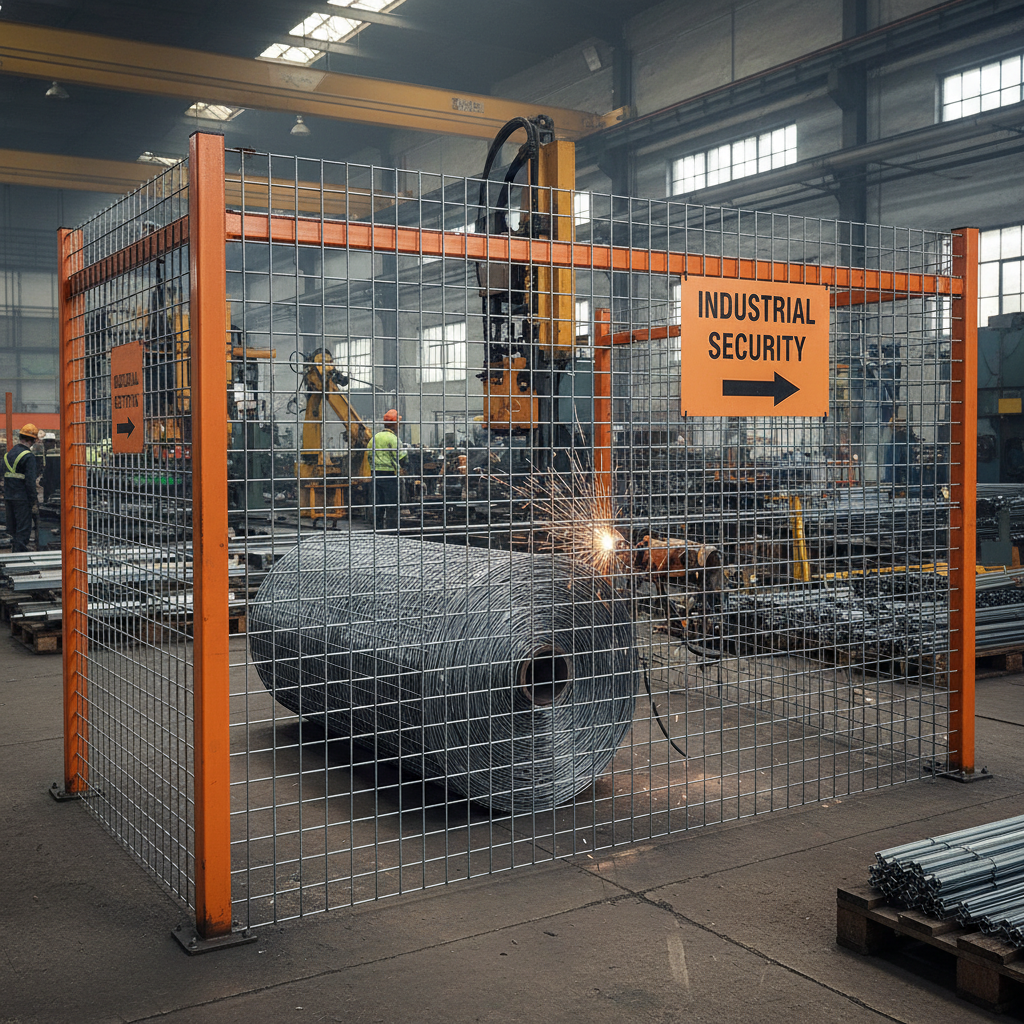
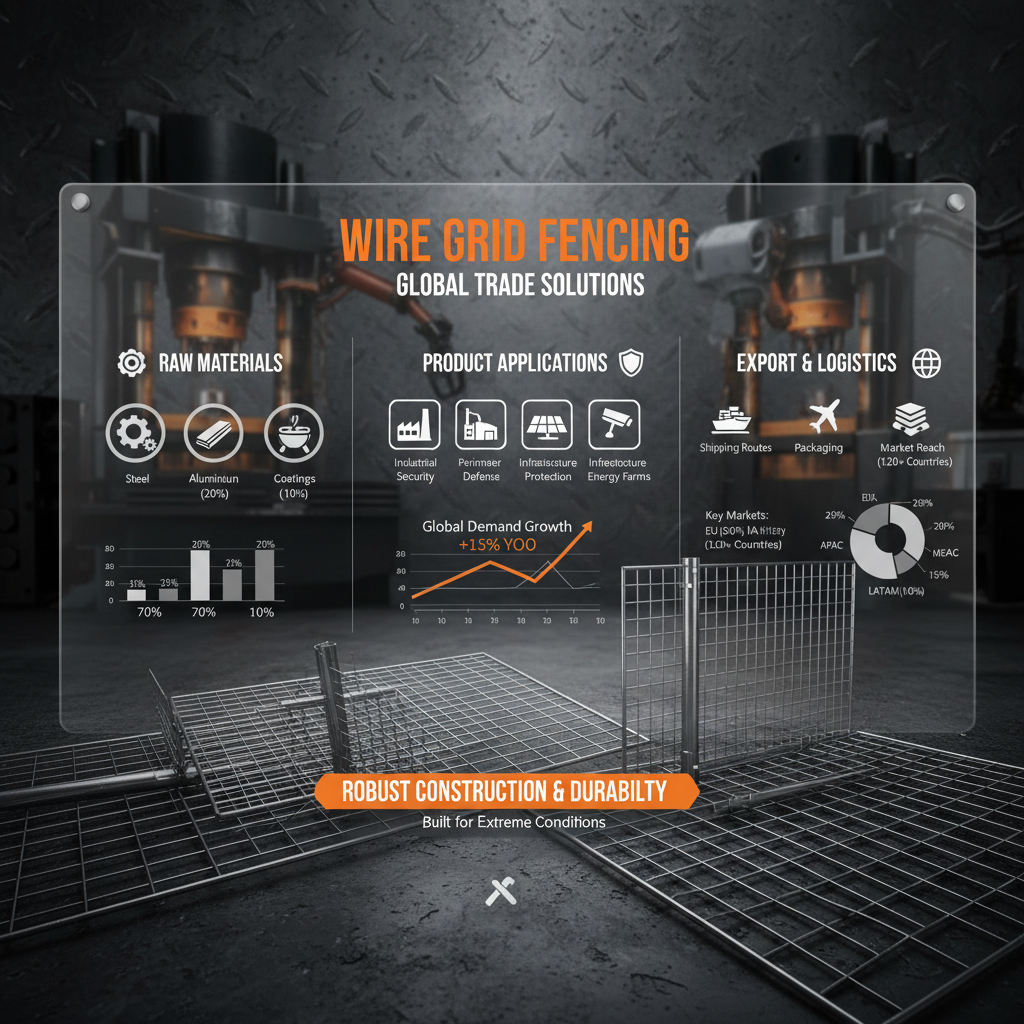
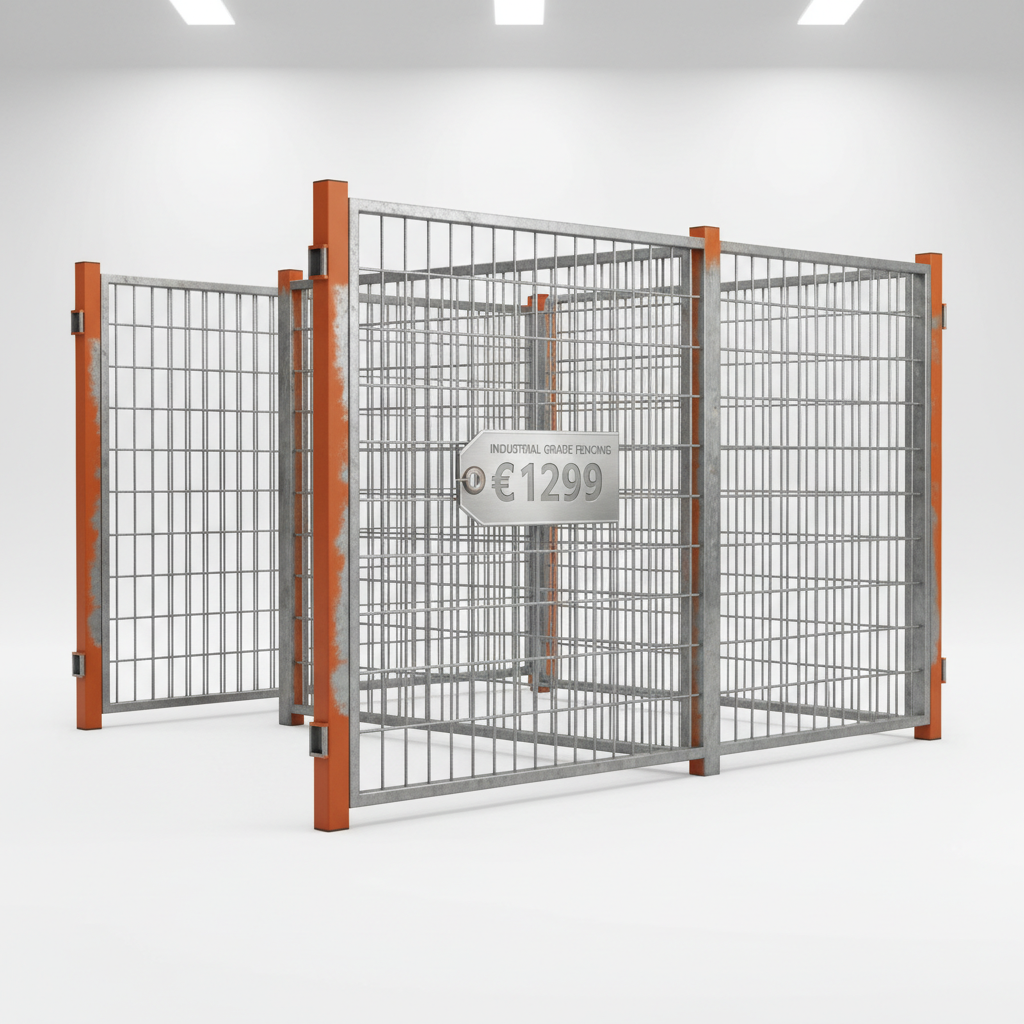
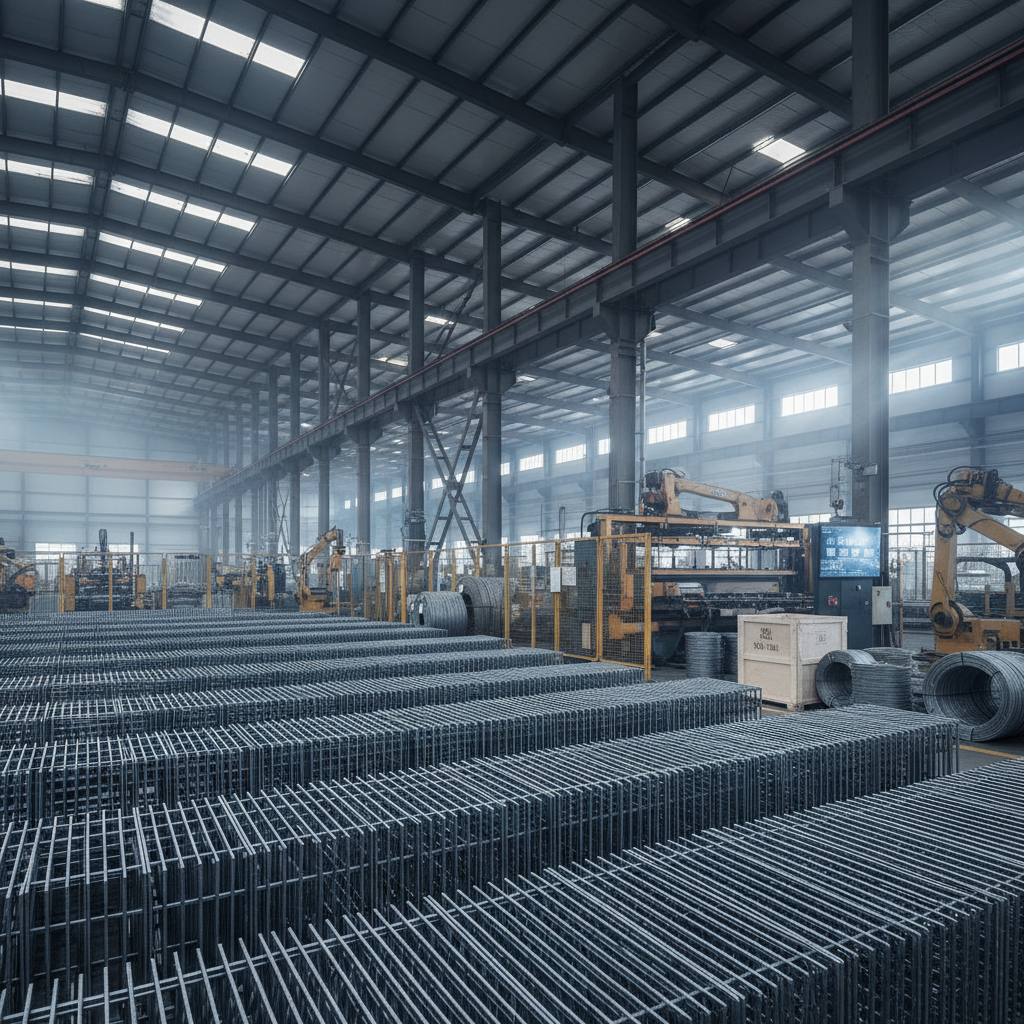
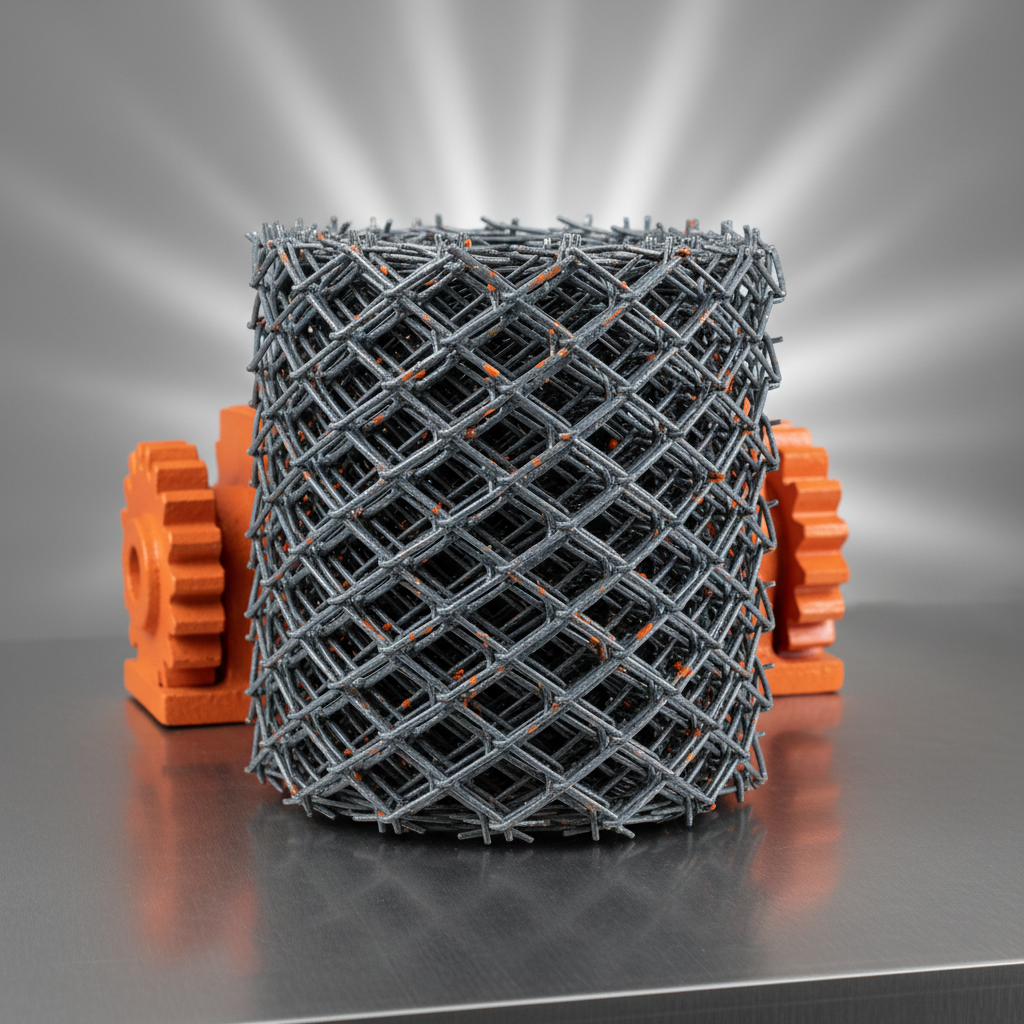
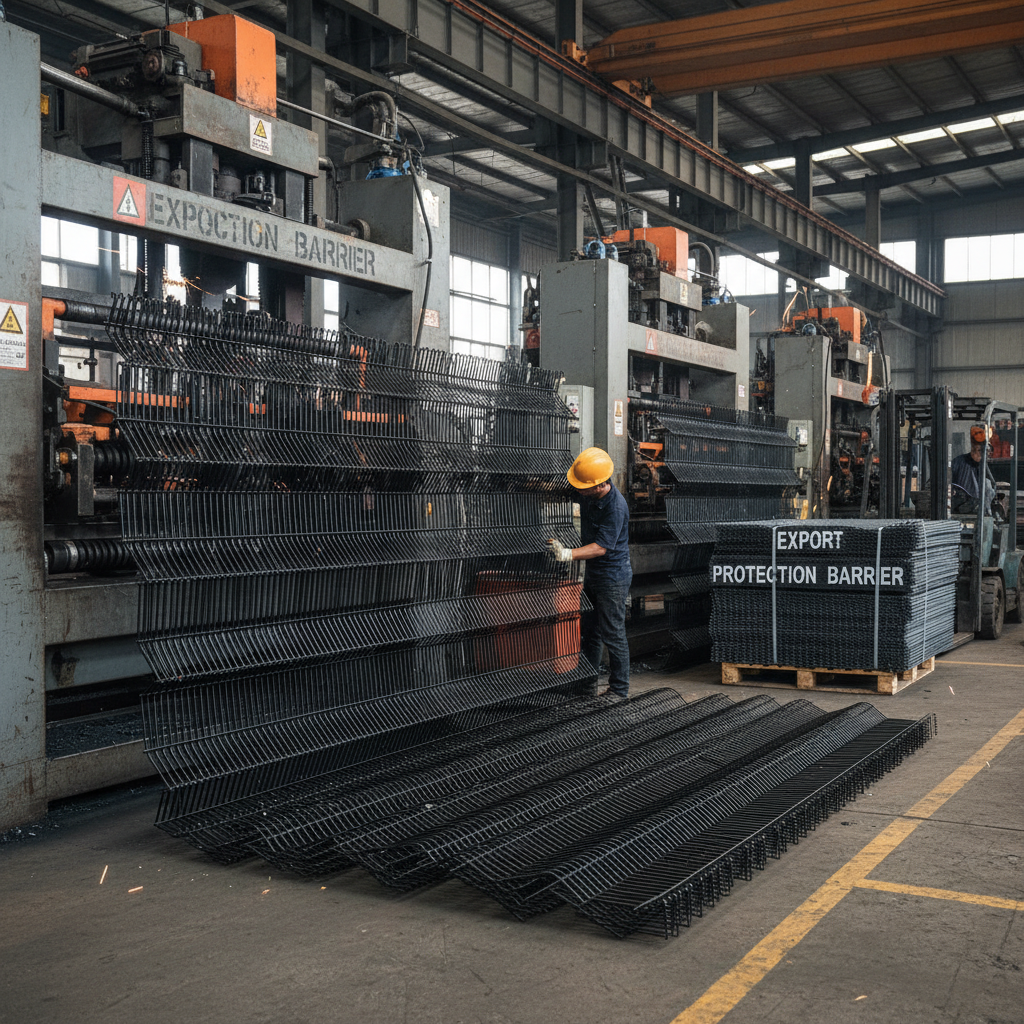
In the modern landscape of industrial security and infrastructure, wire grid fencing has emerged as a cornerstone for perimeter protection. By blending structural rigidity with visibility, these systems provide a versatile barrier that meets the rigorous demands of both commercial and residential applications, ensuring that assets are secured without creating opaque walls that hinder surveillance.
The global demand for high-quality wire grid systems is driven by the need for durable, weather-resistant, and cost-effective fencing solutions. From securing critical utility substations to defining boundaries in expansive agricultural estates, the strategic implementation of these grids addresses the fundamental challenge of balancing high-level security with ease of installation and long-term maintenance.
Understanding the technical nuances of wire grid fencing—including gauge thickness, coating types, and weld strength—is essential for stakeholders looking to optimize their security budgets. By selecting the right configuration, organizations can significantly reduce the risk of unauthorized entry while enhancing the overall aesthetic and functional value of their property.
Global Industry Context of Wire Grid Fencing
On a global scale, the security fencing market is undergoing a significant shift toward standardized, high-strength materials. According to ISO standards for metallic coatings and weld strengths, wire grid fencing has become the preferred choice for critical infrastructure. The rise in urbanization and the expansion of industrial zones in Southeast Asia and North America have increased the pressure on facility managers to deploy barriers that are not only deterrents but are also resistant to extreme environmental corrosion.
The primary challenge facing the industry is the escalation of sophisticated intrusion attempts. Traditional chain-link options are often too easy to scale or cut, leading to a surge in the adoption of specialized wire grids, such as 358 anti-climb mesh. These advanced systems address the vulnerability gap by eliminating footholds and reducing the aperture size, effectively neutralizing common breaching tools and techniques used in unauthorized entries.
Defining Modern Wire Grid Fencing Systems
At its most basic level, wire grid fencing is a structured network of intersecting metal wires, typically welded at each junction to create a rigid, stable panel. Unlike woven mesh, which can be deformed or pushed aside, the welded grid maintains its geometric integrity under pressure, providing a consistent physical barrier that is difficult to distort without heavy machinery.
In the context of modern industry, these systems are more than just boundaries; they are engineered safety components. Whether it is used as a protective cage for machinery or a high-security perimeter for a data center, the "grid" refers to the precise spacing of the vertical and horizontal wires. This precision allows engineers to calculate exactly how much force is required to breach the fence, enabling a risk-based approach to security planning.
From a humanitarian and civil engineering perspective, these grids are often employed in the creation of gabions for erosion control or in temporary containment areas during disaster relief. The ability to produce wire grids in various gauges and coatings—ranging from galvanized steel to PVC-coated finishes—ensures that they can be adapted to any climate, from the salty air of coastal regions to the humid environments of tropical rainforests.
Core Components and Technical Factors
The durability of wire grid fencing is primarily determined by the raw material quality and the coating process. Hot-dip galvanization is the industry gold standard, providing a thick layer of zinc that protects the inner steel from oxidation. For environments with high acidity or salt spray, a secondary PVC coating is often added, offering an additional chemical barrier that extends the service life of the fence by decades.
A critical technical factor is the weld strength. In high-security wire grid fencing, the intersection points are subjected to rigorous shear tests to ensure they do not snap under impact. The use of automated CNC welding ensures that every joint is consistent, preventing "weak spots" that intruders could exploit. This structural uniformity is what separates industrial-grade grids from low-cost decorative mesh.
Scalability and installation efficiency are also paramount. Modern grids are often manufactured as pre-assembled panels that clip into heavy-duty posts. This modular approach allows for rapid deployment across vast distances and simplifies the replacement process; if a single section of the wire grid fencing is damaged, it can be swapped out without compromising the integrity of the entire perimeter.
Comparative Performance of Grid Configurations
When selecting the optimal wire grid fencing, it is necessary to compare different configurations based on their specific security ratings. For instance, a wide-aperture grid may be sufficient for livestock or boundary marking, whereas a tight-mesh "anti-climb" configuration is required for high-risk assets. The trade-off usually involves a balance between airflow/visibility and the level of physical resistance.
Performance metrics typically focus on "time-to-breach," measuring how long it takes a motivated intruder to create a gap using standard manual tools. By analyzing the gauge of the wire and the density of the grid, facilities can determine if their fencing meets the required security tier for their specific insurance or regulatory mandates.
Security and Durability Ratings of Wire Grid Fencing Types
Global Applications and Use Cases
In remote industrial zones, such as mining sites in Australia or oil fields in the Middle East, wire grid fencing is indispensable. These environments require barriers that can withstand extreme thermal expansion and contraction without warping. The use of heavy-duty galvanized grids ensures that these sites remain secure from wildlife and unauthorized personnel with minimal human intervention for maintenance.
Within urban centers, the application shifts toward aesthetics and public safety. For example, noise barriers and anti-glare fences used along highways often incorporate wire grid elements to allow wind passage while blocking harmful light reflections. Similarly, sports complexes utilize specialized grids for ball containment, where the tension and elasticity of the wire are engineered to absorb high-impact forces without permanently deforming the mesh.
Long-Term Value and Sustainability
The long-term value of investing in premium wire grid fencing lies in the reduction of the "Total Cost of Ownership" (TCO). While lower-grade fences may have a cheaper initial price point, they often succumb to rust and structural failure within a few years. In contrast, high-quality welded grids can last 20 to 50 years, significantly reducing the frequency of costly replacements and labor.
From a sustainability perspective, steel is one of the most recycled materials on the planet. Wire grid systems are almost entirely recyclable at the end of their lifecycle, fitting into the circular economy model. Furthermore, the longevity of these systems means fewer resources are consumed over time compared to wooden or plastic alternatives that degrade quickly under UV exposure.
Beyond the financial and ecological logic, there is an emotional component: peace of mind. For a business owner or a government agency, knowing that their perimeter is secured by a reliable, industry-standard grid creates a foundation of trust. This reliability allows organizations to focus on their core operations, confident that their physical security infrastructure is robust and dependable.
Future Trends and Innovation in Grid Tech
The future of wire grid fencing is being shaped by the integration of "Smart Fencing" technologies. We are seeing the emergence of grids embedded with fiber-optic sensors that can detect minute vibrations or cutting attempts in real-time, triggering an immediate alert to security teams. This transforms a passive physical barrier into an active surveillance tool.
Material science is also evolving, with the introduction of high-tensile alloy steels and nano-coatings. These innovations allow for thinner wires that possess the same strength as thicker, traditional steel, reducing the overall weight of the fence without sacrificing security. This makes transport cheaper and installation faster, particularly for large-scale government projects.
Automation in manufacturing is further refining the precision of the grid. Robotic welding and AI-driven quality control ensure that every single joint in the wire grid fencing is identical. As we move toward more sustainable cities, these fences are also being integrated with green walls, where wire grids serve as the trellis for climbing plants, blending high-security requirements with urban reforestation goals.
Technical Specifications and Material Analysis of Wire Grid Fencing
| Grid Type |
Primary Material |
Corrosion Resistance |
Security Level |
| 358 Anti-Climb |
High-Tensile Steel |
Excellent (Galv+PVC) |
Maximum |
| Welded Wire Mesh |
Mild Steel |
Good (Galvanized) |
Medium |
| Expanded Metal |
Carbon Steel |
Moderate (Powder Coated) |
High |
| PVC Coated Grid |
Galvanized Steel |
Superior (Polymer Layer) |
Medium-High |
| Industrial Grating |
Heavy Steel |
Excellent (Hot-Dip) |
High |
| Security Mesh |
Alloy Steel |
Very High |
Maximum |
FAQS
The primary difference is structural rigidity. Wire grid fencing is typically welded at every intersection, creating a stiff panel that cannot be easily bent, stretched, or climbed. Chain link is woven, meaning it is more flexible but also easier to cut or deform. For high-security needs, the welded grid is significantly more effective as a deterrent.
Depending on the environment, a hot-dip galvanized wire grid fence can last between 20 to 50 years. In coastal areas with high salt content, this lifespan may be shorter unless a PVC coating is applied. Regular inspections for coating chips or rust spots can help extend the life through localized touch-ups.
Yes, most industrial manufacturers can customize the grid dimensions to meet specific needs. Whether you need a very tight mesh to prevent small animals or children from passing through, or a wider grid for visibility and airflow, the vertical and horizontal spacing can be engineered to your exact specifications.
Not necessarily. If the fence is installed in a dry, inland environment, hot-dip galvanization is often sufficient. However, PVC coating is highly recommended for industrial sites near the ocean, agricultural areas where fertilizers (which are corrosive) are used, or in urban areas where a specific color is required for aesthetic blending.
The gauge refers to the thickness of the wire; the lower the gauge number, the thicker the wire. For basic boundary marking, a higher gauge (thinner wire) is fine. For high-security perimeters, a lower gauge (thicker wire) is required to resist cutting tools. We recommend consulting a security expert to balance the gauge with the intended security tier.
Modular wire grid panels are actually easier to adapt to uneven terrain than traditional rolls of mesh. By adjusting the post height or using "stepping" installation methods, panels can be securely anchored even on slopes. Because they are rigid, they maintain their shape better during the installation process on difficult ground.
Conclusion
In summary, wire grid fencing represents the ideal convergence of strength, visibility, and longevity. From the technical precision of welded joints to the protective power of advanced coatings, these systems provide a scalable solution for a wide array of global security challenges. By understanding the relationship between material gauge, grid density, and environmental factors, users can implement a perimeter strategy that maximizes protection while minimizing long-term maintenance costs.
Looking forward, the evolution of smart integration and sustainable materials will only further enhance the utility of these systems. As industries move toward a more automated and secure future, investing in high-quality grid infrastructure is no longer just a matter of boundary marking—it is a strategic decision to protect assets and people. We encourage you to evaluate your current security needs and upgrade to a system that offers true peace of mind. Visit our website: www.fencingwiremesh.com