Plastic coated wire mesh is a versatile material experiencing growing global demand due to its durability, corrosion resistance, and cost-effectiveness. This mesh, consisting of a metal wire core encased in a protective polymer coating, serves a multitude of purposes across diverse industries, ranging from agriculture and construction to security and environmental protection. Its adaptability and performance make it a crucial component in addressing modern challenges related to infrastructure, safety, and sustainability.
The increasing urbanization and infrastructure development worldwide are driving the need for robust and long-lasting materials. Plastic coated wire mesh provides a solution to combat corrosion, extending the lifespan of structures and reducing maintenance costs. Furthermore, its role in animal containment, security fencing, and industrial filtration underscores its importance in various sectors. Global supply chain disruptions have also highlighted the need for locally sourced, reliable materials like plastic coated wire mesh.
Understanding the properties and applications of plastic coated wire mesh is vital for professionals in construction, agriculture, security, and environmental management. The material offers a sustainable and cost-effective alternative to traditional materials, contributing to more resilient and efficient infrastructure and solutions for critical needs. As environmental concerns grow, the demand for durable and corrosion-resistant materials like this will only continue to increase, making knowledge of its intricacies paramount.
Introduction to plastic coated wire mesh
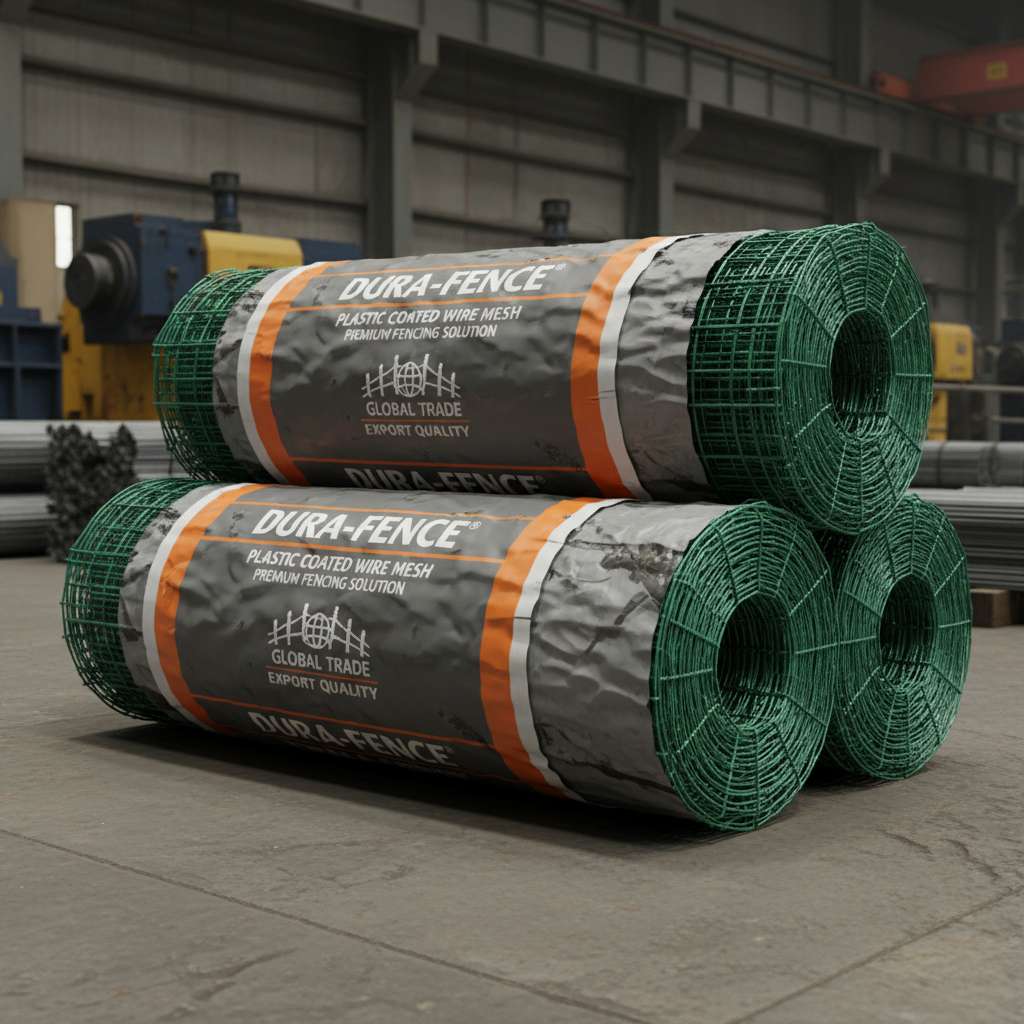
Plastic coated wire mesh, at its core, is a composite material combining the strength of metal wire with the protective qualities of a plastic coating. This seemingly simple combination yields a product with exceptional resilience and a broad spectrum of applications. Its ability to withstand harsh environmental conditions and resist corrosion makes it a preferred choice over traditional materials in numerous industries.
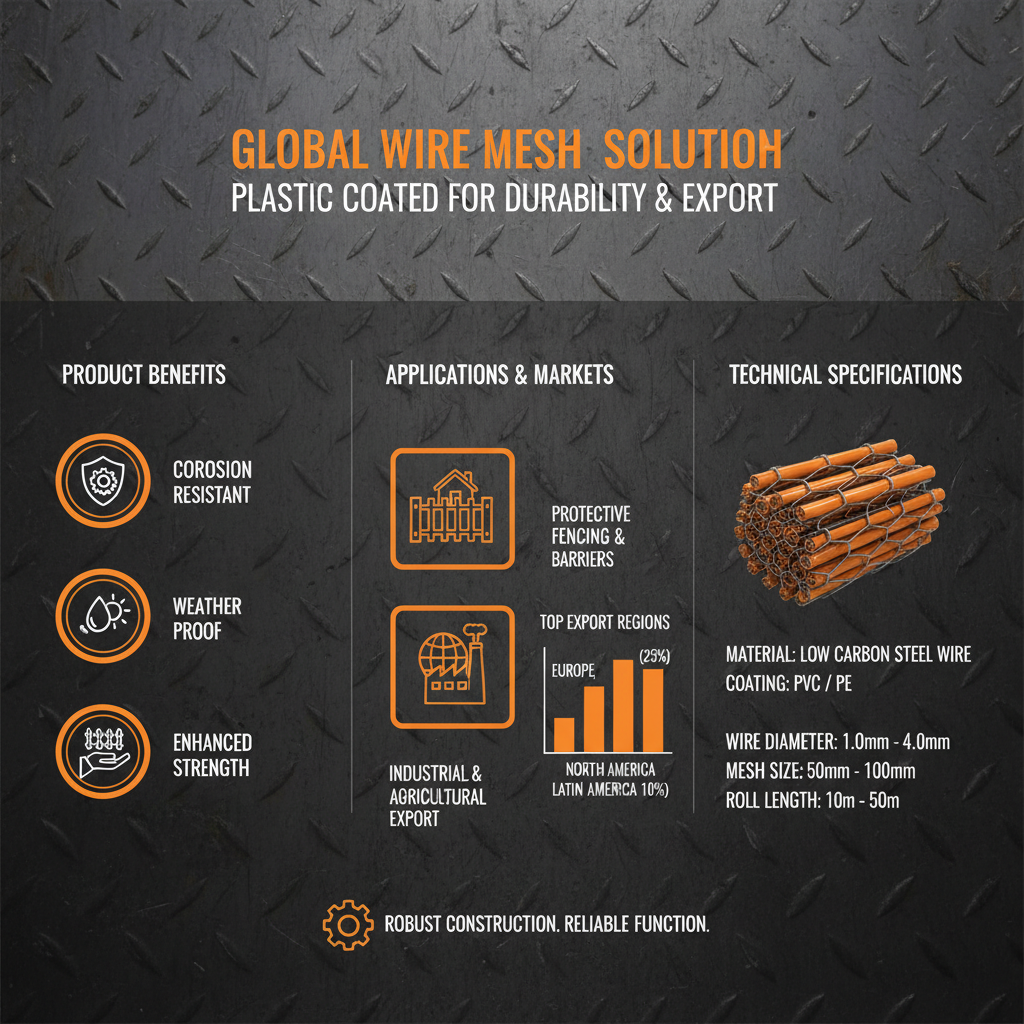
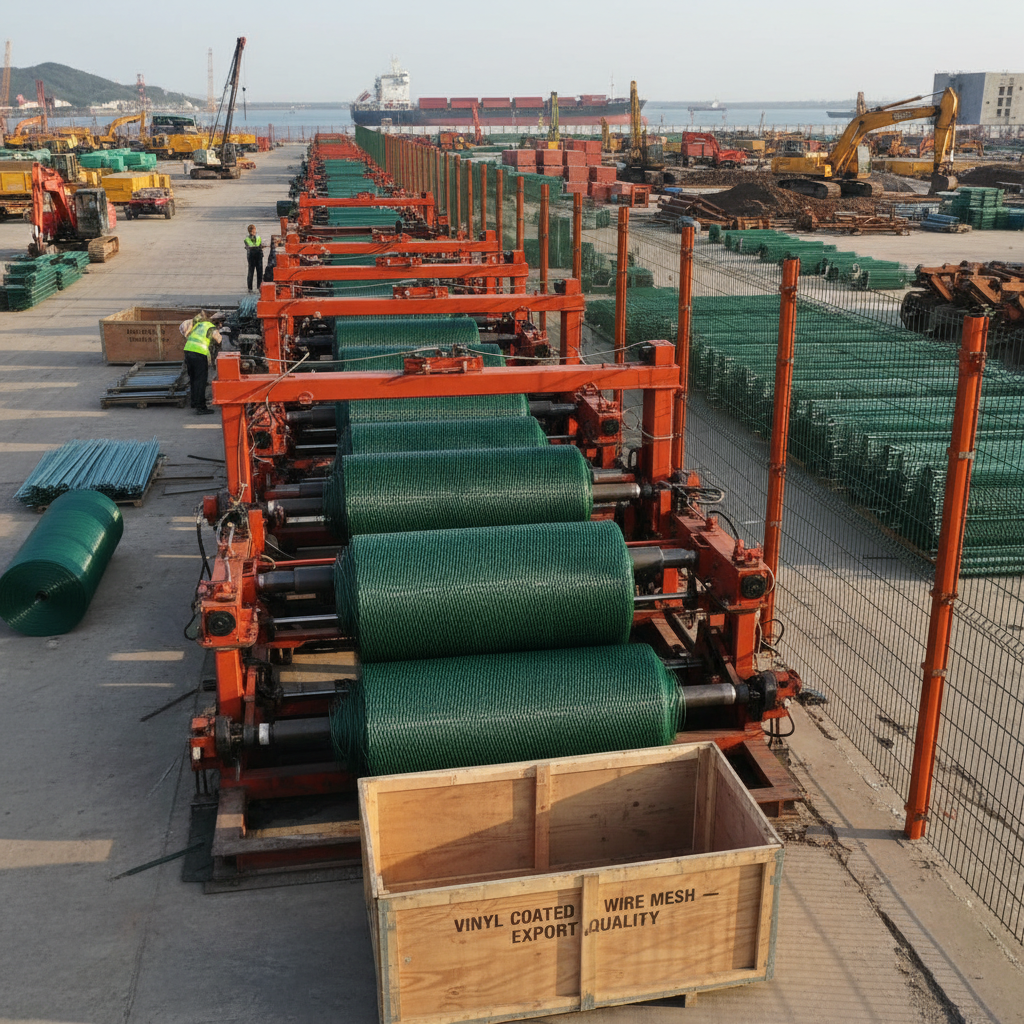
The process of coating the wire involves applying layers of plastic, typically PVC, PE, or PP, to a galvanized or stainless-steel core. This creates a barrier against moisture, chemicals, and UV radiation, significantly extending the lifespan of the wire and reducing the need for frequent replacements. The plastic coating also provides insulation and can be customized with different colors and textures to suit specific aesthetic requirements.
The Global Significance of plastic coated wire mesh
The demand for plastic coated wire mesh is directly linked to global infrastructure development and the increasing need for durable and sustainable materials. According to a recent report by the World Bank, investments in infrastructure are expected to reach $6.3 trillion by 2030, much of which will require corrosion-resistant materials. Plastic coated wire mesh addresses this need efficiently and economically.
Beyond infrastructure, the agricultural sector utilizes plastic coated wire mesh extensively for animal fencing, poultry enclosures, and crop protection. The Food and Agriculture Organization of the United Nations (FAO) estimates that global food production will need to increase by 70% by 2050 to feed a growing population, requiring efficient and secure agricultural practices where plastic coated wire mesh plays a key role.
Furthermore, the increasing focus on environmental protection drives demand for plastic coated wire mesh in applications such as erosion control, waste management, and water filtration. Its longevity and resistance to degradation contribute to reducing waste and promoting sustainable practices. The ISO standards for material durability continually push for materials like plastic coated wire mesh as best practices.
Defining plastic coated wire mesh
Plastic coated wire mesh is essentially a woven or welded wire fabric that has been encapsulated in a layer of plastic. This coating serves multiple purposes: protecting the metal wire from corrosion, enhancing its durability, providing electrical insulation, and offering a variety of color options. The underlying metal, commonly galvanized steel or stainless steel, provides the structural strength, while the plastic coating offers the protective layer.
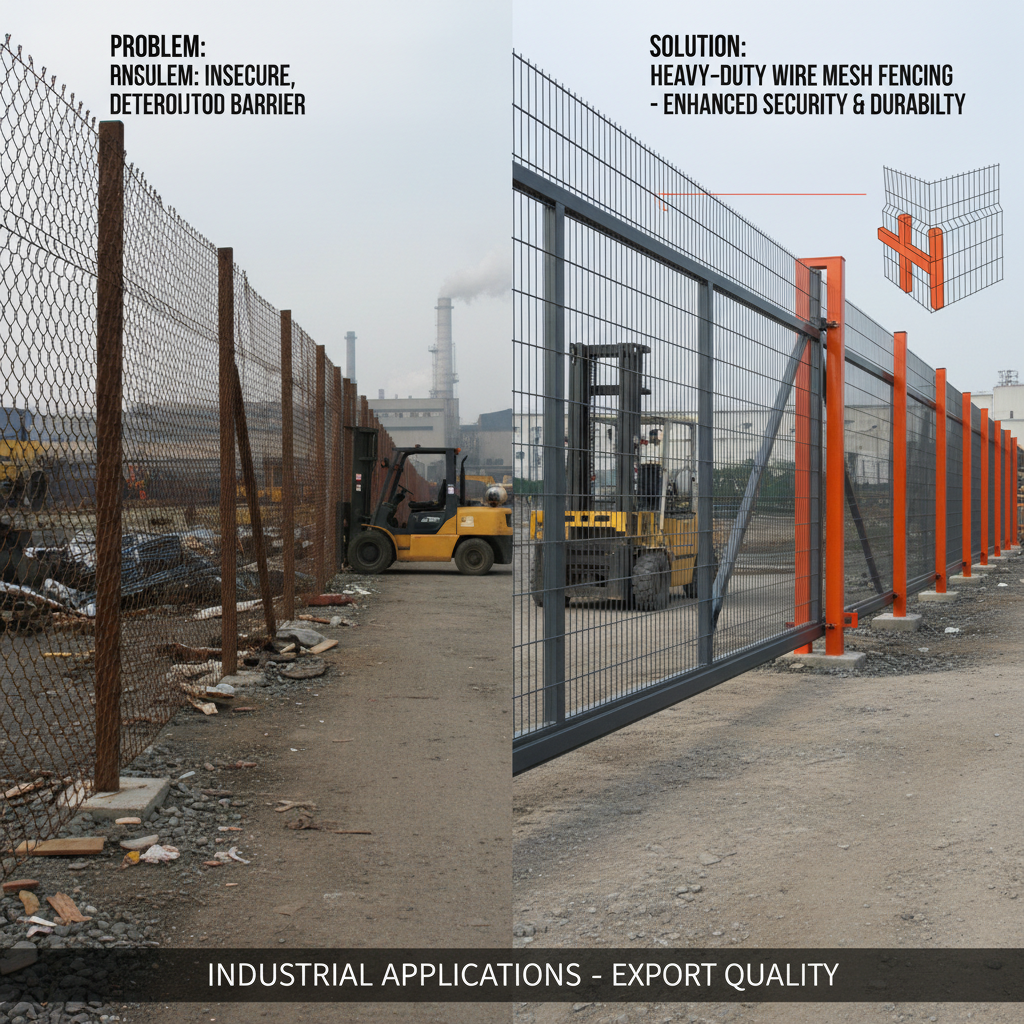
Its connection to modern industry lies in its ability to address the limitations of traditional materials. Uncoated metal wire is susceptible to rust and corrosion, leading to costly repairs and replacements. Plastic coated wire mesh extends the service life of the material, reducing lifecycle costs and minimizing environmental impact. This makes it essential for various applications across various sectors.
In humanitarian contexts, plastic coated wire mesh is frequently employed in the construction of temporary shelters, refugee camps, and disaster relief structures. Its ease of installation, portability, and durability make it an ideal material for providing safe and secure environments in challenging conditions. plastic coated wire mesh truly bridges the gap between industrial demands and societal needs.
Key Properties of plastic coated wire mesh
One of the most significant properties of plastic coated wire mesh is its exceptional corrosion resistance. The plastic coating acts as a barrier against moisture, chemicals, and other corrosive elements, preventing rust and degradation of the underlying metal. This makes it ideal for use in harsh environments, such as coastal areas or industrial facilities.
Another key property is its durability and longevity. The combination of the strong metal core and the protective plastic coating results in a material that can withstand significant stress, impact, and abrasion. This extends the service life of the mesh, reducing the need for frequent replacements and lowering overall costs.
Performance Metrics of Different plastic coated wire mesh Coating Types
Applications of plastic coated wire mesh Worldwide
The applications of plastic coated wire mesh are incredibly diverse. In agriculture, it’s widely used for creating secure fencing for livestock, poultry netting, and protecting crops from pests and wildlife. In the construction industry, it serves as reinforcement in concrete, protective barriers, and façade cladding.
Beyond these common applications, it plays a critical role in security, utilized in high-security fencing for airports, military installations, and correctional facilities. In post-disaster relief operations, it provides a rapid and cost-effective solution for temporary shelters and perimeter security. plastic coated wire mesh is a ubiquitous solution for a broad range of needs.
Benefits and Long-Term Value of plastic coated wire mesh
The tangible benefits of using plastic coated wire mesh extend beyond mere functionality. The reduced maintenance costs associated with its corrosion resistance translate into significant long-term savings. Its extended lifespan minimizes the need for frequent replacements, lowering lifecycle costs and reducing waste.
Furthermore, the use of durable materials like plastic coated wire mesh promotes sustainability by reducing the demand for raw materials and minimizing environmental impact. The reliability and security it provides instill a sense of trust and peace of mind, contributing to the safety and well-being of communities.
Future Trends in plastic coated wire mesh Technology
The future of plastic coated wire mesh lies in innovation and sustainability. Research is underway to develop more eco-friendly plastic coatings using recycled materials and biodegradable polymers. The integration of nanotechnology could enhance the coating’s protective properties and create self-healing capabilities.
Another emerging trend is the use of smart wire mesh embedded with sensors for monitoring structural integrity, detecting environmental changes, or providing security alerts. These advancements will further expand the applications of plastic coated wire mesh and solidify its position as a crucial material for a sustainable future.
Digitalization and automation are also impacting the industry, with automated coating processes improving efficiency and consistency. The development of lightweight, high-strength plastic coated wire mesh will be crucial for applications in aerospace and other demanding industries.
FAQS
PVC (Polyvinyl Chloride) coated wire mesh offers excellent abrasion resistance and is more rigid, making it suitable for applications requiring high structural integrity. PE (Polyethylene) coating provides superior UV resistance and flexibility, making it ideal for outdoor applications exposed to sunlight. PE is also more environmentally friendly. Choosing between the two depends on the specific environmental conditions and application requirements for plastic coated wire mesh.
The lifespan of plastic coated wire mesh in corrosive environments depends on the quality of the coating, the type of corrosion, and the level of exposure. Generally, high-quality PVC or PE coated mesh can last 10-20 years or more in moderately corrosive environments. Regular inspection and maintenance can significantly extend its lifespan, protecting the investment in this vital plastic coated wire mesh component.
Recycling plastic coated wire mesh is challenging due to the combination of metal and plastic. However, some specialized recycling facilities can separate the materials. The metal core is typically recyclable, while the plastic coating's recyclability depends on the type of plastic used. Ongoing research focuses on developing more recyclable plastic coatings for this plastic coated wire mesh material.
For fencing in coastal environments, PE (Polyethylene) coating is generally the best choice. PE offers superior UV resistance and is less susceptible to salt spray corrosion compared to PVC. The flexibility of PE also makes it more resistant to cracking and damage from wind and waves, which ensures a durable fencing system built from plastic coated wire mesh.
Galvanized plastic coated wire mesh combines the corrosion resistance of galvanized steel with the added protection of a plastic coating. It's commonly used for animal fencing, poultry enclosures, security fencing, and industrial applications where both strength and corrosion protection are critical. The galvanized layer provides extra durability, enhancing the longevity of the plastic coated wire mesh.
The cost of plastic coated wire mesh is influenced by several factors, including the type of metal core (galvanized steel vs. stainless steel), the type of plastic coating (PVC, PE, PP), the mesh size, the wire gauge, and the quantity ordered. Custom coatings and specific sizes can also impact the price of plastic coated wire mesh.
Conclusion
Plastic coated wire mesh stands as a testament to the power of material science in addressing global challenges. Its combination of durability, corrosion resistance, and cost-effectiveness makes it an indispensable material across a wide range of industries, from agriculture and construction to security and environmental protection. As urbanization and infrastructure development continue to accelerate, the demand for this versatile material will only grow.
Looking ahead, ongoing innovation in plastic coating materials, integration of smart technologies, and a focus on sustainability will further enhance the value of plastic coated wire mesh. Investing in research and development, adopting sustainable manufacturing practices, and promoting responsible use will be crucial for maximizing its long-term benefits and ensuring a resilient future. Visit our website: www.fencingwiremesh.com to learn more.