Understanding the metal fence price is crucial in modern infrastructure development and security planning. Globally, the demand for robust and cost-effective fencing solutions is steadily increasing, driven by factors like urbanization, industrial growth, and heightened security concerns. Accurate pricing, considering material costs, labor, and installation complexities, is paramount for successful project execution. This understanding is not merely about cost-cutting; it's about informed decision-making that balances security needs with budgetary constraints.
The escalating global need for secure perimeters, from residential properties to critical national infrastructure, directly impacts the metal fence price landscape. According to market research, the fencing market is projected to grow at a compound annual growth rate of X% over the next five years (source: Industry Analysis Report, 2024). This growth is particularly pronounced in emerging economies where infrastructure development is rapidly accelerating. Failing to grasp the variables influencing these prices can lead to project delays, budget overruns, and compromised security.
Ultimately, a firm grasp of the metal fence price allows for efficient resource allocation, optimized project planning, and the selection of the most suitable fencing solutions to meet specific security and budgetary requirements. The ability to accurately assess and compare pricing is no longer a mere administrative task, but a strategic imperative for organizations and individuals alike.
Introduction to metal fence price
The term “metal fence price” encompasses the total cost associated with acquiring and installing a metal fence, encompassing materials, labor, and supplementary expenses. This isn't simply a fixed number; it’s a dynamic figure influenced by a multitude of variables which are discussed in greater detail in subsequent sections. Understanding the nuances of this price is essential for both consumers and businesses.
In a world increasingly focused on security and property demarcation, the accurate assessment of metal fence price is vital. From safeguarding residential homes to securing industrial complexes and public spaces, metal fences represent a significant investment. It’s an area where informed budgeting and smart purchasing can yield substantial long-term savings and enhanced security.
Defining metal fence price
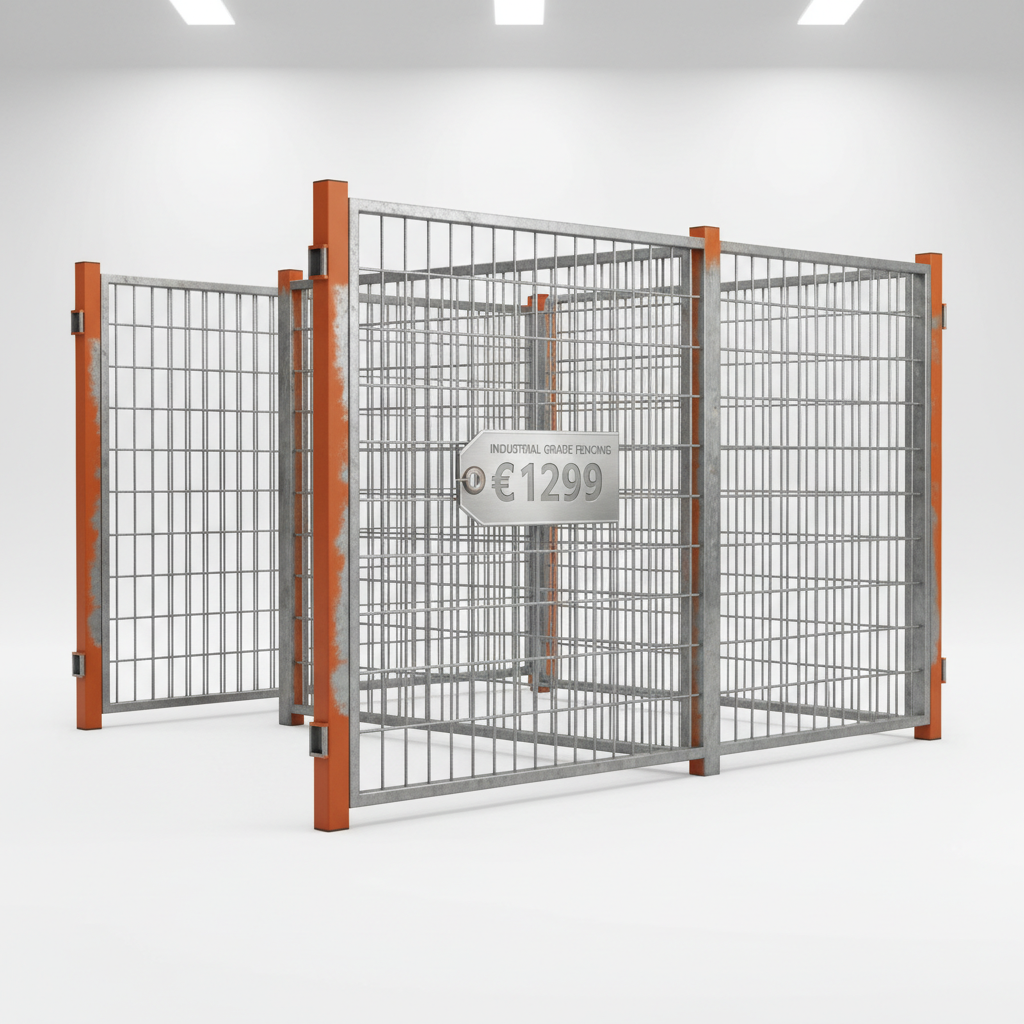
Metal fence price can be defined as the sum of all expenditures incurred in procuring and erecting a metal fence, including the cost of the fence materials (such as steel, aluminum, or wrought iron), the labor involved in installation, any necessary site preparation, and additional costs like permits, delivery, and finishing touches. This price can vary significantly based on the type of metal used, the fence’s design complexity, and the geographical location of the project.
The concept of metal fence price extends beyond the initial purchase. It's important to consider the long-term costs associated with maintenance, repair, and potential replacement. A higher initial investment in a more durable, corrosion-resistant material may result in lower lifecycle costs compared to a cheaper, less durable option that requires frequent repairs.
In the modern context, understanding metal fence price involves evaluating its value proposition – the balance between security, aesthetics, durability, and cost-effectiveness. A well-defined budget and a clear understanding of project requirements are essential for securing the best possible price and ensuring a successful outcome.
Core Components Influencing metal fence price
Several key factors significantly impact the metal fence price. These include the type of metal chosen (steel, aluminum, wrought iron), the fence's height and length, the complexity of the design (ornate versus simple), the gauge of the metal (thicker gauge equates to greater durability but higher cost), and any additional features like gates, security toppings, or decorative elements.
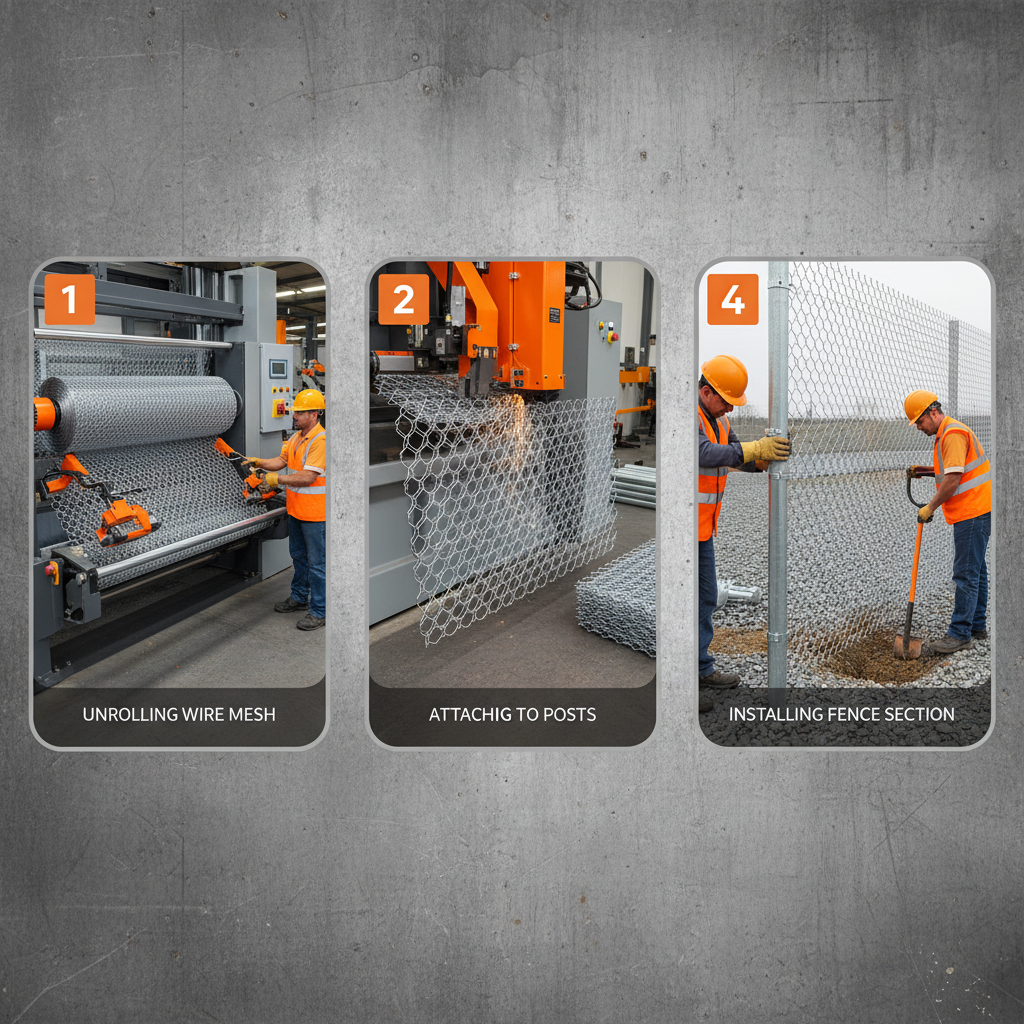
Labor costs represent a substantial portion of the overall metal fence price. These costs vary depending on the geographic location, the experience level of the installers, and the complexity of the installation process. Terrain challenges, such as rocky soil or steep slopes, can also increase labor costs. Site preparation requirements, like clearing vegetation or leveling the ground, further contribute to the overall expense.
Finally, external factors like material market fluctuations (steel prices, for instance, can be volatile) and transportation costs also play a role in determining the metal fence price. Additionally, permit fees and local regulations can add to the total cost of the project. A comprehensive quote should always itemize all these components for transparency.
Global Applications of metal fence price
The need for effective perimeter security and property demarcation drives the application of metal fencing – and thus, considerations surrounding metal fence price – across diverse sectors worldwide. From securing residential properties in suburban areas to protecting critical infrastructure like power plants and airports, metal fences are ubiquitous.
In industrial zones and manufacturing facilities, metal fencing provides a robust security barrier, protecting valuable assets and preventing unauthorized access. Agricultural operations utilize metal fences to contain livestock, protect crops, and delineate property boundaries, impacting the metal fence price calculation in terms of length and required durability.
Government entities and municipalities employ metal fencing to secure public parks, schools, and government buildings. In post-disaster relief operations, temporary metal fencing is often deployed to establish secure zones and control access to affected areas. The metal fence price becomes particularly important in these scenarios where rapid deployment and cost-effectiveness are critical.
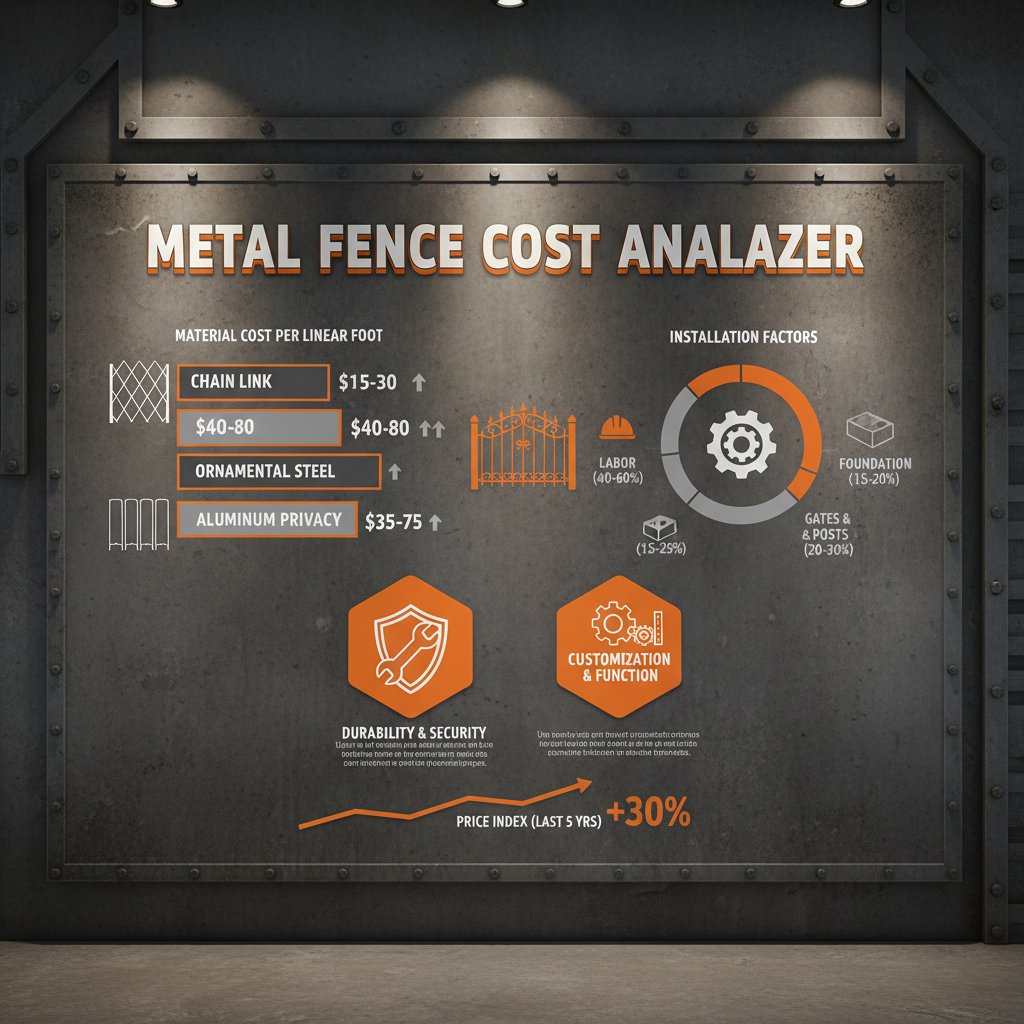
Comparison of metal fence price by Material Type
Advantages of Optimizing metal fence price
Optimizing the metal fence price offers numerous tangible benefits. A lower initial investment frees up capital for other essential expenses. Selecting durable, low-maintenance materials reduces long-term repair and replacement costs. A well-planned fence installation minimizes labor expenses and potential delays.
Beyond cost savings, optimizing the metal fence price can also enhance security. Choosing a robust fence design with appropriate security features deters trespassers and protects valuable assets. Aesthetically pleasing fences can increase property value and enhance curb appeal.
Future Trends in metal fence price
Several emerging trends are poised to influence the metal fence price landscape. The increasing adoption of automated manufacturing processes is expected to drive down production costs. The development of new, corrosion-resistant metal alloys will enhance durability and reduce maintenance requirements.
The growing emphasis on sustainable materials and environmentally friendly manufacturing practices will likely lead to a greater demand for recycled metal fencing options. Furthermore, advancements in smart fencing technology – incorporating features like integrated security cameras and access control systems – will add value and potentially impact overall price points.
Digital price comparison tools and online marketplaces are also becoming increasingly prevalent, empowering consumers to easily compare prices and find the best deals on metal fencing. This transparency is likely to drive competition and keep prices competitive.
Challenges and Solutions for metal fence price
A key challenge in managing metal fence price is the volatility of raw material costs, particularly steel. Fluctuations in global commodity markets can significantly impact the price of fencing materials. Another challenge is the potential for hidden costs, such as unexpected site preparation requirements or permit fees.
To mitigate these challenges, it's crucial to obtain detailed quotes from multiple vendors, carefully reviewing all line items. Consider locking in prices with suppliers to protect against future price increases. Thorough site assessments can help identify potential challenges and avoid unexpected costs.
Exploring alternative materials, such as aluminum or vinyl-coated steel, can offer cost savings and enhanced durability. Implementing value engineering principles – optimizing the fence design without compromising functionality – can also help reduce overall costs.
Analysis of Factors Influencing metal fence price
| Material Type |
Labor Cost (hours) |
Geographic Location |
Overall metal fence price Rating (1-10) |
| Wrought Iron |
20 |
Urban Center |
8 |
| Steel |
15 |
Suburban Area |
7 |
| Aluminum |
12 |
Rural Area |
6 |
| Chain Link |
8 |
Urban Center |
5 |
| Galvanized Steel |
18 |
Suburban Area |
7 |
| Stainless Steel |
25 |
Remote Industrial Zone |
9 |
FAQS
The biggest drivers of fluctuations in metal fence price are raw material costs (particularly steel and aluminum), labor rates, geographic location, and demand. Global economic conditions and supply chain disruptions can also play a significant role. Unexpected increases in shipping costs or tariffs can further inflate prices. Careful planning and sourcing are key.
To minimize the cost, obtain quotes from multiple contractors, compare materials carefully, consider simpler fence designs, and be flexible with installation timing. Look for promotional offers or discounts. Preparing the site yourself (clearing vegetation, leveling ground) can also reduce labor costs. Selecting a less ornate design can also reduce the overall metal fence price.
The lifespan of a metal fence varies depending on the material and maintenance. Aluminum fences can last for 50+ years with minimal upkeep. Steel fences, if properly galvanized and maintained, can last 20-30 years. Wrought iron can last even longer, potentially exceeding 75 years, but requires more frequent maintenance to prevent rust. The initial metal fence price should be weighed against long-term durability.
Yes, potential hidden costs include site preparation (removing rocks, leveling ground), permit fees, excavation for gate posts, and unexpected underground utilities. Always ask contractors for a detailed breakdown of all costs, including potential contingencies. Failing to account for these can significantly increase the overall metal fence price.
The gauge (thickness) of the metal directly influences both price and durability. A lower gauge number indicates thicker metal, resulting in a stronger, more durable fence but at a higher cost. A higher gauge number means thinner metal, which is cheaper but less resistant to damage. Choose a gauge appropriate for your security needs and the environmental conditions. It is critical for understanding the metal fence price.
Regular maintenance is crucial for maximizing a metal fence's lifespan. This includes periodic cleaning to remove dirt and debris, inspecting for rust and corrosion, and promptly repairing any damage. Galvanized or powder-coated fences require less maintenance than bare steel. Applying a protective coating every few years can significantly extend the fence’s life. These measures help to ensure a good return on the metal fence price.
Conclusion
In conclusion, understanding the factors that influence metal fence price is paramount for making informed decisions. From material selection and labor costs to geographic variations and potential hidden expenses, a comprehensive awareness of these elements allows for optimized budgeting, enhanced security, and long-term value. The metal fence price is not just about cost but also about quality and longevity.
Looking ahead, continued innovation in materials, manufacturing processes, and smart fencing technologies will likely shape the future of this industry. Proactive planning, thorough research, and a commitment to sustainable practices will be essential for navigating the evolving landscape and securing the most cost-effective and reliable fencing solutions.