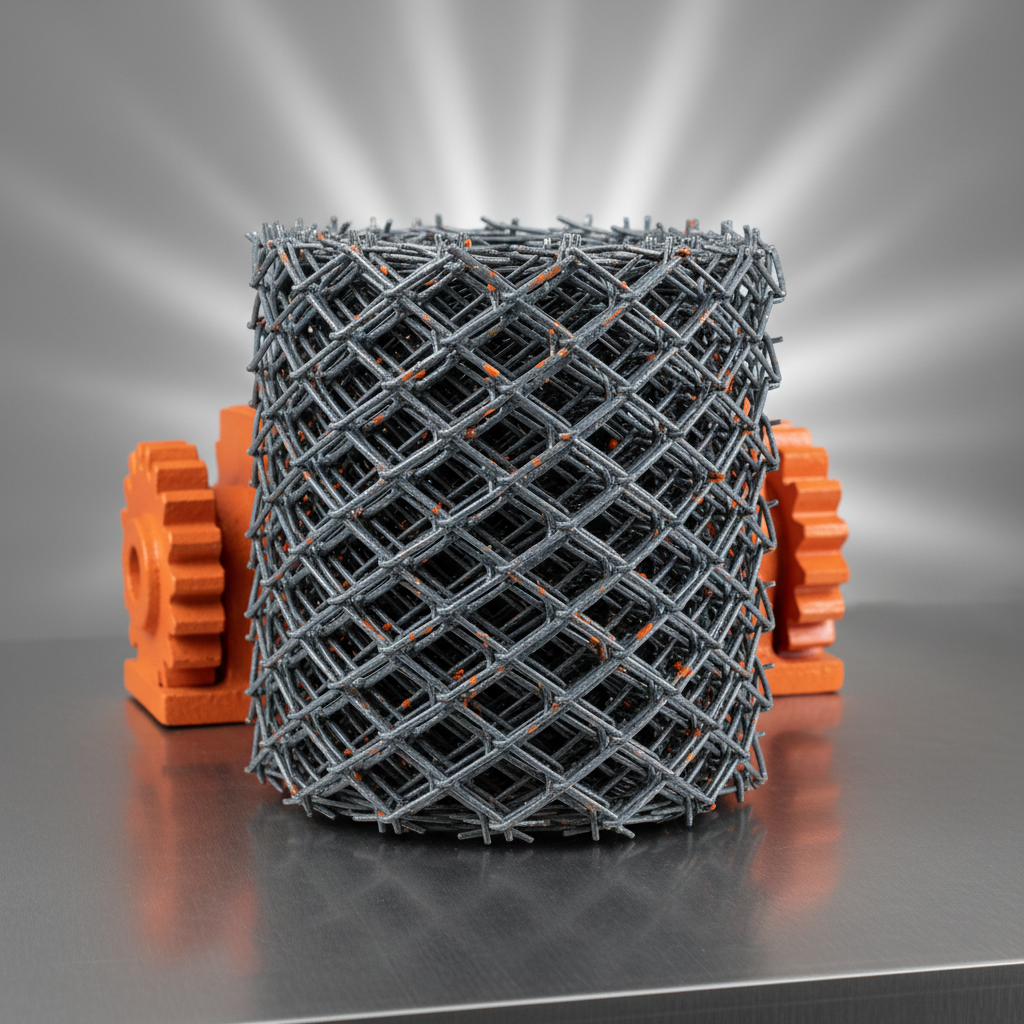
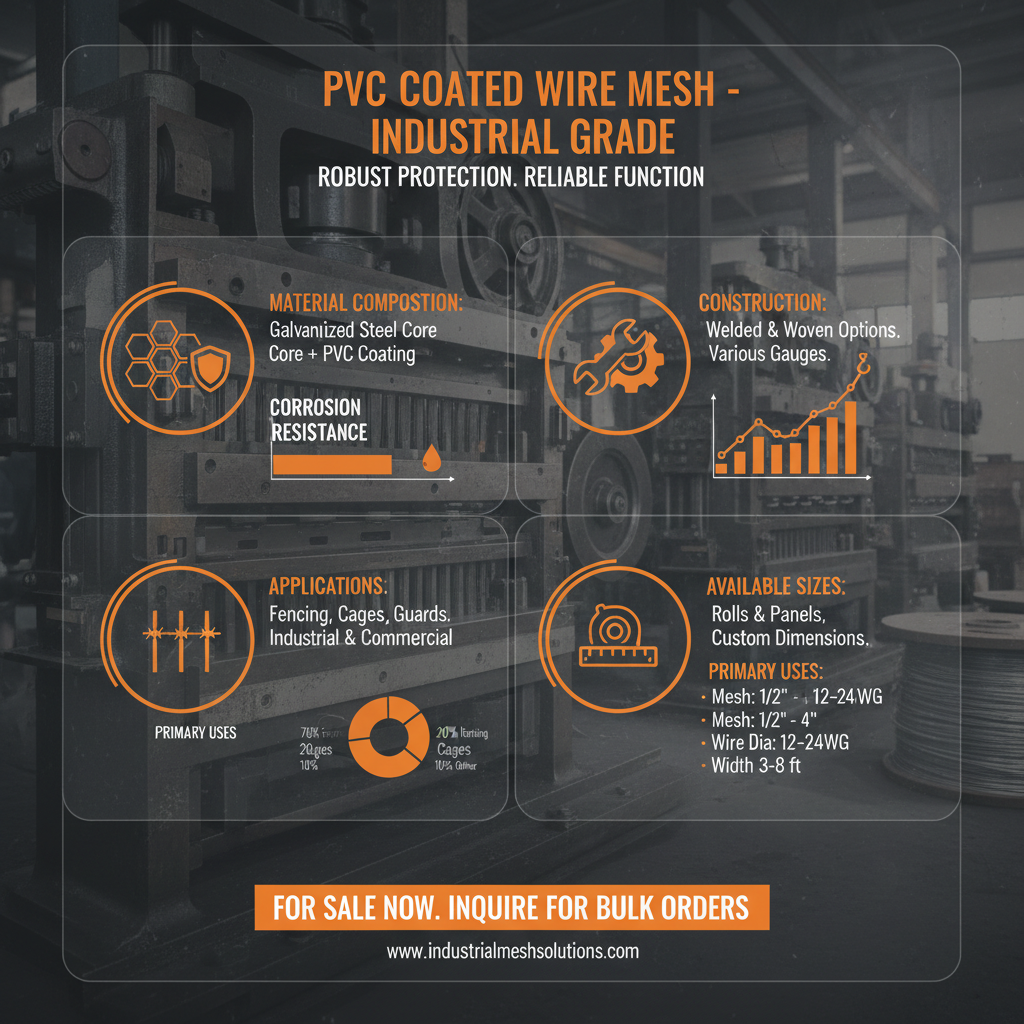
Coated wire mesh represents a crucial advancement in material science, impacting industries from agriculture and construction to security and environmental protection. Its versatility stems from the combination of durable wire – typically steel – and protective coatings, enhancing its resistance to corrosion, weathering, and a range of environmental factors. Understanding the nuances of coated wire mesh is vital for engineers, project managers, and procurement professionals seeking reliable and cost-effective solutions for various applications.
Globally, the demand for coated wire mesh is consistently increasing, driven by infrastructure development in emerging economies and a growing awareness of the long-term cost benefits of using durable materials. According to recent reports, the global wire mesh market is projected to reach billions of dollars in the coming years, with coated varieties accounting for a significant share of this growth. This surge in demand necessitates a deeper understanding of the different types of coatings, manufacturing processes, and quality control standards.
The importance of coated wire mesh extends beyond mere economic indicators. It plays a critical role in enhancing safety and sustainability in diverse applications. From reinforcing concrete structures to providing secure enclosures and protecting valuable resources, coated wire mesh provides a fundamental building block for modern infrastructure and a sustainable future.
Defining coated wire mesh and its Importance
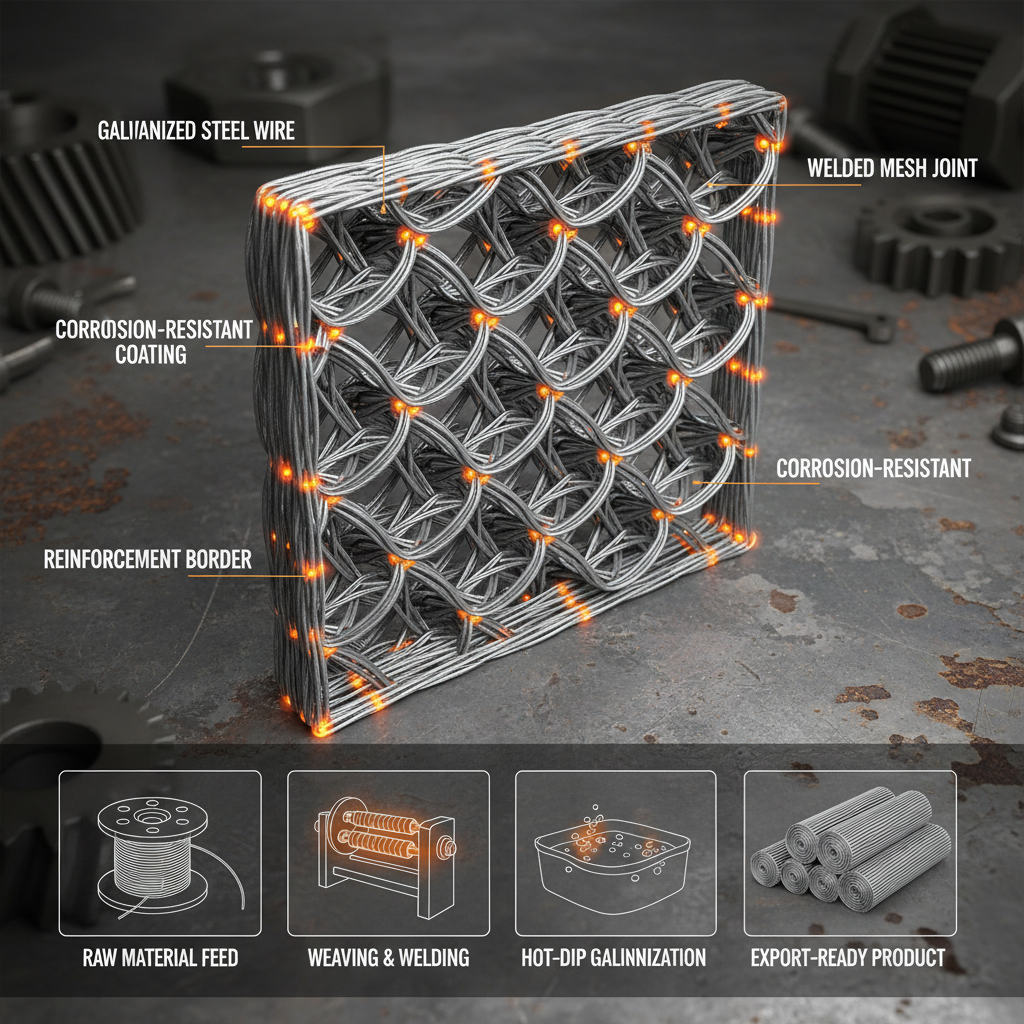
Coated wire mesh isn’t simply wire with a surface treatment; it’s a carefully engineered material. The core strength of the wire – usually steel, but sometimes stainless steel or other alloys – is combined with a coating designed to deliver specific performance characteristics. These coatings are paramount in extending the lifespan of the mesh and enhancing its applicability to diverse environments.
The significance of this combination lies in its ability to provide durable, cost-effective, and sustainable solutions across many sectors. From protecting agricultural crops to securing infrastructure and providing erosion control, coated wire mesh is a versatile material that plays a vital role in modern society. Proper selection of the coating – be it galvanized, PVC, epoxy, or another type – is critical to ensure optimal performance and longevity.
Global Relevance and Industry Context
The global construction industry is a primary driver of demand for coated wire mesh. As urbanization continues and infrastructure projects expand, particularly in developing nations, the need for durable and corrosion-resistant materials increases exponentially. Furthermore, the agricultural sector relies heavily on coated wire mesh for fencing, poultry netting, and crop support structures. The increasing focus on food security worldwide further reinforces this demand.
Beyond these major sectors, coated wire mesh finds applications in environmental remediation, such as erosion control and landfill containment. The mining industry uses it extensively for screening and separation processes. Regulatory standards concerning environmental protection and safety are also influencing the adoption of coated wire mesh, as it often provides a more sustainable and reliable alternative to traditional materials.
Statistics from the United Nations and the World Bank indicate a consistent rise in infrastructure investment in emerging economies, directly correlating with increased demand for construction materials like coated wire mesh. This trend is expected to continue in the coming decades, positioning coated wire mesh as a critical component of global development.
Understanding coated wire mesh: Definition & Meaning
At its core, coated wire mesh is a woven, welded, or otherwise fabricated network of wires covered with a protective layer. This coating serves as a barrier against environmental factors, preventing corrosion, oxidation, and degradation. The choice of coating material is determined by the intended application and the specific environmental challenges the mesh will face.
The connection to modern industry and humanitarian needs is profound. In construction, it provides structural integrity and longevity to concrete and masonry. In agriculture, it protects crops and livestock. In disaster relief, it can be quickly deployed for temporary shelters and security perimeters. Its adaptability makes it a vital resource in addressing a wide range of needs.
The meaning extends beyond the material itself. Coated wire mesh represents a commitment to durability, safety, and sustainability. It embodies engineering principles focused on extending product lifecycles and minimizing environmental impact, reflecting a responsible approach to resource management.
Core Components and Key Factors
The durability of coated wire mesh is arguably its most significant attribute. The combination of strong wire and a resilient coating provides exceptional resistance to wear and tear, extending its service life and reducing the need for frequent replacements. This durability translates directly into cost savings over the long term.
Scalability is another critical factor. Coated wire mesh can be manufactured in a wide range of sizes, shapes, and configurations to meet specific project requirements. From small-scale residential applications to large-scale industrial projects, the versatility of the material allows for customization and efficient integration.
Coated Wire Mesh Performance Comparison
Global Applications & Real-World Use Cases
In post-disaster relief operations, coated wire mesh is rapidly deployed to create temporary shelters, secure perimeters, and reinforce damaged structures. Its lightweight nature and ease of installation make it an invaluable asset in emergency response scenarios. Organizations like the Red Cross and various NGOs frequently utilize coated wire mesh in their humanitarian efforts.
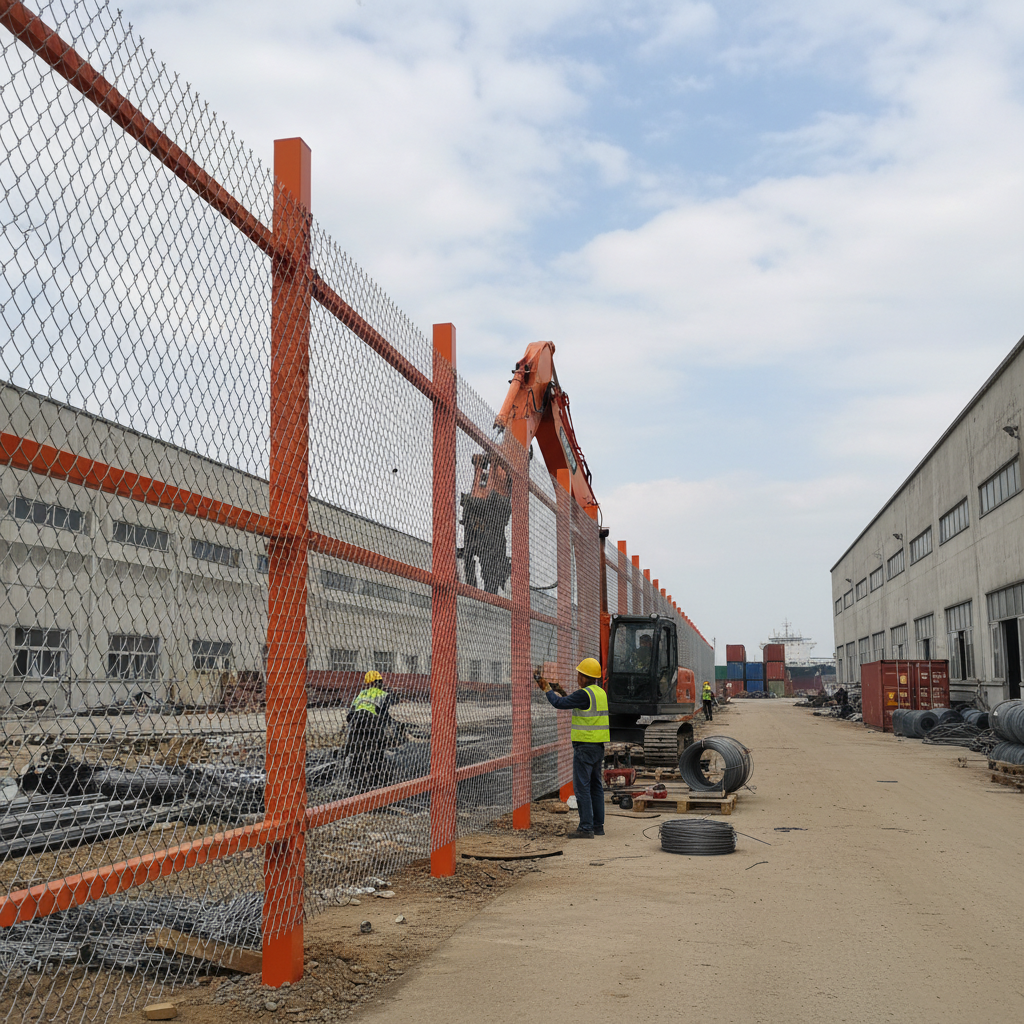
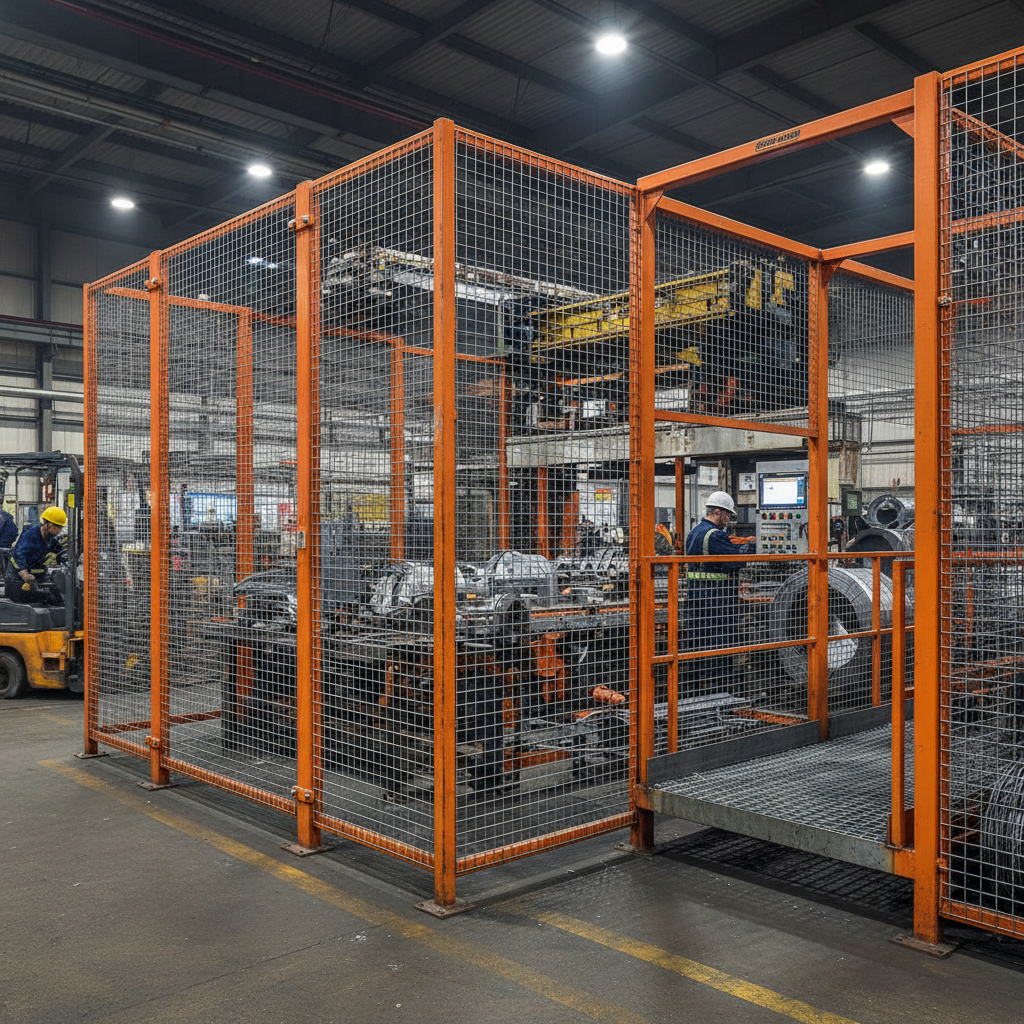
Within the agricultural sector, coated wire mesh is essential for protecting crops from pests, supporting plant growth, and creating secure enclosures for livestock. In remote industrial zones, it provides robust security fencing and protects valuable equipment from theft and vandalism. Mining operations rely on it for screening and separation processes, maximizing efficiency and minimizing environmental impact.
Furthermore, coastal regions utilize coated wire mesh for erosion control, protecting shorelines from the damaging effects of waves and currents. Its durability and resistance to saltwater corrosion make it a sustainable solution for preserving coastal ecosystems.
Advantages & Long-Term Value Proposition
The long-term cost savings associated with coated wire mesh are substantial. While the initial investment may be slightly higher than that of uncoated alternatives, the extended lifespan and reduced maintenance requirements translate into significant savings over the product's lifecycle. This economic benefit is a key driver of its adoption across various industries.
Sustainability is increasingly recognized as a crucial advantage. By reducing the need for frequent replacements, coated wire mesh minimizes waste and conserves resources. Many coatings are also environmentally friendly, further enhancing its sustainable profile. The reliability and durability offered inspire trust and provide peace of mind for long-term projects.
Future Trends & Innovation in coated wire mesh
Research and development efforts are focused on creating even more durable and environmentally friendly coatings. Nanotechnology is being explored to enhance corrosion resistance and improve the adhesion of coatings to the wire substrate. The integration of smart sensors into coated wire mesh is another emerging trend, enabling real-time monitoring of structural integrity and environmental conditions.
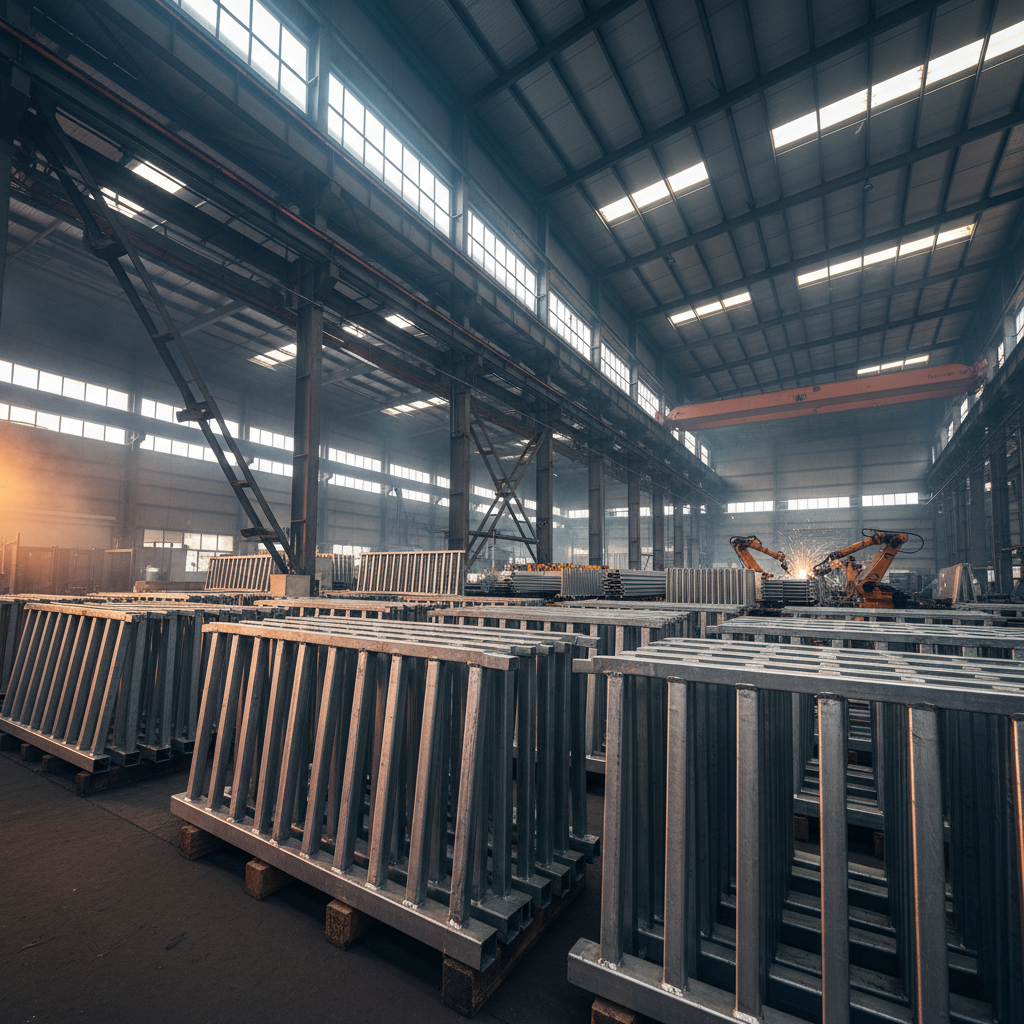
Automation in the manufacturing process is increasing efficiency and reducing production costs. Furthermore, the development of bio-based coatings derived from renewable resources is gaining traction, aligning with the growing demand for sustainable materials. These innovations promise to further expand the applications and enhance the value proposition of coated wire mesh.
Challenges & Solutions
A common challenge associated with coated wire mesh is the potential for coating damage during handling and installation. Scratches or abrasions can compromise the protective layer, leading to corrosion. Implementing robust quality control procedures and providing proper handling instructions can mitigate this risk.
Another limitation is the cost of certain high-performance coatings. However, ongoing research into more affordable alternatives and the development of innovative application techniques are helping to address this issue. The long-term cost benefits often outweigh the initial investment, but it's crucial to carefully evaluate the specific application requirements and select the appropriate coating accordingly.
The increasing demand for sustainable materials presents a challenge to traditional coating formulations. Developing bio-based and eco-friendly coatings is a priority, requiring collaboration between material scientists, manufacturers, and end-users to ensure performance and affordability.
Coated Wire Mesh FAQ
| Application |
Coating Type |
Longevity (Years) |
Cost (USD/sq. meter) |
| Agricultural Fencing |
Galvanized |
10-15 |
$5 - $10 |
| Industrial Security |
PVC |
5-10 |
$8 - $15 |
| Coastal Erosion Control |
Epoxy |
15-20 |
$12 - $20 |
| Concrete Reinforcement |
Galvanized + Epoxy |
20+ |
$15 - $25 |
| Poultry Netting |
PVC |
3-7 |
$3 - $7 |
| Mining Screening |
Stainless Steel |
25+ |
$20 - $35 |
FAQS
Galvanized coating provides a zinc layer for corrosion resistance, making it ideal for general outdoor applications. PVC coating offers a more durable and colorful finish, often preferred for agricultural fencing and poultry netting. Galvanized is typically more cost-effective, while PVC offers enhanced resistance to chemicals and abrasion. Consider the specific environment and potential exposure to harsh elements when choosing between the two.
Mesh size, measured in gauge or aperture size, is crucial for optimal performance. Finer meshes provide greater containment and security, suitable for poultry netting or security fencing. Coarser meshes offer better ventilation and drainage, ideal for erosion control or concrete reinforcement. Consider the size of the materials being contained or separated and select a mesh size that effectively prevents passage while allowing for necessary airflow or drainage.
Epoxy-coated wire mesh typically has a lifespan of 15-20 years, depending on the severity of the environmental conditions and the quality of the coating application. Epoxy provides excellent corrosion resistance and adhesion, making it suitable for demanding applications like marine environments or chemical processing plants. Regular inspection and maintenance can further extend its lifespan.
The recyclability of coated wire mesh depends on the type of coating used. Galvanized steel is readily recyclable. PVC and epoxy coatings can present challenges, but advancements in recycling technology are improving their recoverability. Contact local recycling facilities to determine their specific capabilities regarding coated wire mesh.
Store coated wire mesh in a dry, well-ventilated area, protected from direct sunlight and extreme temperatures. Avoid stacking heavy objects on top of the mesh, as this can cause deformation or damage to the coating. Ideally, store it on pallets to prevent contact with the ground and ensure proper airflow.
Several factors influence the cost, including the type of wire used (steel, stainless steel), the coating material (galvanized, PVC, epoxy), the mesh size, the wire gauge, and the quantity ordered. Larger orders typically qualify for volume discounts. The complexity of the fabrication process, such as welding or crimping, can also impact the price.
Conclusion
Coated wire mesh represents a vital material in modern infrastructure, agriculture, and environmental protection. Its combination of durability, scalability, and cost-effectiveness makes it an indispensable component in a wide range of applications. Understanding the different types of coatings, manufacturing processes, and industry standards is crucial for maximizing its benefits and ensuring long-term performance.
Looking ahead, continued innovation in coating materials and manufacturing techniques promises to further enhance the sustainability and versatility of coated wire mesh. Embracing these advancements will not only drive economic growth but also contribute to a more resilient and environmentally responsible future. For high-quality coated wire mesh solutions, explore our comprehensive product range and expert guidance.