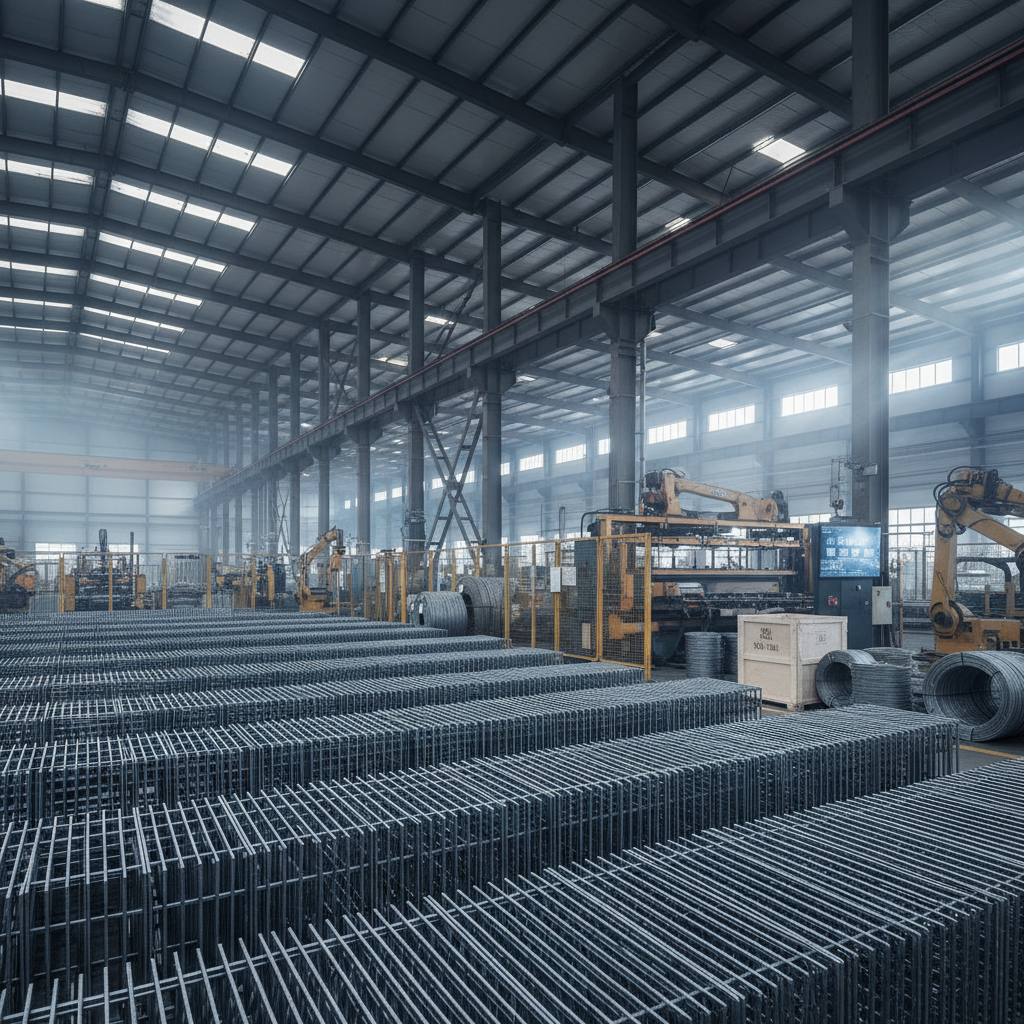
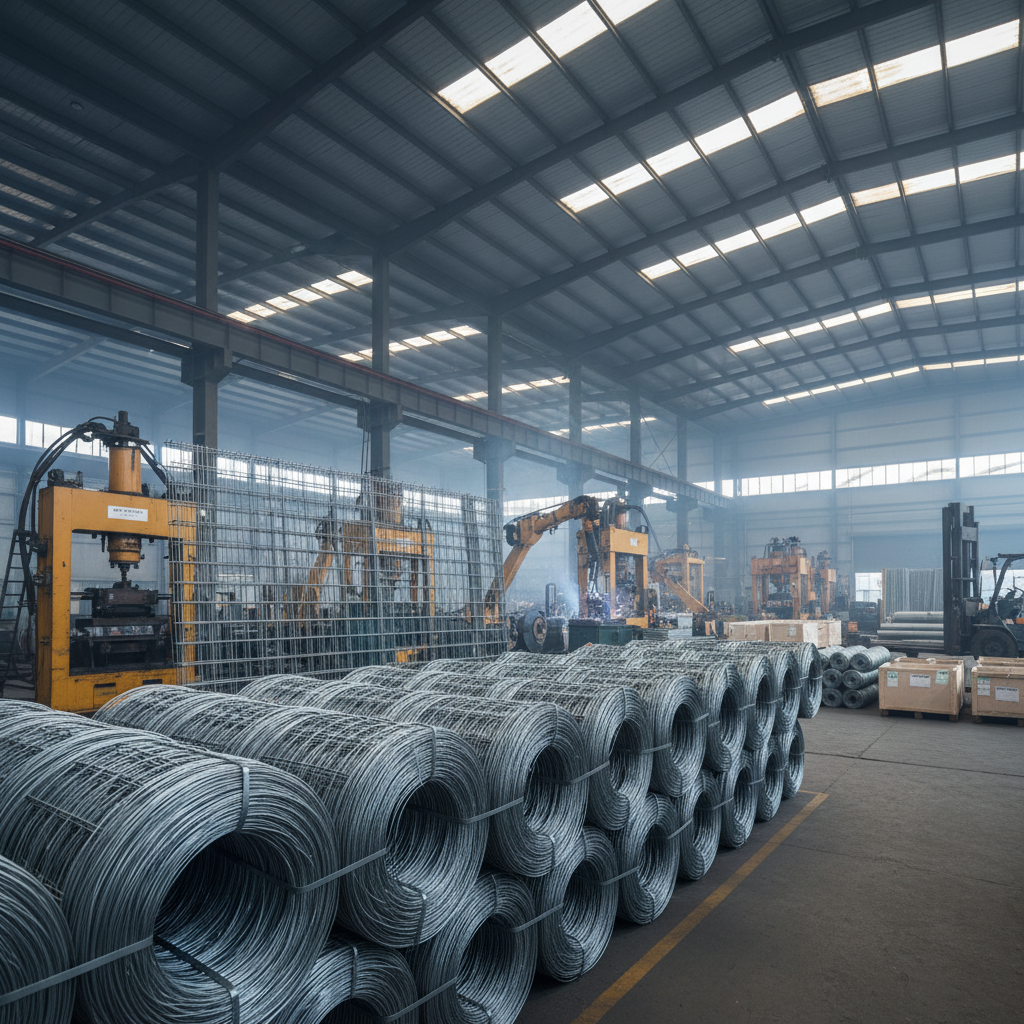
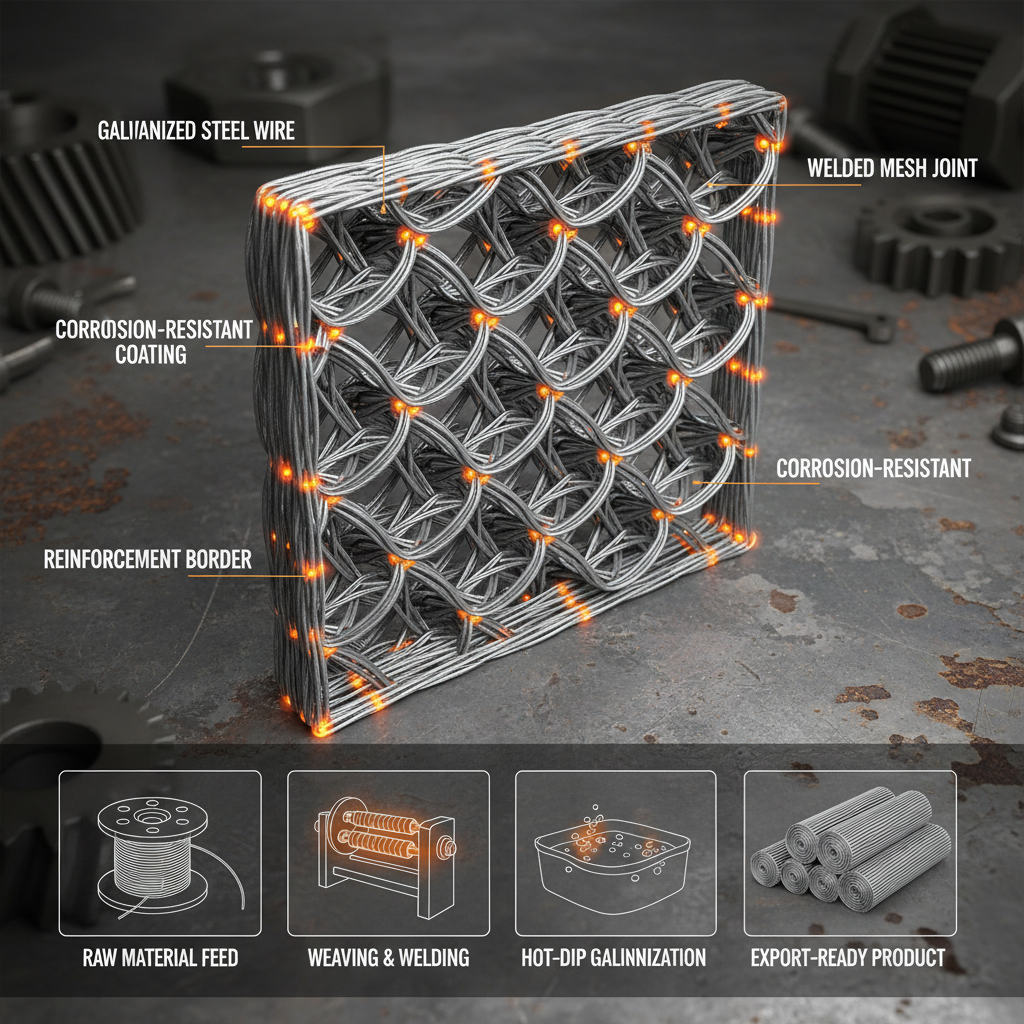
Wire mesh security fencing – it’s more than just a barrier; it’s a fundamental layer of protection in a world increasingly focused on safety and security. From critical infrastructure guarding to perimeter defense for industrial sites, and even temporary security solutions for events, this deceptively simple material plays a vital role. Understanding its strengths, limitations, and evolving applications is crucial for anyone involved in security planning, construction, or risk management. It's a practical solution, one I've seen implemented successfully across countless projects, and often overlooked until a problem arises.
The demand for robust, reliable, and cost-effective security solutions is skyrocketing globally. We're seeing increased needs driven by geopolitical instability, rising crime rates, and the protection of critical assets. According to reports from the UN and the World Bank, investment in security infrastructure is consistently growing, particularly in developing nations. But it’s not just about big budgets. There’s a growing need for scalable and adaptable security measures that can respond quickly to changing threats – a need wire mesh security fencing is uniquely positioned to meet.
What exactly is wire mesh security fencing? At its core, it's a woven or welded network of steel wires designed to create a physical barrier. But it’s evolved beyond the basic chain-link fence. Today, you’ll find a wide array of configurations – from high-security welded mesh panels with small apertures to deterrent fencing with razor wire additions. It’s about providing a visible and tangible obstacle, making access difficult and time-consuming for potential intruders, and serving as a deterrent to would-be criminals. In modern industry, it isn’t just about keeping people out, but also about controlling access and protecting valuable resources – often a humanitarian need in conflict zones or disaster relief efforts.
Key Factors of wire mesh security fencing
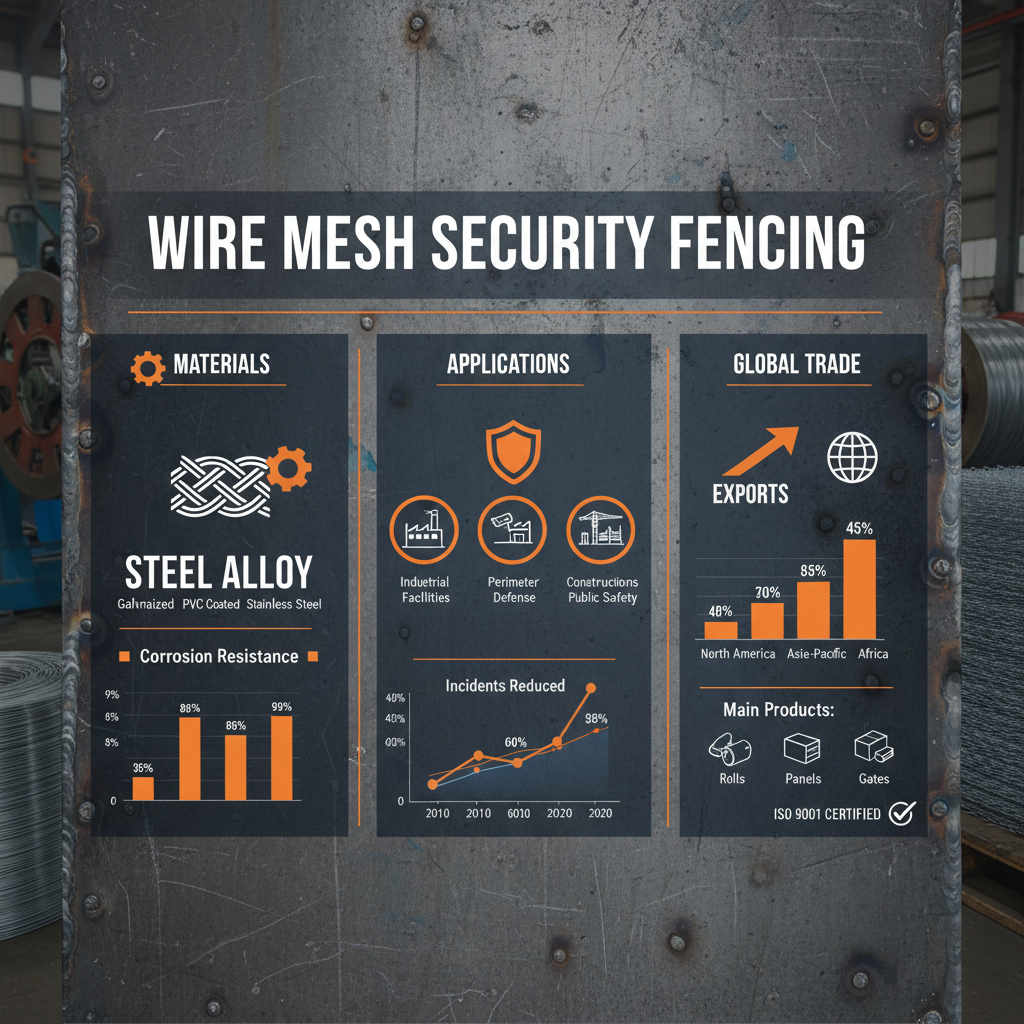
Durability is paramount. We’re talking about materials that can withstand harsh weather conditions, attempted breaches, and the test of time. Galvanized steel, stainless steel, and even PVC-coated options are common, each with its own advantages depending on the environment. Then there's scalability – a good system can be easily expanded or adapted to changing security needs. I've seen projects where a small initial investment in wire mesh security fencing grew into a comprehensive perimeter defense system as a business expanded.
Cost-efficiency is also a huge factor. Compared to concrete walls or other high-end security solutions, wire mesh fencing offers a substantial cost saving without necessarily compromising on effectiveness. Installation is generally quicker and simpler, minimizing disruption and labor costs. And then there’s maintainability. A well-installed system requires minimal upkeep, reducing long-term operational expenses. Finally, the level of security it provides, in relation to its cost, is exceptional.
Global Applications of wire mesh security fencing
The applications for wire mesh fencing are incredibly diverse. In the United States and Europe, it’s commonly used to secure industrial facilities, power plants, and transportation hubs. We see a lot of use around airports and critical infrastructure points, understandably. In developing nations, particularly in Africa and South America, it's often employed to protect agricultural land from theft and to secure construction sites. In post-disaster relief operations, it’s quickly deployed to create temporary safe zones and secure aid distribution points.
In remote industrial zones, like mining operations in Australia or oil and gas facilities in the Middle East, wire mesh security fencing provides a cost-effective way to deter unauthorized access and protect valuable equipment. I worked on a project in Chile where we used high-security mesh fencing to protect a copper mine; the rugged terrain made it a perfect fit. Even at large public events, temporary wire mesh fencing is crucial for crowd control and perimeter security, ensuring the safety of attendees.
More recently, we've seen increased demand from organizations involved in border control and refugee camps. It's a practical solution that can be deployed quickly to manage movement and provide a basic level of security in challenging environments. It's not always glamorous work, but knowing you're contributing to safety and stability is incredibly rewarding.
Definition and Meaning of wire mesh security fencing
Let's break it down. Wire mesh security fencing is a physical barrier constructed from interconnected wires, creating a mesh-like structure. This mesh is designed to deter unauthorized access, protect assets, and maintain perimeter security. It’s a broad category, encompassing everything from simple chain-link fencing to more sophisticated welded mesh panels with anti-climb features. It’s fundamentally about creating a visual and physical obstacle.
Its connection to modern industry and humanitarian needs is substantial. In an increasingly interconnected world, protecting critical infrastructure, supply chains, and sensitive data is more important than ever. Security fencing provides a first line of defense against theft, vandalism, and terrorism. Similarly, in humanitarian crises, it plays a vital role in creating safe zones for refugees, securing aid distribution points, and preventing further instability.
Ultimately, it's about creating a sense of security and control. It’s about allowing people to operate, live, and work without constant fear of intrusion or harm. And that, in my experience, is a powerful and meaningful contribution.
Advantages of wire mesh security fencing
The tangible benefits of using wire mesh fencing are numerous. Cost is a major one – it’s significantly cheaper than concrete walls or sophisticated electronic security systems. Sustainability is another key advantage. Steel is a recyclable material, and many manufacturers are now using recycled content in their products. The longevity of the material is also a factor; with proper maintenance, a well-installed system can last for decades.
Beyond the practical aspects, there's a significant psychological benefit. A visible security barrier can deter potential intruders simply by making access more difficult and obvious. It provides peace of mind for property owners and employees. And, let's be honest, a well-maintained fence looks professional and demonstrates a commitment to security, enhancing the overall image of a business or organization.
Performance Comparison of Wire Mesh Security Fencing Methods
Future Trends in wire mesh security fencing
We’re seeing a move towards ‘smart’ fencing systems. Integrating sensors, cameras, and alarm systems directly into the mesh structure provides real-time monitoring and intrusion detection. This data can be remotely accessed and analyzed, enhancing security response times. I’ve been testing some systems that use fiber optic cables woven into the mesh to detect vibrations – incredibly sensitive!
There’s also a growing emphasis on sustainable materials and manufacturing processes. Manufacturers are exploring the use of bio-based polymers and recycled materials to reduce the environmental impact of their products. And finally, expect to see further innovations in anti-climb technology, such as more complex mesh patterns and the integration of deterrent devices like razor wire and barbed tape.
Challenges and Solutions for wire mesh security fencing
One of the biggest challenges is corrosion, especially in harsh marine or industrial environments. Regular maintenance, including cleaning and re-coating, is essential, but it can be costly and time-consuming. The solution is to invest in high-quality materials, like stainless steel or heavily galvanized coatings, from the outset. I always tell clients, spend a little more upfront to save a lot more down the line.
Another common issue is vandalism and cutting of the mesh. Using smaller mesh apertures, adding anti-climb features, and incorporating surveillance systems can deter attackers. And, of course, proper installation is crucial. A poorly installed fence is a weak point in any security system.
Finally, dealing with uneven terrain can be tricky. Properly anchoring the fence posts and using flexible mesh panels can help overcome these challenges. It's all about adapting the system to the specific site conditions.
Core Components of wire mesh security fencing
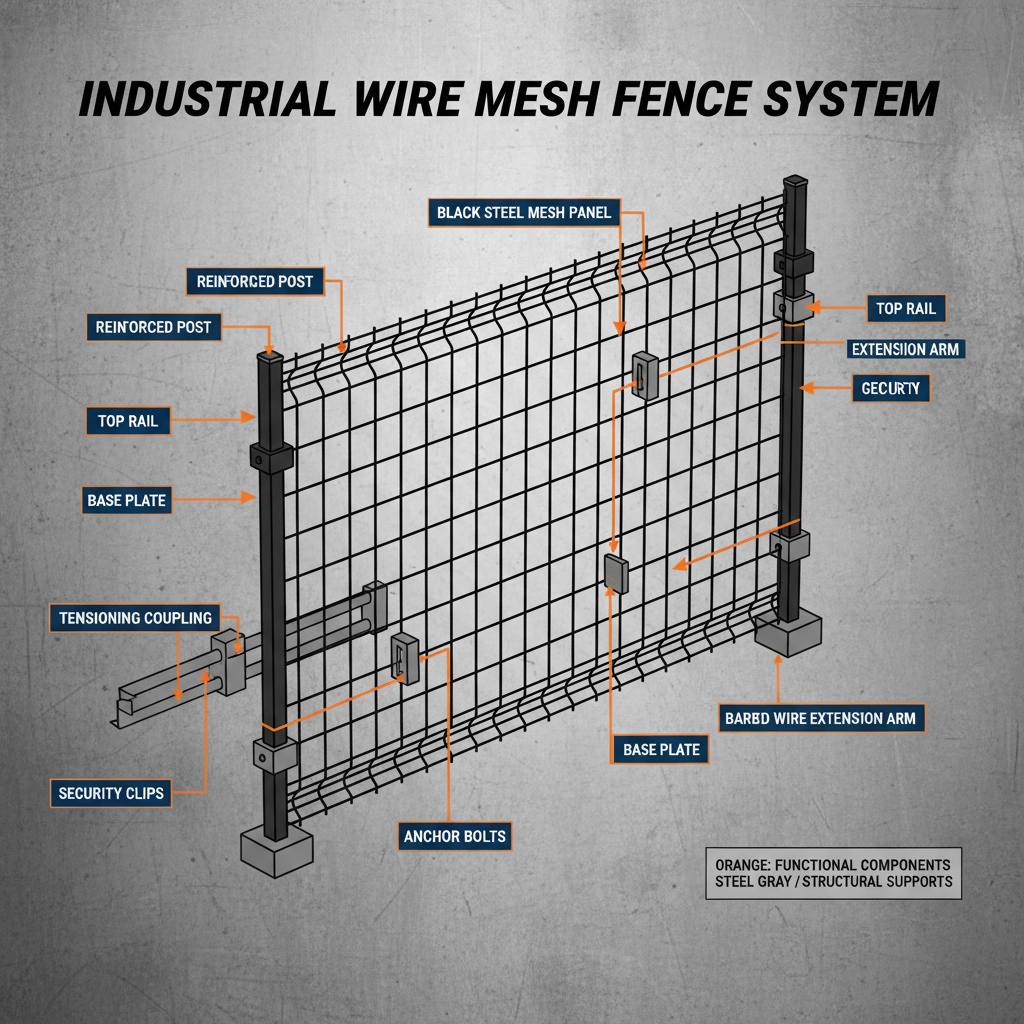
The foundation of any system is the posts – typically steel or concrete – providing the structural support. The mesh itself comes in various types – welded wire mesh, chain-link, and woven wire – each with its own strengths and weaknesses. Then you have the fixing accessories – brackets, clamps, and tension wires – used to secure the mesh to the posts.
Gates are obviously a critical component, and they need to be just as secure as the fencing itself. We often use heavy-duty gate hardware and locking mechanisms to prevent forced entry. And finally, don't forget the finishing touches – anti-climb devices, barbed wire, razor wire, and warning signs – all of which contribute to the overall deterrent effect.
Choosing the right combination of these components is essential for creating a robust and effective security solution. It's not a one-size-fits-all approach; it requires careful consideration of the specific security needs and the environmental conditions.
Summary of Wire Mesh Security Fencing Component Analysis
| Component Name |
Material Composition |
Durability Rating (1-10) |
Cost (USD per meter) |
| Steel Posts |
Galvanized Steel, Stainless Steel |
8 |
$20 - $50 |
| Welded Wire Mesh |
Low Carbon Steel |
7 |
$10 - $30 |
| Chain-Link Fabric |
Galvanized Steel Wire |
6 |
$8 - $20 |
| Gate Hardware |
Steel, Aluminum |
9 |
$30 - $100 |
| Barbed Wire |
High Tensile Steel |
7 |
$5 - $15 |
| Razor Wire |
Stainless Steel |
9 |
$10 - $25 |
FAQS
The lifespan of wire mesh security fencing varies greatly depending on the materials used, the environmental conditions, and the level of maintenance provided. Galvanized steel fencing can last 15-20 years with proper care. Stainless steel offers a significantly longer lifespan, often exceeding 30 years. Regular inspections, cleaning, and re-coating (if applicable) are crucial for maximizing longevity. Ignoring maintenance can lead to corrosion and premature failure, significantly reducing the system’s effectiveness.
High winds pose a significant challenge to any fencing system. Wire mesh fencing, when properly installed with strong posts and secure tensioning, can withstand considerable wind loads. However, factors like mesh aperture size and the surrounding terrain influence performance. Using a denser mesh and ensuring proper post spacing can increase wind resistance. In extremely high-wind areas, it’s essential to consult with a structural engineer to ensure the system is adequately designed to withstand the anticipated forces.
Basic chain-link fencing is relatively easy to climb, but modern wire mesh security fencing is designed to deter climbers. Smaller mesh apertures, welded mesh panels, and the addition of anti-climb features like barbed wire or razor wire make scaling the fence much more difficult and dangerous. The height of the fence also plays a crucial role. A taller fence is inherently harder to climb. It’s important to choose a system that is appropriate for the level of security required.
Regular maintenance is key to ensuring the long-term effectiveness of wire mesh security fencing. This includes inspecting the fence for damage, such as cuts, tears, or loose connections. Removing vegetation that grows against the fence is also important, as it can provide a foothold for climbers. For galvanized steel fencing, periodic re-coating may be necessary to prevent corrosion. Stainless steel requires less maintenance but should still be inspected regularly for signs of wear and tear.
Wire mesh fencing is significantly more cost-effective than concrete walls. The material costs are lower, and installation is typically faster and less labor-intensive. While concrete walls offer a higher level of physical security, they are often overkill for many applications. Wire mesh fencing provides a good balance of security, cost, and aesthetics, making it a popular choice for a wide range of projects. The total cost will depend on the height, length, and materials used.
Yes, wire mesh fencing can be used in environmentally sensitive areas with careful planning. Choosing materials with low environmental impact, such as recycled steel or PVC-coated mesh, can minimize the ecological footprint. Avoiding disturbance to sensitive habitats during installation is also important. Furthermore, the fencing can be designed to allow for wildlife passage, ensuring that it does not impede natural movement patterns.
Conclusion
In conclusion, wire mesh security fencing remains a vital component of modern security infrastructure, offering a compelling blend of cost-effectiveness, durability, and adaptability. From protecting critical assets to securing communities, its applications are vast and continue to evolve. The move towards smarter, more sustainable, and integrated security solutions will further solidify its importance in the years to come.
Looking ahead, a proactive approach to maintenance, coupled with the adoption of innovative technologies, will be key to maximizing the value of wire mesh security fencing. Don't underestimate the power of a well-designed and properly installed system to deter intruders, protect assets, and provide peace of mind. For expert advice and high-quality solutions, visit our website: www.fencingwiremesh.com