
Understanding and Utilizing Electronic Sound Barriers
In today's increasingly noisy world, effectively managing sound pollution is paramount. Whether it’s for industrial settings, construction zones, or even residential areas, controlling noise levels is vital for health, safety, and quality of life. Electronic sound barriers represent a cutting-edge solution, offering dynamic and adaptable noise control. This article explores the technology, benefits, applications, and considerations when implementing this sophisticated noise reduction system. We will cover how these systems work, where they excel, and what factors influence their effectiveness.
How Electronic Sound Barriers Work: The Science Behind the Silence
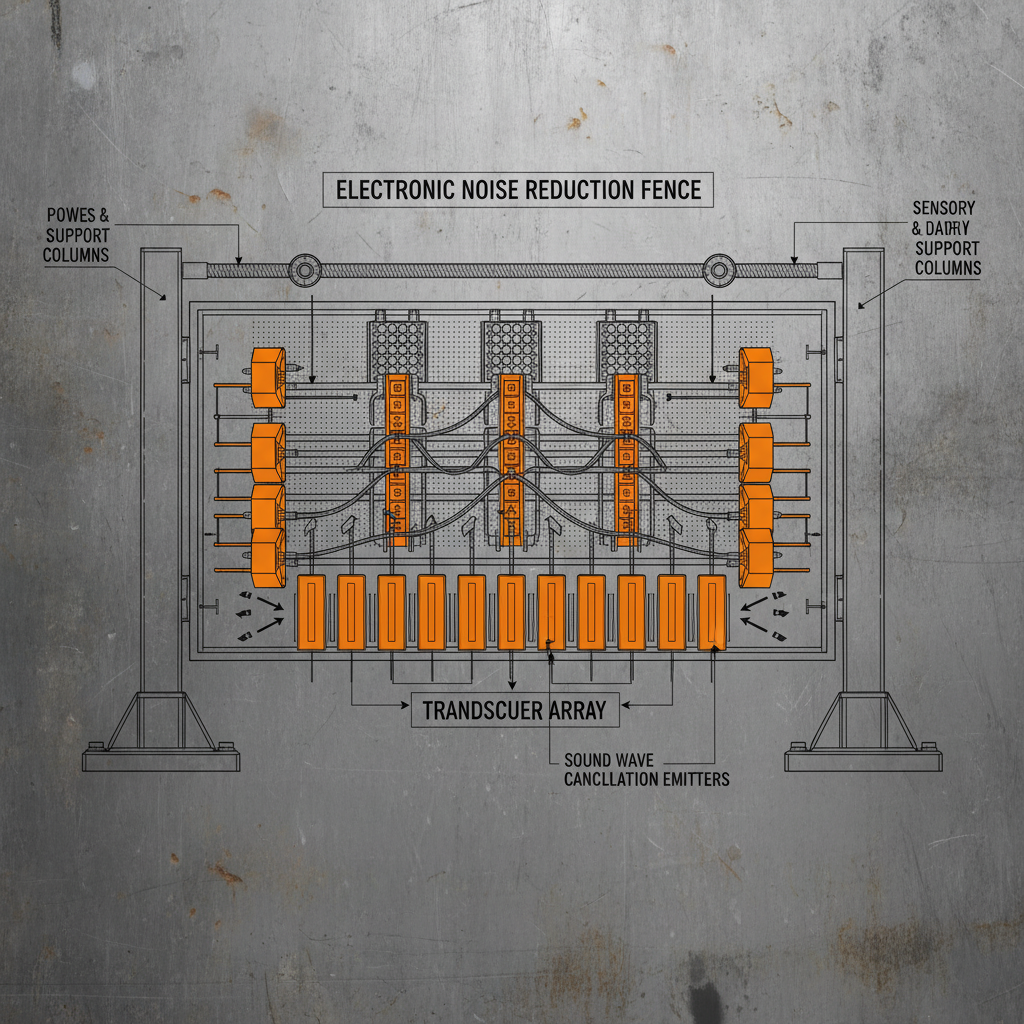
Unlike traditional physical barriers, which rely on blocking sound waves, electronic sound barriers utilize a principle called active noise control (ANC). This technology employs microphones to detect incoming noise, then generates a “anti-noise” signal – a sound wave with the same amplitude but inverted phase. When the noise and anti-noise waves combine, they destructively interfere, effectively canceling each other out. The system continuously monitors and adjusts the anti-noise signal to adapt to changing noise conditions. This offers a far more flexible and effective solution than static barriers, especially in dynamic environments. Electronic sound barriers are revolutionizing noise control.
Key Highlights: Active Noise Control utilizes microphones to detect incoming noise and generate an "anti-noise" signal to effectively cancel sound waves.
Applications of Electronic Sound Barriers: Diverse Industries Benefiting from Noise Reduction
The applications for electronic sound barriers are remarkably diverse. Industries such as construction, manufacturing, transportation, and even healthcare are leveraging this technology. Construction sites can significantly reduce noise complaints from neighboring communities. Manufacturing plants can improve worker safety and reduce hearing damage. Airports can mitigate noise pollution from aircraft. Even in residential settings, these barriers can be used to create quieter environments along highways or near industrial areas. The adaptability of these systems makes them ideal for a wide range of noise reduction challenges. Fencing Wire Mesh provides tailored solutions for diverse needs.
Application Areas:
• Construction Sites
• Manufacturing Plants
• Airports and Transportation Hubs
• Residential Areas Near Noise Sources
Electronic Sound Barriers vs. Traditional Barriers: A Comparative Analysis
Traditional noise barriers, like walls and earth berms, offer a passive approach to noise reduction. While effective at blocking direct sound paths, they are often expensive, require significant space, and don’t adapt to changing conditions. Electronic sound barriers, on the other hand, provide a dynamic and flexible solution. They can be adjusted to target specific frequencies and noise sources. While the initial investment may be higher, the long-term benefits, including reduced space requirements and superior noise control, often outweigh the costs. The ability to target specific frequencies is a significant advantage for complex noise environments.
Factors Influencing the Effectiveness of Electronic Sound Barriers
Several factors can impact the performance of an electronic sound barrier. The distance between the noise source and the barrier is crucial. Closer proximity generally yields better results. The complexity of the noise source also plays a role. Highly chaotic or intermittent noise may be more difficult to cancel effectively. Wind conditions can interfere with the accuracy of the microphone system, requiring advanced algorithms to compensate. Finally, the quality and calibration of the equipment are essential for optimal performance. Proper installation and maintenance by qualified professionals are vital. Contact us to learn more about optimizing your setup.
Future Trends in Electronic Sound Barrier Technology
The field of active noise control is rapidly evolving. Future developments include more sophisticated algorithms that can handle complex noise environments, smaller and more energy-efficient systems, and integration with smart city technologies. We're also seeing increased use of beamforming technology, which allows for more precise targeting of noise sources. The combination of artificial intelligence and machine learning promises even more adaptive and effective noise control solutions in the years to come. Fencing Wire Mesh is committed to staying at the forefront of these advancements.
Conclusion: Embracing the Future of Noise Control
Electronic sound barriers offer a powerful and adaptable solution for managing noise pollution in a variety of settings. Their ability to dynamically adjust to changing conditions, target specific frequencies, and minimize space requirements makes them a compelling alternative to traditional barriers. By investing in this innovative technology, organizations can create safer, more comfortable, and more productive environments. Fencing Wire Mesh provides custom-engineered solutions to meet your specific noise control needs.
Frequently Asked Questions (FAQs)
What types of noise are electronic sound barriers most effective against?
Electronic sound barriers excel at reducing consistent, low-frequency noise, such as that generated by machinery, traffic, or HVAC systems. They are less effective against impulsive or highly variable noise sources like explosions or sudden impacts. The system's effectiveness also depends on the distance between the noise source and the barrier. The system works by creating an inverse sound wave to cancel out the initial sound, making consistent sound patterns ideal for cancellation.
How much maintenance do electronic sound barriers require?
Electronic sound barriers require relatively minimal maintenance. Regular checks of the microphone and speaker systems are recommended to ensure optimal performance. Dust and debris should be removed periodically. Calibration of the system may be necessary every 6-12 months to maintain accuracy. Professional inspection and maintenance are advised to ensure the longevity and effectiveness of the system.
Are electronic sound barriers environmentally friendly?
Yes, electronic sound barriers are considered environmentally friendly compared to traditional barriers. They require less material and space, reducing the environmental impact of construction. They also consume relatively low amounts of energy. By reducing noise pollution, they contribute to a healthier and more livable environment for both humans and wildlife.
What is the typical cost of installing an electronic sound barrier?
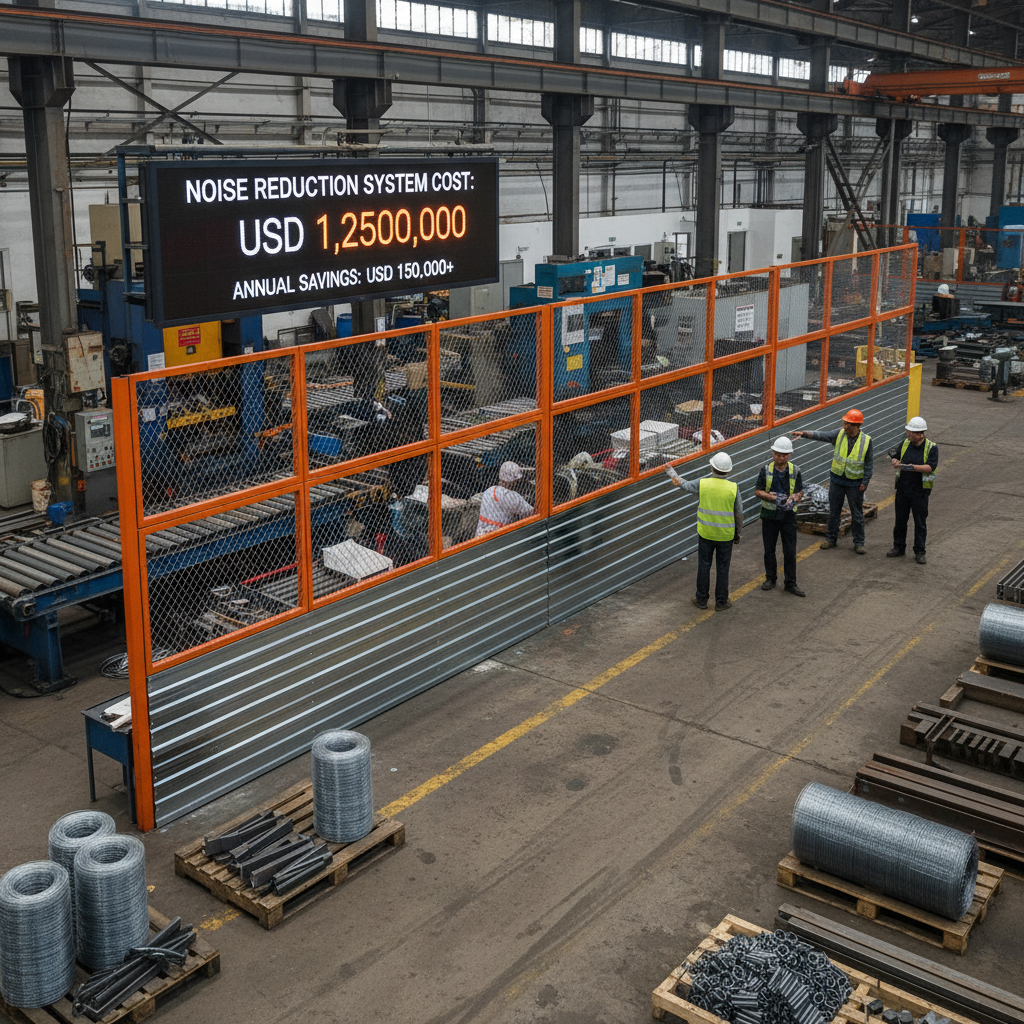
The cost of installing an electronic sound barrier varies significantly depending on the size of the area, the complexity of the noise environment, and the specific features required. Factors such as the number of microphones and speakers, the processing power of the control system, and the installation environment all contribute to the overall cost. For a detailed quote tailored to your specific needs, contact Fencing Wire Mesh for a consultation.