
Soundproof Barrier Outdoor: A Comprehensive Guide
In today's increasingly noisy world, creating peaceful outdoor spaces is more important than ever. A soundproof barrier outdoor offers an effective solution for mitigating unwanted noise pollution from sources like traffic, construction, or industrial activity. This article will explore the benefits of outdoor sound barriers, the different types available, installation considerations, and how to choose the right solution for your needs. Effective noise control enhances quality of life, improves property values, and promotes a healthier environment. We’ll help you understand how to make the best choice for your specific situation.
Understanding the Benefits of Outdoor Sound Barriers
The primary benefit of a soundproof barrier outdoor is, naturally, noise reduction. But the advantages extend beyond simply making your space quieter. Reducing noise pollution leads to improved sleep quality, reduced stress levels, and enhanced concentration. For businesses, a sound barrier can create a more comfortable working environment for employees and a more pleasant experience for customers. Moreover, property values often increase in areas with effective noise mitigation. A well-designed barrier can also provide a visual screen, adding privacy and aesthetic appeal to your property.
Key Benefits: Improved sleep, reduced stress, increased concentration, enhanced property value, privacy, and aesthetic appeal.
Types of Soundproof Barriers for Outdoor Use
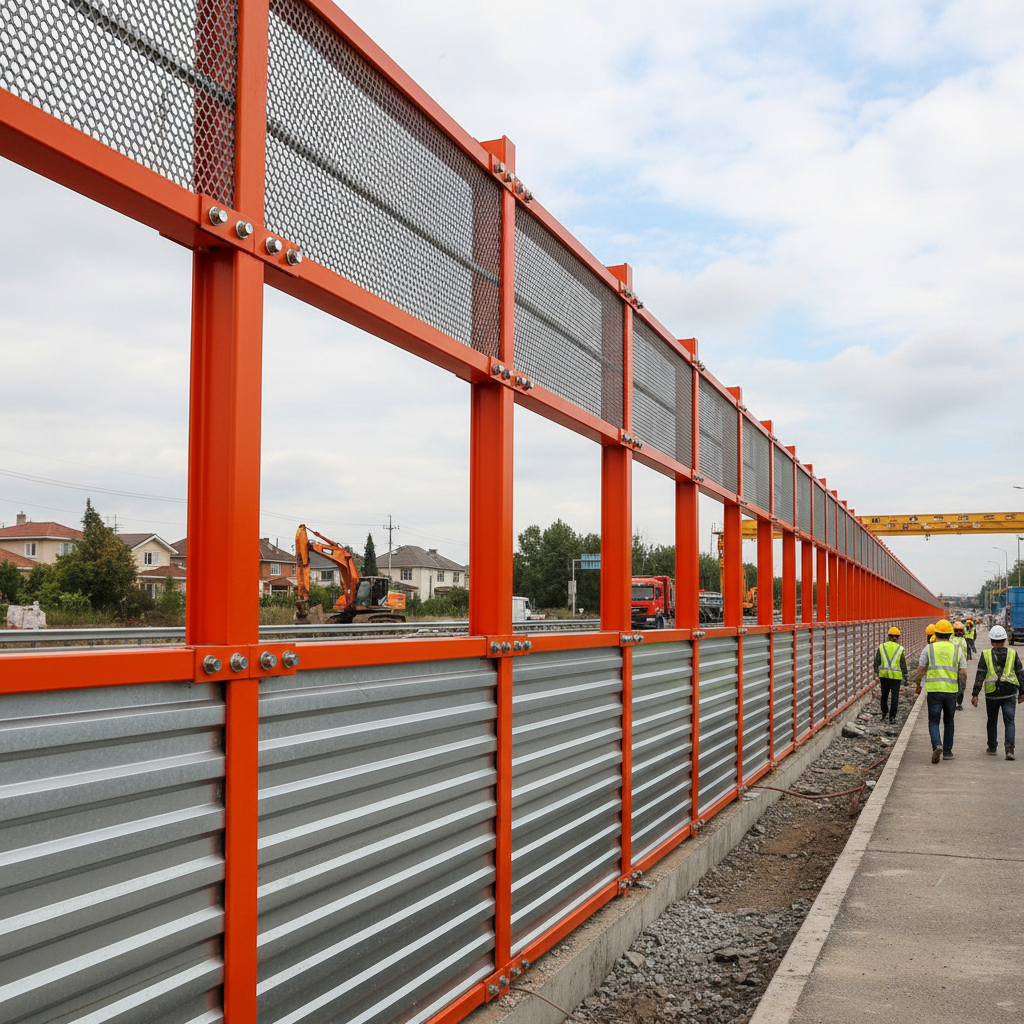
Several types of materials and construction methods are used to create effective outdoor sound barriers. Common options include concrete walls, earth berms, wood fences, and specialized sound barrier panels. Concrete walls offer excellent noise reduction but can be costly and visually imposing. Earth berms, while natural and aesthetically pleasing, require significant space. Wood fences provide some noise reduction but are less effective than concrete or specialized panels. Sound barrier panels, often made from recycled materials, offer a balance of effectiveness, cost, and aesthetics. Choosing the right type depends on your specific noise reduction requirements, budget, and site conditions. Fencing Wire Mesh specializes in high-quality sound barrier panels designed for effective noise control.
Common Sound Barrier Materials:
• Concrete Walls: Highest noise reduction, highest cost
• Earth Berms: Natural, requires large space
• Wood Fences: Moderate noise reduction, cost-effective
• Sound Barrier Panels: Good balance of cost and effectiveness
Comparing Sound Reduction Capabilities
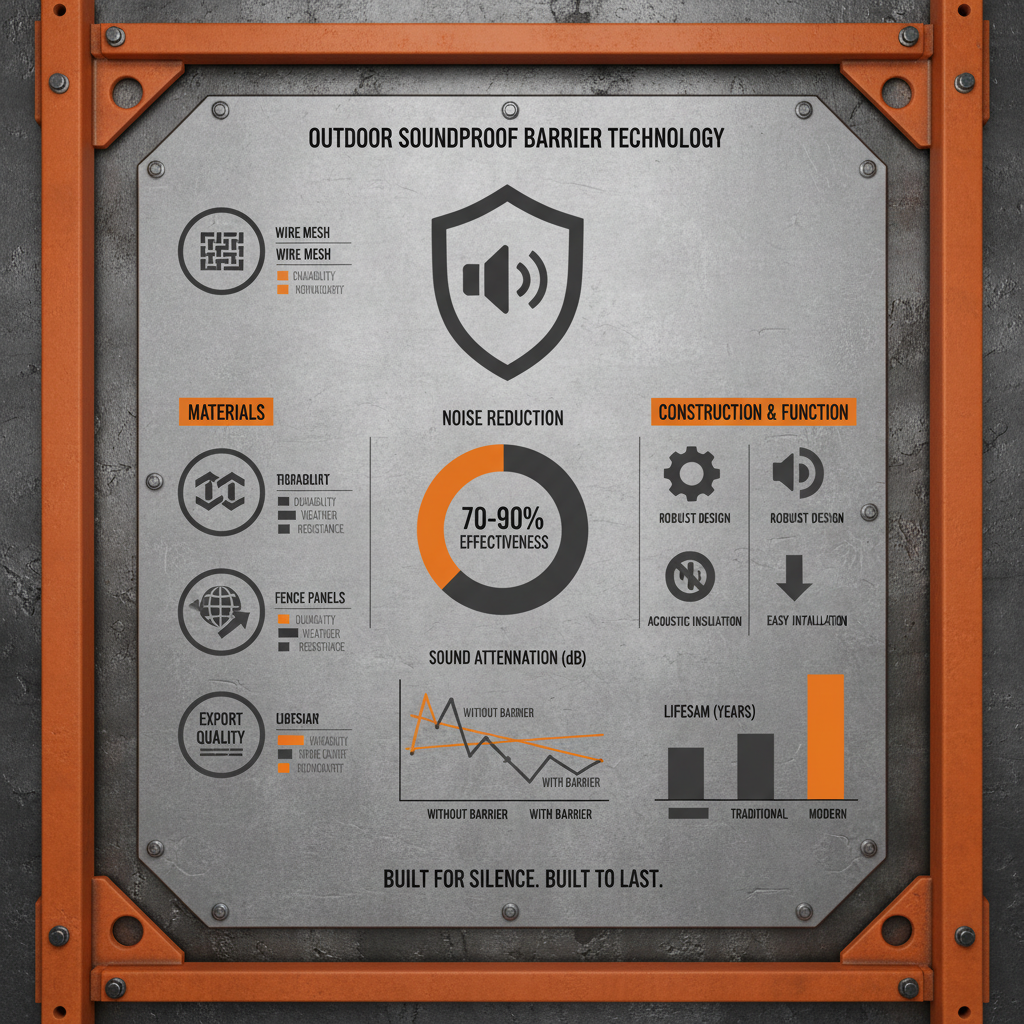
The effectiveness of a soundproof barrier outdoor is measured in decibels (dB) of noise reduction. Different materials and designs offer varying levels of performance. Factors like height, length, and density all contribute to the overall sound reduction capability. Generally, heavier and denser materials provide better noise reduction. The distance between the noise source and the barrier also plays a crucial role – the closer the barrier, the more effective it will be. Proper installation and sealing of gaps are essential to maximize performance.
Installation Considerations for a Soundproof Barrier Outdoor
Proper installation is crucial for maximizing the effectiveness of your sound barrier. The barrier should be as close to the noise source as possible and extend beyond the area you want to protect. Ensure there are no gaps or openings where sound can leak through. For panel systems, secure mounting to sturdy posts is essential. Consider local building codes and regulations before starting installation. Professional installation is recommended for more complex systems, such as concrete walls or earth berms. Fencing Wire Mesh offers installation services and guidance to ensure optimal performance.
Choosing the Right Soundproof Barrier for Your Needs
Selecting the appropriate soundproof barrier outdoor requires careful consideration of several factors. Assess the level of noise reduction needed, your budget, the aesthetic requirements, and the site conditions. Consider the long-term maintenance requirements of different materials. For example, wood fences may require regular painting or staining, while concrete walls are relatively low-maintenance. Contacting a sound barrier specialist can provide valuable guidance and help you choose the best solution for your specific situation.
Conclusion: Reclaim Your Peace with an Outdoor Sound Barrier
Investing in a soundproof barrier outdoor is an investment in your well-being and quality of life. By effectively mitigating noise pollution, you can create a more peaceful and enjoyable environment for yourself, your family, or your business. With a variety of options available, finding the right solution to meet your specific needs is achievable. Don't let unwanted noise detract from your enjoyment of your outdoor space.
Frequently Asked Questions (FAQs)
How tall should a sound barrier be to be effective?
The optimal height of a sound barrier depends on the distance to the noise source and the desired level of noise reduction. Generally, a barrier that allows a clear line of sight to the noise source is less effective. Ideally, the barrier should be high enough to block the direct sound path. An 8-foot tall barrier is often a good starting point for residential applications, but higher barriers may be necessary for more significant noise reduction. Professional assessment is recommended for complex situations.
What materials are best for absorbing sound?
Dense and massive materials are best for blocking sound transmission. Concrete, brick, and dense wood are effective choices. Sound absorption is improved by using materials with a porous structure, such as fiberglass or acoustic foam, often used within the barrier structure. While a solid wood fence will block some sound, adding an absorptive layer on the noise-facing side can significantly enhance its performance.
Are there any permits required for installing a sound barrier?
Yes, in many jurisdictions, permits are required for installing sound barriers, especially those exceeding a certain height. Local building codes may regulate the height, materials, and placement of barriers. It’s crucial to check with your local authorities before starting any construction to ensure compliance and avoid potential fines or legal issues. Fencing Wire Mesh can often provide guidance on local regulations.
How effective are sound barrier panels compared to other options?
Sound barrier panels offer a good balance between cost, effectiveness, and aesthetics. While concrete walls generally provide the highest noise reduction, they are expensive and visually intrusive. Earth berms require significant space. Sound barrier panels can achieve 20-30 dB of noise reduction, making them a practical solution for many residential and commercial applications. They are also relatively easy to install and can be customized to blend with the surrounding environment.