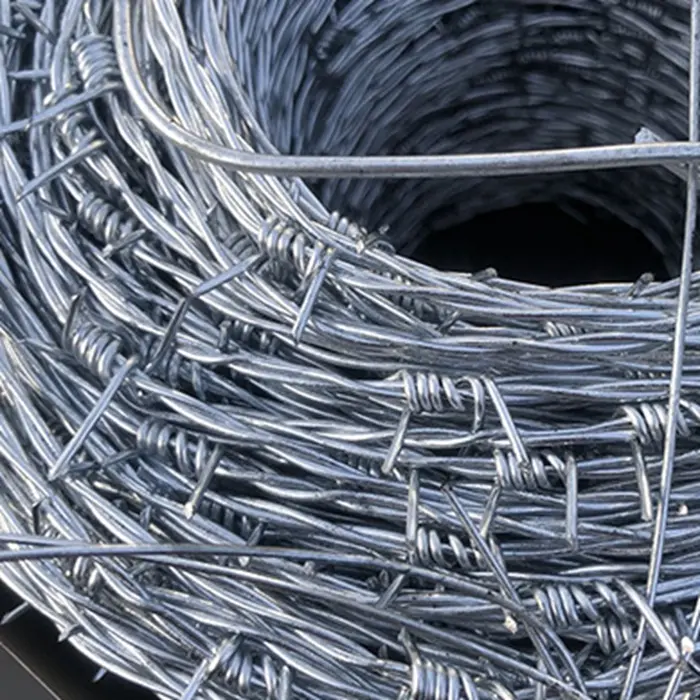

Understanding Sound Barrier Systems
In today’s increasingly noisy world, effective sound barrier systems are crucial for mitigating noise pollution and creating more peaceful environments. Whether it’s along highways, industrial sites, or residential areas, these systems play a vital role in protecting communities and improving quality of life. This article will delve into the various types of sound barriers, their applications, and factors to consider when choosing the right system. Understanding these systems helps ensure effective noise reduction and compliance with environmental regulations.
Types of Sound Barrier Systems
Sound barrier systems come in a variety of materials and configurations, each with its own advantages and disadvantages. Common types include concrete walls, earth berms, wooden fences, and specialized noise barrier panels. Concrete walls are highly effective but can be visually intrusive. Earth berms offer a more natural aesthetic but require significant land area. Wooden fences are cost-effective but offer limited noise reduction. Modern noise barrier panels, often made from recycled materials or composite materials, strike a balance between performance, aesthetics, and cost. The best choice depends on site-specific conditions and noise reduction requirements.
Key Considerations: Choosing the right sound barrier system involves assessing noise levels, budget constraints, aesthetic preferences, and local regulations.
Applications of Sound Barrier Systems
Sound barriers are used in a wide array of applications, including along highways and railways to protect nearby residents from traffic noise. Industrial facilities utilize them to minimize noise impact on surrounding communities. Residential developments employ sound barriers to create quieter living spaces. Construction sites often implement temporary sound barriers to comply with local noise ordinances. Airports also use these systems to mitigate aircraft noise. In essence, any environment where noise pollution is a concern can benefit from a well-designed sound barrier system.
Application Areas:
• Highways & Railways
• Industrial Sites
• Residential Areas
• Construction Sites
• Airports
Comparing Common Sound Barrier Materials
Selecting the appropriate material for a sound barrier system is crucial for optimal performance. Different materials offer varying levels of noise reduction, durability, and aesthetic appeal. Below is a comparison of some common materials:
Factors Influencing Sound Barrier Effectiveness
The effectiveness of a sound barrier isn’t solely determined by the material. Several other factors play a crucial role. These include the height of the barrier, its length, its distance from the noise source and receiver, and the presence of any gaps or flanking paths for sound to travel through. A taller barrier generally provides greater noise reduction. Longer barriers effectively block more sound waves. Minimizing gaps and flanking paths is essential for maximizing performance. Careful planning and design are crucial for achieving optimal results.
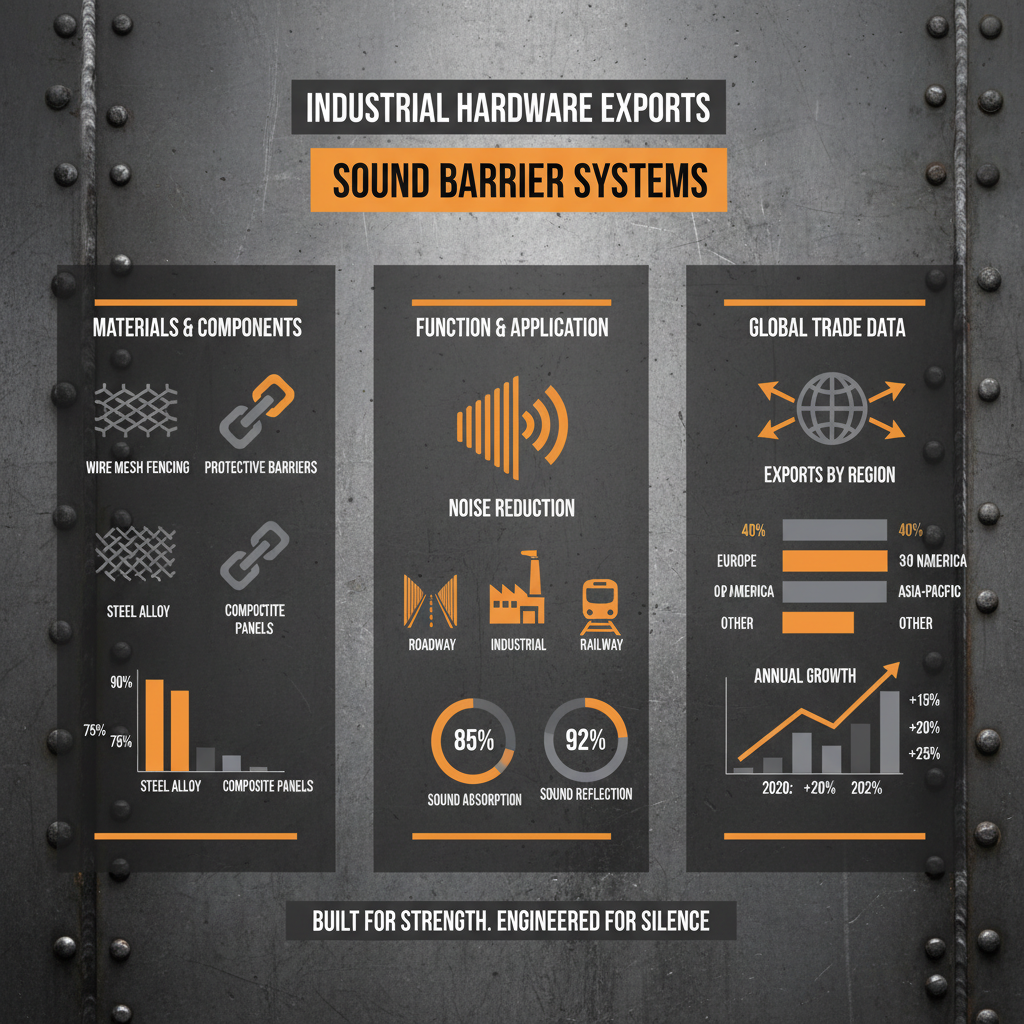
Regulatory Compliance and Standards
Sound barrier systems are often subject to local and national regulations aimed at protecting public health and the environment. These regulations typically specify noise level limits and requirements for sound barrier design and construction. It is essential to ensure that any proposed sound barrier system complies with all applicable standards. Common standards include those set by environmental protection agencies and transportation authorities. Working with experienced professionals who understand these regulations is crucial for a successful project. You can find related products on Fencing Wire Mesh.
Conclusion: Creating Quieter Environments
Effective sound barrier systems are essential for mitigating noise pollution and improving quality of life. By understanding the different types of systems, their applications, and the factors that influence their effectiveness, communities can create quieter and more peaceful environments. Investing in well-designed and properly installed sound barriers is a worthwhile endeavor for protecting public health and preserving the tranquility of our surroundings.
Frequently Asked Questions (FAQs)
What is the typical noise reduction achieved by a sound barrier?
The noise reduction provided by a sound barrier varies depending on several factors, including the barrier's height, material, and length, as well as the frequency of the noise source and the distance between the source, barrier, and receiver. Generally, a well-designed sound barrier can reduce noise levels by 5 to 15 decibels (dB). A 10 dB reduction is often perceived as a halving of the sound volume. Factors like gaps in the barrier or flanking paths can significantly reduce its effectiveness. Proper design and installation are crucial to maximize noise reduction.
How does the height of a sound barrier affect its performance?
The height of a sound barrier is a critical factor in its effectiveness. A taller barrier provides greater noise reduction, as it blocks more of the direct sound path. However, the relationship isn’t linear. Increasing the height yields diminishing returns. Often, barriers between 10 and 15 feet tall provide a good balance between performance and cost. For lower-frequency sounds, even taller barriers may be necessary. It's also important to ensure the barrier is tall enough to block the line of sight between the noise source and the receiver.
Are sound barriers visually appealing?
Historically, sound barriers were often considered visually unappealing, particularly concrete walls. However, modern sound barrier designs are increasingly incorporating aesthetic considerations. Materials like composite panels and wood can offer a more natural and attractive appearance. Landscaping and architectural treatments can also be used to integrate sound barriers into the surrounding environment. The goal is to provide effective noise reduction without creating a visual blight.
What maintenance is required for a sound barrier?
The maintenance requirements for a sound barrier depend on the material used. Concrete barriers generally require minimal maintenance, although they may need occasional cleaning or repairs to address cracks or damage. Wood barriers require more frequent maintenance, including painting or staining to protect against weathering. Composite panels typically require minimal maintenance. Regular inspections are important to identify and address any potential problems promptly, ensuring the barrier continues to perform effectively.