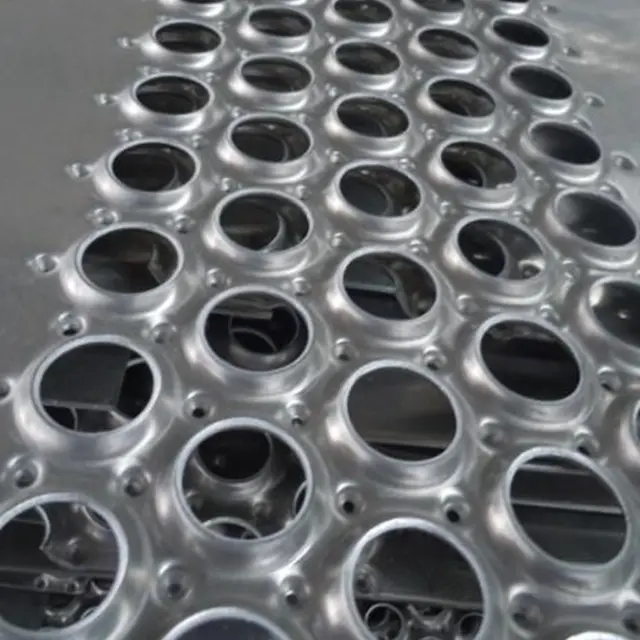

Understanding the Noise Barrier Cost: A Comprehensive Guide
Controlling noise pollution is crucial for both health and productivity, and noise barriers are a frequently employed solution. However, the cost of a noise barrier can vary significantly depending on several factors. This article will break down the components of noise barrier cost, explore different material options, provide cost estimates, and offer insights to help you make an informed decision. Whether you're addressing highway noise, industrial sound, or residential concerns, understanding the price factors is key to effective noise mitigation.
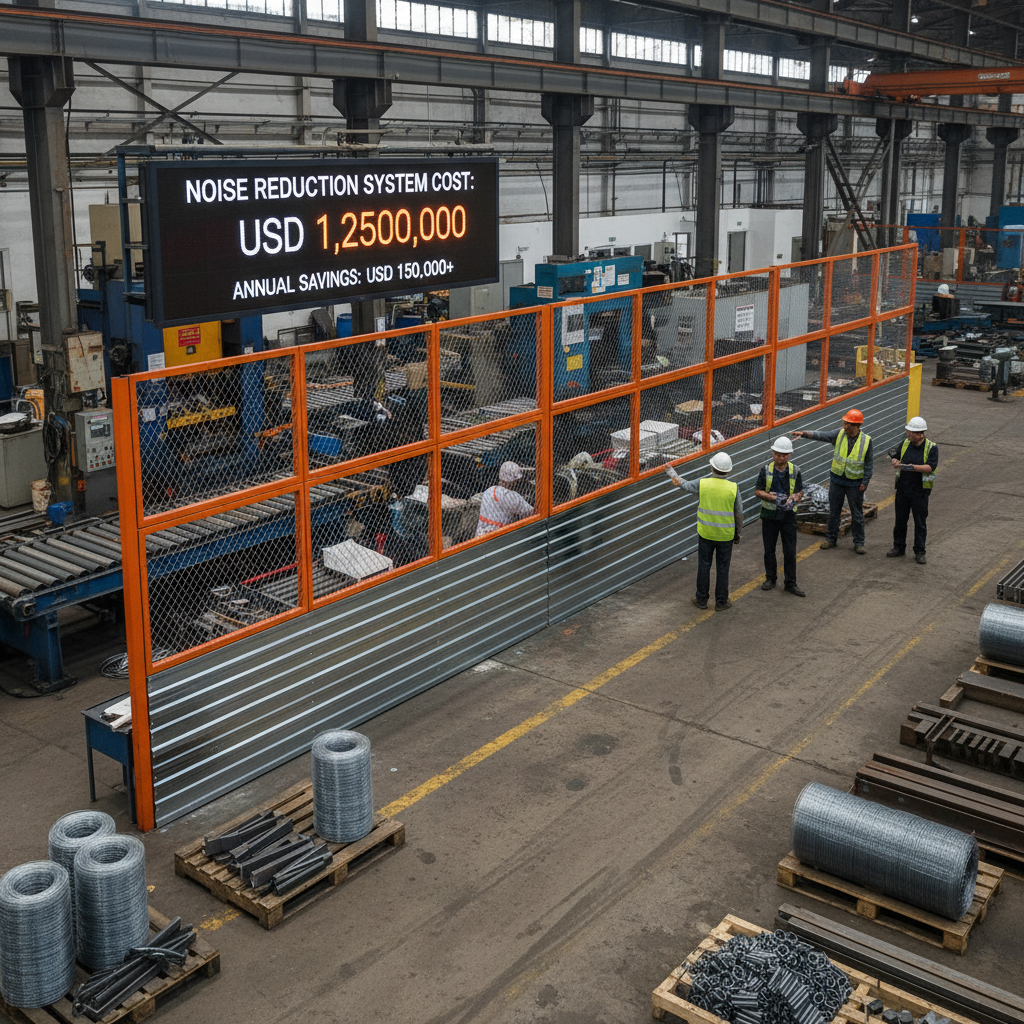
Factors Influencing Noise Barrier Cost
Several factors contribute to the overall noise barrier cost. These include the length and height of the barrier, the chosen materials, site preparation requirements, labor costs, and any necessary permits or engineering fees. Longer and taller barriers naturally require more materials and labor, increasing the expense. Difficult site conditions, such as uneven terrain or the need for foundation work, can also add to the cost. The complexity of the design, and whether it is a temporary or permanent installation will also influence the price.
Key Cost Drivers: Length, Height, Materials, Site Conditions, Labor, Permits & Engineering.
Material Options and Their Associated Costs
The material used for your noise barrier has a significant impact on its price. Common materials include wood, concrete, vinyl, composite materials, and earth berms. Wood is often the most affordable option upfront, but it requires regular maintenance and has a shorter lifespan. Concrete is durable but can be expensive and visually unappealing. Vinyl is a cost-effective and low-maintenance alternative, while composite materials offer a balance of durability and aesthetics. Earth berms, while environmentally friendly, require significant land area and earthmoving costs.
Material Cost Comparison (Per Linear Foot):
• Wood: $20 - $50
• Vinyl: $30 - $70
• Concrete: $50 - $150
• Composite: $60 - $120
• Earth Berm (including excavation): $40 - $100+
Typical Noise Barrier Cost Estimates
Here's a breakdown of typical cost ranges, keeping in mind that these are estimates and can vary based on the specific project requirements. These estimates are per linear foot, including materials and basic installation. More complex installations or specialized materials will increase the price. Remember to factor in potential permitting and engineering costs, which can add 5-10% to the overall project budget.
Optimizing Cost: Design Considerations
Careful design can help minimize the noise barrier cost without compromising effectiveness. Consider the source of the noise and the areas requiring protection. A strategically placed barrier doesn't necessarily need to be continuous; gaps can be incorporated if they don't significantly reduce the barrier's overall performance. Furthermore, exploring pre-fabricated noise barrier panels can often be more cost-effective than custom-built solutions.
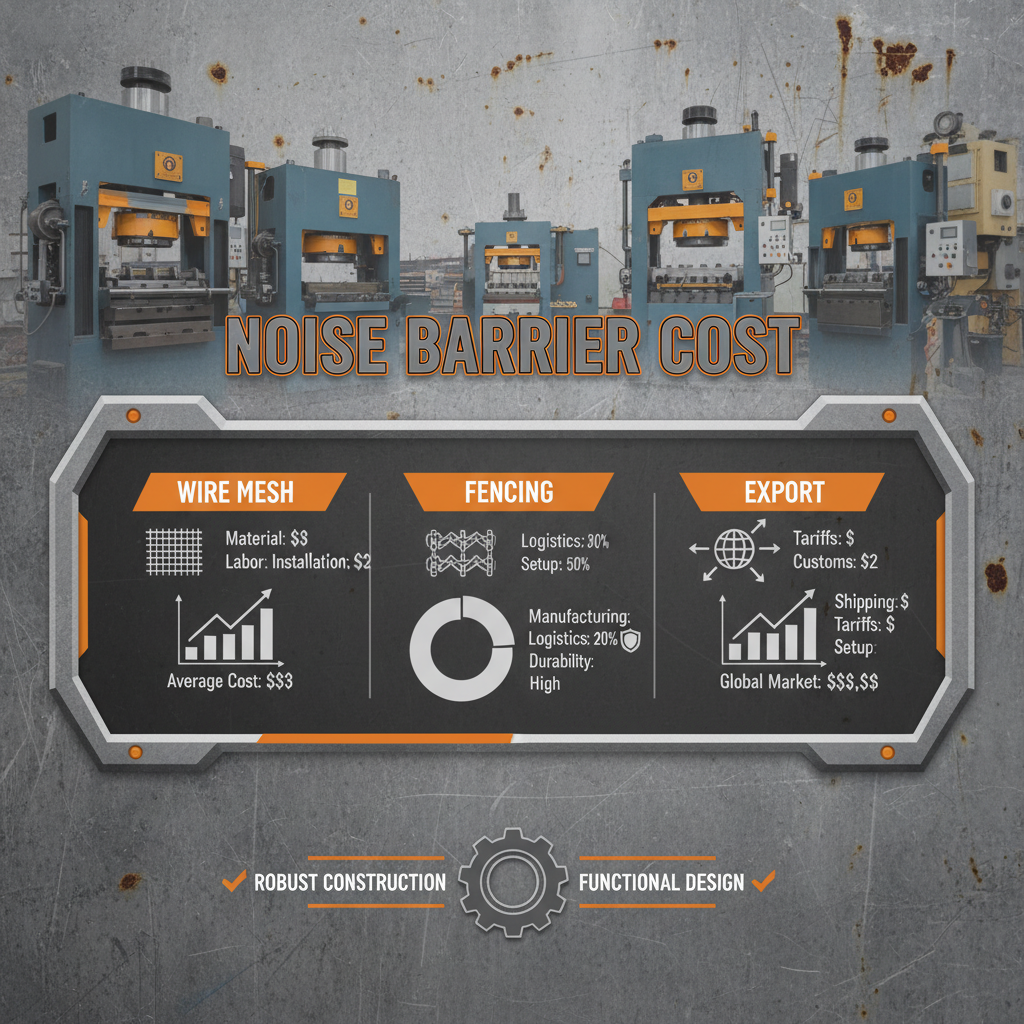
Finding the Right Solution with FencingWireMesh.com
At FencingWireMesh.com, we specialize in providing high-quality, cost-effective noise barrier solutions. We offer a variety of materials and configurations to meet your specific needs, and our experienced team can assist you with design, installation, and permitting. Contact us today for a free consultation and a customized quote. We're committed to helping you find the right solution to reduce noise pollution and improve your quality of life.
Conclusion: Investing in Quiet
Understanding the factors that influence noise barrier costs empowers you to make informed decisions. By carefully considering your needs, exploring material options, and working with a trusted partner like FencingWireMesh.com, you can achieve effective noise mitigation without breaking the bank.
Frequently Asked Questions (FAQs)
What permits are typically required for installing a noise barrier?
Permitting requirements vary significantly depending on your location and the height and length of the barrier. Generally, barriers over a certain height (often 6-8 feet) will require a building permit. You may also need to obtain permits related to zoning, environmental regulations, or homeowner association rules. It's crucial to check with your local planning and building department before starting any construction. Failure to obtain the necessary permits can result in fines or delays. FencingWireMesh.com can help you navigate the permitting process in many areas.
How effective are noise barriers at reducing sound levels?
The effectiveness of a noise barrier depends on several factors, including its height, length, material density, and the distance between the source and the receiver. Generally, a taller and longer barrier provides greater noise reduction. A solid, dense material is more effective than a lighter or more porous material. A typical noise barrier can reduce sound levels by 5-20 decibels, which can significantly improve sound quality. It's important to note that noise barriers block the direct line of sight between the source and the receiver, reducing sound transmission.
What is the lifespan of a typical noise barrier?
The lifespan of a noise barrier varies depending on the material used. Wood barriers typically last 10-20 years with proper maintenance. Vinyl barriers can last 20-30 years or more. Concrete barriers are the most durable and can last 50 years or longer. Composite barriers generally have a lifespan of 25-30 years. Regular inspections and maintenance, such as repairing damage and applying protective coatings, can extend the lifespan of any noise barrier.
Can noise barriers be aesthetically pleasing?
Absolutely! While traditionally, noise barriers were purely functional, modern designs prioritize aesthetics. Materials like vinyl and composite offer a range of colors and textures to blend with the surrounding environment. You can also incorporate landscaping, artwork, or decorative elements to enhance the visual appeal of the barrier. FencingWireMesh.com offers several aesthetically pleasing options.