
Understanding the Benefits of a Flexible Sound Barrier
In today’s increasingly noisy world, the need for effective sound control solutions is paramount. From industrial settings to residential areas, minimizing noise pollution is crucial for health, productivity, and overall quality of life. Flexible sound barriers offer a versatile and cost-effective solution to address a wide range of noise reduction challenges. This article will explore the features, applications, and benefits of these barriers, providing a comprehensive overview for those seeking effective noise control. We’ll look at why a flexible sound barrier is often superior to rigid alternatives.
What is a Flexible Sound Barrier?
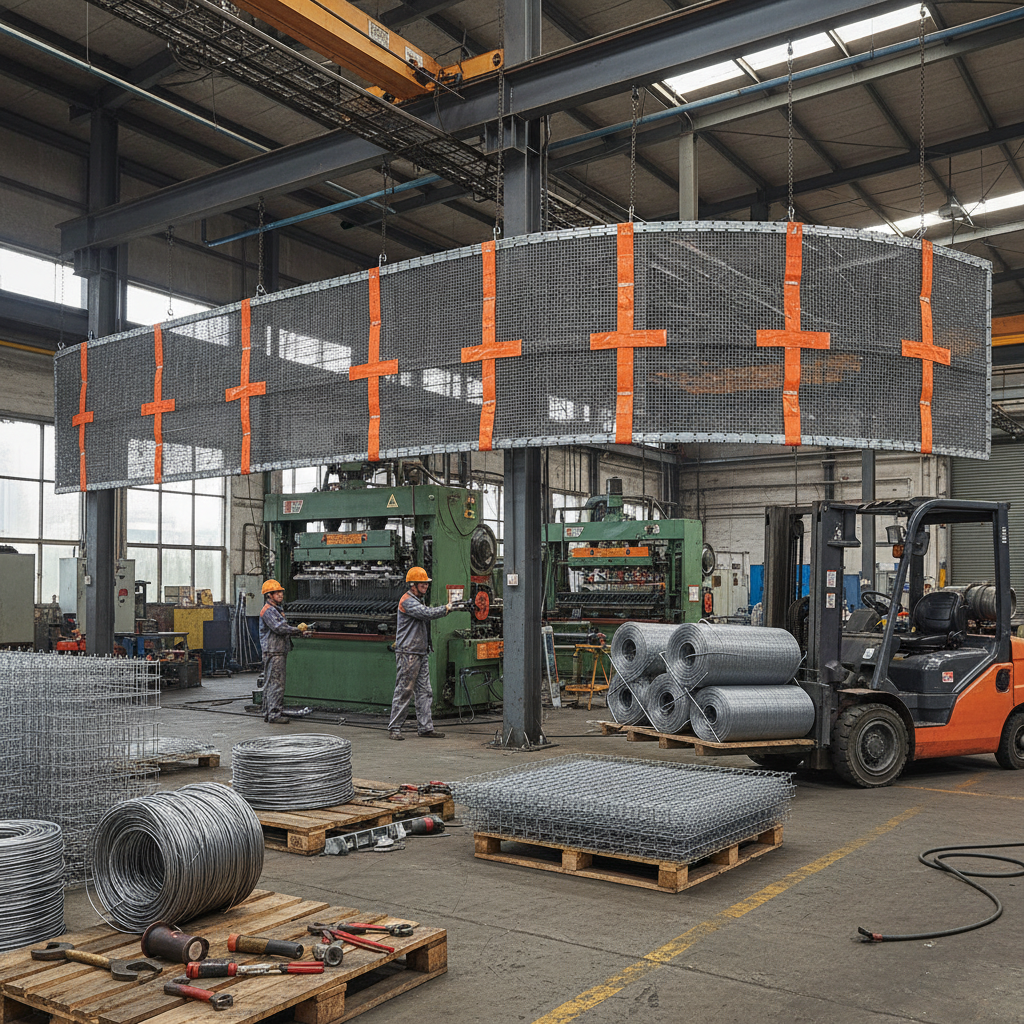
A flexible sound barrier is a noise control solution constructed from sound-absorbing materials encased in a pliable, durable outer layer. Unlike rigid barriers, these systems can conform to uneven surfaces, making them ideal for a wider range of applications. Typically, they utilize a mass-loaded vinyl (MLV) core combined with a fiberglass or mineral wool infill for optimal sound absorption. The flexibility allows for easier installation, particularly in areas where traditional barriers would be difficult or impossible to erect. They are commonly used in construction, mining, industrial facilities, and along transportation corridors. Choosing the correct flexible sound barrier greatly reduces noise levels.
Key Benefits: Easy installation, adaptable to irregular surfaces, high noise reduction capabilities, cost-effective compared to permanent structures.
Applications of Flexible Sound Barriers
The versatility of flexible sound barriers makes them suitable for a diverse array of applications. Construction sites frequently employ them to mitigate noise from heavy machinery and protect neighboring communities. Mining operations benefit from their ability to reduce noise pollution and ensure worker safety. Industrial facilities utilize them to isolate noisy equipment and create quieter work environments. Furthermore, they can be used along highways and railways to reduce traffic noise impacting residential areas. Temporary events, such as concerts and festivals, also utilize flexible barriers to comply with noise ordinances. Our sound barriers are used for a variety of applications.
Common Application Areas:
• Construction Sites
• Mining Operations
• Industrial Facilities
• Highways & Railways
• Temporary Events
Flexible Sound Barrier Performance: A Comparison
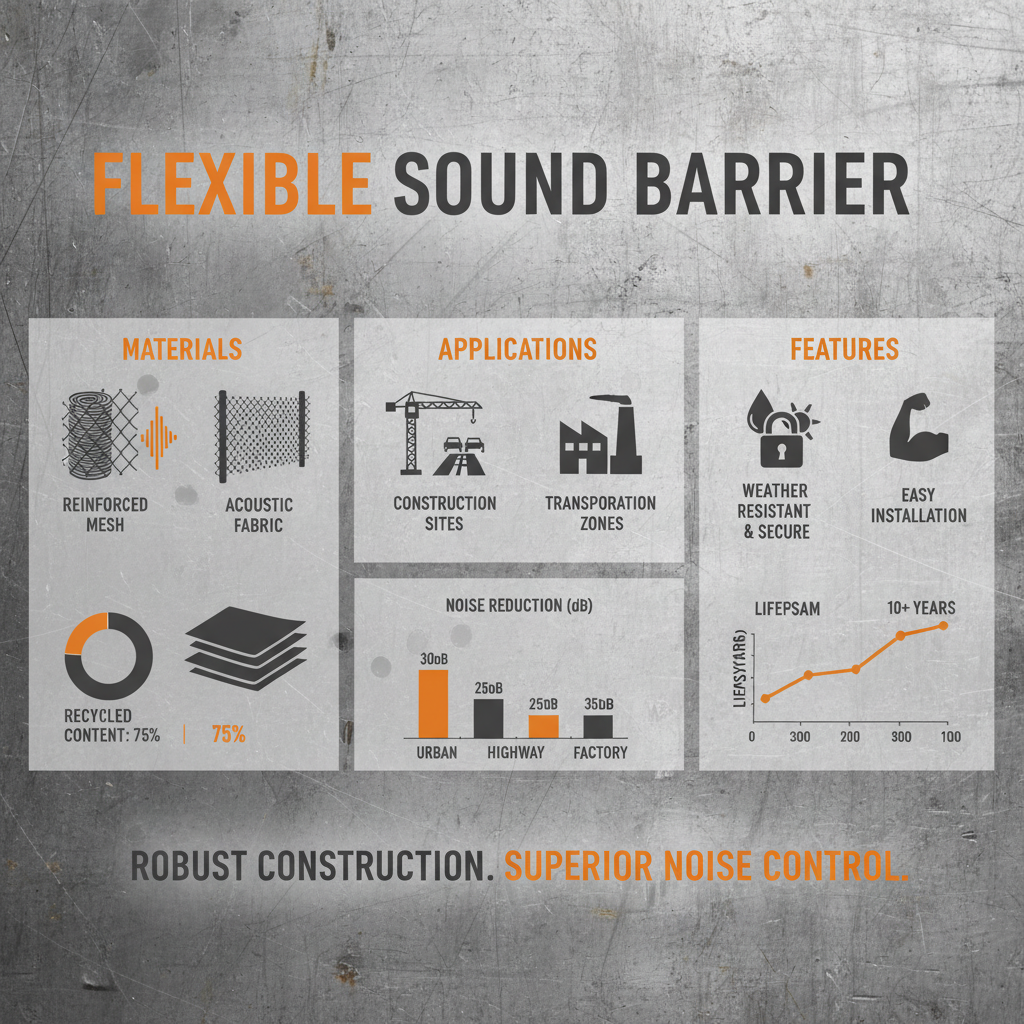
The effectiveness of a sound barrier is measured by its Sound Transmission Class (STC) rating. Higher STC values indicate greater sound reduction. Flexible sound barriers typically achieve STC ratings ranging from 25 to 35, depending on the material and thickness. The performance can also be influenced by installation quality and the frequency of the sound being blocked. Compared to traditional rigid barriers like concrete walls (STC 45-50), flexible barriers offer a more cost-effective solution for moderate noise reduction. While they may not block as much sound, their adaptability and ease of installation make them a practical choice for many scenarios.
Choosing the Right Flexible Sound Barrier
Selecting the appropriate flexible sound barrier depends on several factors, including the frequency and intensity of the noise, the surrounding environment, and budget constraints. Consider the height and length of the barrier needed to effectively block the sound. The material composition and thickness will also impact performance. Ensure the barrier is UV-resistant for outdoor applications and flame-retardant for safety. We offer a variety of options to meet your specific needs.
Benefits of Choosing Flexible Barriers from FencingWireMesh.com
At FencingWireMesh.com, we specialize in providing high-quality flexible sound barriers tailored to your specific requirements. Our barriers are constructed from durable, sound-absorbing materials and are designed for easy installation and long-lasting performance. We offer competitive pricing and excellent customer service. We also provide custom fabrication options to fit unique project needs. Investing in a quality sound barrier from us is an investment in a quieter, more productive, and healthier environment.
Conclusion: Effective Noise Control with Flexible Solutions
Flexible sound barriers represent a practical and cost-effective solution for a wide range of noise control challenges. FencingWireMesh.com offers a comprehensive selection of high-quality barriers to meet your needs. Contact us today to discuss your project and find the perfect solution for a quieter environment.
Frequently Asked Questions (FAQs)
What is the typical lifespan of a flexible sound barrier?
The lifespan of a flexible sound barrier depends on environmental factors like UV exposure, temperature fluctuations, and physical wear and tear. Generally, a well-maintained barrier can last between 5 to 10 years. Regular inspection for tears, punctures, or deterioration of the materials is crucial. UV-resistant materials significantly extend the lifespan. Our barriers are manufactured with durable, weather-resistant materials to ensure longevity. Proper storage during periods of non-use can also prolong the barrier's life. Replacing a damaged barrier is essential to maintain effective noise reduction.
Are flexible sound barriers fire-resistant?
Most flexible sound barriers, including those offered by FencingWireMesh.com, are manufactured with fire-retardant materials. However, it's important to check the specific fire rating of the product, often indicated by certifications like UL 94. While not completely fireproof, these barriers are designed to slow the spread of flames and minimize the risk of fire hazard. Using a fire-retardant barrier is particularly important in industrial settings or areas with potential ignition sources. Always consult local fire safety regulations to ensure compliance.
Can flexible sound barriers be cut to custom sizes?
Yes, flexible sound barriers can typically be cut to custom sizes using heavy-duty scissors, a utility knife, or a circular saw with a fine-tooth blade. However, it's essential to take proper safety precautions, including wearing gloves and eye protection. Cutting the barrier may slightly reduce its STC rating, so it's important to plan carefully and minimize waste. We also offer custom fabrication services to provide barriers pre-cut to your exact specifications, ensuring optimal performance and a professional finish.