
Understanding and Selecting External Noise Barriers
In today's increasingly noisy world, mitigating noise pollution is critical for both environmental health and human well-being. External noise barriers play a vital role in reducing noise levels from sources like highways, industrial sites, and railways. This article will delve into the world of noise barriers, exploring their types, materials, effectiveness, and how to choose the right solution for your specific needs. Effective noise control improves quality of life, protects hearing health, and reduces stress. We'll cover everything you need to know to make informed decisions about noise barrier implementation.
Types of External Noise Barriers
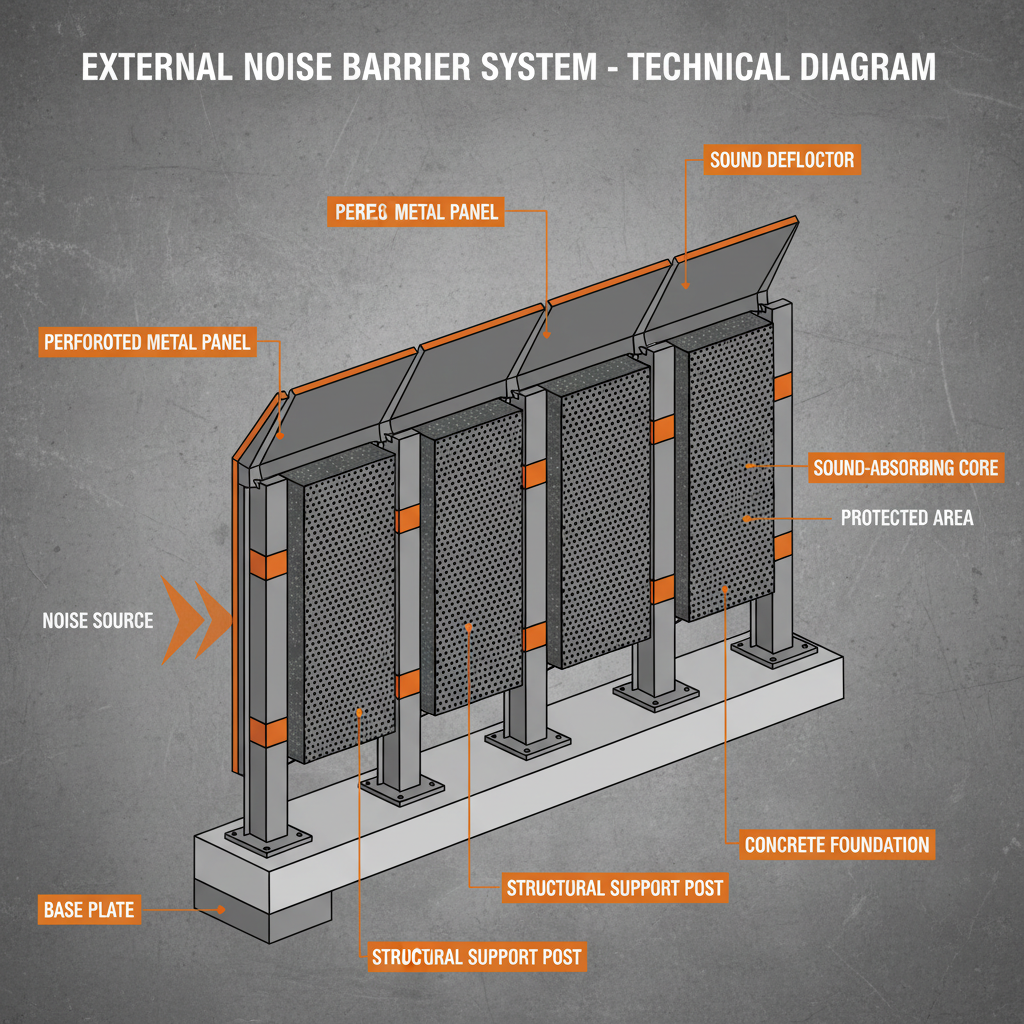
External noise barriers come in several forms, each with its own advantages and disadvantages. Common types include solid walls constructed from materials like concrete, brick, or wood. These offer excellent noise reduction but can be aesthetically unpleasing. Earth berms, natural barriers created by mounds of earth, are a cost-effective option, particularly when landscaping is a priority. Finally, absorptive barriers utilize sound-absorbing materials to reduce reflected noise, often used in conjunction with reflective barriers. The choice of barrier type depends on factors like noise level, distance to source, aesthetic considerations, and budget. Fencing Wire Mesh offers a diverse range of materials suitable for various noise barrier applications.
Key Highlights: Different barrier types offer varying levels of noise reduction and aesthetic appeal. Selecting the right type depends on your specific project requirements.
Materials Used in Noise Barrier Construction
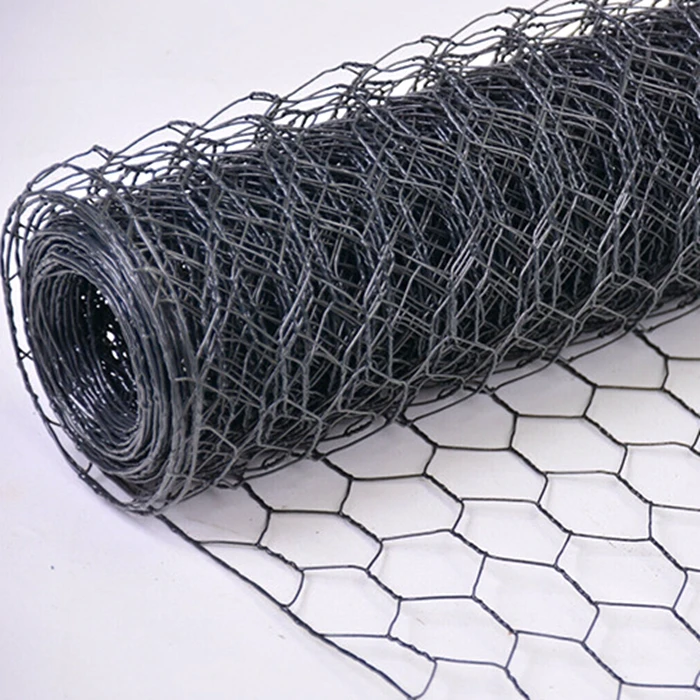
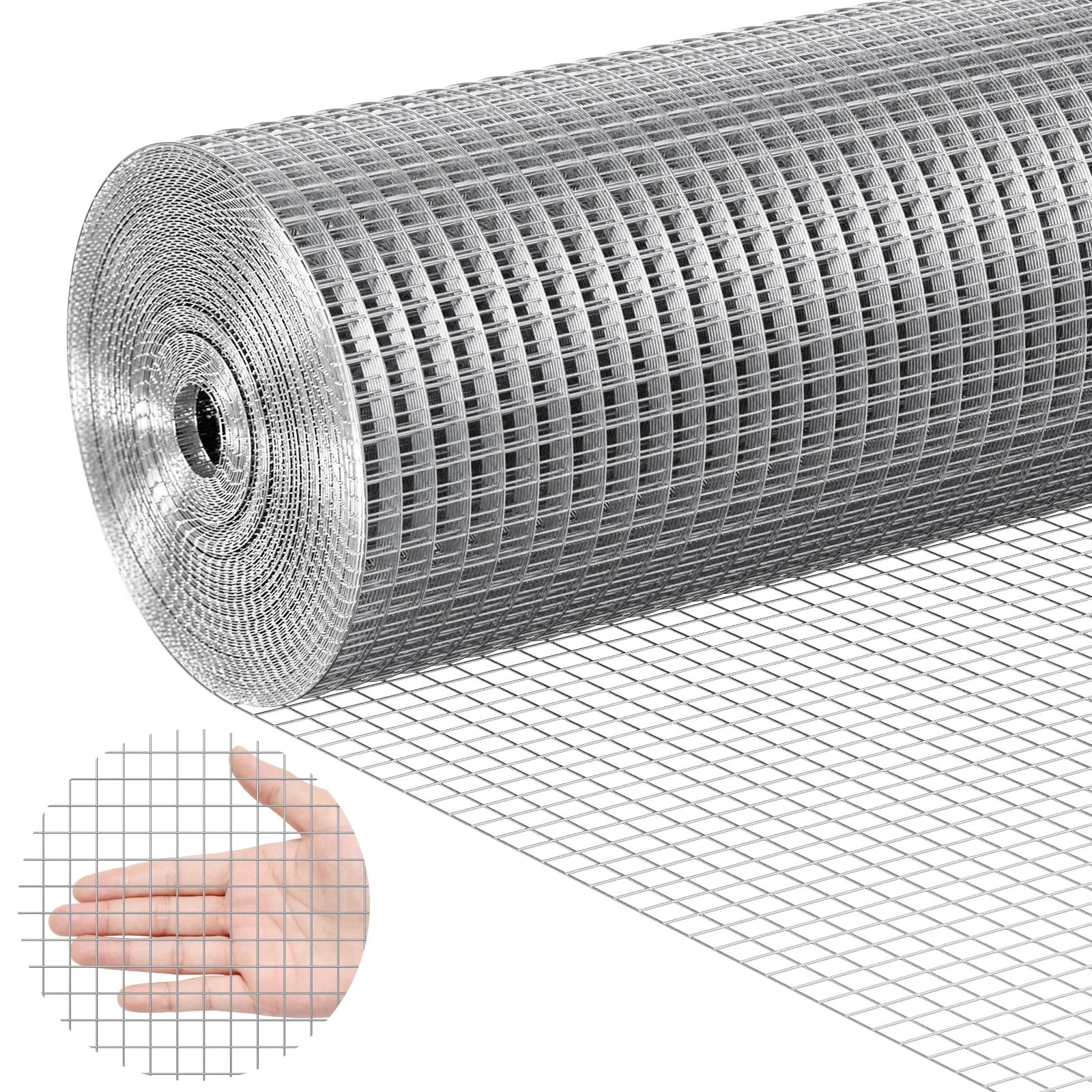
The material used to construct a noise barrier significantly impacts its effectiveness and longevity. Concrete is a popular choice due to its density and soundproofing capabilities, but it can be expensive and visually imposing. Wood offers a more natural aesthetic but requires regular maintenance to prevent rot and decay. Metal, specifically galvanized steel and wire mesh, offers a balance of strength, durability, and cost-effectiveness. Increasingly, recycled materials are being used in noise barrier construction, promoting sustainability. Consider the long-term maintenance costs and environmental impact when choosing materials. Our wire mesh products provide an excellent, durable solution for noise barrier construction.
Material Comparison:
• Concrete: High noise reduction, expensive, visually imposing.
• Wood: Natural aesthetic, requires maintenance, moderate noise reduction.
• Metal (Wire Mesh): Durable, cost-effective, good noise reduction.
• Recycled Materials: Sustainable, varying noise reduction depending on material.
Effective External Noise Barriers: Key Factors
Several factors determine the effectiveness of an external noise barrier. Height is crucial – higher barriers provide greater noise reduction. Length is also important; the barrier must extend beyond the line of sight between the noise source and the receiver. Density and mass of the material play a significant role, with denser materials blocking more sound. Finally, sealing any gaps or cracks in the barrier is essential to prevent sound leakage. Careful planning and installation are vital to maximizing the effectiveness of the noise barrier. Proper design minimizes flanking paths – routes where sound can bypass the barrier.
Noise Barrier Applications and Regulations
External noise barriers find application in a variety of settings, from residential areas adjacent to highways to industrial facilities and airports. Regulations governing noise levels vary by location. Many municipalities have ordinances restricting noise pollution, requiring developers to implement noise mitigation measures. Understanding local regulations is crucial before embarking on a noise barrier project. Compliance ensures the project is approved and avoids potential penalties. Our team can assist in navigating these regulations.
Choosing the Right Noise Barrier: A Summary
Selecting the right external noise barrier requires careful consideration of several factors: noise source characteristics, distance to receiver, aesthetic preferences, budget, and local regulations. A site assessment is recommended to determine the optimal barrier height and length. Working with experienced professionals can ensure the project is designed and installed correctly. Investing in a high-quality noise barrier is a long-term investment in peace and quiet. Contact us today for a consultation and discover how we can help you create a quieter environment.
Conclusion: Creating a Quieter Future
Implementing external noise barriers is a vital step towards improving quality of life and protecting public health. By understanding the different types of barriers, materials, and key factors influencing effectiveness, you can make informed decisions to create a quieter and more peaceful environment. Don't underestimate the power of noise control – it's an investment in well-being.
Frequently Asked Questions (FAQs)
What is the typical noise reduction achieved by an external noise barrier?
Noise reduction varies depending on the barrier's height, length, material, and the frequency of the noise source. Generally, a well-designed barrier can achieve noise reductions of 5-15 decibels (dB). A 5 dB reduction is often perceived as a noticeable improvement in sound levels, while a 10 dB reduction makes the sound appear half as loud. Higher barriers and denser materials offer greater noise reduction. The effectiveness also depends on minimizing flanking paths and ensuring a tight seal.
What permits are typically required for installing a noise barrier?
Permit requirements vary significantly by location. Generally, you will likely need a building permit, especially for solid wall barriers. You may also need permits related to zoning regulations, environmental impact assessments, and potential impacts on adjacent properties. It's crucial to check with your local planning department and homeowners association (if applicable) before starting any work. Our experienced team can help navigate the permitting process.
How much maintenance do noise barriers require?
Maintenance requirements depend on the materials used. Concrete barriers generally require minimal maintenance. Wood barriers need regular painting or staining to prevent rot. Metal barriers may require occasional cleaning and repair of any damaged coatings. Regular inspections are recommended to identify and address any issues early on. Properly maintained noise barriers will provide years of effective noise reduction. Our wire mesh solutions are known for their low maintenance requirements.
Are noise barriers aesthetically pleasing?
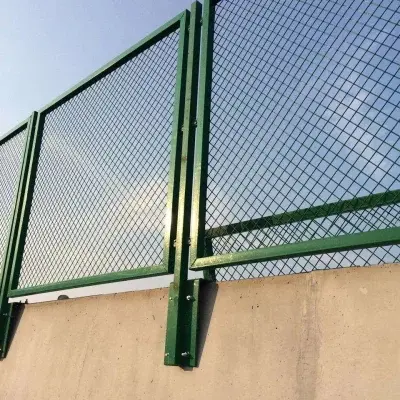
Historically, noise barriers were often considered visually unappealing. However, modern noise barrier designs incorporate aesthetic considerations. Using materials like wood or incorporating landscaping can soften the visual impact. Wire mesh barriers can be visually lighter and more transparent. Careful planning and design can create a noise barrier that is both effective and aesthetically pleasing, complementing the surrounding environment.