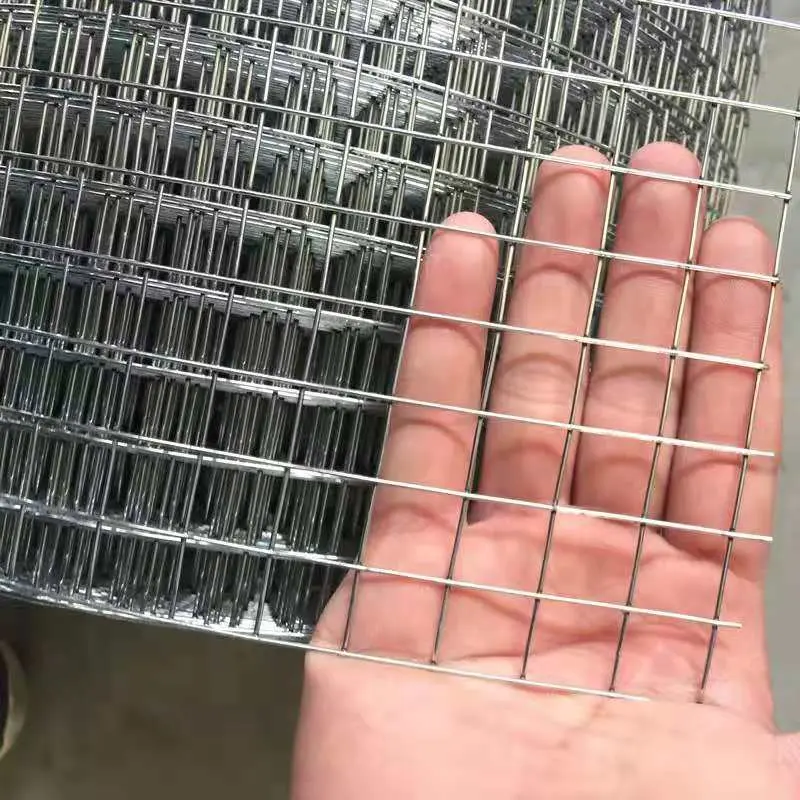

Expanded Wire Mesh: A Comprehensive Guide
Expanded wire mesh is a versatile material used across a multitude of industries, from construction and filtration to security and decorative applications. Its unique properties – strength, lightweight nature, and open design – make it an ideal solution for many challenges. This article will provide a detailed overview of expanded wire mesh, including its manufacturing process, common applications, different materials, and important considerations when selecting the right mesh for your project. Understanding these details will help you make informed decisions and maximize the benefits of this exceptional material.
What is Expanded Wire Mesh?
Expanded wire mesh isn’t woven or welded; it’s created from a single sheet of metal that’s slit and then stretched. This process creates a diamond-shaped or other patterned opening, resulting in a material that maintains its structural integrity while offering significant open area. Unlike woven wire mesh, expanded metal doesn't unravel when cut, making it ideal for applications requiring precise shapes and sizes. The stretching process also increases the metal's strength and hardness. Fencing Wire Mesh offers a diverse range of expanded metal options to meet varying project requirements.
Key Benefit: Expanded metal maintains high tensile strength due to the stretching process, making it suitable for structural applications where load-bearing capacity is essential.
Common Applications of Expanded Metal Mesh
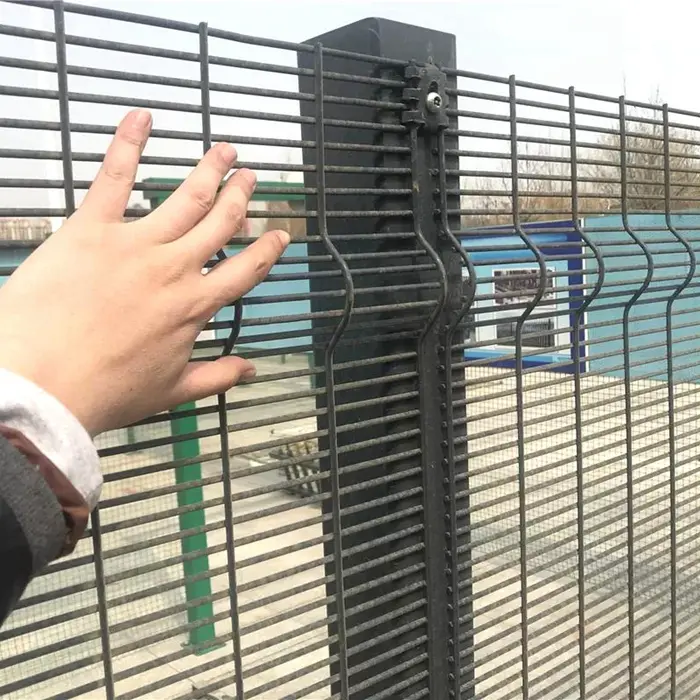
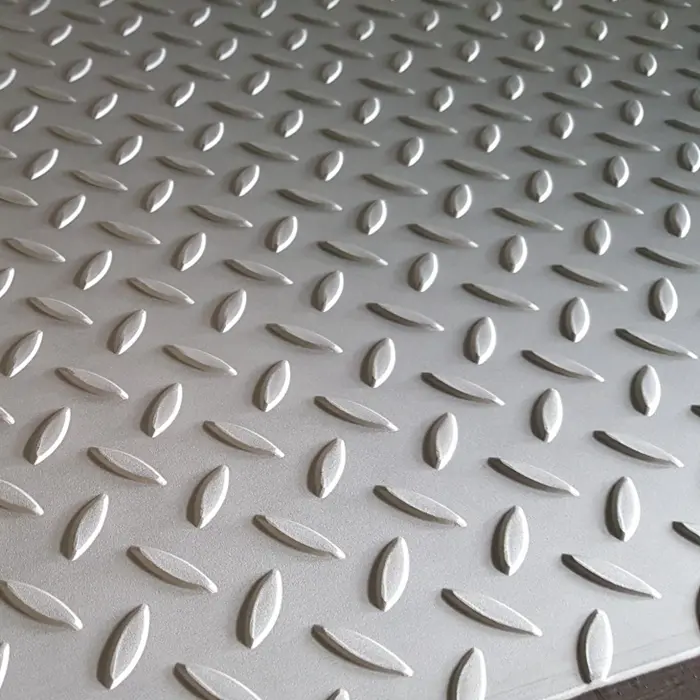
The versatility of expanded metal mesh leads to a wide range of applications. In construction, it's used for walkways, stair treads, and scaffolding. In the security sector, it provides durable fencing and protective barriers. It’s also found in filtration systems, speaker grills, and even architectural designs for aesthetic appeal. Further applications include animal enclosures, radiator shields, and shelving components. The ability to customize the mesh size and material makes it adaptable to virtually any need.
Application Areas:
• Construction: Walkways, stair treads, scaffolding
• Security: Fencing, barriers, cages
• Filtration: Strainers, sieves, filters
• Automotive: Radiator grills, speaker covers
Expanded Wire Mesh Materials: A Comparative Look
Expanded metal mesh is available in various materials, each offering unique properties. Common choices include carbon steel, stainless steel, aluminum, and copper. Carbon steel is cost-effective and strong, ideal for general applications. Stainless steel provides superior corrosion resistance, making it suitable for harsh environments. Aluminum is lightweight and non-magnetic, perfect for aerospace or decorative uses. Copper offers excellent conductivity and corrosion resistance, often used in electrical applications. The selection of the right material depends on the specific application requirements and environmental conditions.
Factors to Consider When Choosing Expanded Metal Mesh
Selecting the right expanded metal mesh involves considering several factors. Mesh size (the size of the openings) is critical for filtration or load-bearing applications. Metal thickness dictates the strength and durability of the mesh. Sheet width determines the overall size of the panel. The type of expansion – regular, flattened, or raised – affects the appearance and structural properties. Finally, always consider the environment the mesh will be exposed to, choosing a corrosion-resistant material if necessary. Contacting a supplier like Fencing Wire Mesh can provide expert guidance in selecting the optimal mesh for your specific application.
Benefits of Choosing Expanded Wire Mesh
Choosing expanded wire mesh offers several advantages over other materials. Its open design provides excellent airflow and visibility. It’s incredibly strong and durable, resisting deformation and wear. It’s lightweight, making installation and handling easier. The non-raveling characteristic ensures clean edges and simplifies fabrication. Finally, its cost-effectiveness makes it a practical choice for a wide range of budgets.
Conclusion
Expanded wire mesh is a versatile and reliable material with a wide range of applications. Its unique properties – strength, lightweight nature, open design, and cost-effectiveness – make it an ideal choice for numerous industries. By understanding the different materials, mesh sizes, and factors to consider, you can confidently select the perfect expanded metal mesh for your project. Fencing Wire Mesh provides high-quality expanded metal mesh and expert support to help you achieve your goals.
Frequently Asked Questions (FAQs)
What is the difference between expanded metal and woven wire mesh?
Expanded metal is created from a solid sheet of metal that is slit and stretched, forming an interconnected pattern of openings. Woven wire mesh, on the other hand, is made by interlacing individual wires. This key difference means expanded metal doesn't unravel when cut, making it ideal for applications needing specific shapes. Woven wire mesh tends to be more flexible and is often preferred for filtration applications where conforming to a shape is crucial. Expanded metal also generally offers higher strength and load-bearing capacity.
Can expanded metal be customized?
Yes, expanded metal is highly customizable. You can specify the metal type, thickness, mesh size (the size and shape of the openings), sheet width, and type of expansion (regular, flattened, raised). Custom fabrication options such as cutting, bending, and welding are also available. This allows you to tailor the mesh to your exact project requirements.
What are the typical applications for aluminum expanded metal?
Aluminum expanded metal is frequently used in applications where lightweight and corrosion resistance are crucial. Common uses include architectural facades, decorative panels, speaker grills, aircraft components, and lighting fixtures. Its non-magnetic properties also make it suitable for specific electronic and medical applications.
How do I determine the right mesh size for my application?
The appropriate mesh size depends on the specific requirements of your application. For filtration, the mesh size should be smaller than the particles you need to filter out. For load-bearing applications, a smaller mesh size generally provides greater strength. Consider the size of objects that need to pass through the mesh, or the desired level of visibility and airflow. Consulting with a supplier like Fencing Wire Mesh can help you determine the ideal mesh size for your needs.