
Understanding Noise Barriers for Railways
Railway noise pollution is a significant concern for communities living near rail lines. Effective noise barriers are crucial to mitigate this impact, improving the quality of life for residents and complying with environmental regulations. This article will explore the different types of railway noise barriers, their effectiveness, installation considerations, and the role of Fencing Wire Mesh in providing robust and efficient noise reduction solutions. Properly designed and installed noise barriers are an investment in community well-being and sustainable infrastructure.
Types of Railway Noise Barriers
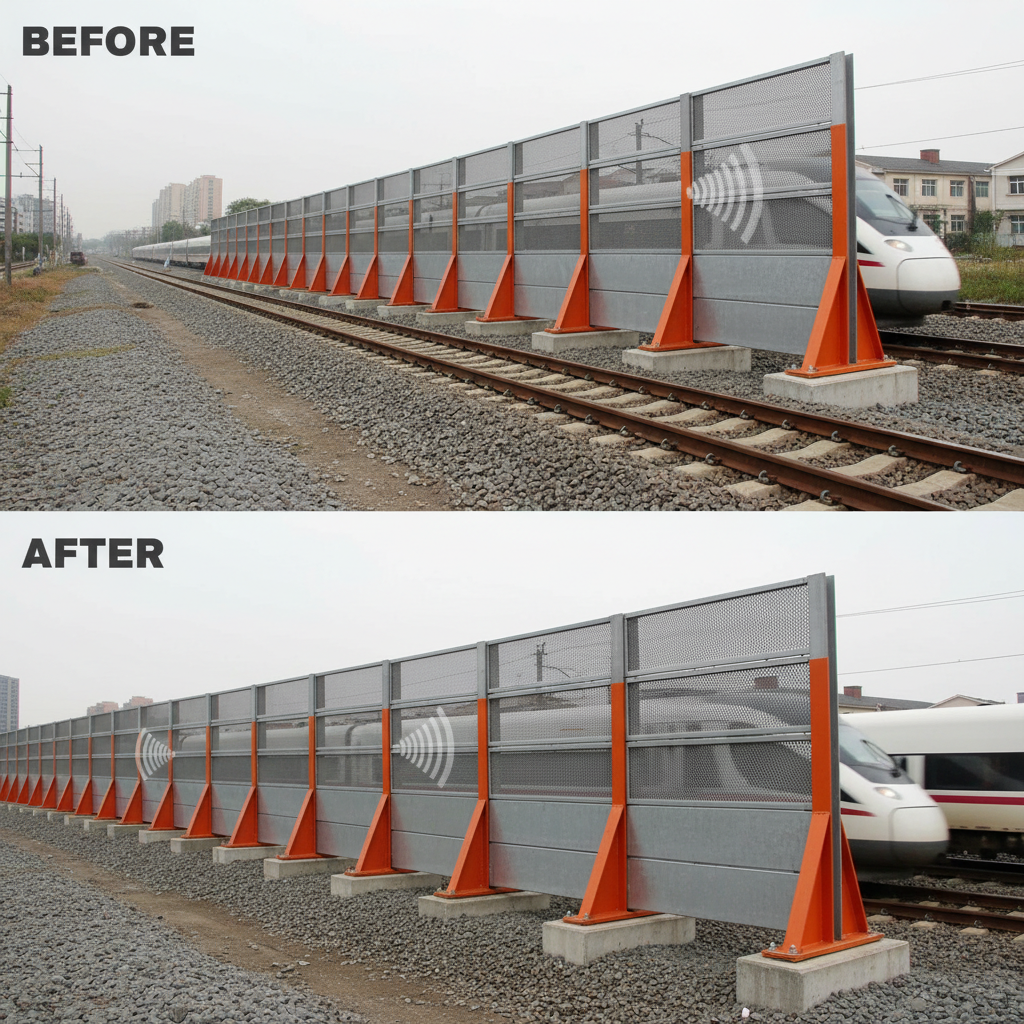
Several types of noise barriers are employed along railway lines, each offering different levels of effectiveness and aesthetic appeal. Common solutions include earth berms, concrete walls, timber fences, and specifically engineered noise barrier panels utilizing materials like steel, acrylic, and composite materials. The choice of barrier type depends on factors like noise reduction requirements, budget constraints, land availability, and visual impact considerations. Modern noise barriers often incorporate sound-absorbing materials to enhance their performance, minimizing sound reflection and maximizing noise reduction.
Key Considerations: Effective noise control requires careful assessment of the sound source, propagation paths, and receiver locations. Barrier height, length, and material properties are crucial design parameters.
Noise Reduction Performance: Comparing Barrier Materials
The effectiveness of a noise barrier is measured in decibels (dB) of noise reduction. Different materials offer varying levels of sound attenuation. Concrete walls are highly effective but can be visually intrusive. Timber fences provide moderate noise reduction and are more aesthetically pleasing but require regular maintenance. Steel noise barrier panels, often incorporating sound-absorbing materials, offer a good balance of performance and durability. Fencing Wire Mesh, particularly when used in conjunction with sound-absorbing layers, can be a cost-effective solution for moderate noise reduction.
Material Comparison:
• Concrete: High Noise Reduction (15-25dB), High Cost, Visually Intrusive
• Timber: Moderate Noise Reduction (8-12dB), Moderate Cost, Requires Maintenance
• Steel/Composite: Good Noise Reduction (12-18dB), Moderate to High Cost, Durable
• Wire Mesh (with absorption): Moderate Noise Reduction (5-10dB), Low Cost, Versatile
Railway Noise Barrier Design Considerations
Effective noise barrier design requires careful consideration of several factors. Barrier height is critical; higher barriers provide greater noise reduction but can impact visibility. Length must be sufficient to block the line of sight between the noise source (train) and the receiver (residence). Gaps or discontinuities in the barrier can significantly reduce its effectiveness. The foundation must be stable and capable of withstanding wind loads and other environmental stresses. Furthermore, local regulations and aesthetic requirements often dictate design constraints.
The Role of Fencing Wire Mesh in Noise Reduction
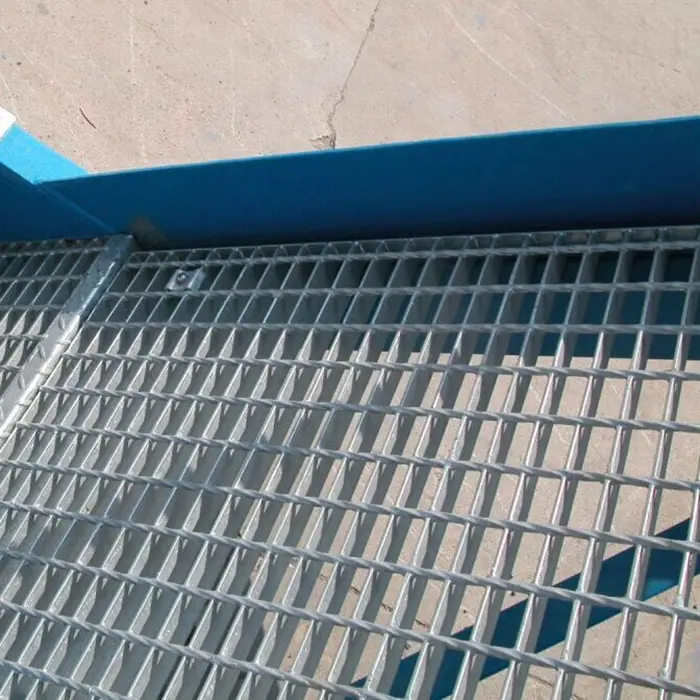
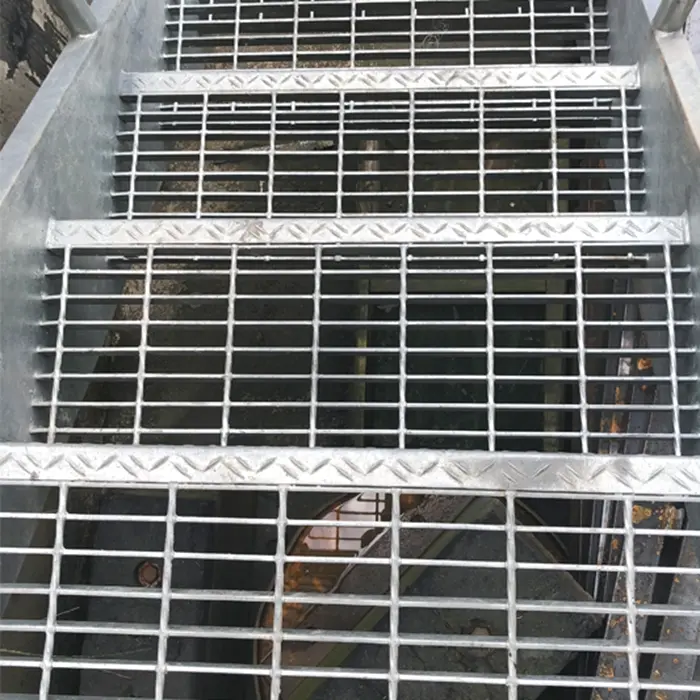
While not a standalone solution for high-level noise reduction, fencing wire mesh can play a valuable role when combined with sound-absorbing materials. The mesh provides structural support for the absorbing layer, creating a lightweight and cost-effective barrier. Different mesh densities and configurations can be used to optimize performance. This is particularly effective for lower-frequency noise, where solid barriers struggle. Fencing Wire Mesh also allows for airflow, reducing wind loads on the barrier.
Installation and Maintenance of Railway Noise Barriers
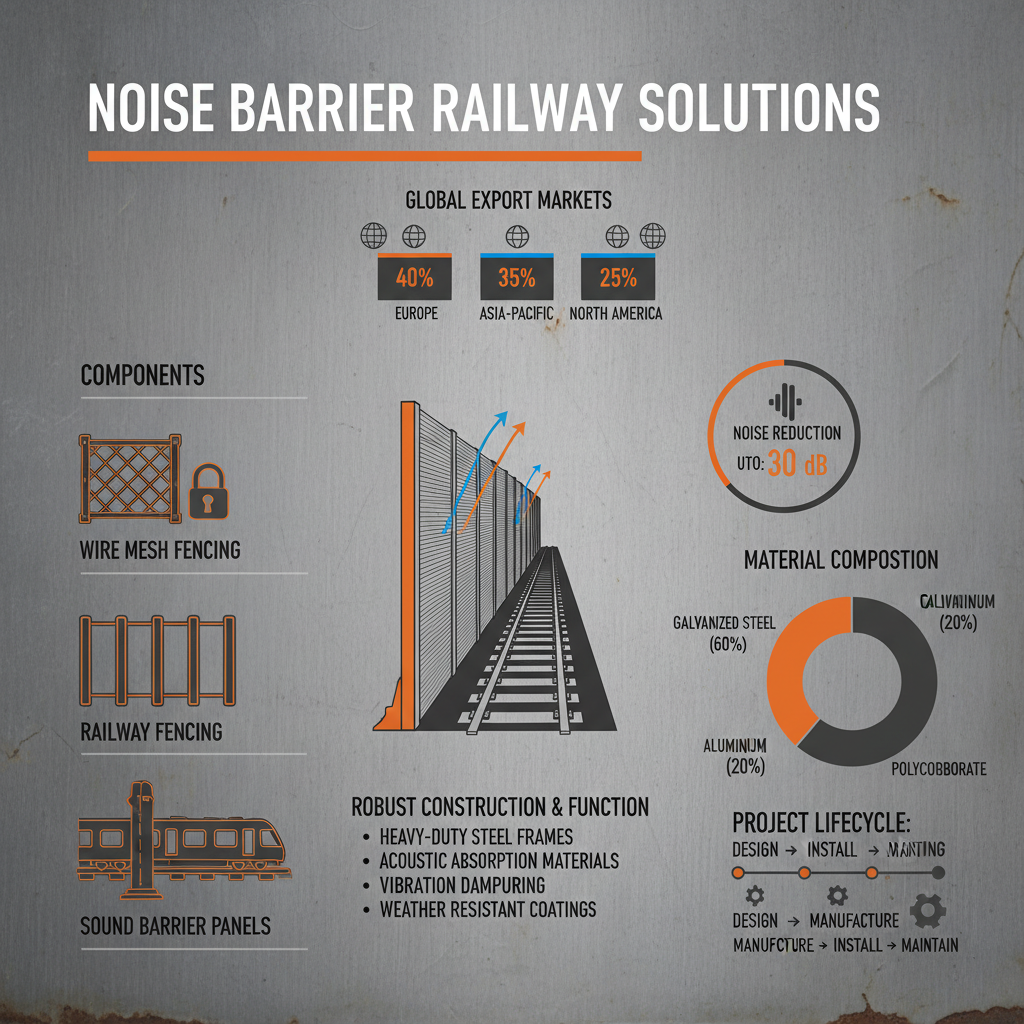
Proper installation is essential for optimal noise barrier performance. Foundations must be correctly prepared and barriers erected securely. Regular inspections should be conducted to identify any damage or deterioration. Timber barriers require periodic staining or sealing to prevent rot. Steel barriers should be checked for corrosion. Maintaining vegetation near the barrier can also improve its effectiveness by reducing sound flanking (sound traveling around the barrier). Professional installation and ongoing maintenance are critical for ensuring long-term noise reduction benefits.
Conclusion: Mitigating Railway Noise for a Better Quality of Life
Effective railway noise barriers are vital for protecting communities from the negative impacts of train noise. By carefully considering the different types of barriers, design parameters, and installation procedures, it's possible to create solutions that significantly reduce noise levels and improve the quality of life for residents. Fencing Wire Mesh, when strategically incorporated, can provide a cost-effective and versatile component of a comprehensive noise mitigation strategy.
Frequently Asked Questions (FAQs)
What is sound flanking and how can it be prevented?
Sound flanking occurs when noise travels around or over a noise barrier, reducing its effectiveness. This can happen through gaps in the barrier, over the top of a low barrier, or through porous materials. To prevent flanking, ensure the barrier is continuous, of sufficient height, and constructed with materials that minimize sound transmission. Vegetation near the barrier can also help to deflect sound waves. Careful design and installation are crucial to address potential flanking paths.
How does the distance between the railway and the noise barrier affect its performance?
The closer the noise barrier is to the railway, the more effective it will be. This is because the sound energy is concentrated at its source. As the distance increases, sound waves diverge, reducing their intensity and making it more difficult for the barrier to block the noise. Ideally, the barrier should be positioned as close to the noise source as practically possible, considering safety and maintenance access.
What are the benefits of using sound-absorbing materials in noise barriers?
Sound-absorbing materials reduce noise reflection, increasing the overall noise reduction performance of the barrier. Instead of reflecting sound back towards the source or the receiver, the absorbing material converts some of the sound energy into heat. This results in a quieter environment on both sides of the barrier. Common sound-absorbing materials include mineral wool, fiberglass, and open-cell foams.
Is planning permission required for installing a railway noise barrier?
Yes, in most cases, planning permission is required for installing a railway noise barrier. This is because the barrier can have a visual impact on the surrounding area and may affect neighboring properties. The permitting process typically involves submitting detailed plans to local authorities for review and approval. It's crucial to consult with local planning officials before commencing any construction work.