Look, I’ve spent years on muddy construction sites, wrestling with materials, talking shop with engineers – gi mesh isn’t some abstract concept to me. It’s what keeps projects on schedule, budgets in check, and, frankly, keeps people safe. We’re talking about a workhorse material, fundamentally a woven grid of galvanized steel wire, but that simple definition barely scratches the surface. It’s the silent partner in everything from erosion control to reinforcing concrete, and its impact is felt across industries globally. It's a reliable, cost-effective solution that, when you understand its nuances, can save you a ton of headaches.
The global need for robust, adaptable infrastructure is only growing, driven by population increases, urbanization, and increasingly severe weather events. Think about disaster relief – how quickly can you rebuild after a hurricane or earthquake? Gi mesh is crucial there. Consider the massive infrastructure projects underway in developing nations. They need materials that can stand up to harsh environments and demanding construction schedules. The UN estimates over $1.5 trillion annually is needed for infrastructure investment, and materials like gi mesh are vital to making those funds effective. It’s not just about building more; it’s about building better, and that means materials that last.
Simply put, gi mesh is a woven material, typically made from galvanized steel wire, creating a grid-like structure. It’s a pretty straightforward concept, but its versatility is what makes it so valuable. It’s not fancy, it's not high-tech, but it’s essential. It's the backbone of so many processes in modern construction and humanitarian efforts, and it bridges the gap between raw materials and completed projects. It’s the kind of product that doesn’t grab headlines, but keeps the world functioning.
The Core Utility of gi mesh
From my experience on site, the biggest draw of gi mesh is its sheer dependability. It doesn't fail easily. It's not going to warp or break down on you after a few months like some cheaper alternatives. That durability translates directly into cost savings – less replacement, less downtime, less frustration. It’s about investing upfront in something that will hold up under pressure. gi mesh is truly a preventative maintenance item.
Beyond durability, the scalability is huge. Whether you need a small patch for localized erosion control or vast quantities for a major highway project, it's readily available in various sizes and gauges. That flexibility allows contractors to adapt to changing needs on the fly. I’ve seen it used in everything from small residential retaining walls to massive bridge supports. It's a one-size-fits-many solution that simplifies logistics.
Global Relevance and Market Drivers
The demand for gi mesh is tied directly to global development. Look at the rapid urbanization happening in Asia and Africa. They need infrastructure, and they need it fast. That’s where gi mesh comes in. The World Bank estimates a $29 trillion investment gap in infrastructure by 2030. Closing that gap requires efficient, affordable materials, and gi mesh fits the bill. It’s not glamorous, but it’s fundamental to progress.
Climate change is also a major driver. Increased frequency of extreme weather events—floods, hurricanes, landslides—creates a constant need for erosion control and disaster relief. Gi mesh plays a vital role in stabilizing slopes, preventing soil loss, and providing temporary structures for displaced populations. It’s a practical response to a growing global challenge.
Finally, the rise in sustainable construction practices is boosting demand. While steel production has its environmental impact, the longevity and recyclability of gi mesh contribute to a longer lifespan for structures, reducing the overall need for replacement and minimizing waste. It's a step towards more responsible building practices.
Defining gi mesh: Beyond the Basics
People think of it as just wire mesh, but the “gi” part—galvanization—is critical. It’s the zinc coating that protects the steel from corrosion. That’s what gives it its long lifespan, especially in harsh environments. There are different galvanization methods too – hot-dip galvanizing is the most common, providing a thicker, more durable coating. Understanding the galvanization process is key to choosing the right gi mesh for a specific application.
It's not just about the coating either. The weave pattern matters too. Square weave, hexagonal weave, and chain link are all common, each with its own strengths and weaknesses. A square weave is great for reinforcement, while a hexagonal weave is often used for erosion control. Choosing the right weave is about understanding the forces the mesh will be subjected to.
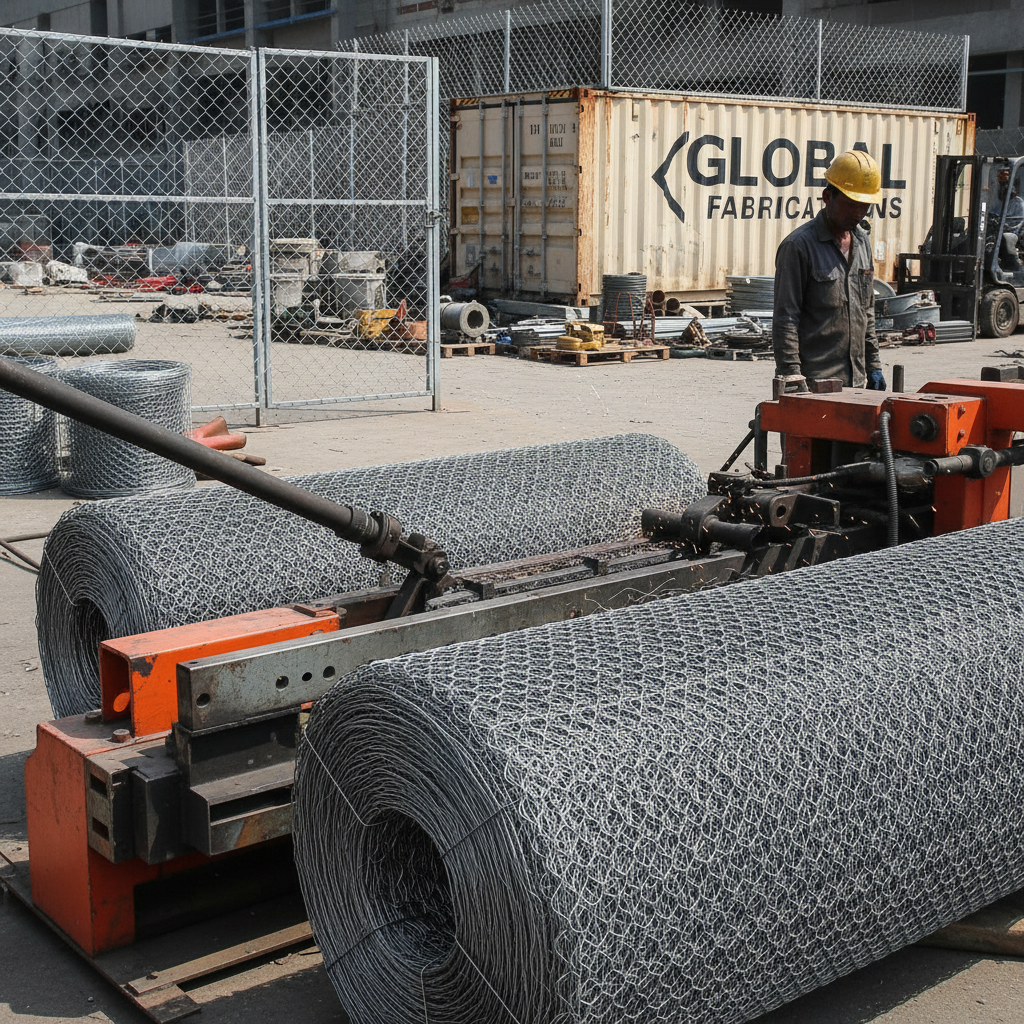
Then there's the gauge of the wire – the thicker the wire, the stronger the mesh. But thicker isn’t always better. You need to balance strength with flexibility and weight. A heavier mesh is harder to handle and can be more expensive. It’s all about finding the sweet spot for your specific needs. gi mesh is often surprisingly adaptable once you understand these variables.
Key Performance Characteristics
Let's talk practical performance. The tensile strength of gi mesh is a big one. It needs to be able to withstand significant pulling forces without breaking or deforming. This is particularly important in applications like retaining walls or concrete reinforcement. We're talking about preventing catastrophic failures, so this isn’t an area to cut corners.
Corrosion resistance, as we touched on earlier, is paramount. The zinc coating protects the steel from rust, extending its lifespan even in saltwater or acidic environments. Different grades of galvanization offer different levels of protection, so you need to consider the specific environmental conditions.
Gi Mesh Performance Metrics
Applications Across Industries
The applications are incredibly diverse. In construction, it’s used for concrete reinforcement, shotcrete stabilization, and plastering keys. In agriculture, it protects crops from pests and provides support for climbing plants. I've even seen it used in mining operations for ground stabilization.
Erosion control is a huge market. Gi mesh is used to create retaining walls, stabilize slopes, and protect riverbanks. It's particularly effective in areas prone to heavy rainfall or flooding. I've seen it deployed along coastlines to prevent beach erosion, a critical application as sea levels rise.
Long-Term Value and Benefits
Look, at the end of the day, it's about value. Gi mesh offers an exceptional return on investment. It’s durable, requires minimal maintenance, and lasts for decades. That translates into significant cost savings over the lifespan of a project. It’s cheaper in the long run than constantly replacing inferior materials.
Beyond the economic benefits, there's a safety aspect. Reliable materials contribute to safer construction practices and more durable infrastructure. That peace of mind is invaluable. And let’s not forget the environmental benefits—reduced waste, increased longevity, and potential for recycling. gi mesh really hits all the right notes.
The social impact is also important. Reliable infrastructure improves quality of life, supports economic development, and enhances community resilience. Gi mesh might seem like a small component, but it plays a crucial role in building a better future.
Future Trends and Innovations in gi mesh
We’re seeing developments in polymer coatings to further enhance corrosion resistance. These coatings can extend the lifespan of gi mesh even in the most aggressive environments. There's also research into using more sustainable materials for the wire itself – exploring alternatives to traditional steel.
Automation is also playing a role. Automated weaving machines are increasing production efficiency and reducing costs. And with the rise of BIM (Building Information Modeling), we’re seeing more precise integration of gi mesh into digital project models, optimizing material usage and reducing waste.
I think we’ll also see more specialized gi mesh products tailored to specific applications – meshes with varying weave patterns, wire gauges, and coatings designed to meet unique challenges. It’s a constantly evolving field, and I’m excited to see what the future holds.
Summary of Challenges and Solutions for gi mesh Adoption
| Challenge |
Impact on Project |
Potential Solution |
Implementation Cost |
| Corrosion in Harsh Environments |
Reduced lifespan, structural failure |
Employing advanced polymer coatings |
Medium ($5-10/sq meter) |
| Difficulty in Handling Large Rolls |
Increased labor costs, potential for injury |
Utilizing automated unrolling and cutting systems |
High ($10,000+) |
| Variations in Galvanization Quality |
Inconsistent corrosion resistance |
Strict quality control measures, certified suppliers |
Low (included in material cost) |
| Lack of Standardization in Weave Patterns |
Compatibility issues, inconsistent performance |
Adopting industry-wide standards for weave specifications |
Medium (requires industry collaboration) |
| Higher Initial Cost Compared to Alternatives |
Budget constraints, preference for cheaper options |
Life-cycle cost analysis, emphasizing long-term value |
Low (requires education & communication) |
| Environmental Impact of Steel Production |
Sustainability concerns, carbon footprint |
Sourcing recycled steel, exploring alternative materials |
Medium (dependent on material availability) |
FAQS
While both offer corrosion resistance, stainless steel is superior, especially in highly corrosive environments like saltwater. However, it’s significantly more expensive. Galvanized steel provides a good balance of cost and performance for most applications. It’s about weighing the budget against the severity of the corrosion risk. The hot-dip galvanization process adds a thicker, more durable layer, increasing its lifespan and effectiveness. For routine construction or general fencing, galvanized is often the smarter choice.
That depends heavily on the environment. In relatively mild conditions, properly galvanized gi mesh can easily last 20-30 years, even longer. In coastal areas or industrial settings with high levels of pollutants, expect a lifespan of 10-15 years. Regular inspections and occasional maintenance – like applying an additional protective coating – can extend its service life. Choosing the right gauge and galvanization method upfront is also crucial.
Yes, gi mesh is commonly used to reinforce concrete. The zinc coating protects the steel from the alkaline environment of the concrete, preventing corrosion. However, it's crucial to ensure adequate concrete cover – a layer of concrete surrounding the mesh – to further enhance protection. Insufficient cover can lead to premature corrosion, especially in chloride-rich environments.
Gi mesh edges can be sharp, so always wear gloves and eye protection when handling it. Be mindful of the weight, especially with larger rolls, to avoid strains or injuries. Proper cutting tools are also essential – avoid using methods that create loose wire fragments. Always follow manufacturer’s safety guidelines and ensure adequate ventilation when cutting or welding.
Absolutely. Steel is one of the most recyclable materials on the planet. Gi mesh can be readily recycled at the end of its life, reducing waste and conserving resources. Removing the galvanization layer before recycling is typically necessary, but this is a standard process in most scrap metal facilities. Choosing recyclable materials like gi mesh contributes to a more sustainable construction industry.
Store gi mesh in a dry, well-ventilated area. Avoid direct contact with the ground and keep it covered to protect it from rain and moisture. Stacking the rolls properly is also important to prevent damage and maintain their shape. If long-term storage is required, consider wrapping the mesh in a breathable material to allow for air circulation and prevent condensation buildup.
Conclusion
We’ve covered a lot of ground here, but the core takeaway is this: gi mesh is a workhorse material. It’s not flashy, but it’s reliable, versatile, and cost-effective. It’s a fundamental component in countless construction, agricultural, and industrial applications, and its impact on infrastructure development around the world is undeniable. Understanding its strengths, limitations, and best practices is crucial for any professional working in these fields.
Looking ahead, continued innovation in materials and coatings will further enhance the performance and sustainability of gi mesh. Embrace these advancements, prioritize quality control, and remember that investing in durable materials is always a smart long-term strategy. For all your gi mesh needs, visit our website: www.fencingwiremesh.com.