
Understanding Outdoor Noise Barriers
In today’s increasingly noisy world, maintaining peaceful environments is a growing concern. Whether it’s from traffic, construction, or industrial activity, unwanted sound pollution can negatively impact quality of life and even health. An outdoor noise barrier is an effective solution to mitigate these disturbances. This article will explore the benefits, types, and considerations for installing a noise barrier, helping you create a more tranquil space. Controlling noise pollution is not only about comfort, but also about protecting well-being.
Why Invest in an Outdoor Noise Barrier?
The benefits of an outdoor noise barrier extend beyond simply reducing unwanted sound. A well-designed barrier can significantly improve property value, create more usable outdoor space, and contribute to a healthier living environment. Prolonged exposure to noise can lead to stress, sleep disturbances, and even cardiovascular problems. A noise barrier offers a proactive solution to these issues. Moreover, some barriers can also offer visual screening, enhancing privacy and aesthetics. For businesses, reducing noise pollution can improve employee productivity and create a more pleasant work environment.
Key Benefits: Improved property value, enhanced privacy, increased usable outdoor space, reduced stress and improved health, enhanced productivity.
Types of Outdoor Noise Barriers
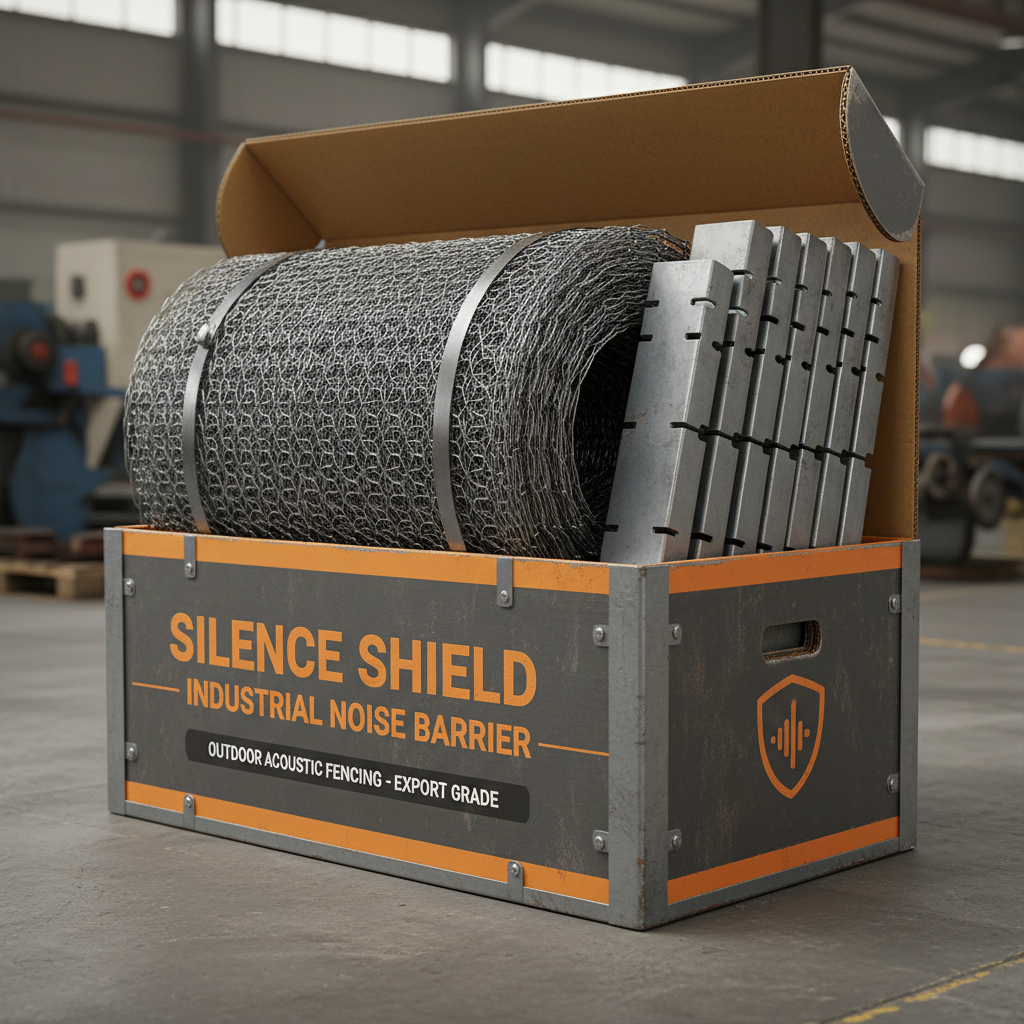
Several materials and designs are available for outdoor noise barriers, each with its own advantages and disadvantages. Common options include concrete walls, earth berms, wood fences, and specialized noise barrier panels. Concrete walls are highly effective but can be expensive and visually imposing. Earth berms are a natural solution but require significant land area. Wood fences offer a more affordable and aesthetically pleasing option, but their noise reduction capabilities are limited. Noise barrier panels, often constructed from materials like vinyl or composite, are specifically engineered for sound absorption and offer a balance of performance and aesthetics.
Noise Barrier Material Comparison:
• Concrete: High noise reduction, high cost, visually imposing.
• Earth Berms: Natural, requires significant space, moderate noise reduction.
• Wood Fences: Affordable, aesthetically pleasing, limited noise reduction.
• Noise Barrier Panels: Engineered for sound absorption, balance of performance and aesthetics.
Factors Influencing Noise Barrier Effectiveness
The effectiveness of an outdoor noise barrier is influenced by several factors, including its height, length, material, and location. A taller barrier generally provides greater noise reduction. The barrier should extend beyond the line of sight between the noise source and the receiver. Gaps or openings in the barrier will significantly reduce its effectiveness. The type of noise also plays a role; low-frequency sounds are more difficult to block than high-frequency sounds. Furthermore, the surrounding environment, such as nearby buildings or trees, can affect sound propagation and barrier performance.
Choosing the Right Noise Barrier for Your Needs
Selecting the optimal outdoor noise barrier requires careful consideration of your specific needs and circumstances. Factors to consider include the level of noise reduction required, the available space, the budget, and the aesthetic preferences. It's often beneficial to consult with a professional acoustic consultant to assess the noise levels and recommend the most appropriate solution. Fencing Wire Mesh offers a wide range of noise barrier options to suit various applications and budgets. Proper planning and installation are essential to maximize the effectiveness of the barrier.
Installation and Maintenance
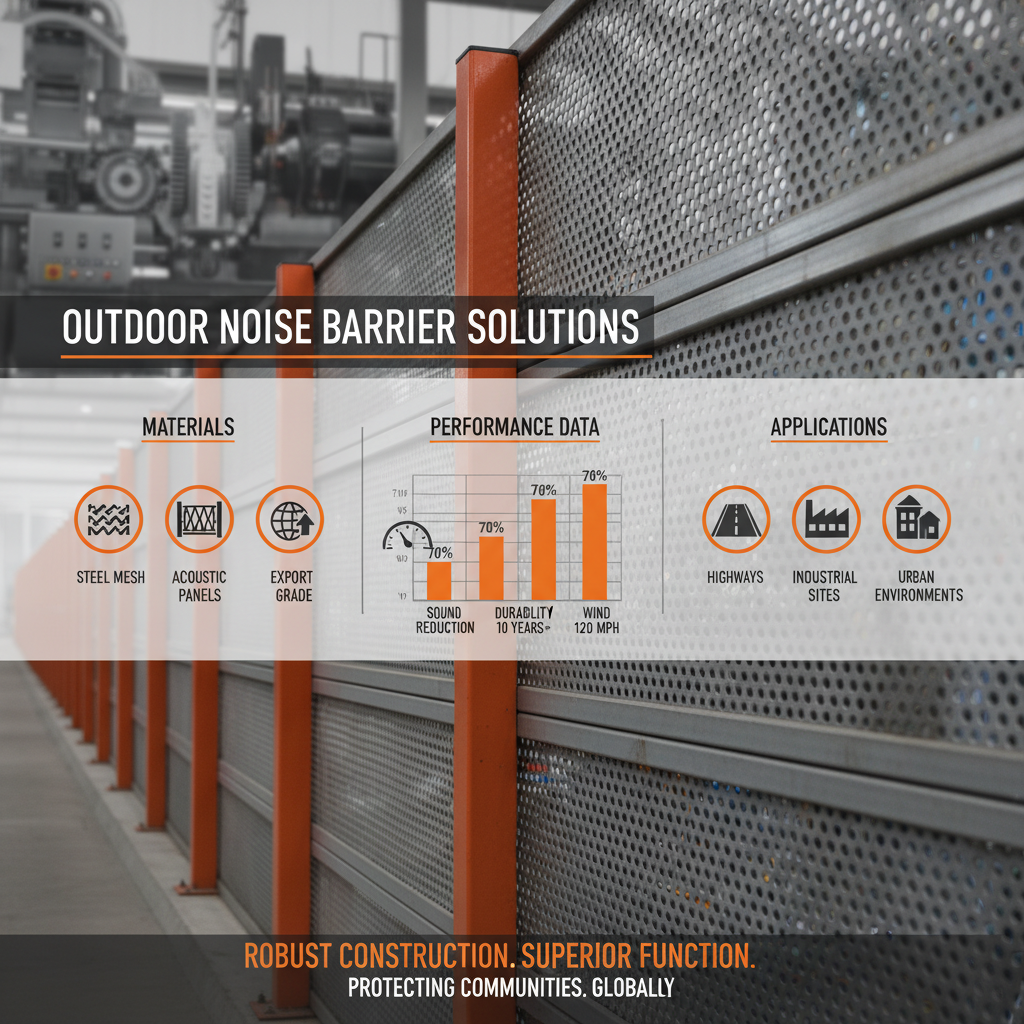
Proper installation is crucial for ensuring the effectiveness of your outdoor noise barrier. The barrier should be securely anchored to the ground to prevent wind damage and maintain its structural integrity. It’s essential to follow the manufacturer's instructions carefully and to ensure that all gaps and openings are sealed. Regular maintenance, such as cleaning and inspection for damage, will help prolong the lifespan of the barrier and maintain its performance. Addressing any damage promptly will prevent further deterioration and ensure continued noise reduction.
Conclusion: Creating a More Peaceful Environment
Investing in an outdoor noise barrier is a valuable step towards creating a more peaceful and enjoyable environment. By carefully considering your needs, selecting the right materials, and ensuring proper installation and maintenance, you can effectively mitigate noise pollution and improve your quality of life. Contact Fencing Wire Mesh today for a consultation and explore the options available to you.
Frequently Asked Questions (FAQs)
How much noise reduction can I expect from a noise barrier?
The amount of noise reduction depends on several factors, including the height and material of the barrier, the distance between the noise source and the barrier, and the frequency of the sound. Generally, a well-designed noise barrier can reduce noise levels by 5-20 decibels. Each 3 dB reduction represents a halving of the sound energy. A higher barrier made of dense materials will provide greater noise reduction. Consulting with an acoustic expert can provide a more accurate estimate for your specific situation.
Are there any building codes or permits required for installing a noise barrier?
Yes, in many jurisdictions, building codes and permits are required for installing a noise barrier, particularly if it exceeds a certain height or is located near property lines. It's essential to check with your local planning and building department to determine the specific requirements in your area. Failure to obtain the necessary permits can result in fines or the removal of the barrier. Regulations often address height restrictions, setback requirements, and material specifications.
What is the best material for a noise barrier in a coastal environment?
In a coastal environment, where exposure to salt spray and harsh weather conditions is common, it's crucial to choose a corrosion-resistant material. Vinyl, composite materials, and aluminum are excellent choices. Avoid using materials that are susceptible to rust or corrosion, such as steel, unless they are properly coated and maintained. Regular inspections and cleaning are also essential to prevent corrosion and ensure the longevity of the barrier.
Can a noise barrier also provide privacy?
Yes, many noise barrier materials also offer visual screening, enhancing privacy. Solid barriers, such as concrete walls or solid wood fences, provide the most complete privacy. However, even noise barrier panels with some degree of opacity can offer a significant level of privacy. Consider the height and design of the barrier to achieve the desired level of visual seclusion.