
Noise Barriers for Construction Sites: A Comprehensive Guide
Construction sites are inherently noisy environments, posing significant risks to worker health and potentially leading to legal issues. Effective noise barriers for construction sites are crucial for mitigating these issues. This article explores the importance of noise control, various types of barriers available, factors to consider when choosing a solution, and the benefits of investing in high-quality noise reduction measures. We'll guide you through understanding regulations, material options, and achieving optimal noise reduction on your projects.
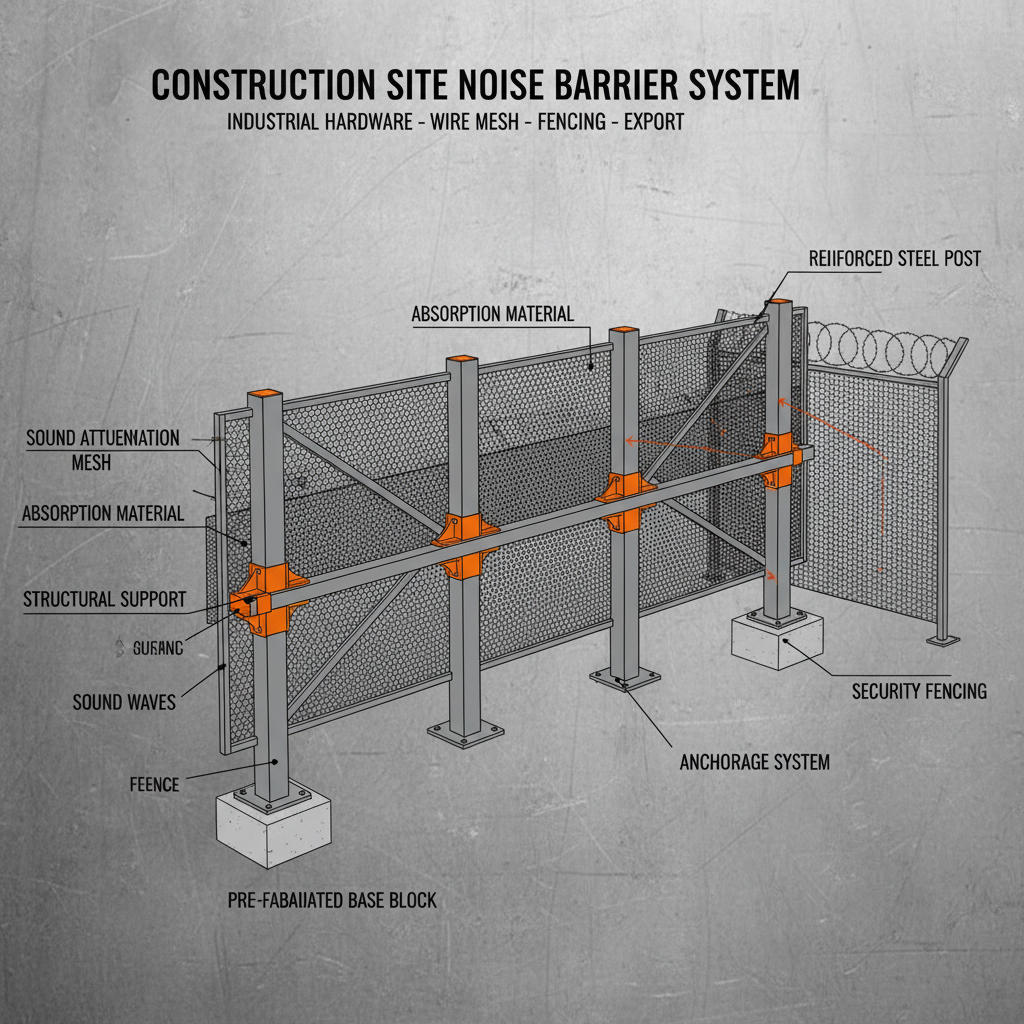
Why are Noise Barriers Important on Construction Sites?
Prolonged exposure to high noise levels can lead to Noise-Induced Hearing Loss (NIHL), a permanent and debilitating condition. Beyond the health impacts, excessive noise can cause stress, fatigue, and reduced productivity among workers. Moreover, construction sites are often located near residential areas, and failing to control noise pollution can result in complaints, fines, and project delays. Implementing effective noise barriers demonstrates a commitment to worker safety, community relations, and regulatory compliance.
Key Benefits: Protects worker hearing, improves productivity, minimizes community disturbance, ensures regulatory compliance, and reduces potential legal liabilities.
Types of Noise Barriers for Construction Sites
Several types of noise barriers are commonly used on construction sites, each with its advantages and disadvantages. These include:
- Solid Barriers: Constructed from materials like wood, metal, or composite panels, these barriers block sound waves directly.
- Absorptive Barriers: Made from sound-absorbing materials such as fiberglass or mineral wool, these barriers reduce noise reflection and reverberation.
- Combination Barriers: These barriers integrate both solid and absorptive elements for optimal noise reduction.
- Temporary Noise Barriers: Portable and easy to install, these barriers are ideal for short-term projects or changing site configurations. Often utilize woven geotextiles.
The most effective solution depends on the specific noise source, site conditions, and budget. Fencing Wire Mesh specializes in temporary and permanent noise control solutions tailored to diverse construction needs.
Factors to Consider When Selecting Noise Barriers
Choosing the right noise barrier requires careful consideration of several key factors:
- Noise Frequency: Different materials are more effective at blocking different frequencies.
- Barrier Height and Length: Higher and longer barriers provide greater noise reduction.
- Material Weight and Density: Denser materials are generally more effective at blocking sound.
- Site Accessibility and Installation Requirements: The barrier must be easy to install and maintain on the specific site.
- Budget Constraints: Different materials and configurations come with varying costs.
- Local Regulations: Ensure compliance with noise control ordinances.
A professional noise assessment can help determine the optimal barrier configuration for your specific needs.
Noise Barrier Materials: A Comparative Overview
The material used in noise barriers significantly impacts their effectiveness and cost. Here’s a comparison of common materials:
The Benefits of Investing in Quality Noise Barriers
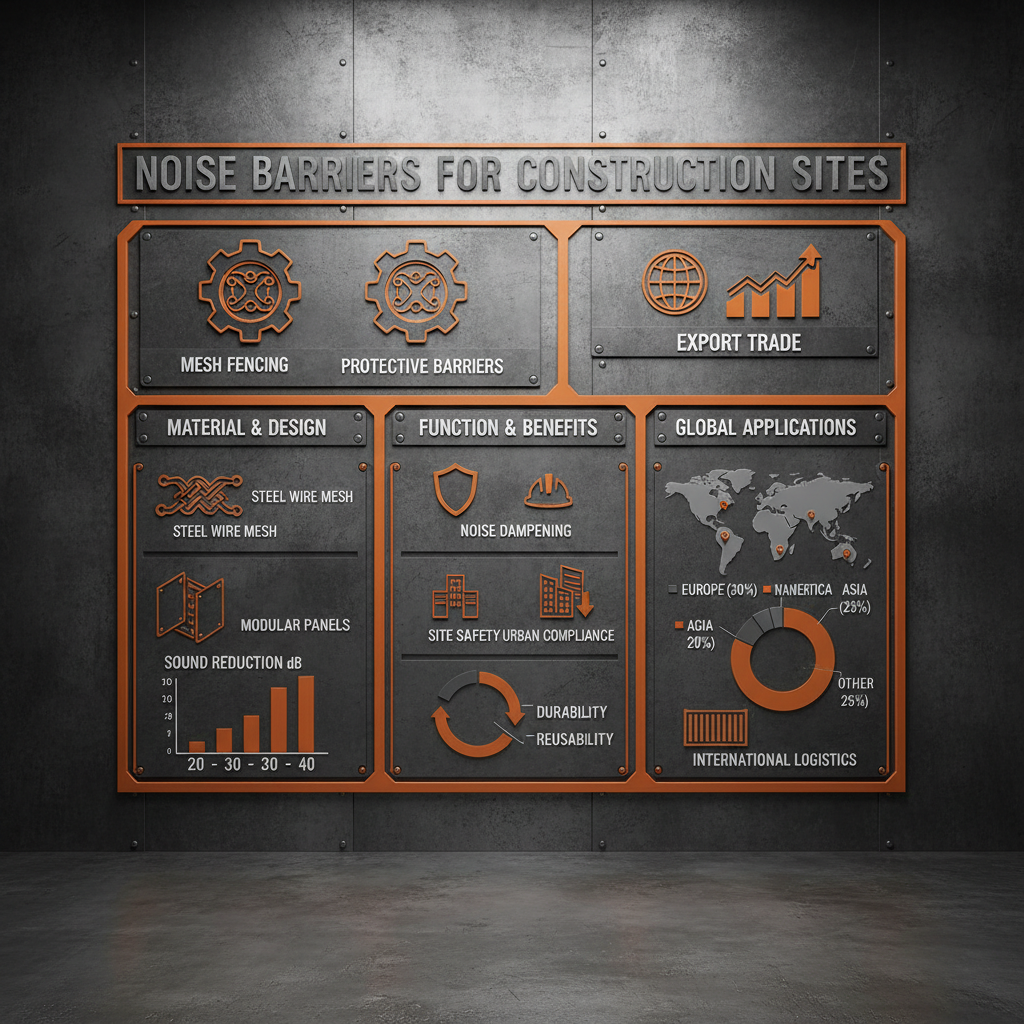
Investing in high-quality noise barriers for construction sites yields significant long-term benefits. These include a safer work environment, improved worker morale and productivity, reduced risk of legal claims, and enhanced community relations. Choosing a reliable supplier like Fencing Wire Mesh ensures you receive durable, effective, and compliant noise control solutions.
Conclusion
Effective noise control is essential for ensuring worker safety, maintaining community goodwill, and complying with regulations on construction sites. By carefully considering the factors outlined in this guide and investing in quality noise barriers, you can create a more productive and sustainable work environment.
Frequently Asked Questions (FAQs)
What noise level reductions can I expect from noise barriers?
The noise reduction achieved by noise barriers varies depending on factors such as barrier height, length, material, and the distance between the noise source and the receiver. Generally, barriers can reduce noise levels by 5-20 decibels (dB). A 10dB reduction is often perceived as a halving of the loudness. For optimal results, a professional noise assessment is recommended to determine the appropriate barrier configuration for your specific site. Considerations like flanking paths (sound traveling around the barrier) also play a role and should be addressed during planning.
Are temporary noise barriers as effective as permanent ones?
Temporary noise barriers, like those offered by Fencing Wire Mesh, can be very effective, especially when chosen and installed correctly. While permanent barriers generally offer higher sound reduction due to their construction, temporary barriers provide a flexible and cost-effective solution for short-term projects or changing site conditions. The effectiveness depends on the material density, height, and proper installation to minimize sound leaks. They're ideal for addressing specific noise issues as they arise.
What are the local noise regulations for construction sites?
Noise regulations for construction sites vary significantly depending on location. Many municipalities have specific limits on noise levels during certain hours of the day and week. It's crucial to research and comply with the local ordinances in your area. These regulations often specify permissible noise levels at the property line and may require noise monitoring and mitigation measures. Failure to comply can result in fines and project delays. Consulting with a local environmental consultant can help ensure compliance.