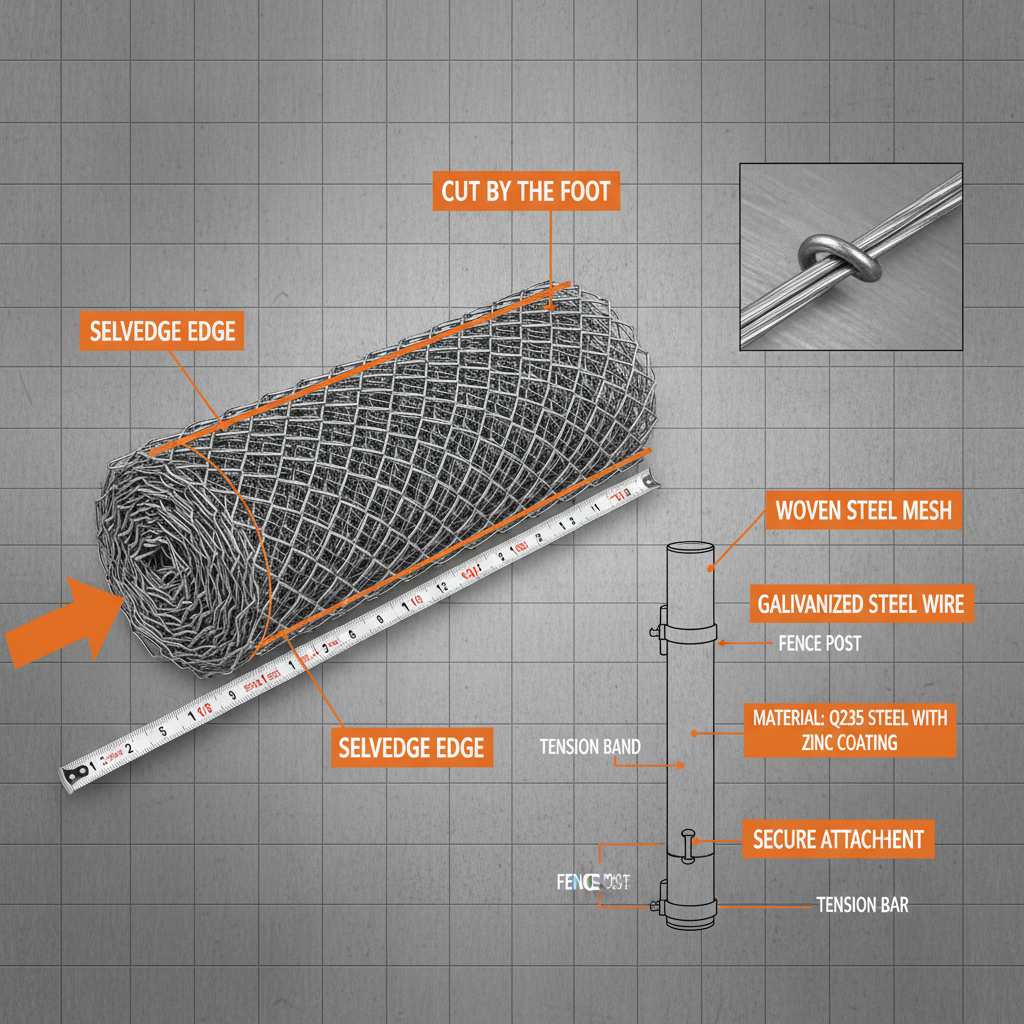

Understanding Road Sound Barriers: A Comprehensive Guide
Road noise pollution is a significant concern for communities near highways and busy roadways. Effective road sound barriers are crucial for mitigating this issue and improving the quality of life for residents. This article will explore the various types of road sound barriers, their benefits, installation considerations, and the factors to consider when choosing the right solution. We'll also cover materials, effectiveness, and maintenance to help you make an informed decision.
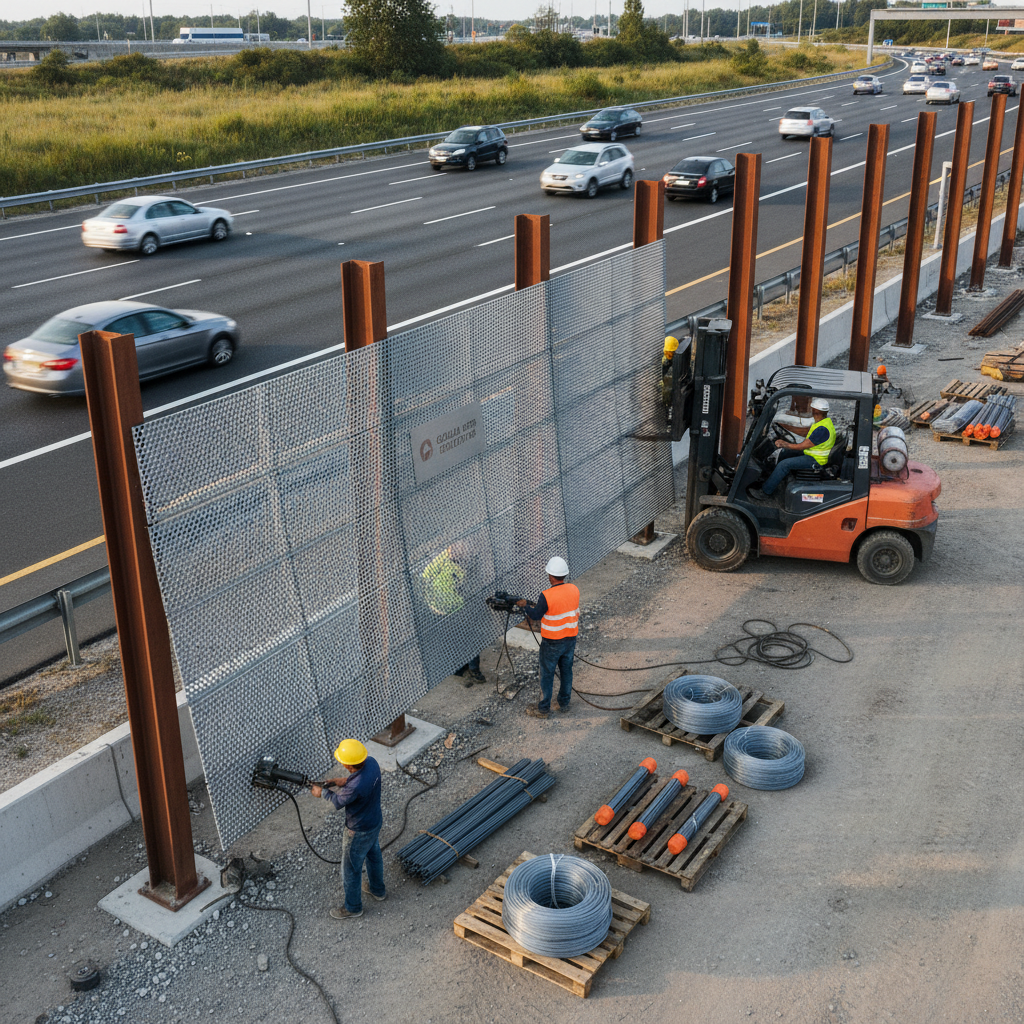
Why are Road Sound Barriers Necessary?
Prolonged exposure to road noise can have detrimental effects on human health, including sleep disturbance, increased stress levels, and even cardiovascular problems. Sound barriers work by blocking the direct path of sound waves, reducing their intensity as they reach nearby communities. Beyond health benefits, sound barriers can also increase property values and create more pleasant living environments. They’re not just about reducing decibels; they're about improving the overall well-being of those affected by traffic noise.
Key Benefits: Reduced stress, improved sleep, increased property values, enhanced quality of life, and protection of public health.
Types of Road Sound Barriers
Several materials are commonly used for constructing road sound barriers. Each has its own advantages and disadvantages in terms of cost, effectiveness, and aesthetics. Some popular options include concrete, wood, earth berms, and composite materials. The choice depends on factors like the noise reduction requirements, budget, site conditions, and local regulations.
Common Sound Barrier Materials:
• Concrete: Durable, effective, but can be aesthetically unpleasing.
• Wood: More aesthetically pleasing, but requires more maintenance.
• Earth Berms: Natural and effective, but require significant land space.
• Composite Materials: Combine durability and aesthetics, often made from recycled materials.
Concrete vs. Wood Road Sound Barriers: A Detailed Comparison
Concrete and wood are two of the most prevalent materials used in road sound barrier construction. While both effectively reduce noise, they differ significantly in several key aspects. Concrete offers superior durability and requires minimal maintenance, making it a cost-effective long-term solution. However, it can be visually unappealing. Wood, on the other hand, blends more naturally into the environment, but needs regular staining or sealing to prevent decay. The initial cost of wood might be lower, but the ongoing maintenance can add up over time. Choosing between the two depends on your priorities and budgetary constraints.
Installation and Considerations for Road Sound Barriers
Proper installation is paramount for ensuring the effectiveness of a road sound barrier. Factors to consider include the height of the barrier (taller barriers generally provide greater noise reduction), the length of the barrier, and the distance from the roadway. Soil conditions, drainage, and potential impacts on visibility are also important considerations. Working with experienced contractors who specialize in sound barrier installation is crucial for a successful project. Furthermore, obtaining the necessary permits and adhering to local regulations is essential.
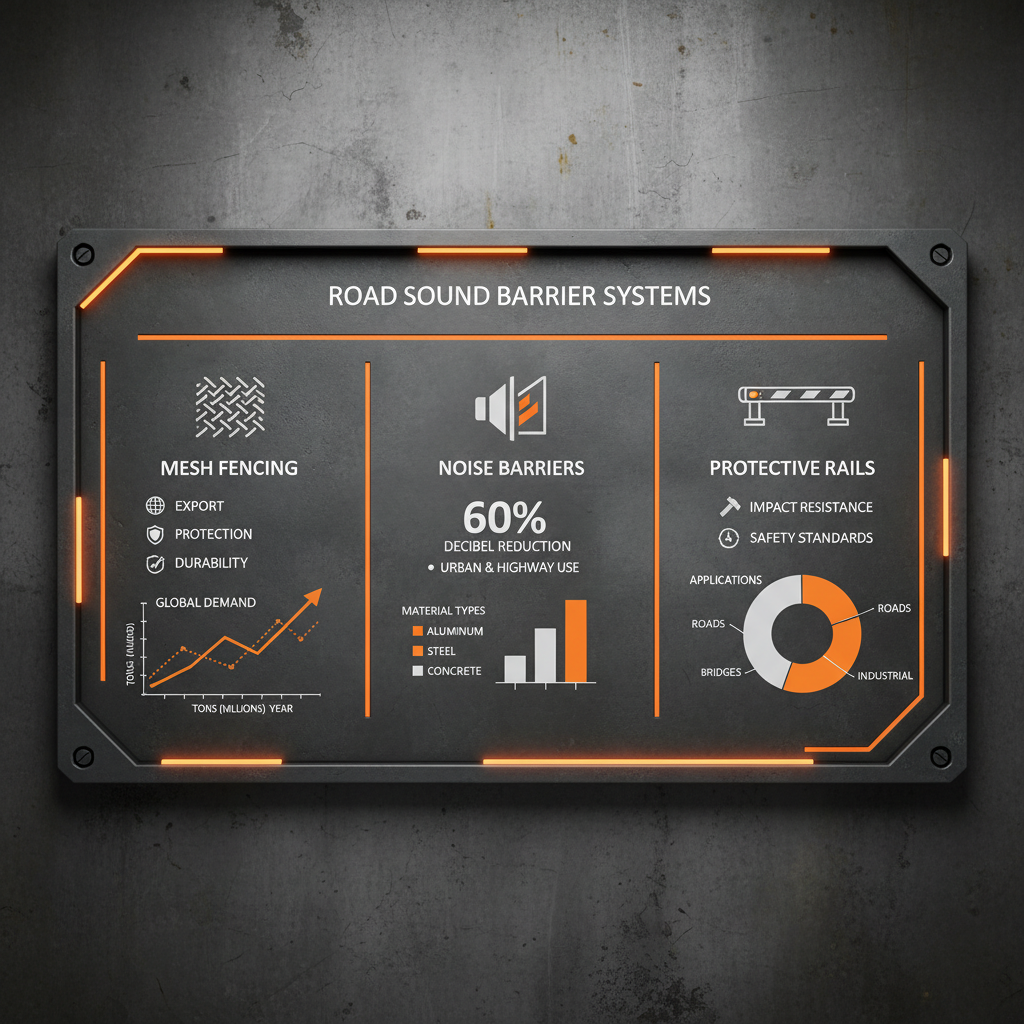
Maintaining Your Road Sound Barrier
Even durable sound barriers require periodic maintenance to ensure continued effectiveness. Wood barriers should be inspected regularly for signs of decay and re-stained or sealed as needed. Concrete barriers may require occasional cleaning to remove dirt and grime. Inspecting for cracks or damage is vital for any material. Promptly addressing any issues can prevent minor problems from escalating into costly repairs. Regular maintenance extends the lifespan of your sound barrier and maximizes its noise reduction capabilities. For more information on high-quality, durable sound barrier solutions, visit our website.
Conclusion: Investing in a Quieter Community
Investing in a well-designed and properly installed road sound barrier is a significant step towards creating a healthier and more peaceful environment for communities affected by traffic noise. By carefully considering the various factors discussed in this article, you can choose the solution that best meets your needs and budget. Don't underestimate the positive impact of a quieter community.
Frequently Asked Questions (FAQs)
How tall does a road sound barrier need to be to be effective?
The optimal height of a road sound barrier depends on several factors, including the distance to the noise source, the topography of the land, and the desired level of noise reduction. Generally, barriers at least 10-12 feet tall are needed to provide significant noise reduction. However, even taller barriers may be necessary in certain situations, especially when dealing with high-volume traffic or sensitive receptors like schools and hospitals. The principle is that the barrier must break the line of sight between the noise source and the receiver to effectively block the sound waves. A professional acoustic assessment is recommended to determine the ideal height for your specific location.
What is the typical lifespan of a concrete road sound barrier?
A well-maintained concrete road sound barrier can have a lifespan of 50 years or more. Concrete is a remarkably durable material that is resistant to weathering, corrosion, and decay. However, regular inspections are still important to identify and address any cracks or damage that may occur over time. Minor repairs, such as patching cracks, can help extend the lifespan of the barrier. The quality of the concrete mix and the installation process also play a significant role in determining its longevity.
Are there any aesthetic options for road sound barriers?
Yes, there are several aesthetic options available for road sound barriers. Concrete barriers can be textured or colored to blend in with the surrounding environment. Wood barriers offer a more natural aesthetic and can be stained or painted to match the landscape. Composite materials allow for even greater design flexibility and can be customized to create visually appealing barriers. Some barriers also incorporate landscaping features, such as vines or shrubs, to further enhance their appearance. Modern barriers are designed to be both functional and aesthetically pleasing.
How effective are earth berms as sound barriers?
Earth berms can be very effective sound barriers, often providing comparable noise reduction to concrete walls. Their effectiveness depends on their height, width, and the density of the soil. However, earth berms require a significant amount of land space, which may not be available in all locations. They also need to be properly engineered to ensure stability and prevent erosion. Vegetation can be planted on the berm to enhance its aesthetic appeal and provide additional sound absorption.