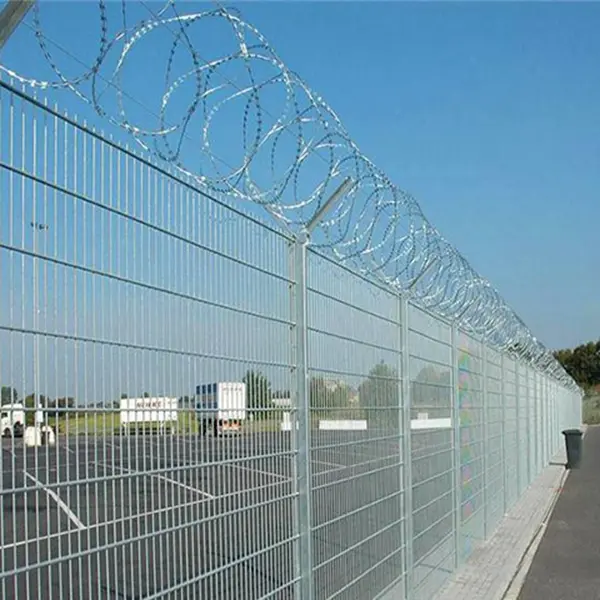

Understanding Temporary Sound Barriers and Their Applications
In today’s increasingly noisy world, the need for effective noise control solutions is paramount. From construction sites to outdoor events, unwanted sound can disrupt daily life and pose health risks. Temporary sound barriers offer a practical and adaptable solution for mitigating noise pollution. This article will delve into the benefits, applications, materials, and considerations when selecting a temporary sound barrier, providing a comprehensive guide for anyone seeking to control noise effectively. Protecting your environment and ensuring compliance with noise regulations starts with informed choices.
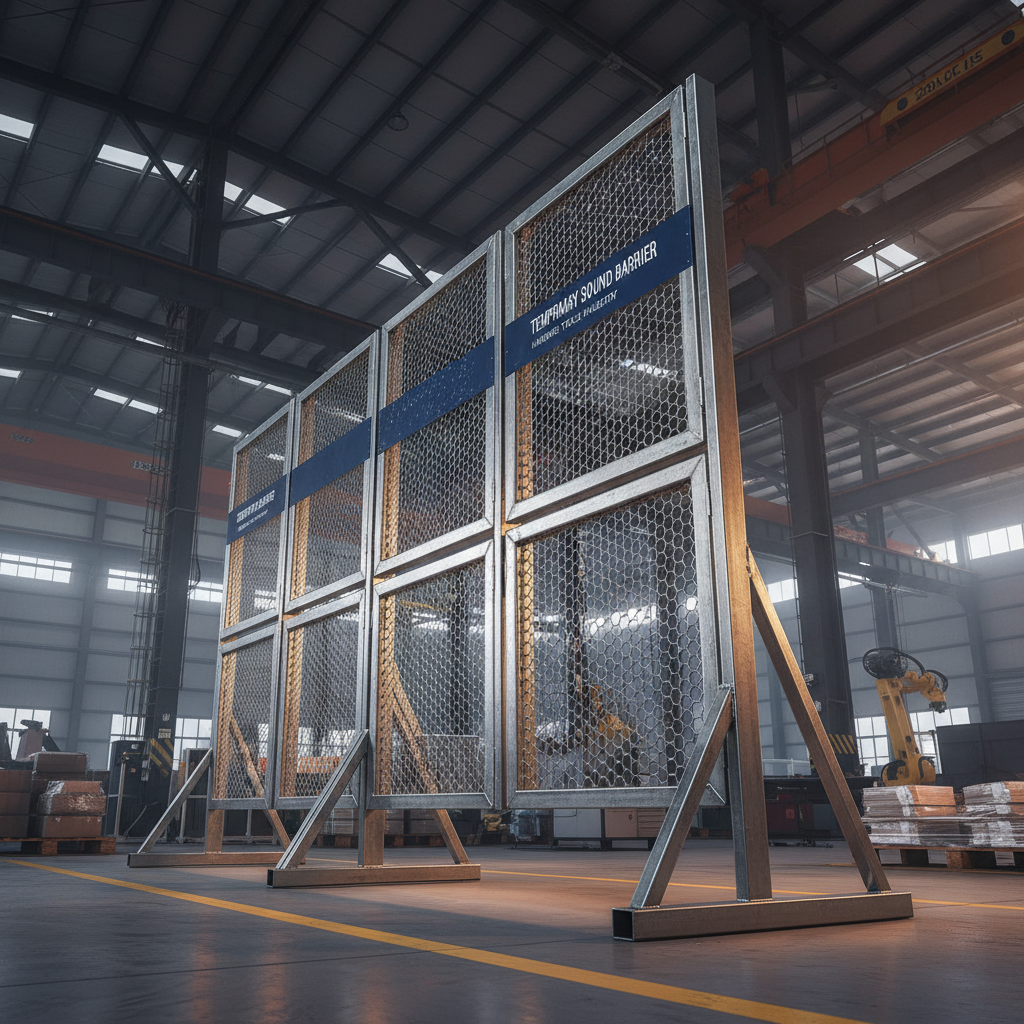
The Benefits of Utilizing Temporary Sound Barriers
Temporary sound barriers provide a multitude of benefits, making them a versatile solution for noise control. They are easily installed and removed, offering flexibility for short-term projects or events. These barriers significantly reduce noise levels, creating a more peaceful environment for workers, residents, and event attendees. Furthermore, they aid in compliance with local noise ordinances and regulations, preventing potential fines or disruptions. Our sound barriers are designed for ease of use and maximum effectiveness.
Key Highlights: Easy installation & removal, reduced noise levels, compliance with noise regulations, and adaptable for various applications.
Common Applications for Temporary Sound Barriers
Temporary sound barriers find use in a wide array of scenarios. Construction sites are a primary application, mitigating noise from machinery and activities. Outdoor events, such as concerts, festivals, and sporting events, utilize these barriers to minimize disturbance to surrounding communities. Industrial facilities benefit from noise reduction to protect workers and comply with safety standards. Road and highway construction projects frequently employ barriers to shield nearby residences. Even smaller applications like generator noise reduction or private event noise control are effectively addressed with temporary solutions.
Application Examples:
• Construction Sites
• Concerts & Festivals
• Industrial Facilities
• Road & Highway Construction
Materials Used in Temporary Sound Barrier Construction
The effectiveness of a temporary sound barrier relies heavily on the materials used. Common materials include mass-loaded vinyl (MLV), acoustic blankets, wood panels, and specialized composite materials. MLV is particularly effective due to its density, providing excellent sound blocking. Acoustic blankets, often made from fiberglass or mineral wool, absorb sound energy. Wood panels, while less effective than MLV, offer a cost-effective solution for moderate noise reduction. We specialize in durable and effective sound barrier materials to suit diverse needs.
Factors to Consider When Choosing a Temporary Sound Barrier
Several factors influence the selection of an appropriate temporary sound barrier. The noise level and frequency need assessment to determine the required STC rating. The surrounding environment dictates the necessary height and length of the barrier. Wind load considerations are crucial for stability, especially in exposed locations. Budget constraints will influence material choices. Finally, ease of installation and removal should be prioritized for efficient project management.
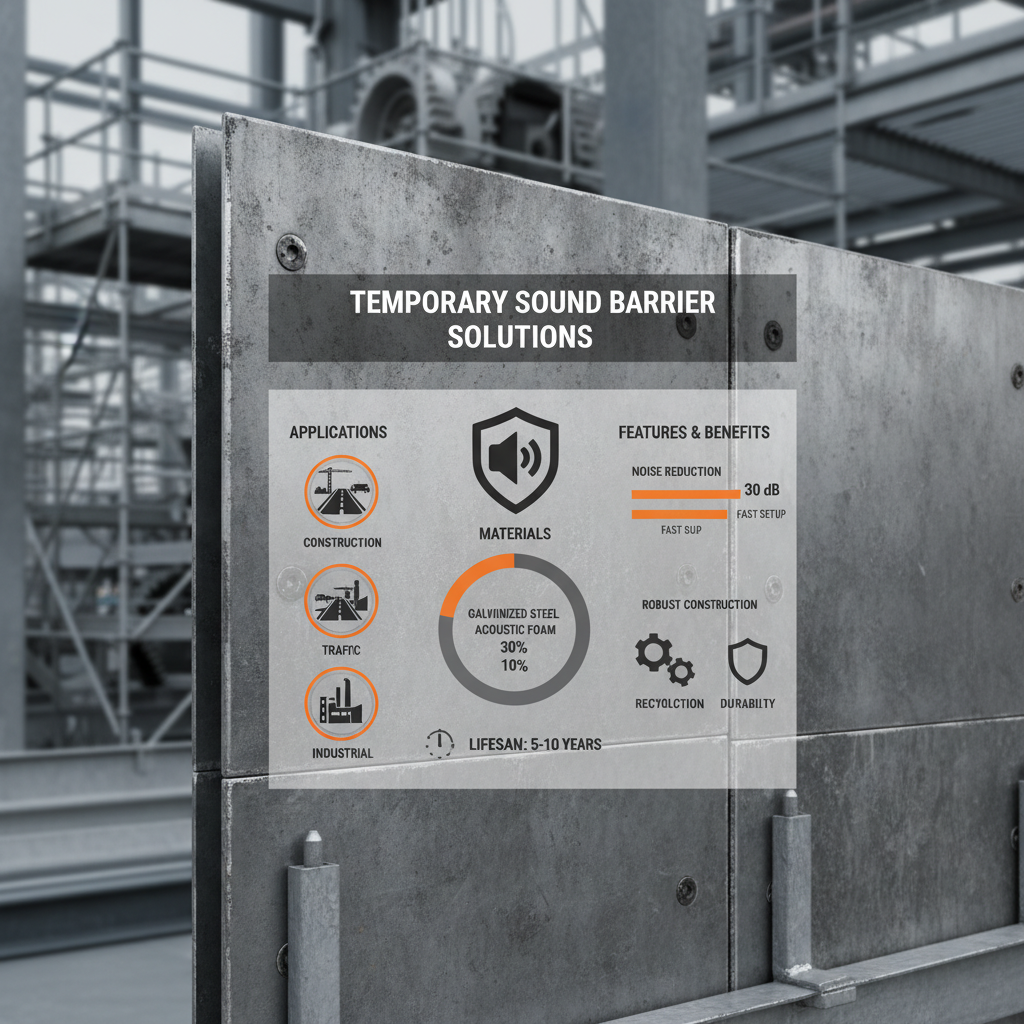
Temporary Sound Barrier vs. Permanent Noise Control Solutions
While permanent noise control solutions (like walls or earth berms) offer long-term noise reduction, they are often expensive and inflexible. Temporary sound barriers provide a cost-effective and adaptable alternative for short-term noise mitigation. They excel in situations where noise is intermittent or the source is temporary. Permanent solutions are ideal for long-term noise problems, whereas temporary barriers address specific, time-limited needs. The best approach depends on the nature and duration of the noise issue.
Conclusion: Choosing the Right Sound Barrier for Your Needs
Selecting the appropriate temporary sound barrier requires careful consideration of noise levels, environmental factors, budget, and project requirements. By understanding the benefits, materials, and applications discussed in this article, you can make an informed decision and effectively mitigate noise pollution. Contact us today for a consultation and let our experts help you find the perfect sound control solution.
Frequently Asked Questions (FAQs)
What is the typical lifespan of a temporary sound barrier?
The lifespan of a temporary sound barrier depends on the materials used and the conditions of use. Generally, barriers constructed from durable materials like MLV and quality frames can be reused multiple times over several years with proper care. However, materials like acoustic blankets may degrade faster with exposure to the elements. Regular inspection for damage is critical. We offer barriers designed for long-term reusability and durability, minimizing replacement costs.
How do I calculate the necessary length of sound barrier needed?
Calculating the necessary length depends on the distance between the noise source and the receiver, as well as the desired noise reduction. A general rule of thumb is to ensure the barrier extends beyond the direct line of sight between the source and the receiver by at least a few feet on each side. More complex calculations may involve considering the height of the barrier, the frequency of the noise, and atmospheric conditions. Our team can provide expert guidance and assist in determining the optimal barrier length for your specific situation.
Are temporary sound barriers difficult to install?
The ease of installation varies depending on the type of barrier. Many of our barriers are designed for quick and easy assembly, requiring minimal tools and expertise. We provide clear installation instructions and can offer on-site installation services if needed. Lightweight materials and modular designs further simplify the installation process, minimizing downtime and labor costs. We prioritize user-friendly designs to ensure a hassle-free experience.
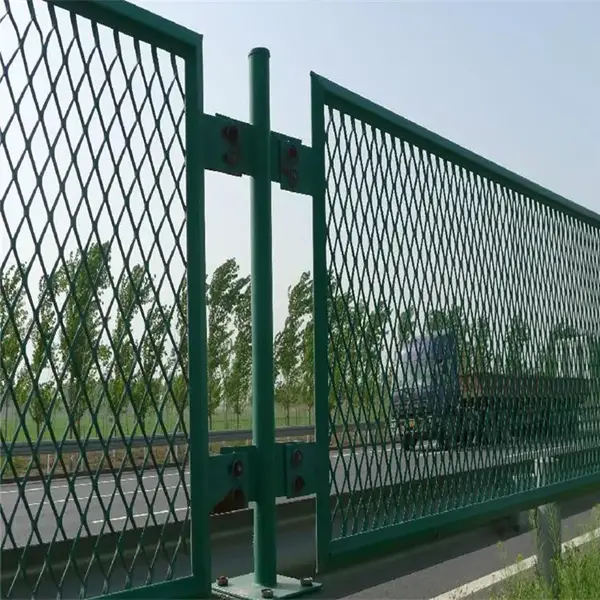


2.webp "Razor barbed wire: a sharp barrier for security protection")